

The Meaning of the Nuclear Revolution: Statecraft and the Prospect of Armageddon by Robert Jervis – A Groundbreaking Ana
Inclusive of all applicable taxes. FREE shipping on all orders.
Available Offers
- 🚚Free Delivery — Free shipping on all orders
- 💵Cash on Delivery — Pay when your order arrives
- ↩️15-Day Easy Returns — Hassle-free return policy
- 🔒Cash on Delivery — Pay safely when your order arrives
Check Delivery
Product Description
Introduction
In an era where the shadow of nuclear conflict looms large, understanding the profound shift in global politics and military strategy becomes essential. Robert Jervis’s landmark work, The Meaning of the Nuclear Revolution: Statecraft and the Prospect of Armageddon, offers a deep and insightful exploration of how the advent of nuclear weapons has fundamentally altered the nature of war, diplomacy, and statecraft. Published by Cornell University Press, this hardcover edition is an indispensable resource for students, scholars, and anyone seeking to grasp the complexities of international relations in the nuclear age.
Book Overview
This seminal book argues that the possibility of nuclear war has created a revolution in military strategy and international relations—one that challenges centuries-old assumptions about power, conflict, and deterrence. Jervis examines how the sheer destructive capacity of nuclear weapons has changed the meaning of war itself, turning it from a rational tool of statecraft into a potential path to annihilation. Through rigorous analysis, he explores the psychology of statesmanship, the logic of deterrence, and the formulation of military policy by superpowers, offering a nuanced perspective that remains highly relevant today.
Key Highlights
- Revolutionary Thesis: Argues that nuclear weapons have fundamentally transformed the relationship between military force and political objectives.
- Psychological Depth: Delves into the cognitive biases and strategic thinking that shape nuclear decision-making.
- Policy Insights: Provides critical analysis of Cold War and post-Cold War military doctrines, with lessons for contemporary geopolitics.
- Interdisciplinary Approach: Blends political science, history, and psychology to create a comprehensive framework for understanding nuclear deterrence.
- Authoritative Scholarship: Written by one of the most respected scholars in international relations, Robert Jervis.
Inside the Book
The book is structured around Jervis’s core argument that nuclear weapons have created a “nuclear revolution” by making the costs of war potentially infinite. He dissects key concepts such as the stability-instability paradox, the role of credibility in deterrence, and the psychological pressures faced by leaders during crises. The text is rich with historical examples, from the Cuban Missile Crisis to the arms race, and offers a critical evaluation of theories like mutual assured destruction (MAD). Jervis also explores how nuclear weapons have influenced the behavior of both superpowers and emerging nuclear states, making this a timeless study of power and restraint.
Key Topics
- The nuclear revolution and its impact on international relations
- The psychology of statesmanship under the threat of Armageddon
- Deterrence theory and the stability-instability paradox
- Military policy formulation in the nuclear age
- Historical case studies of nuclear crises
- The ethical and strategic dilemmas of nuclear proliferation
Reader Benefits
- Deepen Your Understanding: Gain a sophisticated grasp of how nuclear weapons have reshaped global politics.
- Enhance Critical Thinking: Engage with challenging ideas about strategy, psychology, and statecraft.
- Stay Relevant: Understand the foundations of contemporary debates on nuclear disarmament, arms control, and geopolitical stability.
- Academic Excellence: Ideal for coursework, research, or personal enrichment in political science and security studies.
Learning Outcomes
- Analyze the strategic implications of nuclear weapons for international relations.
- Evaluate the psychological factors that influence nuclear decision-making.
- Critically assess deterrence theories and their real-world applications.
- Understand the historical context of nuclear policy during the Cold War and beyond.
- Apply theoretical insights to contemporary security challenges.
Who Should Read
This book is essential for students of political science, international relations, and strategic studies; policymakers and diplomats; military professionals; historians; and general readers with an interest in global security, nuclear ethics, and the psychology of leadership. It is particularly valuable for Indian readers seeking to understand the broader dynamics of nuclear deterrence in a multipolar world, including the context of South Asia.
About the Author
Robert Jervis is a preeminent scholar of international relations and political psychology. A professor at Columbia University, he has authored numerous influential works on deterrence theory, perception, and misperception in international politics. His contributions have earned him widespread recognition, including the Grawemeyer Award for Ideas Improving World Order. Jervis’s expertise in both historical analysis and psychological theory makes this book a definitive text in the field.
About the Publisher
Cornell University Press, based in Ithaca, New York, is a leading academic publisher known for its rigorous scholarship in the social sciences and humanities. With a legacy spanning over 150 years, it publishes works that shape intellectual discourse and inform public policy. This hardcover edition reflects the press’s commitment to quality and enduring relevance.
Conclusion
The Meaning of the Nuclear Revolution is more than a book—it is a profound meditation on the human condition in an age of unprecedented destructive power. Robert Jervis’s masterful analysis remains as urgent today as when it was first published, offering timeless insights into the psychology of power, the limits of strategy, and the fragile peace maintained by the balance of terror. For anyone seeking to navigate the complexities of modern statecraft, this hardcover edition is an essential addition to your library.
Quick Summary
The Meaning of the Nuclear Revolution: Statecraft and the Prospect of Armageddon by Robert Jervis is a seminal work that delves into how the advent of nuclear weapons has fundamentally altered the landscape of military strategy and international relations. Jervis, a renowned scholar, argues that the potential for nuclear Armageddon has transformed the meaning of war, the psychology of statesmanship, and the formulation of military policy by superpowers. This book is ideal for students of international relations, political science, and security studies, as well as policy analysts and strategists. Readers will gain a deep understanding of deterrence theory, the psychological dimensions of nuclear decision-making, and the strategic implications of living under the shadow of annihilation. By examining Cold War dynamics and superpower behavior, Jervis provides timeless insights that remain crucial for addressing contemporary nuclear threats. Purchasing this hardcover edition from Bookshops.in ensures you receive a premium, authentic copy delivered across India, supporting a trusted local bookstore.
Book Highlights
Book Specifications
| ISBN-13 | 9780801423048 |
| ISBN-10 | 080142304X |
| Publisher | Cornell Univ Pr |
| Language | English |
| Dimensions | 15.54 x 2.39 x 23.5 cm |
| Weight | 567 g |
| Country | India |
| Category | Political Science › Government |
| Genre | Non-fiction |
| Original Language | English |
Frequently Asked Questions
What is 'The Meaning of the Nuclear Revolution' about?
Who is the author of this book?
Is this book suitable for beginners in international relations?
What makes this book unique?
What is the ISBN of this book?
What binding is this edition?
What is the price of this book on Bookshops.in?
Is this book relevant to contemporary nuclear issues?
What category does this book belong to?
Does this book include historical case studies?
Can this book be used for academic courses?
What is the language of the book?
How is the book rated?
Readers Also Search For
Customers Also Bought
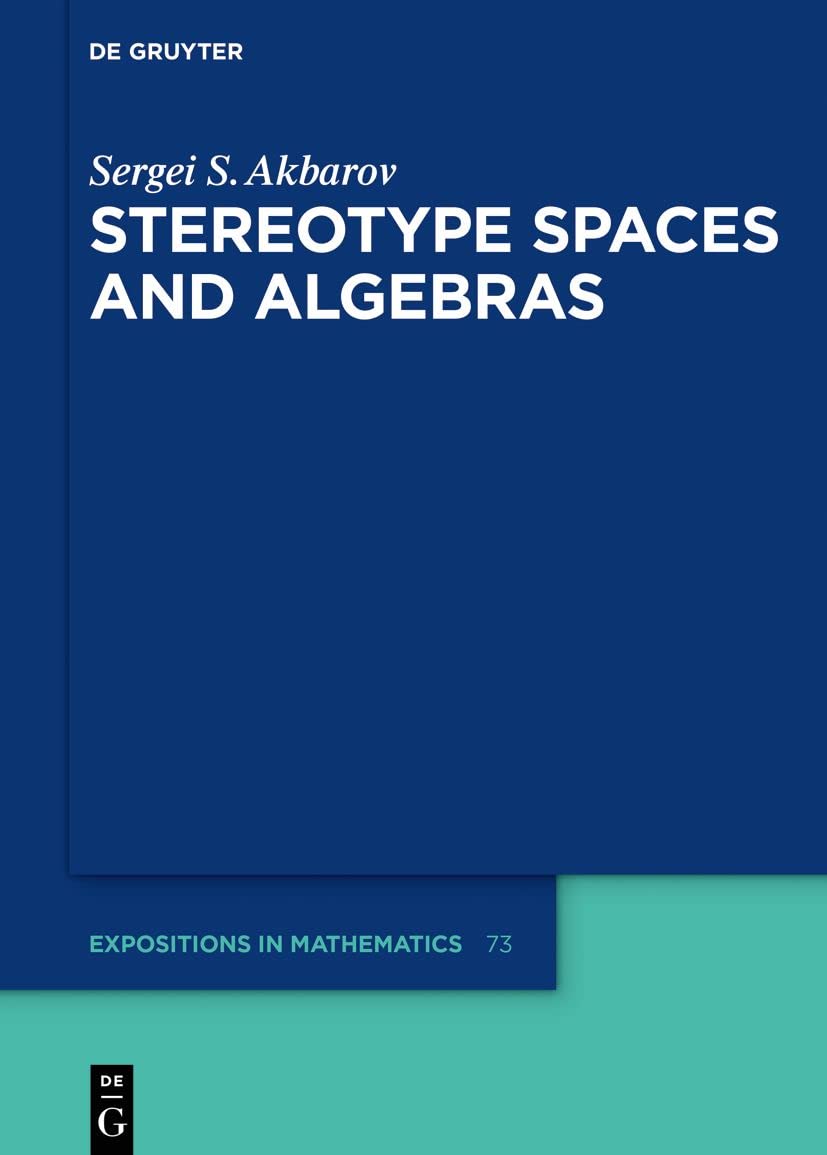
Mathematics
Stereotype Spaces and Algebras: 73 (De Gruyter Expositions in Mathematics, 73)

Mathematics
Semigroups in Algebra, Geometry and Analysis: 20 (De Gruyter Expositions in Mathematics, 20)
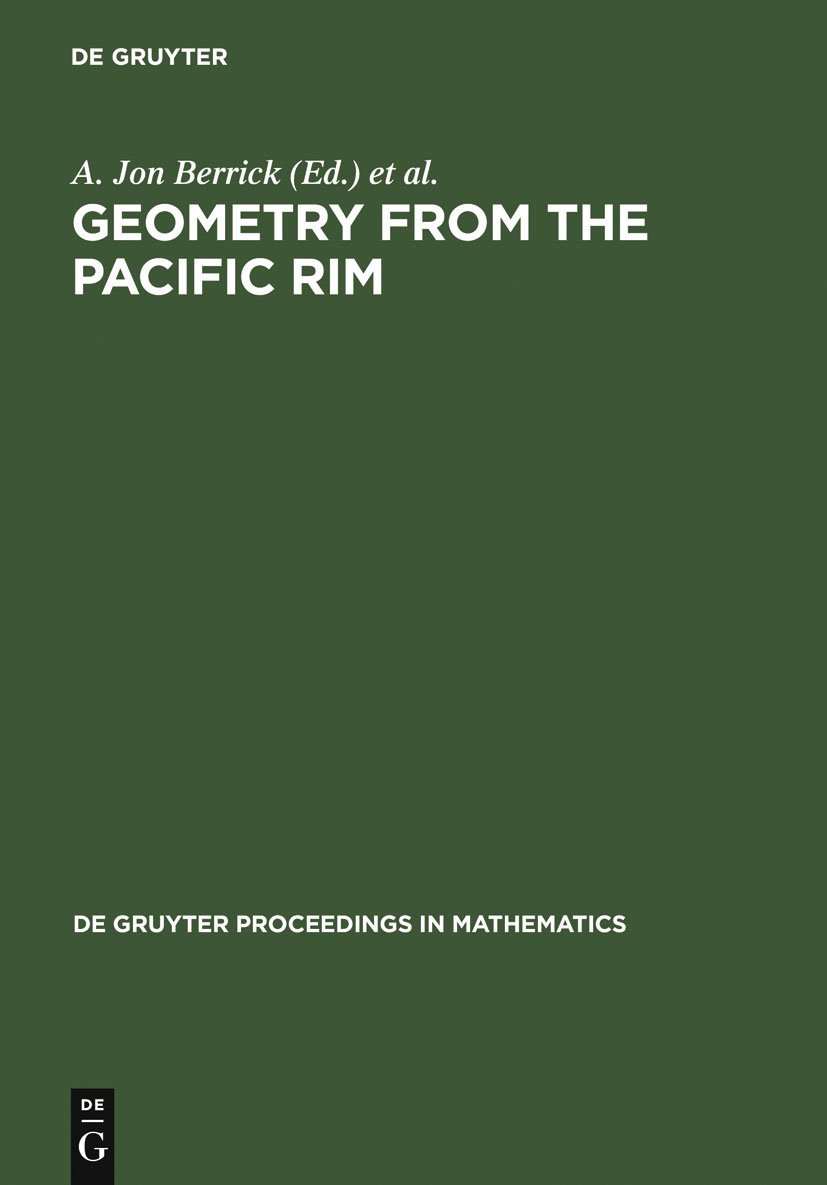
Mathematics
Geometry from the Pacific Rim: Proceedings of the Pacific Rim Geometry Conference held at National University of Singapore, Republic of Singapore, ... 1994 (De Gruyter Proceedings in Mathematics)
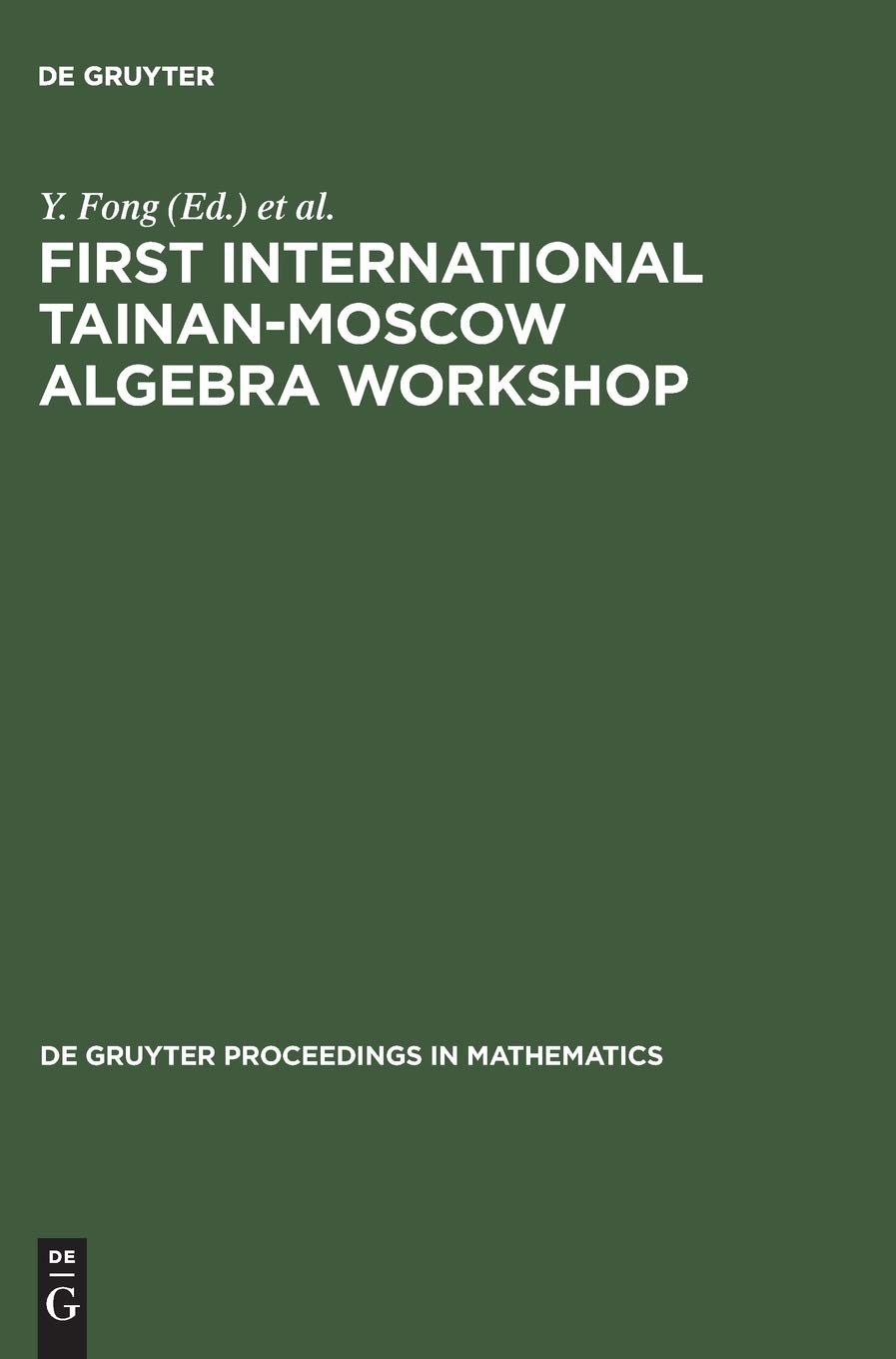
Mathematics
First International Tainan-Moscow Algebra Workshop: Proceedings of the International Conference held at National Cheng Kung University Tainan, Taiwan, ... 1994 (De Gruyter Proceedings in Mathematics)

Mathematics
Differential Geometry - Proceedings of the VIII International Colloquium (English, Jesus A. Alvarez Lopez | Eduardo Garcia-Rio)
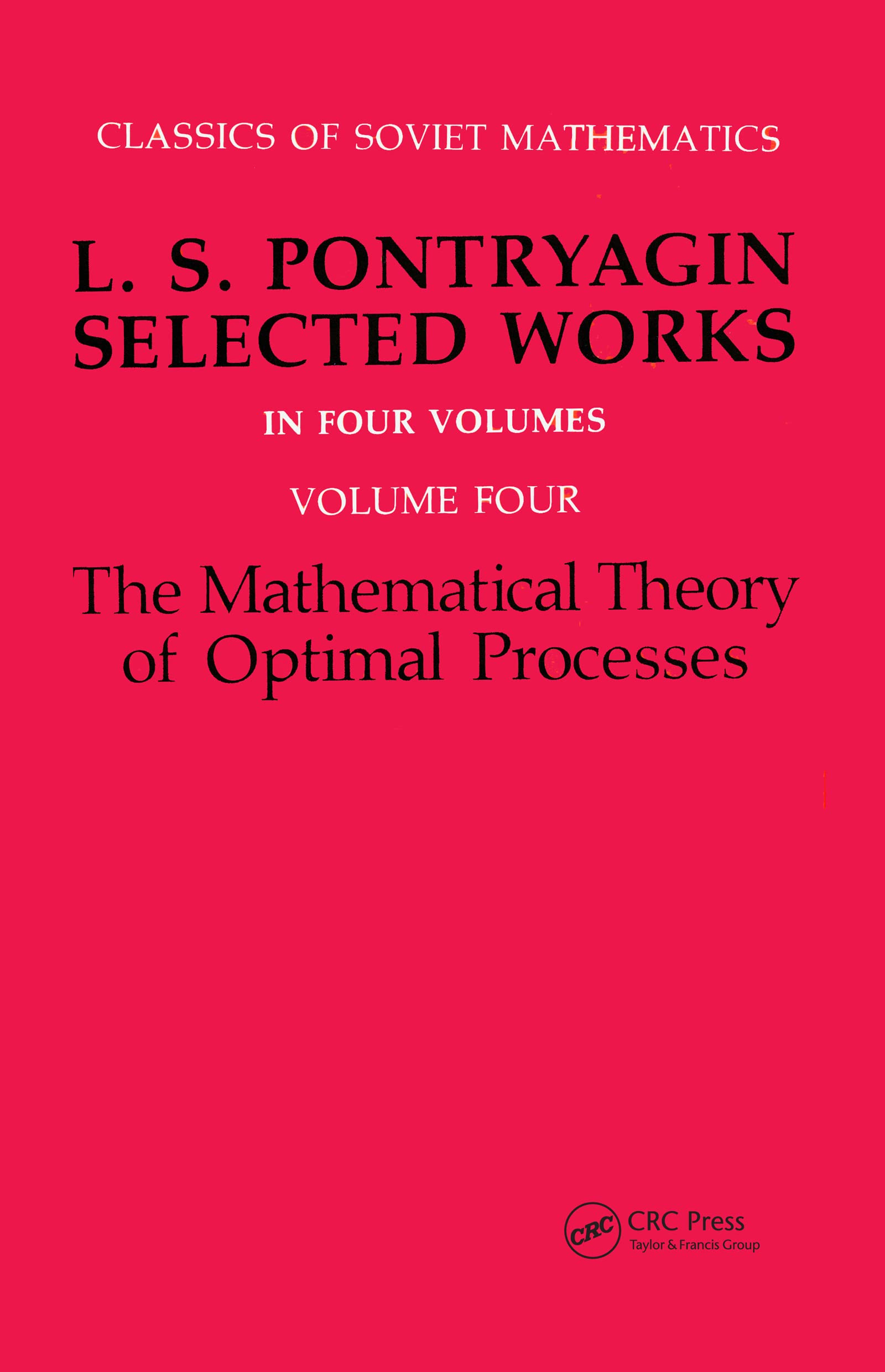
Mathematics
Mathematical Theory of Optimal Processes (Classics of Soviet Mathematics)
Related Products
View All
Science & Mathematics
Elements of Pelagos Biology: With Focus on the Mediterranean Sea
Science & Mathematics
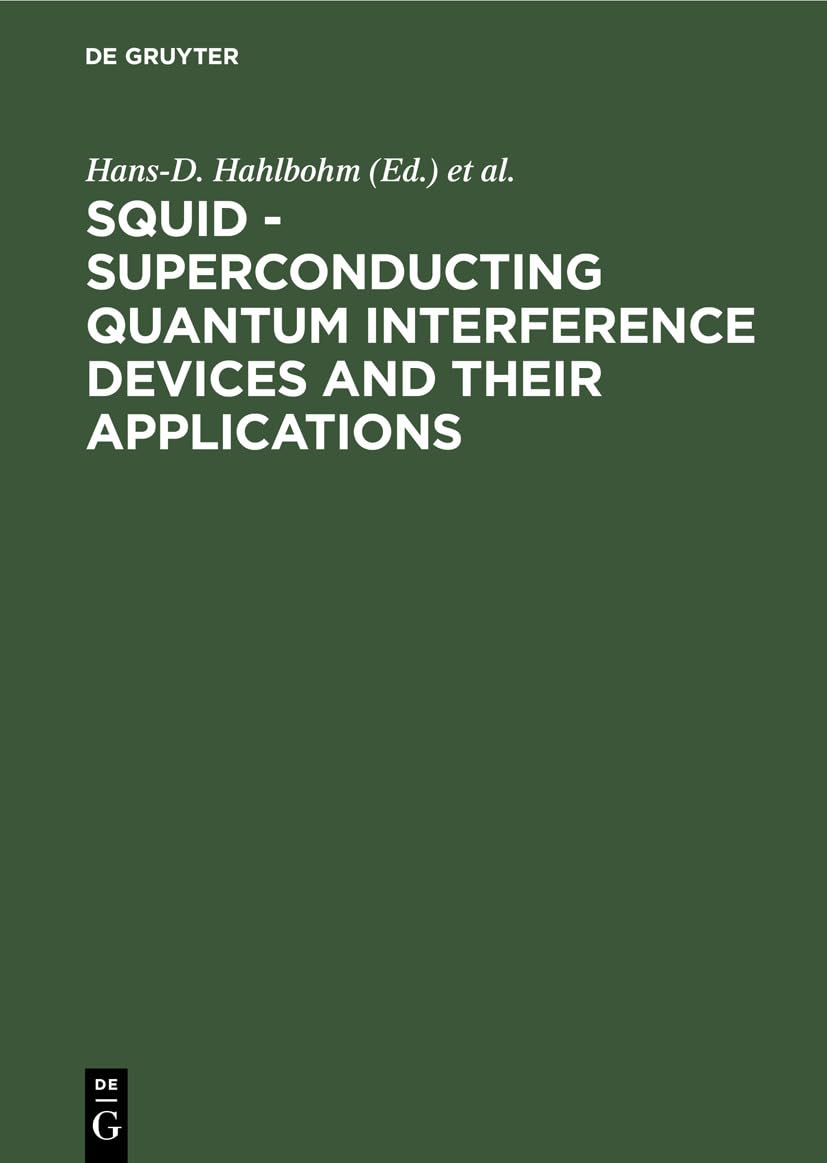
Squid - Superconducting Quantum Interference Devices and Their Applications: Proceedings of the International Conference on Superconducting Quantum Devices, Berlin-west, October 4-8, 1976

Science & Mathematics
Thermodynamics and Pattern Formation in Biology

Science & Mathematics
The Nature of Mathematics and the Mathematics of Nature by S. Andersson – Mathematics & Science

Science & Mathematics
Linear Algebra | by Stephen Friedberg | Arnold Insel | Lawrence Spence | Pearson | by Stephen Friedberg | Arnold Insel | Lawrence Spence | Pearson | by Stephen Friedberg | Arnold Insel | Lawrence Spence | Pearson | by Stephen Friedberg | Arnold Insel | Lawrence Spence | Pearson | by Stephen Friedberg | Arnold Insel | Lawrence Spence | Pearson | by Stephen Friedberg | Arnold Insel | Lawrence Spence | Pearson | by Stephen Friedberg | Arnold Insel | Lawrence Spence | Pearson | by Stephen Friedberg
Science & Mathematics