
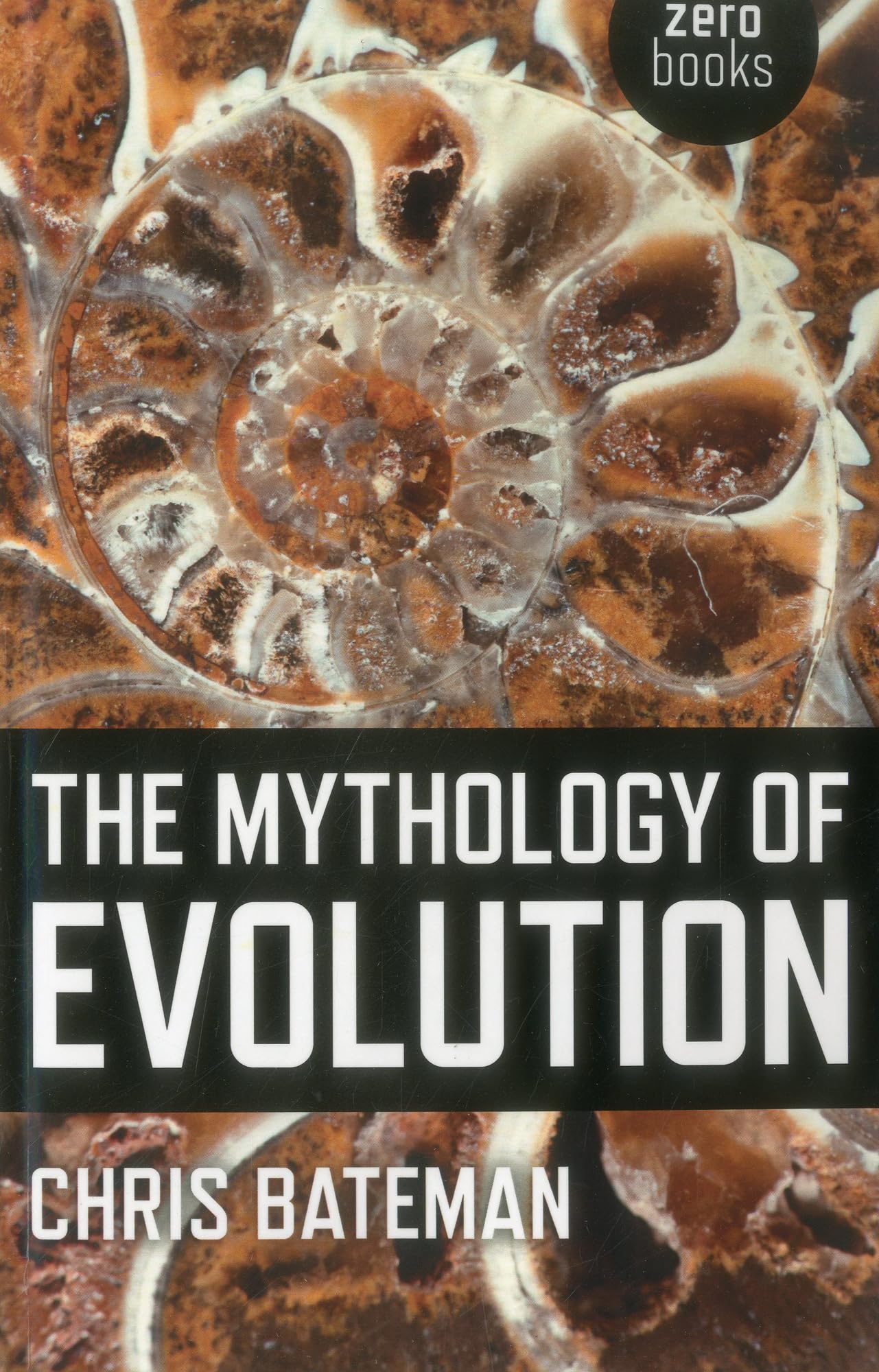
The Mythology of Evolution: Debunking Scientific Misrepresentations by Chris Bateman – A Nuanced Vision of Life, Trust,
Inclusive of all applicable taxes. FREE shipping on all orders.
Available Offers
- 🚚Free Delivery — Free shipping on all orders
- 💵Cash on Delivery — Pay when your order arrives
- ↩️15-Day Easy Returns — Hassle-free return policy
- 🔒Cash on Delivery — Pay safely when your order arrives
Check Delivery
Product Description
Introduction
In the vast and often bewildering landscape of scientific thought, few ideas have sparked as much debate and misunderstanding as the theory of evolution. While Charles Darwin’s foundational work reshaped our understanding of life on Earth, the popular narratives surrounding evolution have frequently been reduced to oversimplified slogans like 'survival of the fittest' or 'nature, red in tooth and claw.' Chris Bateman’s The Mythology of Evolution dares to challenge these entrenched myths, offering Indian readers a refreshingly nuanced perspective on how life truly unfolds. This book is not just a critique of scientific misrepresentation; it is an invitation to rediscover the cooperative, creative, and deeply interconnected processes that drive the diversity of species.
Book Overview
The Mythology of Evolution is a thought-provoking hardcover edition published by Zer0 Books that liberates the theory of evolution from the grip of misrepresentative scientific myths. Bateman argues that many popular ideas—such as the notion that evolution is solely a ruthless competition for resources—are not only inaccurate but also harmful to our understanding of biology, ethics, and human society. Instead, he presents a more nuanced vision where advantages persist through cooperation, trust proves beneficial, and the astonishing diversity of species emerges from a complex interplay of factors. Written in accessible yet rigorous prose, this book bridges the gap between academic science and everyday curiosity, making it an essential read for students, educators, and anyone who has ever wondered about the true story of life’s unfolding.
Key Highlights
- Debunks Popular Myths: Challenges the oversimplified 'survival of the fittest' narrative and reveals the cooperative foundations of evolution.
- Interdisciplinary Approach: Blends biology, philosophy, mythology, and anthropology to offer a holistic perspective on life’s development.
- Indian Context Relevance: Draws parallels with Eastern philosophies and traditional wisdom, making the science relatable to Indian readers.
- Critical Thinking Tool: Encourages readers to question scientific dogmas and develop a more sophisticated understanding of nature.
- Engaging Narrative Style: Written with clarity and wit, avoiding jargon without sacrificing depth.
Inside the Book
Inside these pages, Chris Bateman takes you on a journey through the hidden stories that shape our understanding of evolution. He examines how the metaphor of 'the selfish gene' has been misused to justify competitive individualism, and contrasts it with the biological reality of symbiosis, mutualism, and altruism. The book explores how traits that seem disadvantageous—like vulnerability or cooperation—can persist and even thrive over generations. Bateman also delves into the cultural myths we have built around evolution, from the idea of inevitable progress to the romanticization of the 'struggle for existence.' Each chapter peels back another layer of misconception, revealing a world where life is not a battlefield but a tapestry of interdependent relationships.
Key Topics
- The myth of 'survival of the fittest' and its historical origins
- Cooperation and altruism as evolutionary drivers
- The role of trust and social bonds in species diversity
- How myths—both ancient and modern—shape scientific understanding
- Evolutionary biology meets philosophy and ethics
- The problem of progress: is evolution really 'advancing'?
- Symbiosis, mutualism, and the interconnected web of life
- Critique of reductionist science and the call for a holistic view
Reader Benefits
By reading The Mythology of Evolution, you will gain a deeper, more accurate appreciation of how life on Earth actually works. This book empowers you to recognize and resist simplistic narratives that dominate popular science. It will sharpen your critical thinking skills, enabling you to evaluate scientific claims with greater discernment. For Indian students preparing for competitive exams or pursuing studies in biology, this book offers a valuable corrective to textbook oversimplifications. Additionally, the insights on cooperation and trust have practical applications in understanding human society, business, and even personal relationships. You will come away with a richer, more compassionate view of nature—and of yourself.
Learning Outcomes
- Understand the key differences between Darwin’s original theory and popular misinterpretations
- Identify common myths about evolution and explain why they are misleading
- Analyze the role of cooperation, trust, and symbiosis in evolutionary processes
- Critically evaluate scientific narratives and their cultural influences
- Apply a more nuanced understanding of evolution to real-world biological and social phenomena
- Develop a holistic perspective that integrates science with philosophy and ethics
Who Should Read
This book is ideal for Indian science students, teachers, and professors who want to go beyond textbook definitions. It is also perfect for curious readers interested in philosophy, anthropology, or the history of ideas. If you are a researcher in evolutionary biology seeking a fresh perspective, or a general reader who loves thought-provoking non-fiction, this book will captivate you. Even those who have never studied biology deeply will find Bateman’s writing accessible and rewarding. It is particularly relevant for anyone who feels that the standard story of 'nature red in tooth and claw' does not fully capture the beauty and complexity of life.
About the Author
Chris Bateman is a British philosopher, game designer, and author known for his work at the intersection of science, myth, and culture. With a background in both artificial intelligence and mythology, Bateman brings a unique interdisciplinary lens to his writing. He has authored several books, including Imaginary Games and Chaos Ethics, and his work often challenges conventional wisdom by blending rigorous analysis with creative insight. Bateman’s ability to translate complex ideas into engaging narratives has earned him a devoted readership among those who seek deeper understanding.
About the Publisher
Zer0 Books is an independent publishing house based in the United Kingdom, known for its bold and unconventional titles that explore the edges of philosophy, science, politics, and culture. With a mission to challenge orthodoxies and provoke new ways of thinking, Zer0 Books has become a trusted platform for authors who dare to question the status quo. Their catalog includes works that bridge academic disciplines and speak to a broad, intellectually curious audience—making them the perfect home for Chris Bateman’s iconoclastic vision.
Conclusion
The Mythology of Evolution is more than a book; it is a call to rethink our deepest assumptions about life. In an age where scientific literacy is more important than ever, Chris Bateman offers a timely reminder that science is not a collection of fixed dogmas but a living, evolving conversation. For Indian readers who value both intellectual rigor and humanistic wisdom, this hardcover edition from Zer0 Books is a worthy addition to any bookshelf. Whether you are a student, a teacher, or a lifelong learner, this book will transform the way you see the natural world—and your place within it.
Quick Summary
The Mythology of Evolution by Chris Bateman is a compelling critique of the scientific myths that often distort our understanding of evolutionary theory. Rather than simply explaining evolution, Bateman deconstructs popular narratives that misrepresent how natural selection, trust, and diversity actually function in nature. The book argues that advantages persist not always through competition but through cooperation and trust, and that the richness of species arises from complex, nuanced processes. Written in an engaging style, it bridges philosophy and biology, making it ideal for Indian students, educators, and curious readers who want to think critically about science. Readers will learn to question oversimplified Darwinian stories and appreciate the subtle interplay of forces that shape life. By purchasing from Bookshops.in, you support a trusted Indian bookstore that delivers authentic hardcover editions right to your doorstep, ensuring a quality reading experience.
Book Highlights
Book Specifications
| ISBN-13 | 9781780996493 |
| ISBN-10 | 1780996497 |
| Publisher | Zero Books |
| Language | English |
| Dimensions | 13.84 x 1.78 x 21.67 cm |
| Weight | 318 g |
| Category | Sciences, Technology & Medicine › Biology & Life Sciences |
| Genre | Nonfiction |
| Original Language | English |
Frequently Asked Questions
What is The Mythology of Evolution about?
Who is the author of this book?
Is this book suitable for Indian students?
Does the book support or oppose Darwin's theory?
What makes this book different from other evolution books?
Who should read this book?
Is the book technical?
Does the book cover human evolution?
What is the price in India?
Can I use this book for academic research?
Is the book part of a series?
What is the binding?
Why buy from Bookshops.in?
Readers Also Search For
Customers Also Bought

Research
Mathematical Modeling of Biological Systems, Volume I (English, Andreas Deutsch | Lutz Brusch | Helen Byrne)

Research
Intermediate Statistics (English, James P. Stevens)
Research
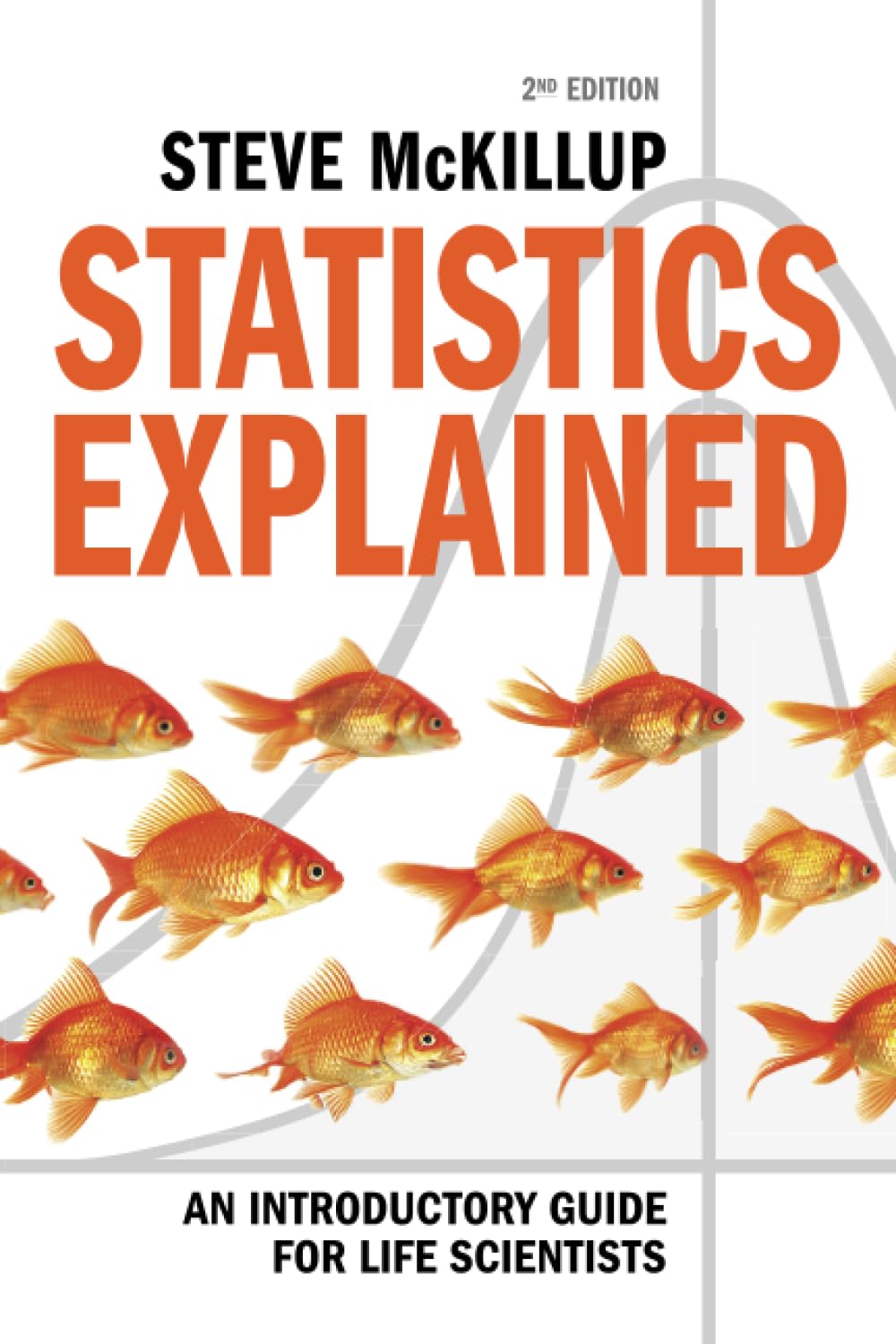
Statistics Explained by Steve McKillup – Life Science Statistics Guide

Research
Data Analysis and Graphics Using R by John Maindonald – Statistical Computing

Research
Applied Longitudinal Data Analysis (English, Judith D. Singer | John B. Willett)

Research
Bayesian Biostatistics (STATISTICS, A SERIES OF TEXTBOOKS AND MONOGRAPHS)
Related Products
View All
Sciences, Technology & Medicine
African Philosophy and the Epistemic Marginalization of Women (Routledge African Studies)
Sciences, Technology & Medicine
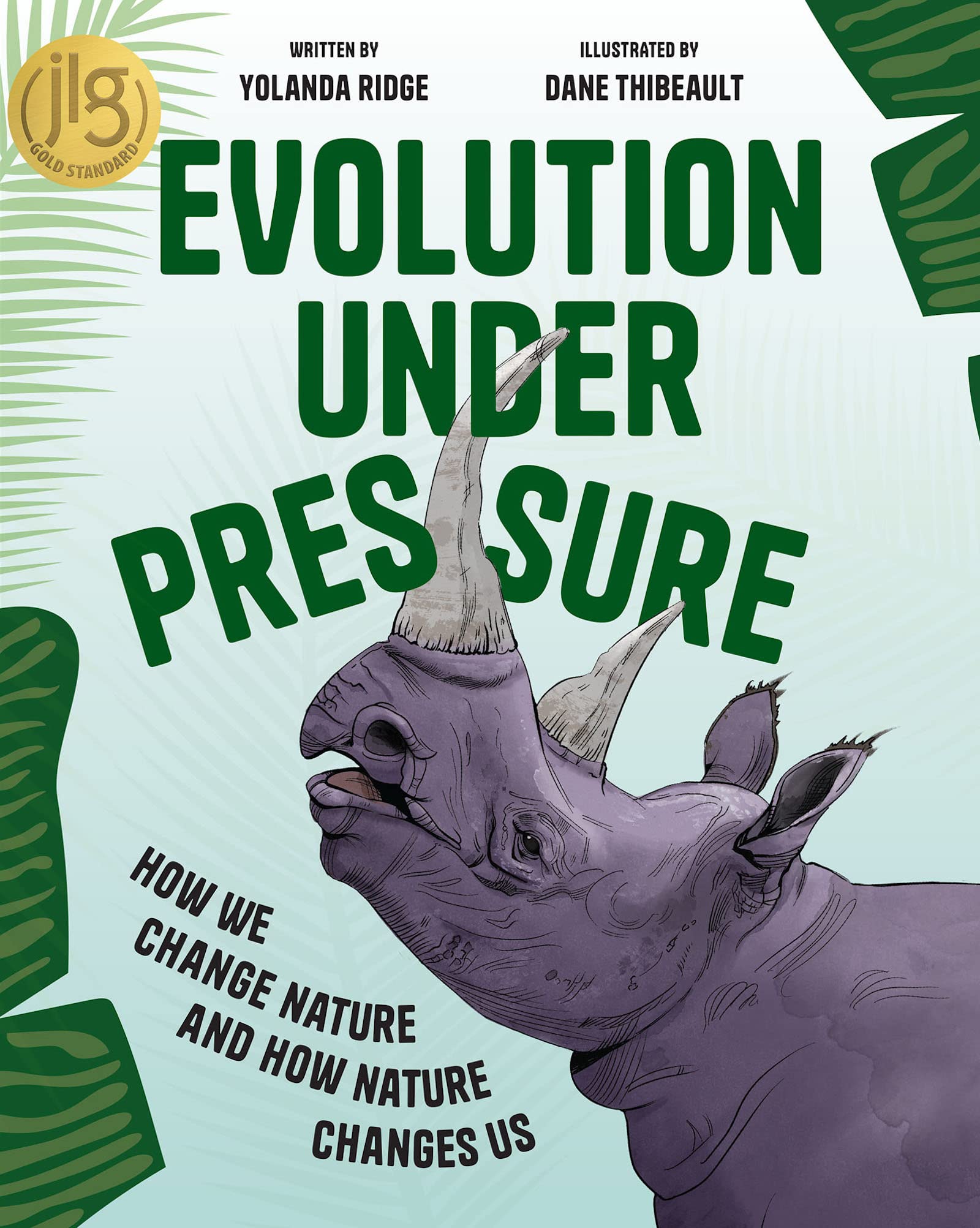
Evolution Interrupted: How We Change Nature and How Nature Changes Us
Sciences, Technology & Medicine
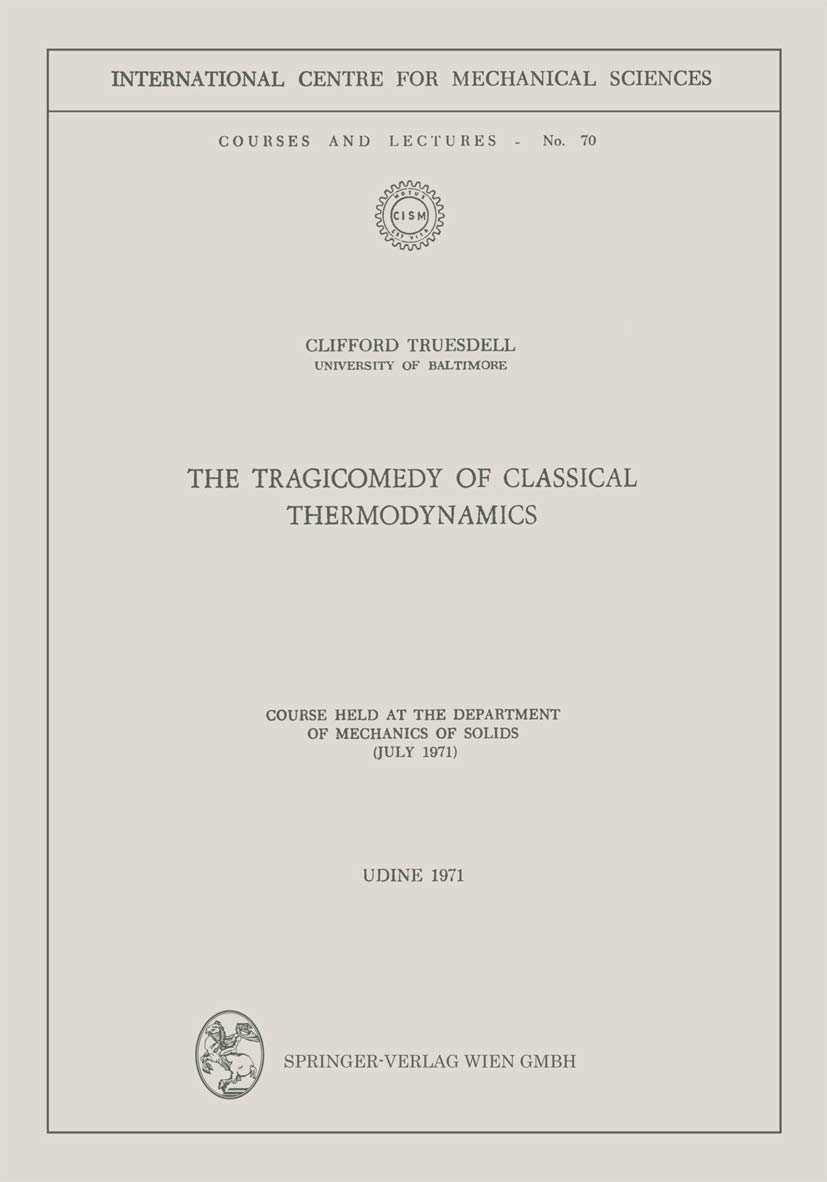
The Tragicomedy of Classical Thermodynamics: Course Held at the Department of Mechanics of Solids (July 1971): 70 (CISM International Centre for Mechanical Sciences)

Sciences, Technology & Medicine
DNA Repair Protocols: 113 (Methods in Molecular Biology)
Sciences, Technology & Medicine
Acoustic Fish Reconnaissance: 32 (Marine Science, 32)

Sciences, Technology & Medicine