
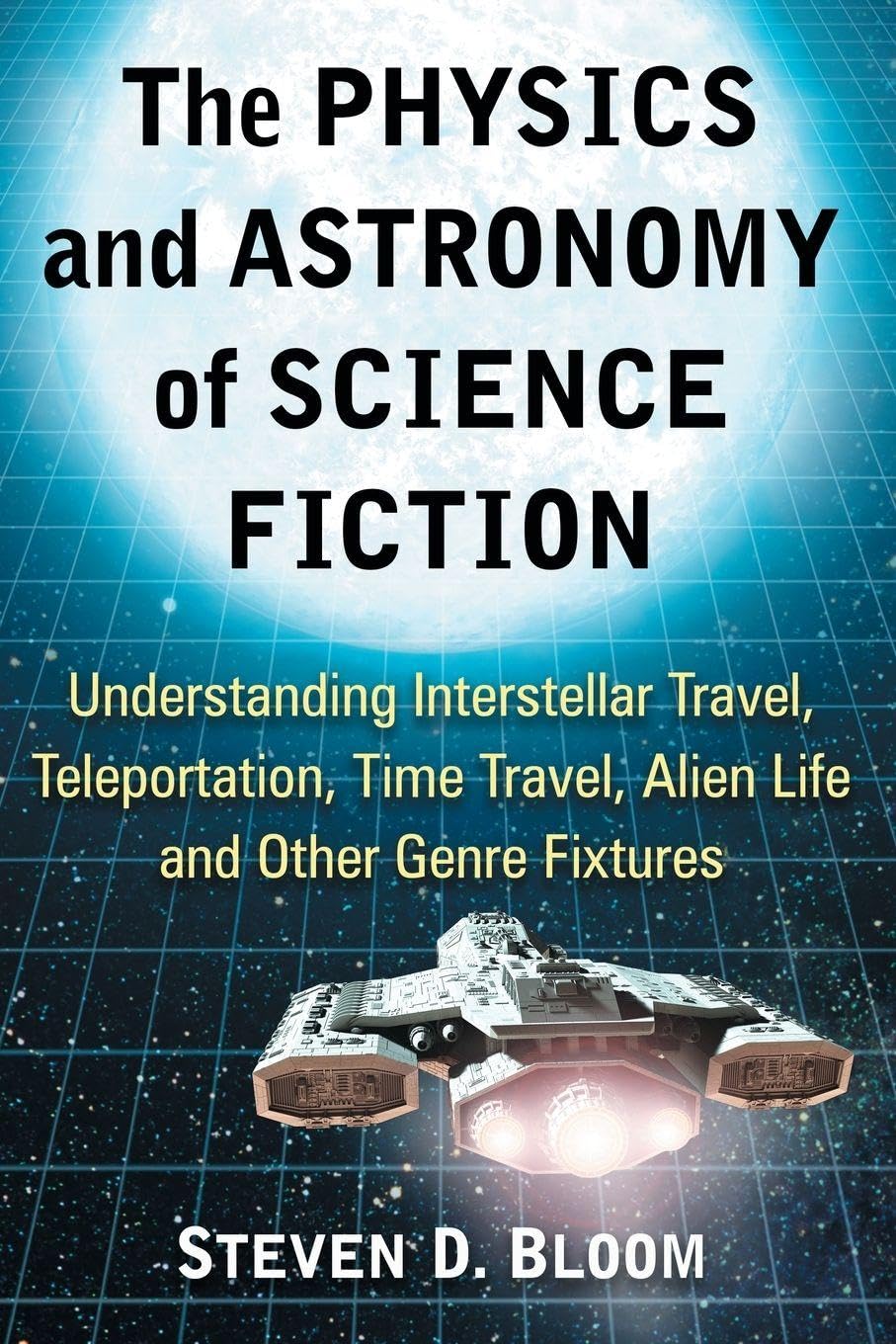
The Physics and Astronomy of Science Fiction: Understanding Interstellar Travel, Teleportation, Time Travel, Alien Life
Inclusive of all applicable taxes. FREE shipping on all orders.
Available Offers
- 🚚Free Delivery — Free shipping on all orders
- 💵Cash on Delivery — Pay when your order arrives
- ↩️15-Day Easy Returns — Hassle-free return policy
- 🔒Cash on Delivery — Pay safely when your order arrives
Check Delivery
Product Description
Introduction
Science fiction has always captured our imagination with visions of interstellar travel, time loops, and alien civilizations. But how much of that fiction is rooted in real science? The Physics and Astronomy of Science Fiction by Steven D. Bloom offers a fascinating bridge between the fantastical worlds of sci-fi and the rigorous principles of physics and astronomy. This hardcover edition, published by McFarland & Company, is a must-have for Indian readers who love both science and storytelling.
Book Overview
This book takes you on a journey through the scientific foundations behind iconic science fiction works—from classic novels by Isaac Asimov and Stephen Baxter to beloved TV series like Lost in Space and Fringe. Bloom examines the accuracy and plausibility of concepts such as faster-than-light travel, teleportation, time travel, alien life, and more. It is not just a critique; it is an exploration of how real-world physics inspires the genre and where fiction takes creative liberties.
Key Highlights
- Comprehensive analysis of over 50 sci-fi films, TV shows, and books
- Clear explanations of complex topics like string theory and the multiverse
- Focus on both hard science and creative speculation
- Ideal for students, educators, and sci-fi enthusiasts in India
- Hardcover edition for lasting reference
Inside the Book
The book is structured to guide readers from the basics of space travel to the most mind-bending concepts. Each chapter tackles a specific sci-fi trope, such as force fields, superhuman powers, or asteroid impacts, and breaks down the real science behind it. Bloom uses accessible language, making it easy for non-experts to follow along. Diagrams and references to popular works keep the content engaging.
Key Topics
- Solar system, interstellar, and faster-than-light travel
- Teleportation and replication technologies
- Time travel and alternate universes
- Dark matter, antimatter, and the multiverse
- Extraterrestrial life and intelligent planets
- Weaponry, force fields, and space colonies
- Emotional robots and super-human abilities
- Parapsychological powers and subatomic life
Reader Benefits
Indian readers, especially students preparing for competitive exams or those with a passion for astronomy, will find this book a treasure trove of knowledge. It demystifies scientific concepts while celebrating the creativity of science fiction. Whether you are a casual fan or a serious student, you will gain a deeper appreciation for the science that shapes our favourite stories.
Learning Outcomes
By reading this book, you will learn to distinguish between scientifically plausible ideas and pure fantasy. You will understand the principles of relativity, quantum mechanics, and cosmology as they apply to popular narratives. The book also sharpens critical thinking, encouraging you to question and explore the science behind every plot twist.
Who Should Read
- Students of physics, astronomy, and science communication
- Teachers looking for engaging classroom material
- Sci-fi fans who want to understand the science behind the fiction
- Writers and creators seeking accurate scientific grounding
- Anyone curious about the universe and our place in it
About the Author
Steven D. Bloom is a physicist and educator with years of experience making complex topics accessible. His passion for both science and science fiction shines through in this meticulously researched book. Bloom has a knack for connecting abstract theories to the stories we love, making him the perfect guide for this intellectual adventure.
About the Publisher
McFarland & Company is a respected independent publisher known for its scholarly yet approachable books on popular culture, science, and history. Their commitment to quality ensures that this hardcover edition is built to last, with clear print and durable binding—ideal for Indian libraries and personal collections.
Conclusion
The Physics and Astronomy of Science Fiction is more than a book; it is a gateway to understanding the cosmos through the lens of imagination. Whether you dream of travelling to distant stars or simply want to know if time travel is possible, Steven D. Bloom’s work will enlighten and entertain. Add this hardcover gem to your shelf today and explore the universe like never before.
Quick Summary
The Physics and Astronomy of Science Fiction by Steven D. Bloom is a captivating exploration of the scientific principles underlying the most iconic themes in science fiction. From interstellar travel and teleportation to time travel and alien life, Bloom meticulously examines the accuracy and plausibility of these concepts using real physics and astronomy. The book references a wide range of sci-fi media, including classic novels by Isaac Asimov and Stephen Baxter, as well as television series like Lost in Space and Fringe. Ideal for Indian students, educators, and sci-fi enthusiasts, this hardcover volume bridges the gap between imagination and reality. Readers will gain a deeper appreciation for how theoretical physics—such as string theory, the multiverse, and dark matter—informs the stories we love. By purchasing from Bookshops.in, you support a premium Indian bookstore committed to quality and timely delivery. Whether you are a curious learner or a dedicated fan, this book offers a unique, educational journey through the cosmos of science fiction.
Book Highlights
Book Specifications
| ISBN-13 | 9780786470532 |
| ISBN-10 | 0786470534 |
| Publisher | McFarland & Co Inc |
| Language | English |
| Dimensions | 15.24 x 1.24 x 22.86 cm |
| Weight | 340 g |
| Country | India |
| Category | Performing Arts › Film & Television |
| Genre | Science & Mathematics |
| Original Language | English |
Frequently Asked Questions
What is this book about?
Who is the author?
Is this book suitable for Indian students?
Does it cover movies and TV shows?
What topics are covered?
Is this a hardcover book?
Does it include Indian sci-fi?
Can I use this for academic research?
Is it available in India?
What is the price?
Does it cover faster-than-light travel?
Is this book for beginners?
What makes this book unique?
Readers Also Search For
Customers Also Bought
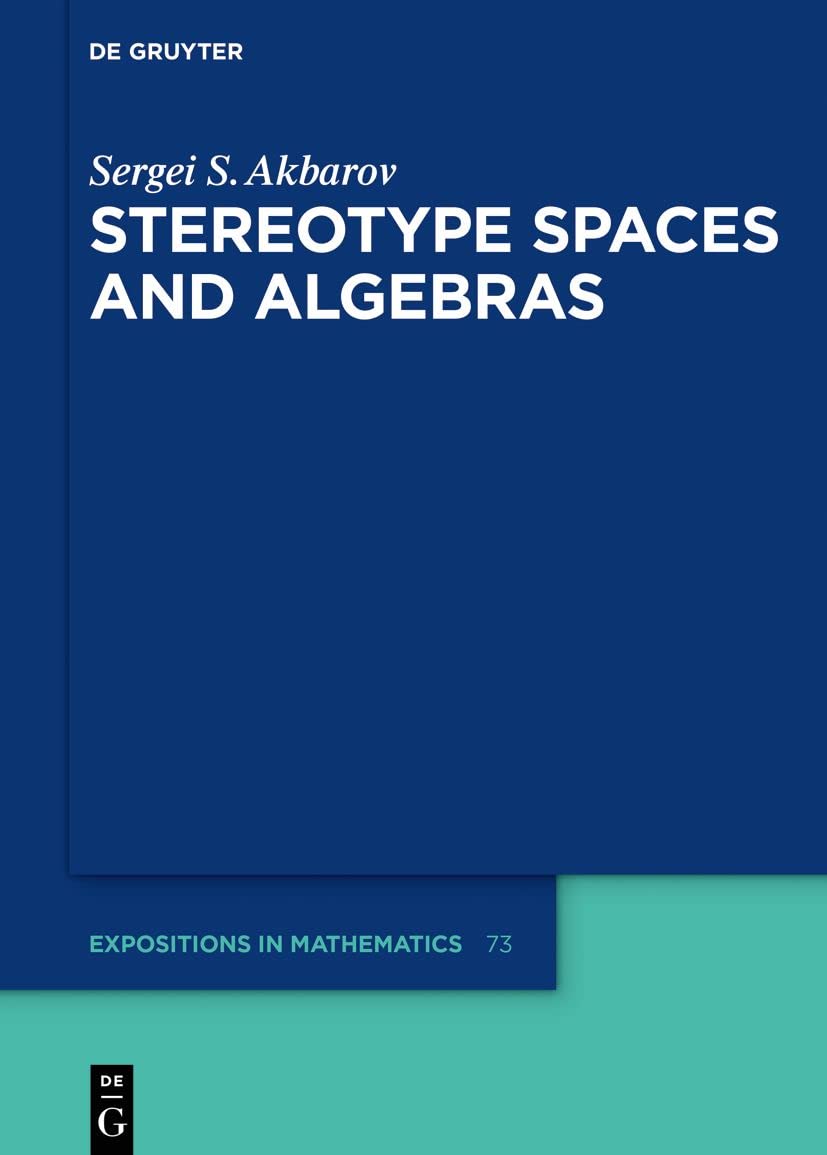
Mathematics
Stereotype Spaces and Algebras: 73 (De Gruyter Expositions in Mathematics, 73)

Mathematics
Semigroups in Algebra, Geometry and Analysis: 20 (De Gruyter Expositions in Mathematics, 20)

Mathematics
Geometry from the Pacific Rim: Proceedings of the Pacific Rim Geometry Conference held at National University of Singapore, Republic of Singapore, ... 1994 (De Gruyter Proceedings in Mathematics)

Mathematics
First International Tainan-Moscow Algebra Workshop: Proceedings of the International Conference held at National Cheng Kung University Tainan, Taiwan, ... 1994 (De Gruyter Proceedings in Mathematics)
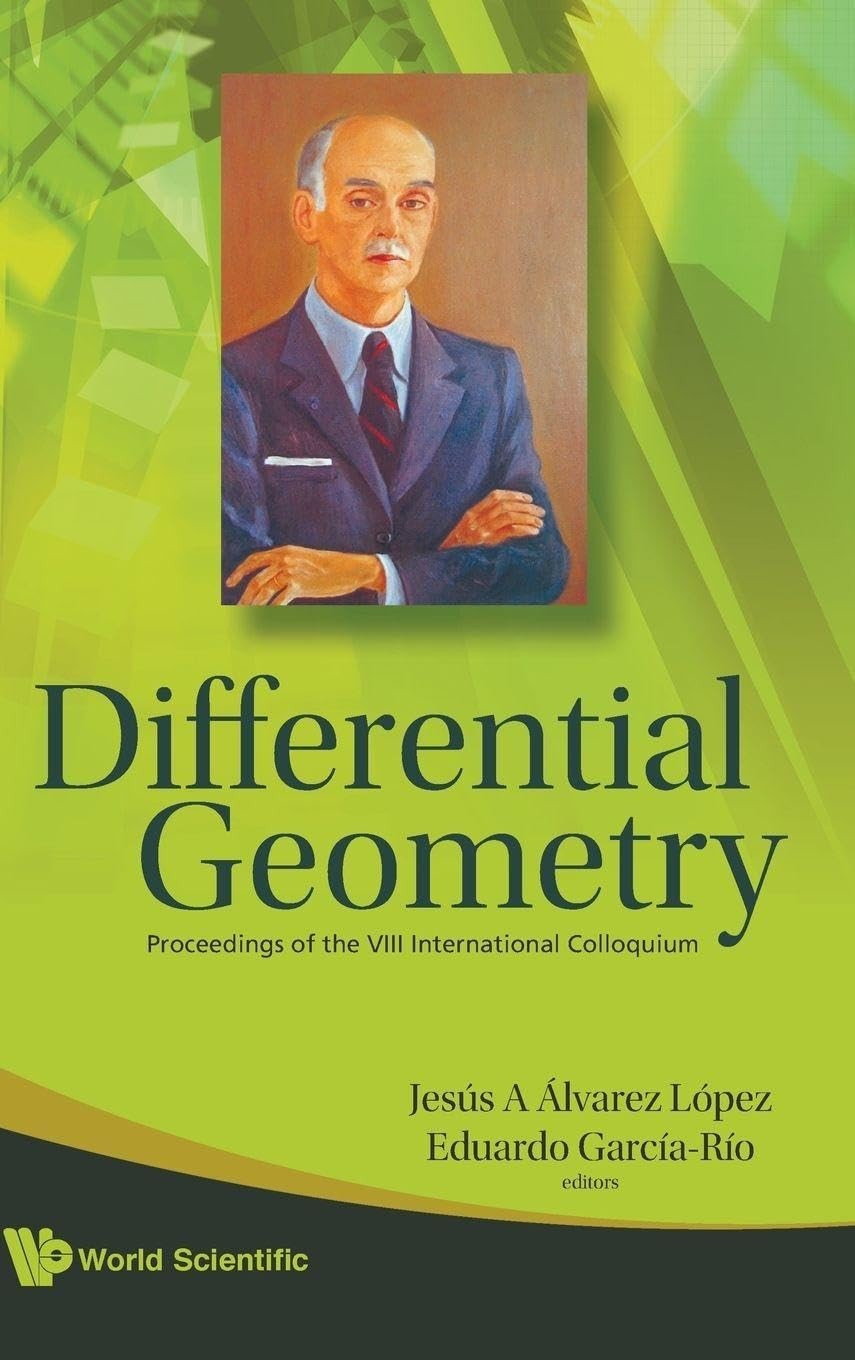
Mathematics
Differential Geometry - Proceedings of the VIII International Colloquium (English, Jesus A. Alvarez Lopez | Eduardo Garcia-Rio)
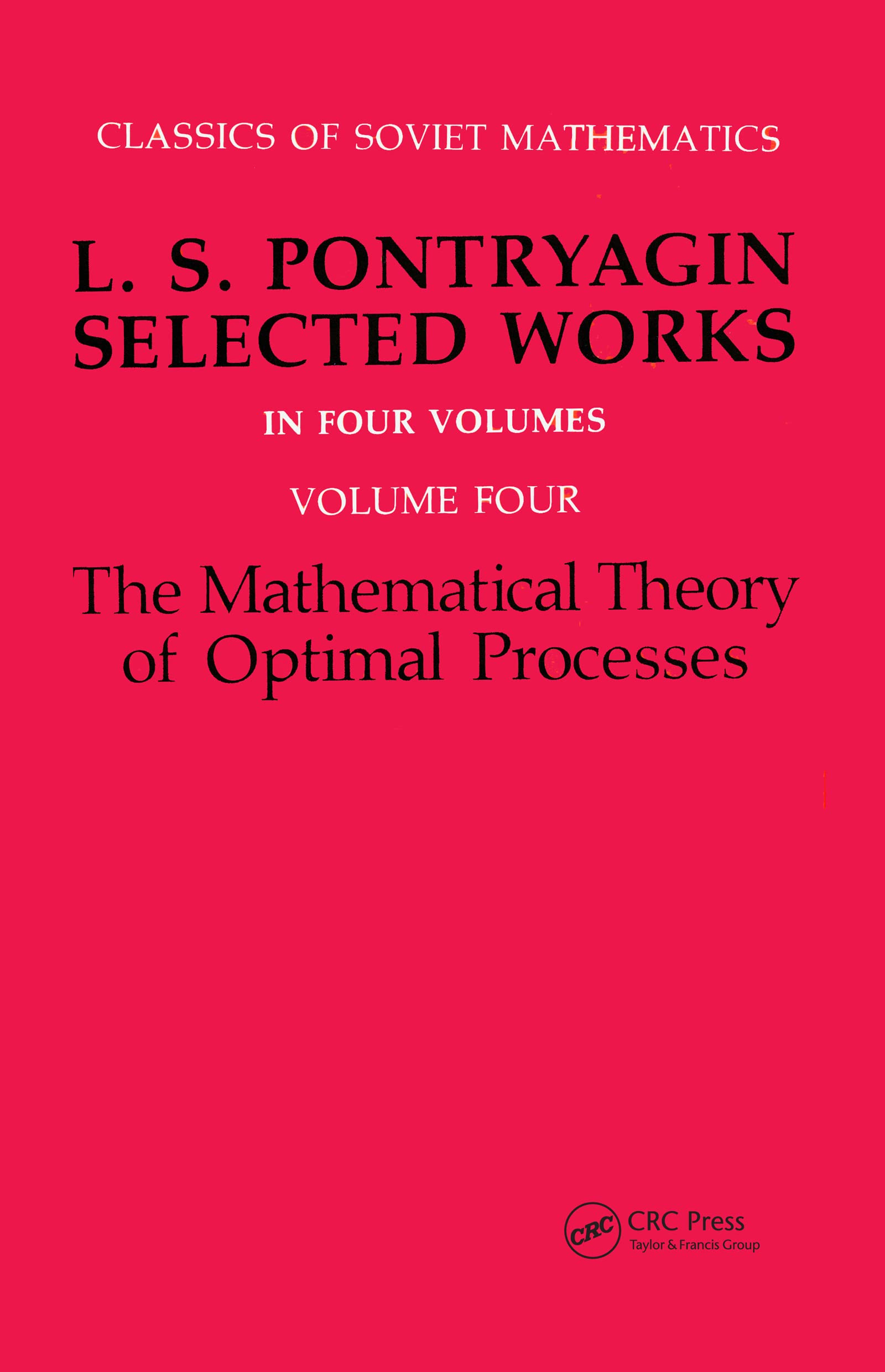
Mathematics
Mathematical Theory of Optimal Processes (Classics of Soviet Mathematics)
Related Products
View All
Science & Mathematics
Elements of Pelagos Biology: With Focus on the Mediterranean Sea
Science & Mathematics
Squid - Superconducting Quantum Interference Devices and Their Applications: Proceedings of the International Conference on Superconducting Quantum Devices, Berlin-west, October 4-8, 1976

Science & Mathematics
Thermodynamics and Pattern Formation in Biology
Science & Mathematics
The Nature of Mathematics and the Mathematics of Nature by S. Andersson – Mathematics & Science

Science & Mathematics
Linear Algebra | by Stephen Friedberg | Arnold Insel | Lawrence Spence | Pearson | by Stephen Friedberg | Arnold Insel | Lawrence Spence | Pearson | by Stephen Friedberg | Arnold Insel | Lawrence Spence | Pearson | by Stephen Friedberg | Arnold Insel | Lawrence Spence | Pearson | by Stephen Friedberg | Arnold Insel | Lawrence Spence | Pearson | by Stephen Friedberg | Arnold Insel | Lawrence Spence | Pearson | by Stephen Friedberg | Arnold Insel | Lawrence Spence | Pearson | by Stephen Friedberg

Science & Mathematics