
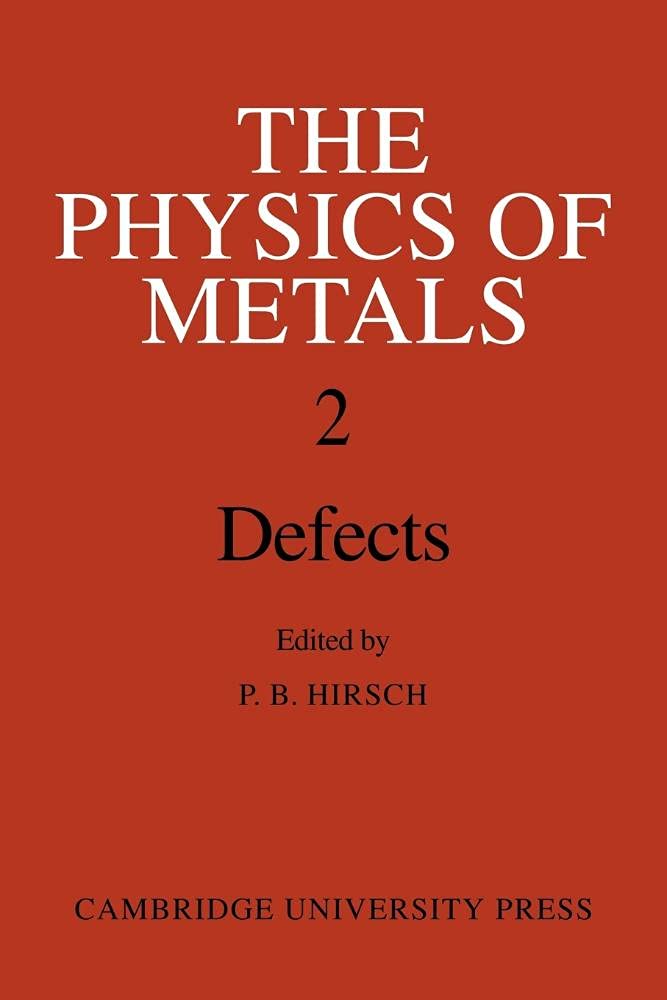
The Physics of Metals: Defects by P. B. Hirsch – An Advanced Treatise on Defects in Metals for Solid State Physicists an
Inclusive of all applicable taxes. FREE shipping on all orders.
Available Offers
- 🚚Free Delivery — Free shipping on all orders
- 💵Cash on Delivery — Pay when your order arrives
- ↩️15-Day Easy Returns — Hassle-free return policy
- 🔒Cash on Delivery — Pay safely when your order arrives
Check Delivery
Product Description
Introduction
The Physics of Metals: Volume 2, Defects is a definitive reference work that delves deep into the crystalline imperfections that govern the mechanical, electrical, and thermal behaviour of metallic materials. Authored by the distinguished physicist P. B. Hirsch and published by Cambridge University Press, this hardbound volume is part of a celebrated series that pays tribute to Sir Nevill Mott’s pioneering contributions to solid-state physics. For Indian students, researchers, and professionals in metallurgy, materials science, and condensed matter physics, this book offers a rigorous yet accessible exploration of dislocations, point defects, grain boundaries, and their influence on metal properties—without overwhelming mathematical complexity.
Book Overview
This advanced treatise presents a comprehensive account of the physical phenomena associated with defects in metals. Written by a team of international experts under the editorship of P. B. Hirsch, the book bridges experimental observations and theoretical frameworks, making it an indispensable resource for understanding how imperfections shape the behaviour of metals. Volume 2 focuses specifically on defects, covering topics such as the geometry of dislocations, plasticity, work hardening, radiation damage, and diffusion. The text is enriched with clear diagrams, illustrative examples, and references to classic and contemporary research, ensuring that readers gain a solid grasp of the subject’s fundamentals and frontiers.
Key Highlights
- Authoritative Content: Edited by P. B. Hirsch, a world-renowned authority on electron microscopy and crystal defects, with contributions from leading scientists.
- Comprehensive Coverage: Explores point defects, line defects (dislocations), planar defects, and volume defects in metals, along with their interactions and effects.
- Minimal Mathematics: Focuses on physical understanding rather than heavy formalism, making it accessible to experimentalists and theorists alike.
- Classic and Modern Perspectives: Builds on the legacy of Mott and Jones while incorporating advances up to the time of publication.
- Indian Context: Relevant for IITs, NITs, IISc, and university curricula in metallurgy, materials science, and physics.
Inside the Book
The volume is structured into carefully curated chapters, each dedicated to a specific type of defect or phenomenon. Early chapters introduce the geometry and energy of dislocations, followed by detailed discussions on slip, twinning, and work hardening. Later sections cover the role of vacancies and interstitials in diffusion and mechanical properties, as well as the behaviour of grain boundaries and interfaces. The book also examines radiation damage—a topic of great importance in nuclear materials—and concludes with selected applications in alloy design and strengthening mechanisms. Numerous line drawings, micrographs, and tables support the text, while end-of-chapter references guide further reading.
Key Topics
- Geometrical and energetic aspects of dislocations
- Plastic deformation and work hardening in single crystals and polycrystals
- Point defects: vacancies, interstitials, and their clusters
- Grain boundaries, subgrain boundaries, and stacking faults
- Radiation damage and its effects on metal properties
- Diffusion mechanisms in defective metals
- Strengthening mechanisms: precipitation, dispersion, and solid-solution hardening
Reader Benefits
By studying this book, readers will develop a deep, intuitive understanding of how defects control the macroscopic behaviour of metals. They will be able to interpret experimental data on mechanical testing, microscopy, and electrical measurements. The book equips students and professionals with the conceptual tools needed to design alloys with tailored properties, troubleshoot material failures, and advance research in areas such as nanotechnology, aerospace alloys, and nuclear engineering. The clear explanations and logical progression also make it an excellent self-study resource for competitive exams like GATE, CSIR-NET, and IIT-JAM in physics and materials science.
Learning Outcomes
- Identify and classify different types of crystal defects in metals
- Explain the relationship between defect structure and mechanical properties such as yield strength, ductility, and toughness
- Analyze the role of dislocations in plastic flow and work hardening
- Understand the mechanisms of diffusion and phase transformations mediated by point defects
- Apply concepts of defect physics to real-world problems in metallurgy and materials engineering
Who Should Read
This book is ideal for postgraduate students and researchers in solid-state physics, metallurgical engineering, and materials science. It is also highly recommended for undergraduate students in their final years who wish to specialize in physical metallurgy or condensed matter physics. Practising engineers and scientists in Indian industries such as steel, aerospace, automotive, and defence will find it a valuable reference for understanding material behaviour and failure analysis. Academic libraries and departmental collections in Indian universities will benefit from adding this classic volume to their shelves.
About the Author
P. B. Hirsch is a British physicist and a pioneer in the application of electron microscopy to the study of crystal defects. He was a professor at the University of Oxford and is best known for his work on dislocation theory and the development of transmission electron microscopy techniques for thin foils. His contributions have earned him numerous honours, including election as a Fellow of the Royal Society. Hirsch’s editorial leadership ensures that this volume maintains the highest standards of clarity, accuracy, and scientific rigour.
About the Publisher
Cambridge University Press is one of the world’s oldest and most prestigious academic publishers. With a history spanning over four centuries, Cambridge University Press is renowned for its authoritative textbooks, monographs, and reference works in science, technology, and humanities. Their commitment to quality and scholarship makes this edition a trusted resource for serious students and researchers in India and around the globe.
Conclusion
The Physics of Metals: Volume 2, Defects remains an essential cornerstone for anyone seeking a profound understanding of metallic materials. Its blend of physical insight, experimental grounding, and theoretical clarity makes it a timeless addition to the library of every serious physicist, metallurgist, or materials scientist. Whether you are preparing for advanced research, teaching a course, or solving practical engineering challenges, this book will serve as a reliable companion on your journey into the world of defects in metals.
Quick Summary
The Physics of Metals: Volume 2, Defects by P. B. Hirsch is an advanced treatise that delves into the intricate world of defects within metallic crystals. Designed for solid state physicists and metallurgists, the book offers a comprehensive yet accessible account of dislocations, point defects, stacking faults, and grain boundaries, explaining how these imperfections govern the physical and mechanical properties of metals. The work is part of a series inspired by the pioneering research of Sir Nevill Mott, and it avoids heavy mathematical formalism, making it suitable for both experimentalists and theorists. Readers will gain a deep understanding of defect structures, their formation, and their influence on phenomena such as plasticity, diffusion, and radiation damage. Published by Cambridge University Press, this hardcover edition is a durable resource for graduate students, researchers, and professionals. By purchasing from Bookshops.in, Indian readers receive a genuine imported edition with reliable delivery and customer support, ensuring a valuable addition to their academic library.
Book Highlights
Book Specifications
| ISBN-13 | 9780521113106 |
| ISBN-10 | 0521113105 |
| Publisher | Cambridge University Press |
| Language | English |
| Dimensions | 15.24 x 2.06 x 22.86 cm |
| Weight | 480 g |
| Country | India |
| Category | Mechanical Engineering › Material Science & Engineering |
| Series | The Physics of Metals |
| Genre | Non-fiction |
| Original Language | English |
Frequently Asked Questions
What is the main focus of The Physics of Metals: Volume 2, Defects?
Who is the author of this book?
Do I need advanced mathematics to understand this book?
Is this book part of a series?
Who is Sir Nevill Mott and why is this book dedicated to him?
What kind of defects are covered in the book?
Is this book suitable for Indian students?
Can I use this book for research on metal alloys?
Does the book include experimental techniques?
What is the ISBN of this book?
Is this book available in paperback?
What is the price of this book?
Does the book connect to Mott and Jones' classic work?
Readers Also Search For
Customers Also Bought
Mathematics
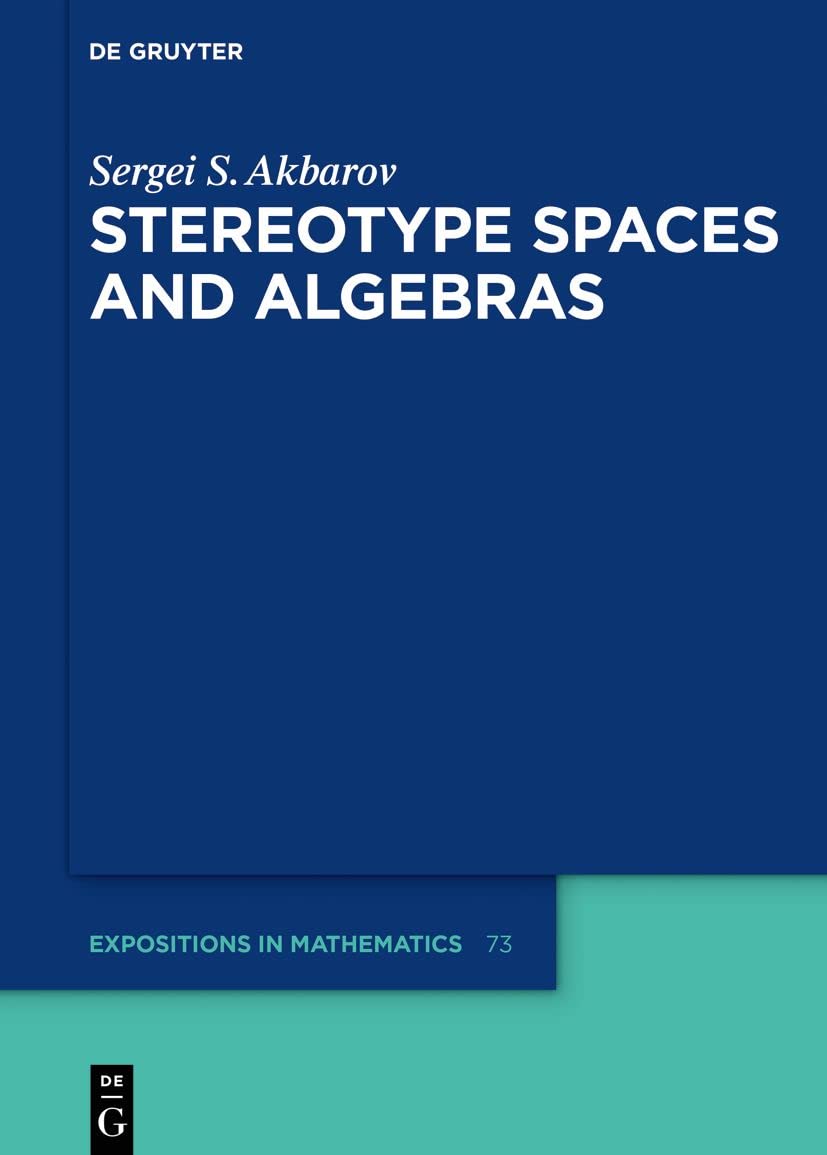
Stereotype Spaces and Algebras: 73 (De Gruyter Expositions in Mathematics, 73)
Mathematics
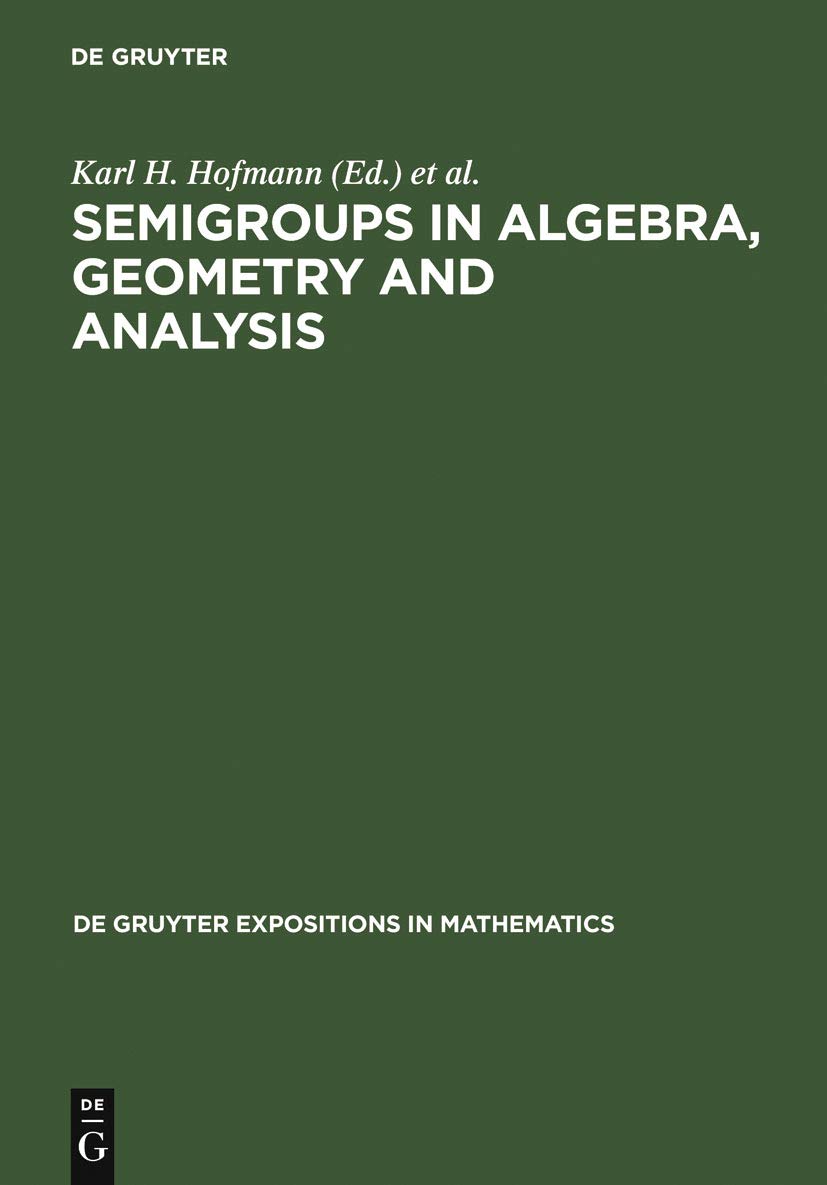
Semigroups in Algebra, Geometry and Analysis: 20 (De Gruyter Expositions in Mathematics, 20)
Mathematics
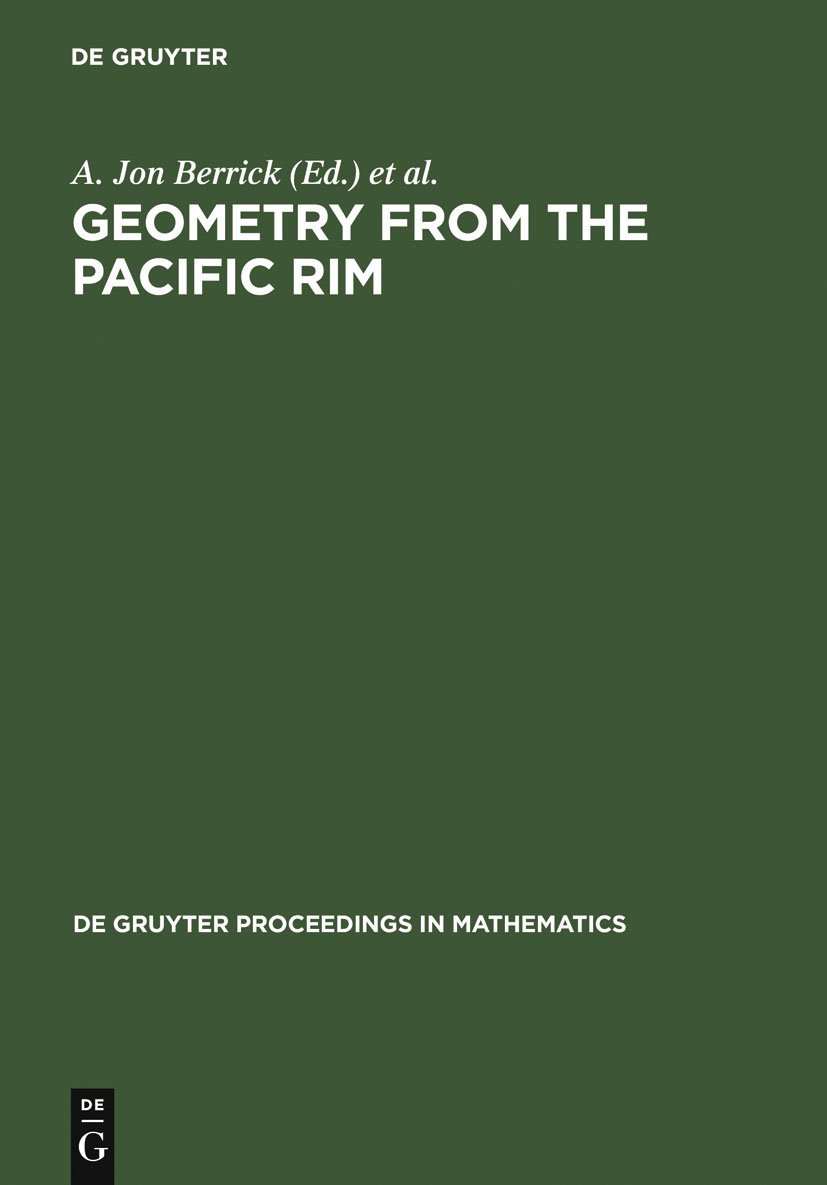
Geometry from the Pacific Rim: Proceedings of the Pacific Rim Geometry Conference held at National University of Singapore, Republic of Singapore, ... 1994 (De Gruyter Proceedings in Mathematics)
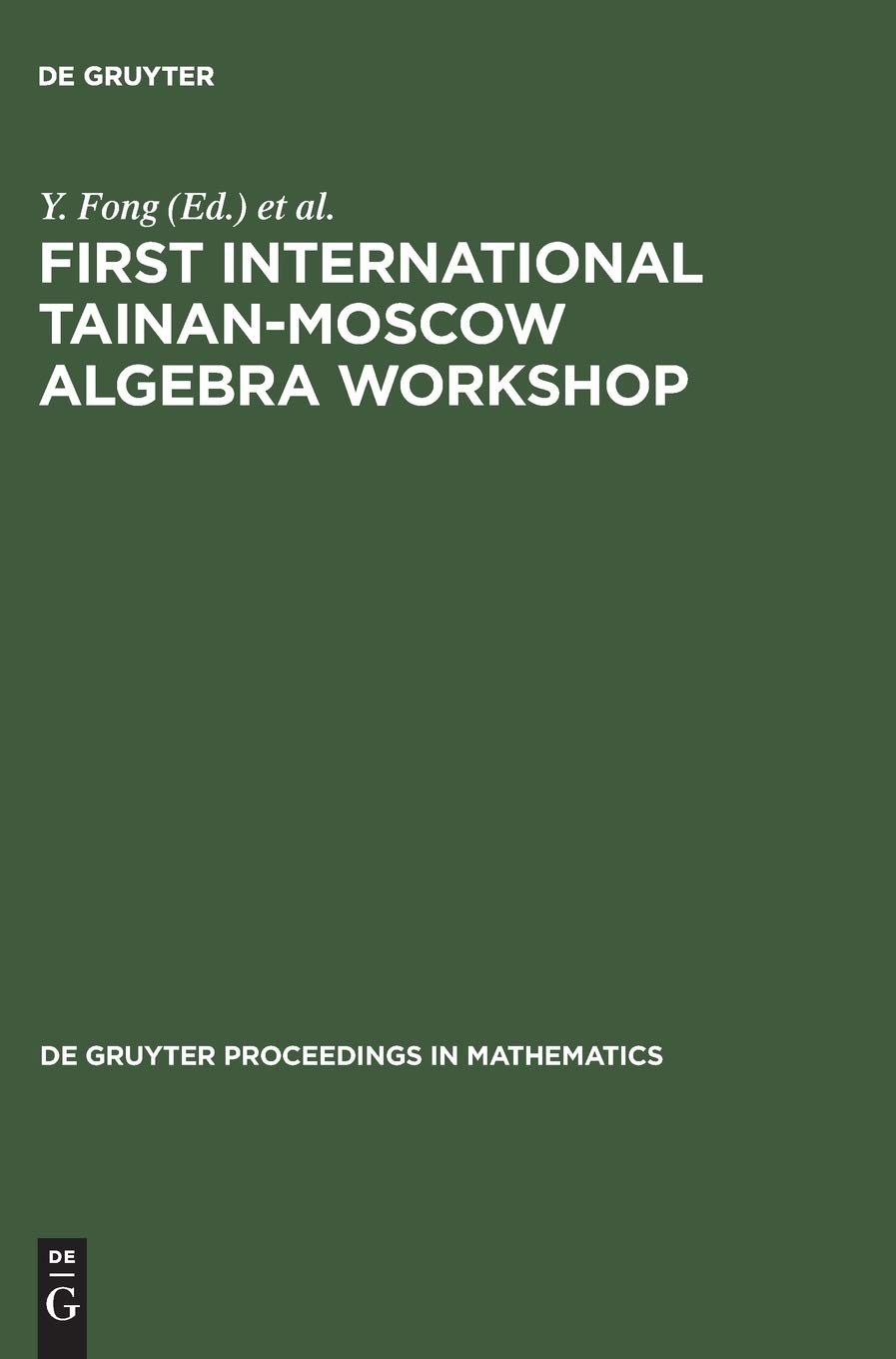
Mathematics
First International Tainan-Moscow Algebra Workshop: Proceedings of the International Conference held at National Cheng Kung University Tainan, Taiwan, ... 1994 (De Gruyter Proceedings in Mathematics)
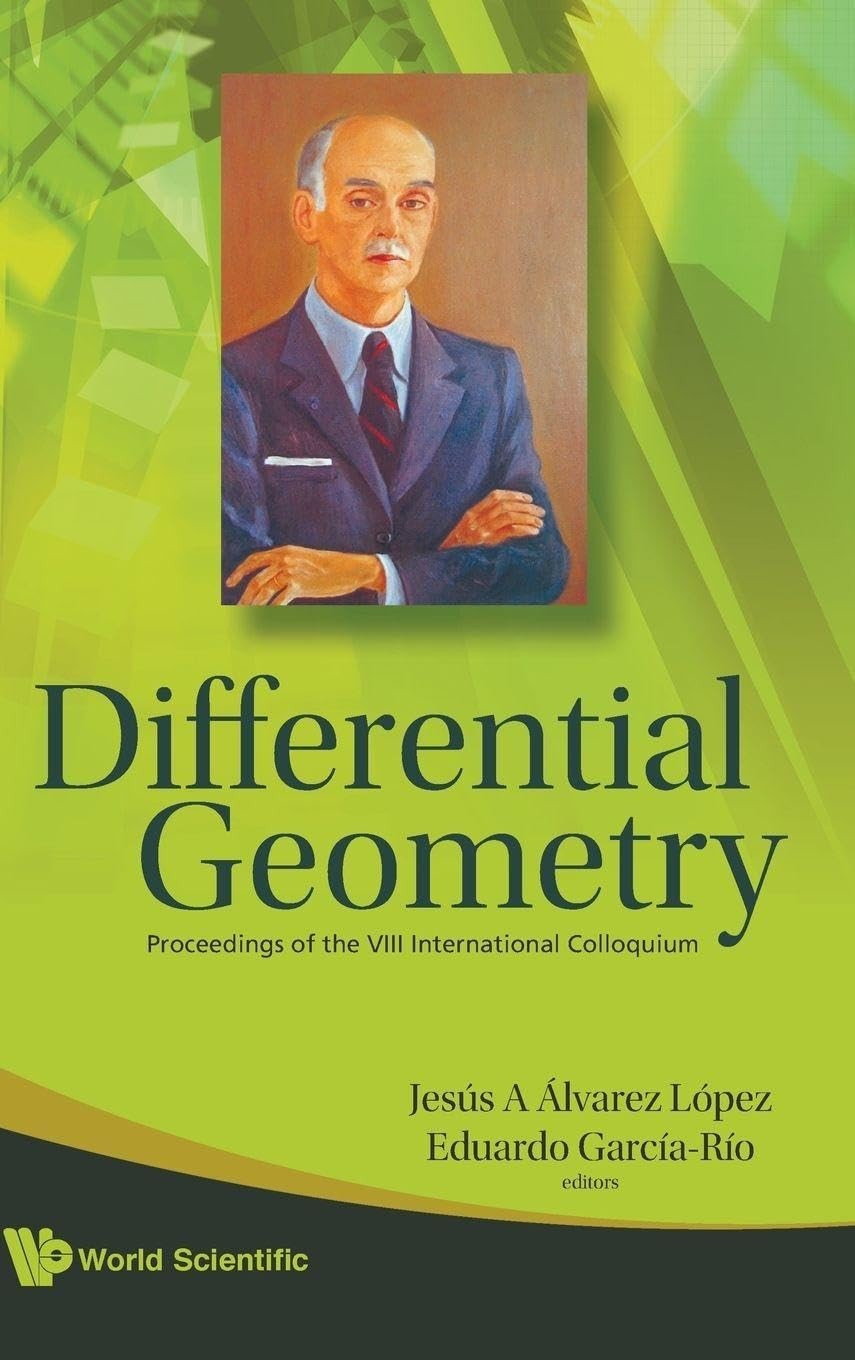
Mathematics
Differential Geometry - Proceedings of the VIII International Colloquium (English, Jesus A. Alvarez Lopez | Eduardo Garcia-Rio)
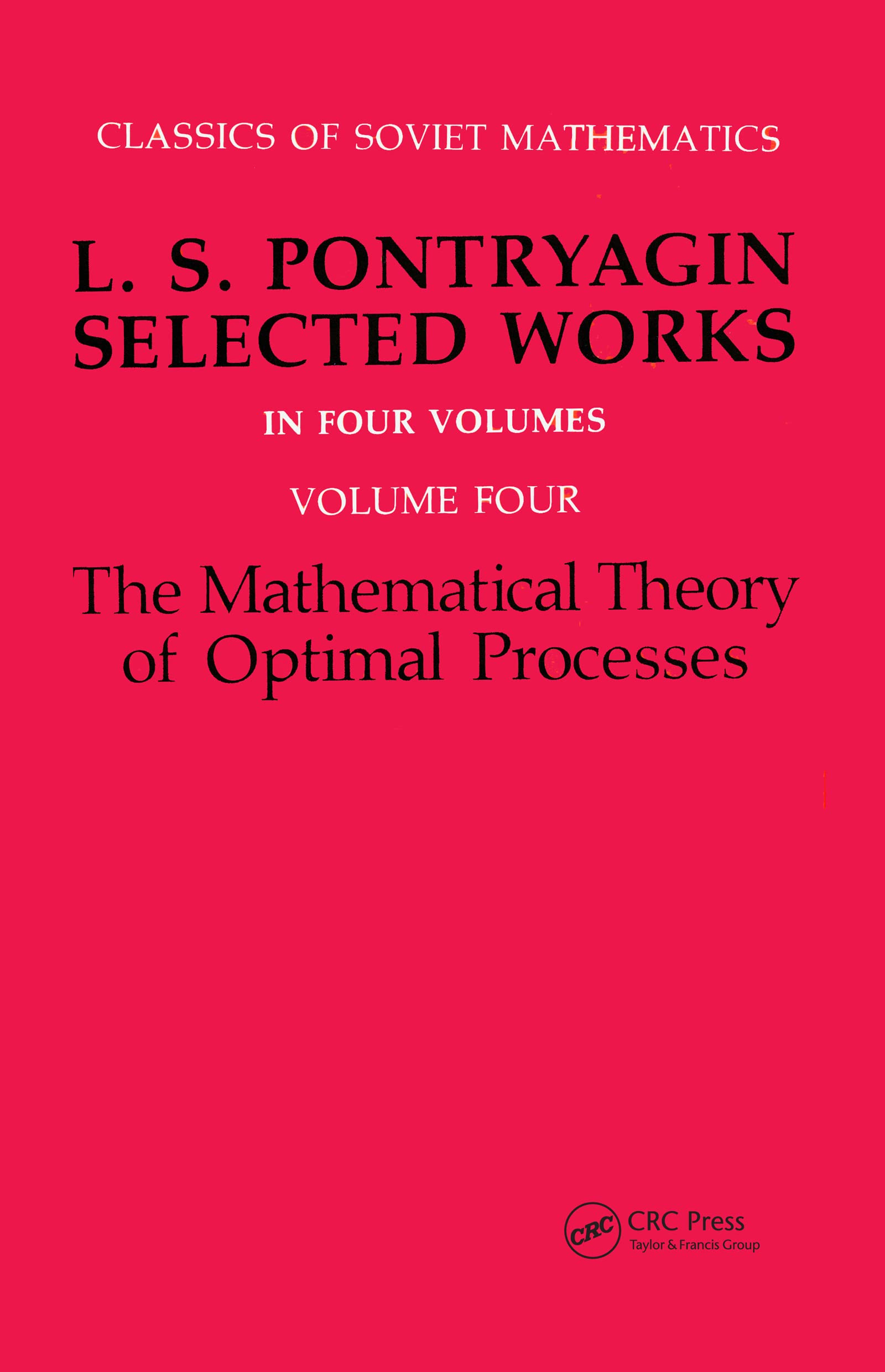
Mathematics
Mathematical Theory of Optimal Processes (Classics of Soviet Mathematics)
Related Products
View All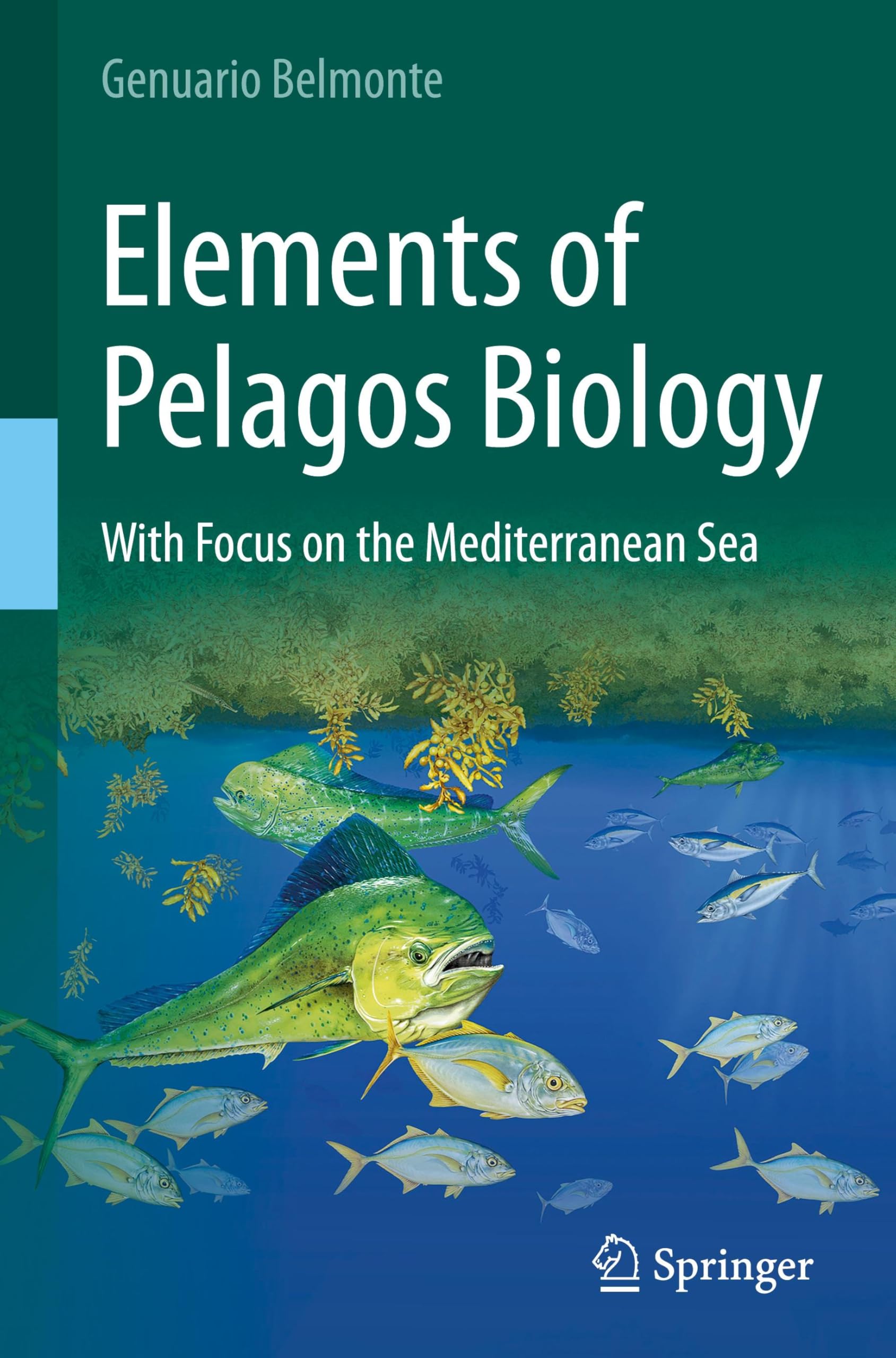
Science & Mathematics
Elements of Pelagos Biology: With Focus on the Mediterranean Sea
Science & Mathematics
Squid - Superconducting Quantum Interference Devices and Their Applications: Proceedings of the International Conference on Superconducting Quantum Devices, Berlin-west, October 4-8, 1976
Science & Mathematics
Thermodynamics and Pattern Formation in Biology
Science & Mathematics
The Nature of Mathematics and the Mathematics of Nature by S. Andersson – Mathematics & Science

Science & Mathematics
Linear Algebra | by Stephen Friedberg | Arnold Insel | Lawrence Spence | Pearson | by Stephen Friedberg | Arnold Insel | Lawrence Spence | Pearson | by Stephen Friedberg | Arnold Insel | Lawrence Spence | Pearson | by Stephen Friedberg | Arnold Insel | Lawrence Spence | Pearson | by Stephen Friedberg | Arnold Insel | Lawrence Spence | Pearson | by Stephen Friedberg | Arnold Insel | Lawrence Spence | Pearson | by Stephen Friedberg | Arnold Insel | Lawrence Spence | Pearson | by Stephen Friedberg
Science & Mathematics