
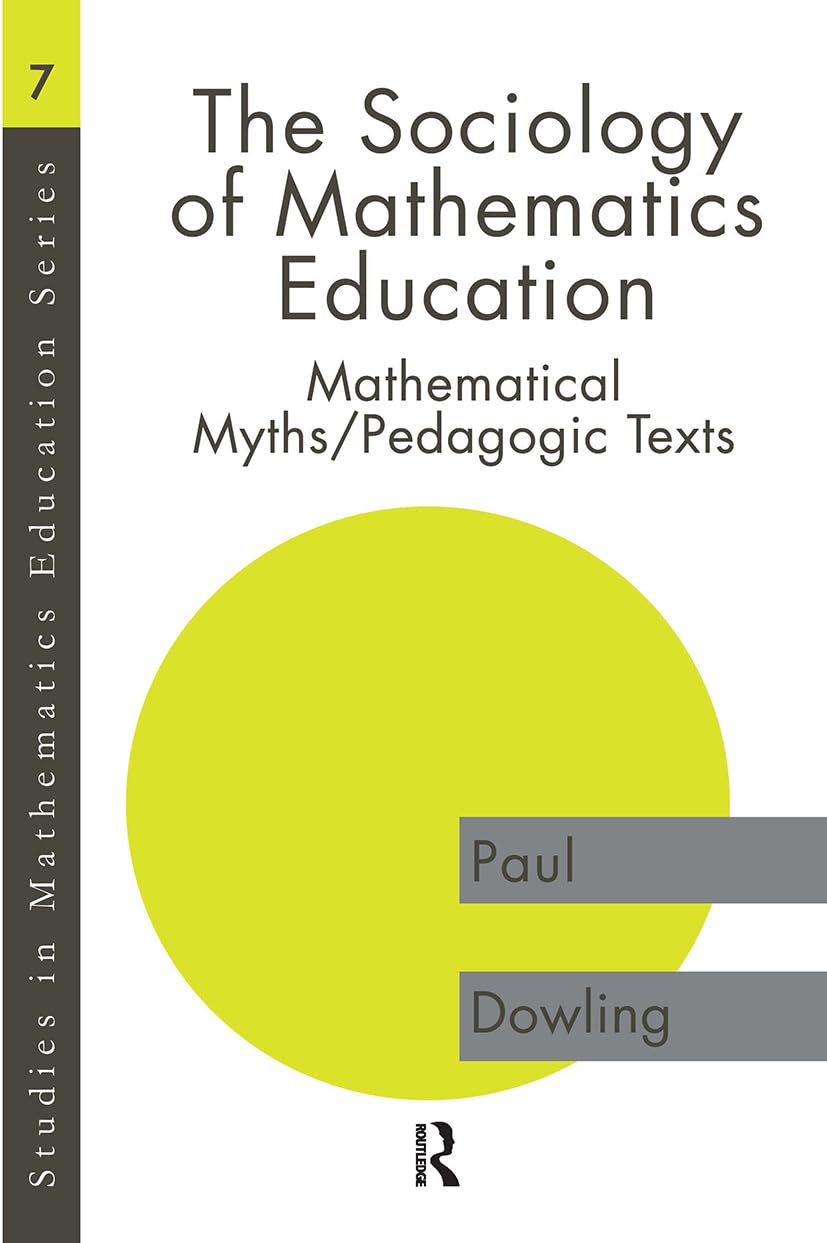
The Sociology of Mathematics Education: Mathematical Myths/Pedagogic Texts by Paul Dowling – A Critical Guide for Teache
Inclusive of all applicable taxes. FREE shipping on all orders.
Available Offers
- 🚚Free Delivery — Free shipping on all orders
- 💵Cash on Delivery — Pay when your order arrives
- ↩️15-Day Easy Returns — Hassle-free return policy
- 🔒Cash on Delivery — Pay safely when your order arrives
Check Delivery
Product Description
Introduction
Mathematics has long been regarded as the language of logic, precision, and universal truth. Yet, for countless students across India and the world, it remains a subject of anxiety, failure, and exclusion. Why does this gap persist despite decades of curriculum reform and a flood of simplified textbooks? In The Sociology of Mathematics Education: Mathematical Myths/Pedagogic Texts, Paul Dowling offers a groundbreaking analysis that goes beyond surface-level teaching methods. This hardcover volume from Routledge challenges educators, researchers, and policymakers to critically examine the very textbooks they use, revealing how hidden social and cultural forces shape mathematical learning. For Indian readers grappling with the pressures of competitive exams and rote learning, Dowling’s work is both a mirror and a map—exposing the myths that sustain inequality and offering tools to build a more inclusive mathematical future.
Book Overview
Published by Routledge, this academic work delves into the sociology behind mathematics education, shifting focus from purely cognitive theories to the social construction of mathematical knowledge. Dowling argues that the explosion of publisher-driven textbook schemes—designed to make maths ‘easier’ through language-heavy explanations—has not resolved student failure. Instead, these texts often reinforce hierarchies, privilege certain learners, and obscure the abstract power of mathematics. The book provides a rigorous framework for analyzing pedagogic texts, empowering teachers to interrogate the assumptions embedded in classroom resources. It is a vital resource for anyone seeking to understand why mathematics remains a gatekeeper in education systems, especially in high-stakes environments like India’s.
Key Highlights
- Critical Framework: A systematic method to evaluate mathematics textbooks, revealing hidden biases and pedagogical assumptions.
- Myth-Busting: Deconstructs common mathematical myths—such as the idea that maths is a purely objective, culture-free discipline.
- Sociological Lens: Applies sociological theories (e.g., Bernstein, Bourdieu) to understand how textbooks reproduce social inequality.
- Practical Application: Bridges theory and classroom practice, offering concrete strategies for more equitable teaching.
- Timely Relevance: Addresses the global shift from elite mathematics to ‘mathematics for all,’ a challenge central to India’s National Education Policy 2020.
Inside the Book
Dowling structures his analysis around two core concepts: ‘mathematical myths’ and ‘pedagogic texts.’ The first part unpacks myths such as the ‘universality’ of mathematics and the ‘natural’ hierarchy of ability. The second part presents a detailed toolkit for dissecting textbooks—examining their language, imagery, sequencing, and underlying ideologies. Readers will encounter case studies of popular textbook series, showing how even well-intentioned resources can marginalise students from non-dominant backgrounds. The book also explores the role of publishers in shaping what counts as legitimate mathematical knowledge, a factor often overlooked in Indian educational debates.
Key Topics
- The sociology of mathematical knowledge and its cultural construction
- Analysis of pedagogic discourse and textbook design
- Myths of ability, effort, and meritocracy in mathematics
- Language, symbols, and the ‘dumbing down’ of mathematical content
- Social class, gender, and ethnic inequalities in maths achievement
- Critique of progressive pedagogies and ‘real-world’ mathematics
- Practical strategies for textbook evaluation and curriculum design
Reader Benefits
- For Teachers: Gain a critical lens to choose and adapt textbooks that truly support all learners, not just the privileged few.
- For Students: Understand why maths feels difficult or irrelevant—and how to overcome systemic barriers.
- For Policymakers: Access evidence-based insights to reform mathematics curricula and assessment practices.
- For Researchers: Acquire a robust theoretical and methodological framework for further study in sociology of education.
- For Parents: Learn to question the maths homework and textbooks your children bring home, fostering a more supportive learning environment.
Learning Outcomes
After engaging with this book, readers will be able to: identify and critique the hidden assumptions in mathematics textbooks; apply sociological theories to analyse classroom materials; recognise how language and imagery in textbooks can include or exclude students; design more equitable mathematics lessons that value diverse ways of knowing; and contribute to informed debates about mathematics education reform in India and beyond.
Who Should Read
This book is essential for mathematics educators at all levels—from primary school teachers to university professors. It is equally valuable for B.Ed. and M.Ed. students, curriculum developers, textbook authors, educational sociologists, and anyone involved in teacher training. Indian readers preparing for competitive exams like CTET, UGC NET Education, or state-level teacher eligibility tests will find Dowling’s insights directly applicable to their professional growth. It also speaks to parents and activists concerned with educational equity in a country where mathematics performance often determines life opportunities.
About the Author
Paul Dowling is a distinguished academic in the field of sociology of education, with a particular focus on mathematics teaching and learning. He has held positions at leading universities in the United Kingdom and has published extensively on pedagogic discourse, textbook analysis, and social inequality in education. Dowling’s work is known for combining rigorous theoretical frameworks with practical classroom concerns, making complex sociological ideas accessible to educators. His research continues to influence mathematics education policy and practice globally.
About the Publisher
Routledge is a premier international publisher of academic books, journals, and online resources in the humanities and social sciences. With a history spanning over 180 years, Routledge is renowned for its commitment to scholarly excellence and innovation. Their education list includes seminal works by leading thinkers, making them a trusted source for educators, researchers, and students worldwide. This hardcover edition ensures durability for repeated reference in libraries, staff rooms, and personal collections.
Conclusion
The Sociology of Mathematics Education: Mathematical Myths/Pedagogic Texts is not just another book about teaching maths—it is a call to rethink the very foundations of how mathematics is presented and perceived. In an era where Indian classrooms are bursting with textbooks promising ‘easy’ maths, Dowling reminds us that true understanding requires critical engagement, not simplification. By equipping readers with the tools to dissect pedagogic texts, this book empowers a new generation of educators to challenge mathematical myths and create learning spaces where every child can thrive. Order your copy from Bookshops.in today and join the movement towards a more just and meaningful mathematics education.
Quick Summary
The Sociology of Mathematics Education: Mathematical Myths/Pedagogic Texts by Paul Dowling is a seminal work that critically examines the assumptions and myths embedded in mathematics teaching resources. Dowling argues that the shift from symbolic to language-heavy maths schemes has not resolved student failure, and that teachers must become critical analysts of the textbooks they use. Drawing on sociological theory, the book provides a practical framework for evaluating pedagogic texts, revealing how they shape student understanding and perpetuate inequalities. This book is essential for mathematics teachers, teacher educators, curriculum developers, and researchers who want to move beyond surface-level fixes and address the root causes of mathematical underachievement. By purchasing from Bookshops.in, Indian readers gain access to a genuine Routledge hardcover edition, supported by fast shipping and trusted service. Readers will learn to deconstruct textbook language, identify hidden biases, and create more equitable learning environments. This is not just a critique—it is a toolkit for transformation in mathematics education.
Book Highlights
Book Specifications
| ISBN-13 | 9780750707916 |
| ISBN-10 | 0750707917 |
| Publisher | Routledge |
| Language | English |
| Dimensions | 17.15 x 2.54 x 25.4 cm |
| Weight | 748 g |
| Country | India |
| Category | Teaching & Education › Educational Philosophy |
| Genre | Non-fiction |
| Original Language | English |
Frequently Asked Questions
What is the main argument of this book?
Who is Paul Dowling?
Is this book suitable for Indian teachers?
Does the book provide practical tools?
Is this a hardcover edition?
Can this help with curriculum design?
Does it cover Indian maths schemes?
What is the price of this book?
Is the language easy to understand?
What are the key themes?
Can I use this for a thesis?
Does the book have an index?
Why buy from Bookshops.in?
Readers Also Search For
Customers Also Bought
Mathematics
Stereotype Spaces and Algebras: 73 (De Gruyter Expositions in Mathematics, 73)
Mathematics
Semigroups in Algebra, Geometry and Analysis: 20 (De Gruyter Expositions in Mathematics, 20)
Mathematics
Geometry from the Pacific Rim: Proceedings of the Pacific Rim Geometry Conference held at National University of Singapore, Republic of Singapore, ... 1994 (De Gruyter Proceedings in Mathematics)
Mathematics
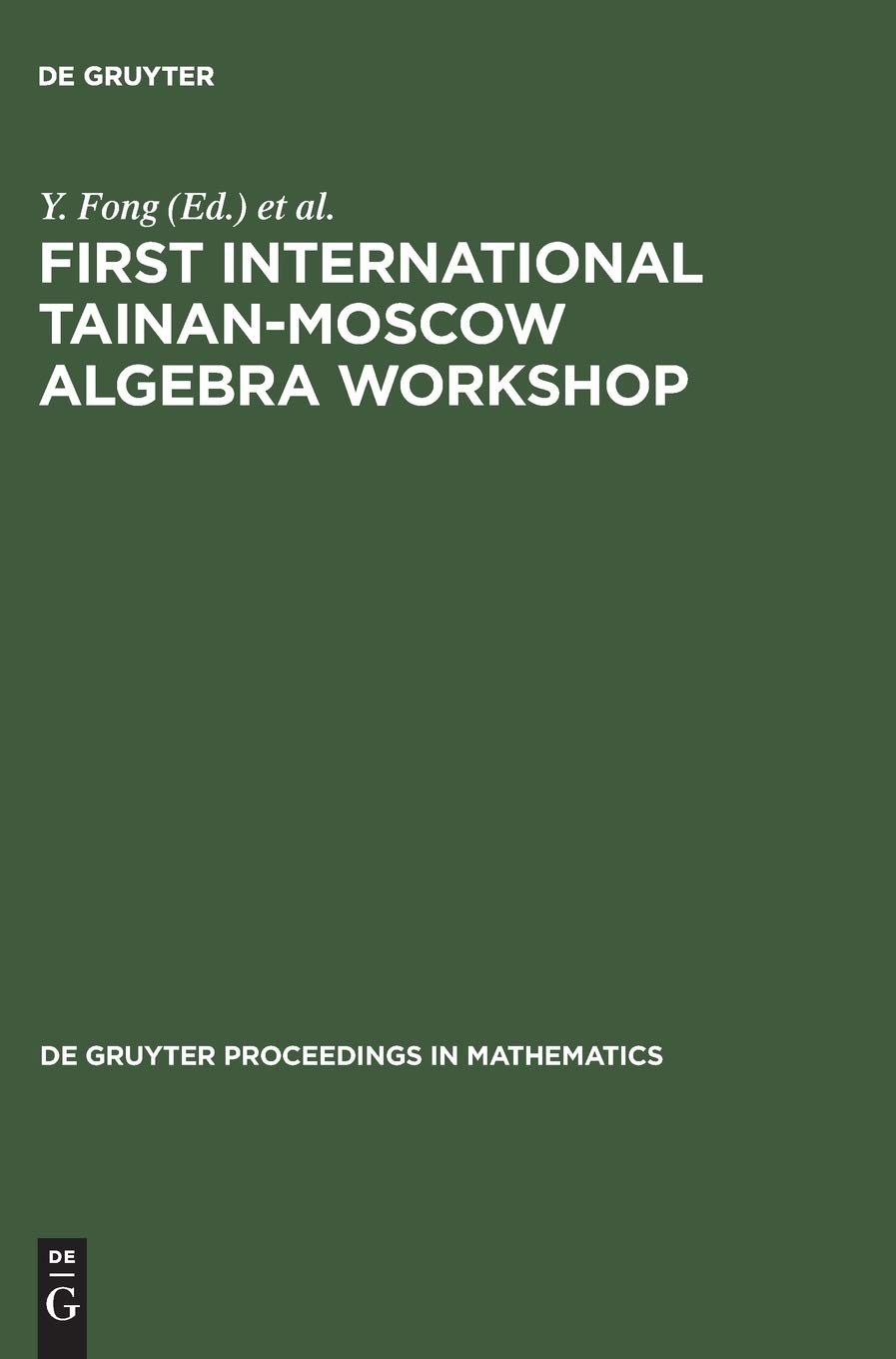
First International Tainan-Moscow Algebra Workshop: Proceedings of the International Conference held at National Cheng Kung University Tainan, Taiwan, ... 1994 (De Gruyter Proceedings in Mathematics)

Mathematics
Differential Geometry - Proceedings of the VIII International Colloquium (English, Jesus A. Alvarez Lopez | Eduardo Garcia-Rio)
Mathematics
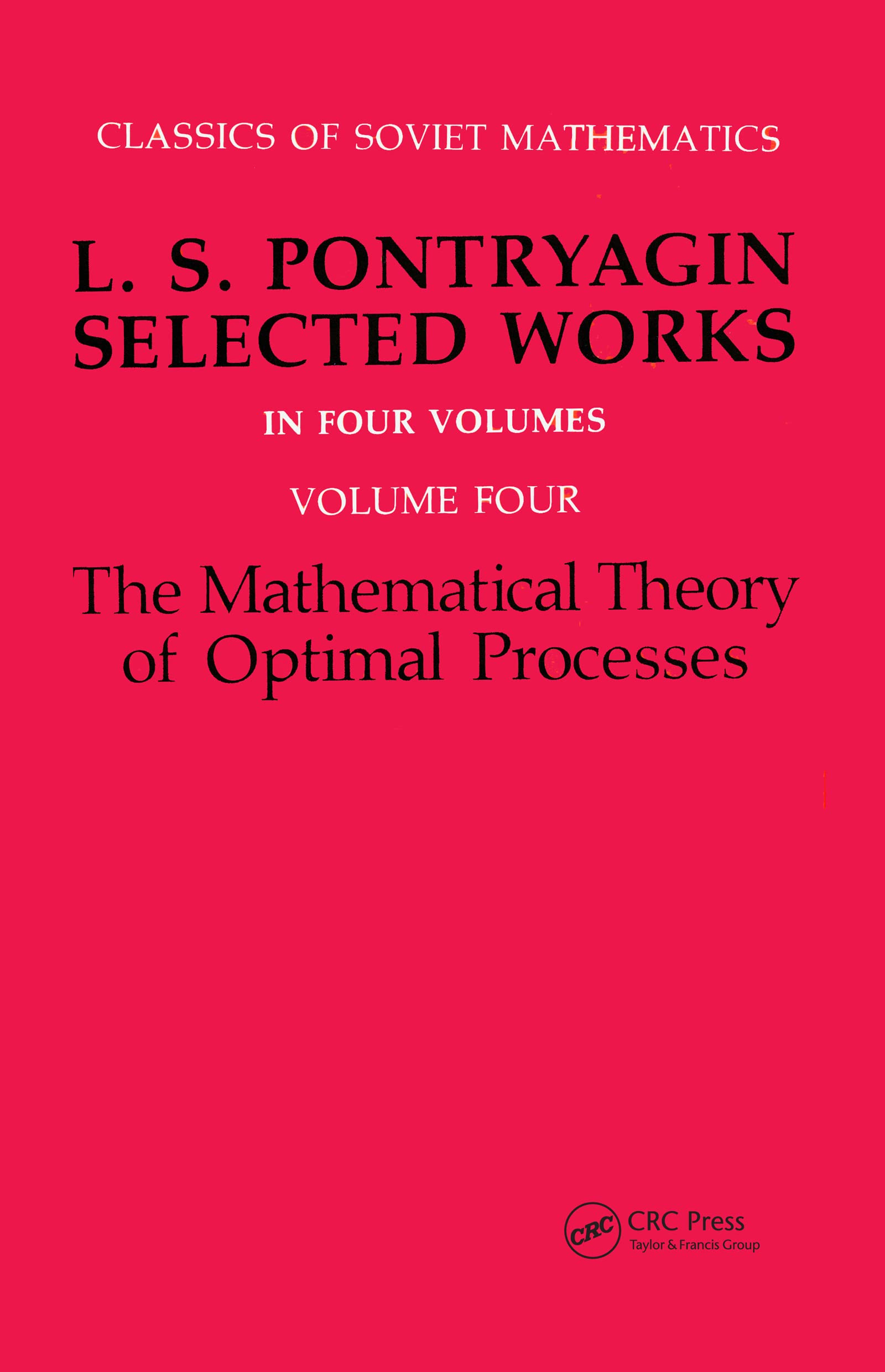
Mathematical Theory of Optimal Processes (Classics of Soviet Mathematics)
Related Products
View All
Science & Mathematics
Elements of Pelagos Biology: With Focus on the Mediterranean Sea
Science & Mathematics
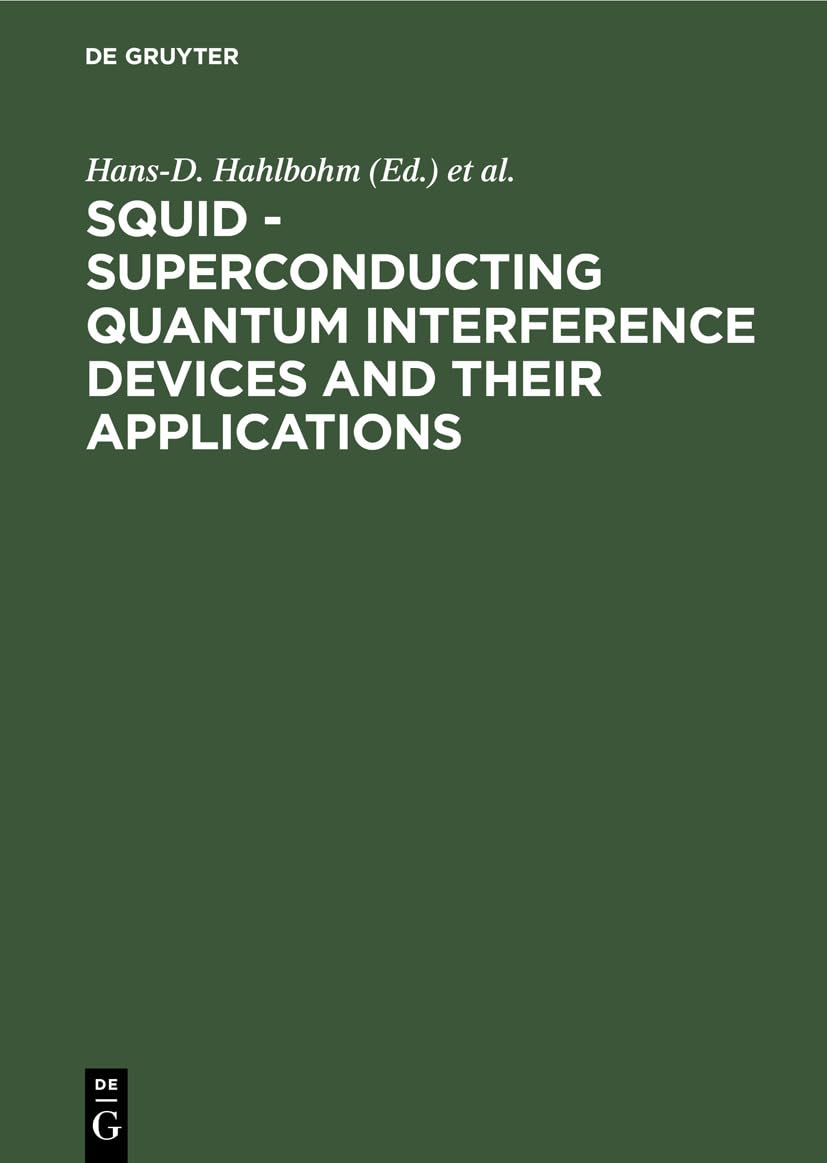
Squid - Superconducting Quantum Interference Devices and Their Applications: Proceedings of the International Conference on Superconducting Quantum Devices, Berlin-west, October 4-8, 1976
Science & Mathematics
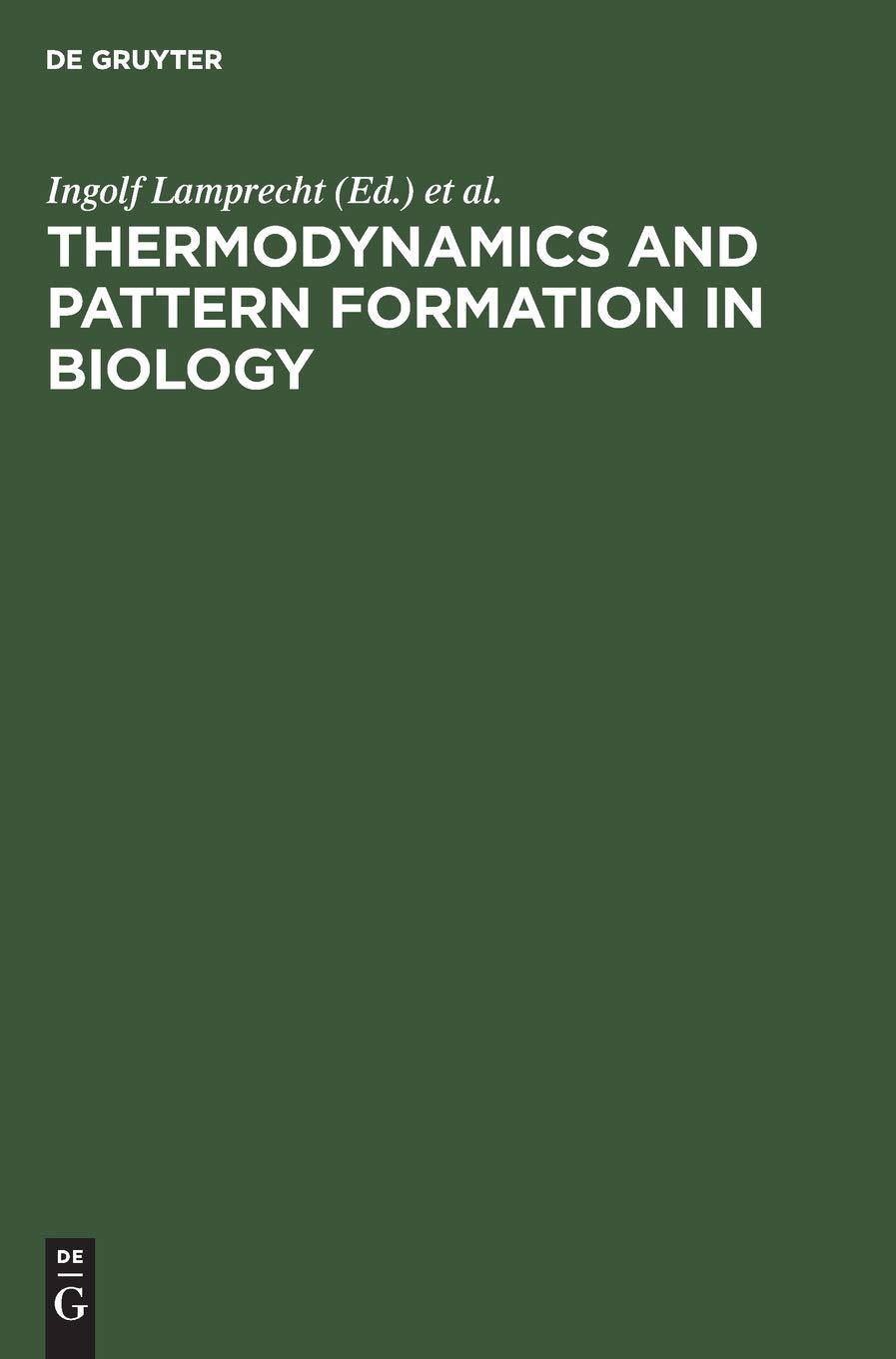
Thermodynamics and Pattern Formation in Biology
Science & Mathematics
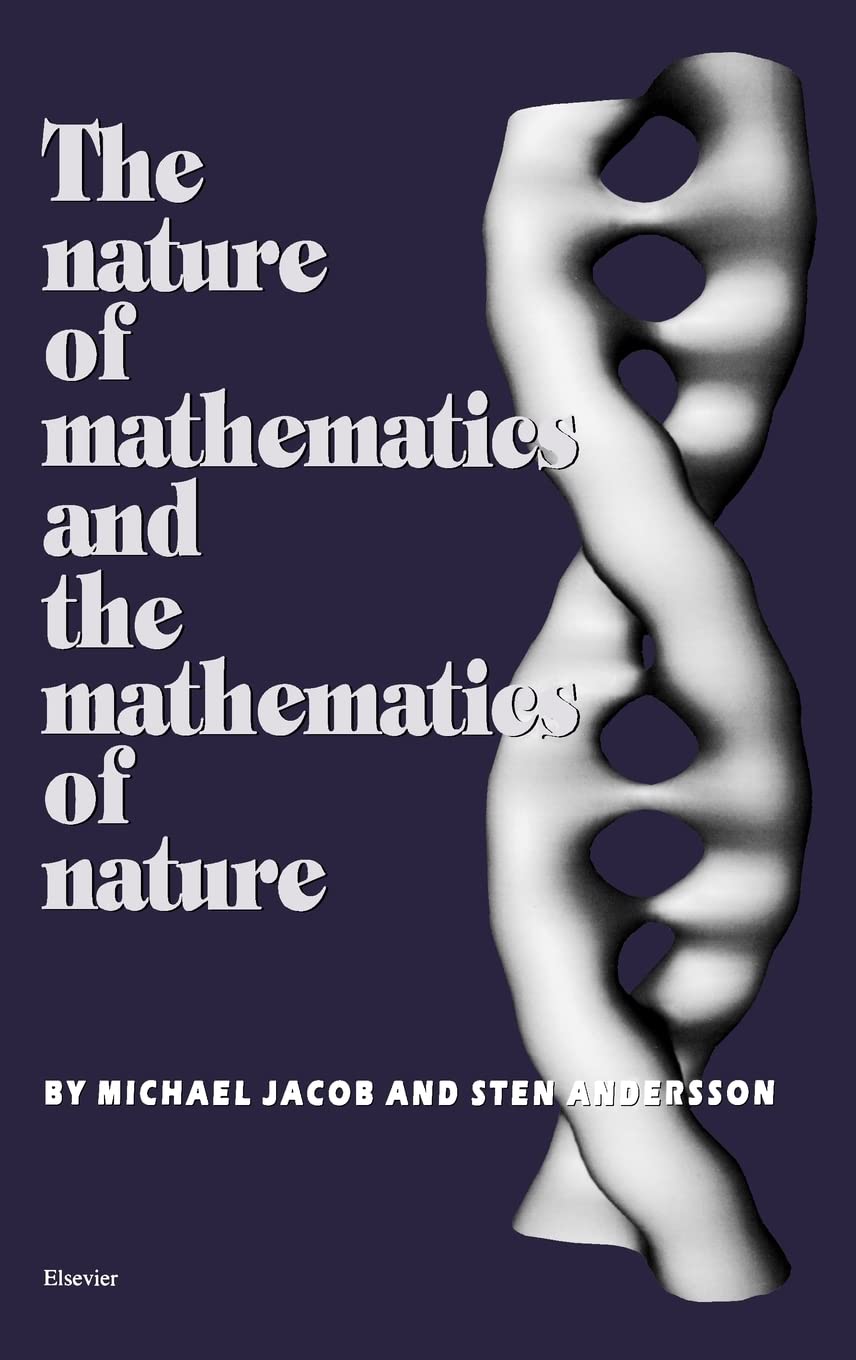
The Nature of Mathematics and the Mathematics of Nature by S. Andersson – Mathematics & Science

Science & Mathematics
Linear Algebra | by Stephen Friedberg | Arnold Insel | Lawrence Spence | Pearson | by Stephen Friedberg | Arnold Insel | Lawrence Spence | Pearson | by Stephen Friedberg | Arnold Insel | Lawrence Spence | Pearson | by Stephen Friedberg | Arnold Insel | Lawrence Spence | Pearson | by Stephen Friedberg | Arnold Insel | Lawrence Spence | Pearson | by Stephen Friedberg | Arnold Insel | Lawrence Spence | Pearson | by Stephen Friedberg | Arnold Insel | Lawrence Spence | Pearson | by Stephen Friedberg

Science & Mathematics