
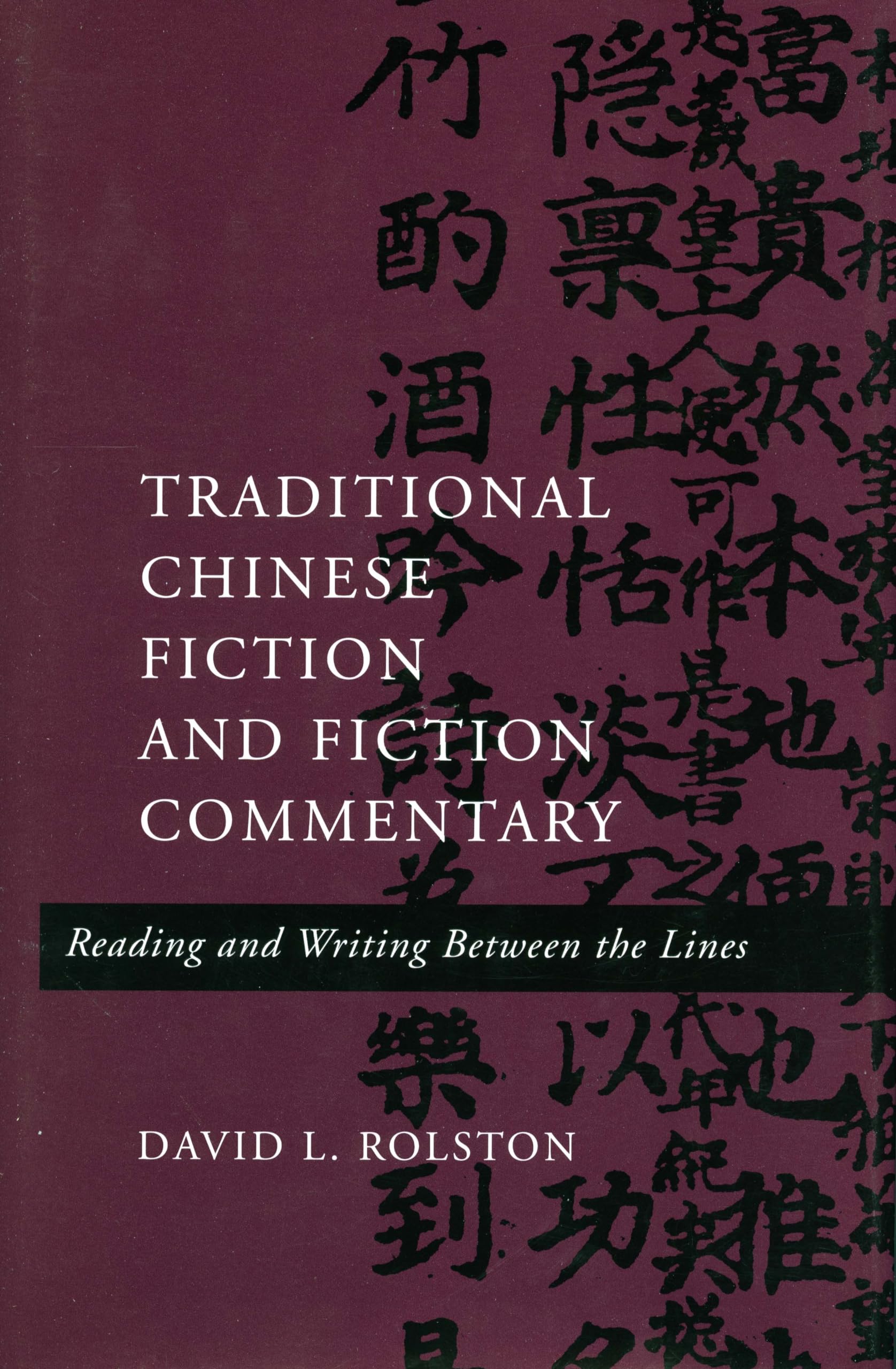
Traditional Chinese Fiction and Fiction Commentary: Reading and Writing Between the Lines
Inclusive of all applicable taxes. FREE shipping on all orders.
Available Offers
- 🚚Free Delivery — Free shipping on all orders
- 💵Cash on Delivery — Pay when your order arrives
- ↩️15-Day Easy Returns — Hassle-free return policy
- 🔒Cash on Delivery — Pay safely when your order arrives
Check Delivery
Product Description
In the Ming and Qing periods, the Chinese read fiction in editions with extensive commentary printed on the same page as the fiction itself. This commentary was concerned less with helping the reader understand the “letter” of the text than with drawing the reader’s attention to its more notable aspects through emphatic punctuation (similar to our underlining, italics, or highlighting) and evaluative comments. Authors developed four different approaches to the challenges this type of commentary presented: they wrote their own commentary, they modeled aspects of their narrators on fiction commentators, they left space in their texts for readers to compose their own commentaries, or they combined these approaches.This book is the first concerted effort to see how the existence of the commentary tradition affected the development of Chinese fiction. It aims to answer several questions, including: How prevalent were commentary editions of fiction? How important was the commentary in them? Were the comments actually read? What effect did they have on readers and future writers?
Book Specifications
| ISBN-13 | 9780804727204 |
| ISBN-10 | 0804727201 |
| Publisher | Stanford Univ Pr |
| Language | English |
| Dimensions | 16.51 x 3.18 x 24.13 cm |
| Weight | 703 g |
| Category | Foreign Languages › Chinese |
Frequently Asked Questions
What is the price of Traditional Chinese Fiction and Fiction Commentary: Reading and Writing Between the Lines?
Does BookShops.in offer free delivery for Traditional Chinese Fiction and Fiction Commentary: Reading and Writing Between the Lines?
Is Cash on Delivery available for Traditional Chinese Fiction and Fiction Commentary: Reading and Writing Between the Lines?
What is the return policy for Traditional Chinese Fiction and Fiction Commentary: Reading and Writing Between the Lines?
Is Traditional Chinese Fiction and Fiction Commentary: Reading and Writing Between the Lines authentic?
Customers Also Bought

Contemporary Fiction
Stepladder Junction and Other Stories

Contemporary Fiction
Fabrications by Pamela Painter – Short Story Collection

Contemporary Fiction
The Double Life of an Alaskan Sled Dog (English, Andrea Finney Aufder Heyde)

Contemporary Fiction
The Alabaster Girl by Zan Perrion

Contemporary Fiction
Grimm and Grimmer: Classic Fairy Tales Rebooted by Mark Russell

Classic Literature
The Prose Works of Andrew Marvell: 1676-1678 by Andrew Marvell – Restoration Literature
Related Products
View All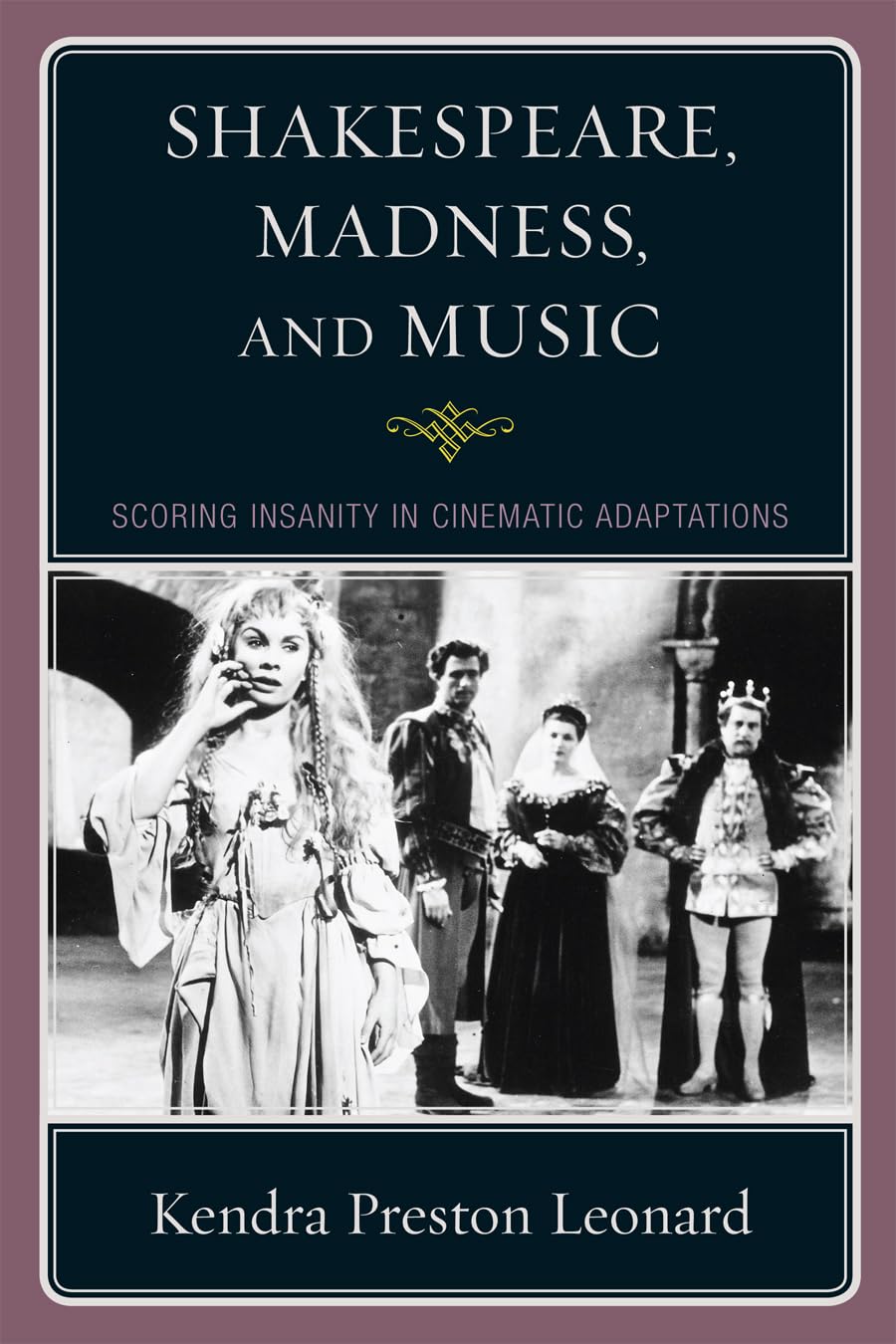
Literature & Fiction
Shakespeare, Madness, and Music: Scoring Insanity in Cinematic Adaptations

Literature & Fiction
Literary Research and Canadian Literature: Strategies and Sources: 10 (Literary Research: Strategies and Sources, 10)

Literature & Fiction
Crime Fiction and National Identities in the Global Age | by Julie H. Kim | McFarland & Company | by Julie H. Kim | McFarland & Company | by Julie H. Kim | McFarland & Company | by Julie H. Kim | McFarland & Company | by Julie H. Kim | McFarland & Company | by Julie H. Kim | McFarland & Company | by Julie H. Kim | McFarland & Company | by Julie H. Kim | McFarland & Company | by Julie H. Kim | McFarland & Company | by Julie H. Kim | McFarland & Company | by
Literature & Fiction
Greek Literature in the Classical Period: The Poetics of Drama in Athens: 4 (Greek Literature Vol. 4)
Literature & Fiction
Greek Literature and Philosophy (Greek Literature, Volume 6)

Literature & Fiction