
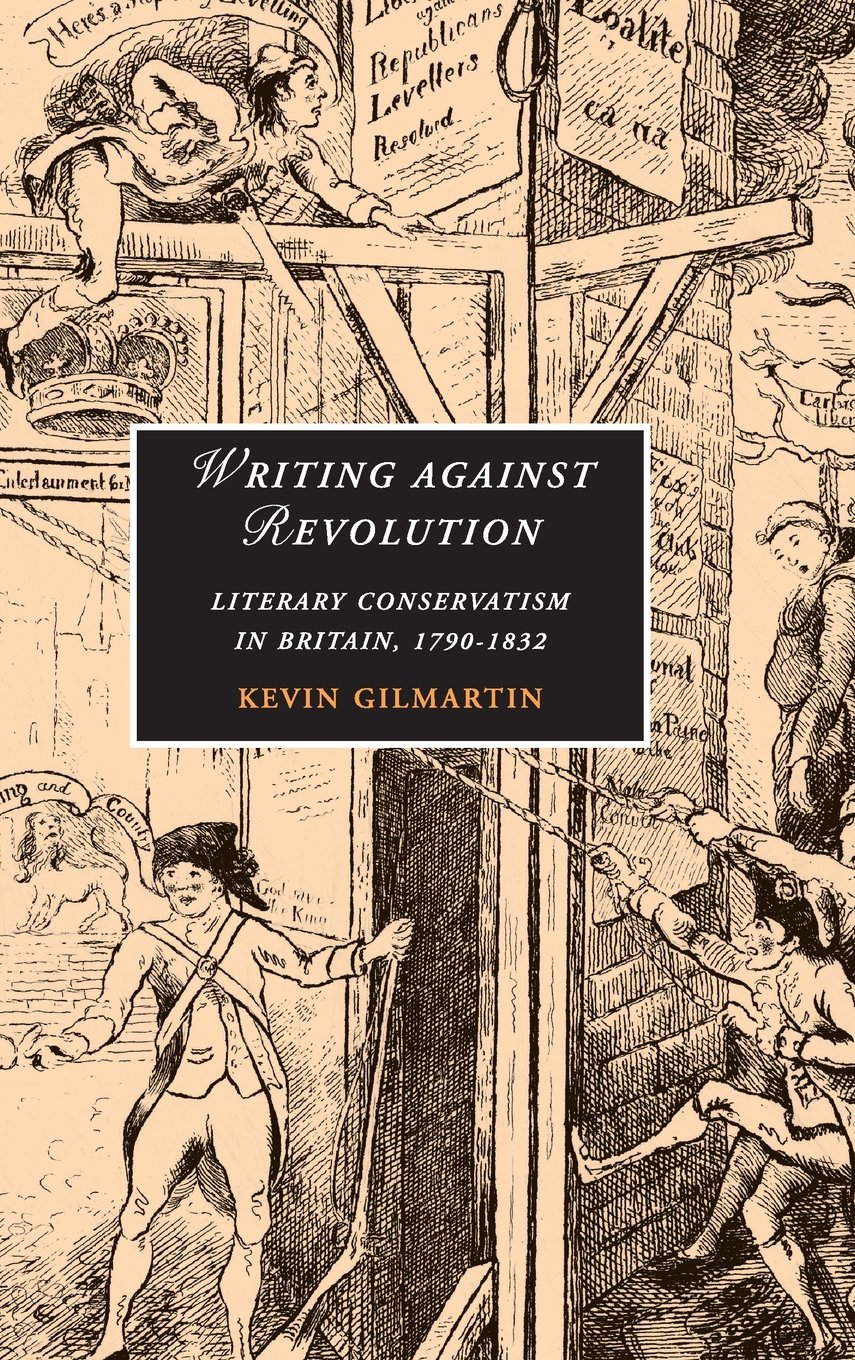
Writing against Revolution: Literary Conservatism in Britain, 1790–1832 by Kevin Gilmartin – A Critical Study of Counter
Inclusive of all applicable taxes. FREE shipping on all orders.
Available Offers
- 🚚Free Delivery — Free shipping on all orders
- 💵Cash on Delivery — Pay when your order arrives
- ↩️15-Day Easy Returns — Hassle-free return policy
- 🔒Cash on Delivery — Pay safely when your order arrives
Check Delivery
Product Description
Introduction
In an era when the very idea of revolution was reshaping nations and identities, a powerful countercurrent emerged in Britain—not merely to preserve the old order but to reimagine it. Kevin Gilmartin’s Writing against Revolution: Literary Conservatism in Britain, 1790–1832 offers a groundbreaking exploration of how conservative writers and thinkers used the very tools of print culture—ballads, novels, reviews, and pamphlets—to fight the tide of radical change. This hardcover volume from Cambridge University Press is an essential read for anyone seeking to understand the literary and ideological battles that defined the Romantic period in Britain.
Book Overview
Gilmartin challenges the conventional view that conservatism in the Romantic era was merely a reactionary defence of the status quo. Instead, he reveals a dynamic, forward-looking movement that aimed to transform British society from within, using print as its principal weapon. From the loyalist Association movement of the 1790s to the sophisticated critiques of the Anti-Jacobin Review, this book traces how conservative authors engaged with—and often sought to control—the rapidly expanding world of printed media. It is a story of cultural contestation, where the battle for hearts and minds was fought on every page.
Key Highlights
- Original Thesis: Argues that literary conservatism was not a backward-looking defence but a creative, transformative force.
- Rich Case Studies: Analyses the Cheap Repository Tracts, Hannah More’s writings, and the fiction of Jane Austen and Walter Scott from a conservative lens.
- Interdisciplinary Approach: Bridges literary criticism, history, and political theory to offer a holistic understanding of counterrevolutionary culture.
- Critical Reception: Widely praised by scholars for its nuanced and revisionist perspective on Romantic-era politics and literature.
Inside the Book
The book is divided into eight tightly argued chapters. It begins with the pamphlet wars of the 1790s, examining how loyalist associations used cheap print to mobilise public opinion against the French Revolution. Subsequent chapters delve into the role of periodical reviews as arbiters of literary and political taste, the emergence of anti-Jacobin fiction, and the conservative careers of major Romantic writers. Gilmartin concludes with a fresh look at how conservative thought adapted to the post-Napoleonic era, shaping the literary landscape for decades to come.
Key Topics
- Counterrevolutionary Print Culture: How ballads, tales, and dialogues became tools of political persuasion.
- The Loyalist Association Movement: Grassroots campaigns to suppress radical ideas through literature.
- Periodical Reviews and Censorship: The Quarterly Review and Anti-Jacobin as gatekeepers of acceptable opinion.
- Anti-Jacobin Fiction: Novels that parodied and condemned revolutionary ideals.
- Gender and Conservatism: The role of women writers like Hannah More in shaping domestic and national virtue.
- Romantic Conservatism: How Wordsworth, Coleridge, and Southey navigated their own conservative turns.
Reader Benefits
- Deepen Your Understanding: Gain a nuanced perspective on a period often oversimplified as a clash between radicals and reactionaries.
- Enhance Your Research: Perfect for students and scholars of British literature, history, and political thought.
- Discover Hidden Voices: Explore the works of lesser-known conservative writers who shaped public opinion.
- Connect Past and Present: Understand how debates about print, propaganda, and cultural control resonate in today’s media landscape.
Learning Outcomes
- Analyse the literary strategies employed by conservative writers to counter revolutionary ideas.
- Evaluate the role of print media in shaping political consciousness during the Romantic period.
- Critically assess the relationship between literature, ideology, and social change.
- Identify key texts and authors in the British counterrevolutionary tradition.
- Develop a sophisticated understanding of how conservatism evolved as a cultural force in the early nineteenth century.
Who Should Read
This book is ideal for postgraduate students and academics in English literature, history, and political science, particularly those specialising in the Romantic era. It will also appeal to advanced undergraduates writing dissertations on Romanticism, conservatism, or print culture. General readers with a keen interest in the intellectual history of Britain will find Gilmartin’s prose accessible yet rigorous, making this a rewarding addition to any serious library.
About the Author
Kevin Gilmartin is Professor of English at the California Institute of Technology, where he specialises in Romantic-era literature and culture. He is the author of Print Politics: The Press and Radical Opposition in Early Nineteenth-Century England and has edited several volumes on Romantic writing. His research focuses on the intersection of literature, politics, and print media, and he is widely regarded as a leading authority on the counterrevolutionary literary tradition in Britain.
About the Publisher
Cambridge University Press is one of the world’s oldest and most prestigious academic publishers, with a history dating back to 1534. Based in the United Kingdom, it is renowned for its rigorous peer-review process and its commitment to publishing scholarship of the highest quality. This hardcover edition, part of the Cambridge Studies in Romanticism series, reflects the Press’s dedication to advancing knowledge in the humanities.
Conclusion
Writing against Revolution is a vital corrective to the notion that conservatism in the Romantic period was merely a reactionary impulse. Through meticulous research and compelling analysis, Kevin Gilmartin shows how conservative writers forged a new cultural politics—one that used the very medium of print to resist the forces of revolution. For Indian readers and students seeking to understand the global echoes of these debates, this book offers an indispensable guide to the literary battles that shaped the modern world. Order your copy today from Bookshops.in and add this landmark work to your collection.
Quick Summary
Writing against Revolution: Literary Conservatism in Britain, 1790–1832 by Kevin Gilmartin offers a groundbreaking analysis of how conservative writers and thinkers in Britain used print culture to counter the revolutionary fervor emanating from France. Rather than simply preserving the old regime, these figures aimed to transform British society and culture to ensure a stable future. Gilmartin examines a wide range of print forms—including ballads, pamphlets, novels, dialogues, and critical reviews—showing how they became essential tools in the counterrevolutionary campaign. The book delves into the loyalist Association movement and other print-based efforts, revealing the paradox of using an unstable medium to promote stability. This work is ideal for students and scholars of Romantic literature, British history, political thought, and print culture. Readers will gain a nuanced understanding of conservatism as an active, creative force. By purchasing this hardcover from Bookshops.in, Indian readers receive a premium academic edition with reliable delivery and customer support, perfect for building a scholarly library.
Book Highlights
Book Specifications
| ISBN-13 | 9780521861137 |
| ISBN-10 | 0521861136 |
| Publisher | Cambridge University Press |
| Language | English |
| Dimensions | 15.88 x 2.54 x 23.5 cm |
| Weight | 670 g |
| Country | India |
| Category | Literature › English Literature |
| Genre | Literary Criticism / History |
| Original Language | English |
Frequently Asked Questions
What is 'Writing against Revolution' about?
Who is the author Kevin Gilmartin?
Is this book suitable for undergraduate students?
Does the book focus only on literature?
What time period does the book cover?
Is this a hardcover edition?
How does this book differ from other studies on conservatism?
What print forms does the book analyze?
Can I use this book for my research paper?
Does the book discuss the French Revolution?
What is the ISBN of this book?
Who is the publisher?
Where can I buy this book in India?
Readers Also Search For
Customers Also Bought
Mathematics
Stereotype Spaces and Algebras: 73 (De Gruyter Expositions in Mathematics, 73)
Mathematics
Semigroups in Algebra, Geometry and Analysis: 20 (De Gruyter Expositions in Mathematics, 20)
Mathematics
Geometry from the Pacific Rim: Proceedings of the Pacific Rim Geometry Conference held at National University of Singapore, Republic of Singapore, ... 1994 (De Gruyter Proceedings in Mathematics)
Mathematics
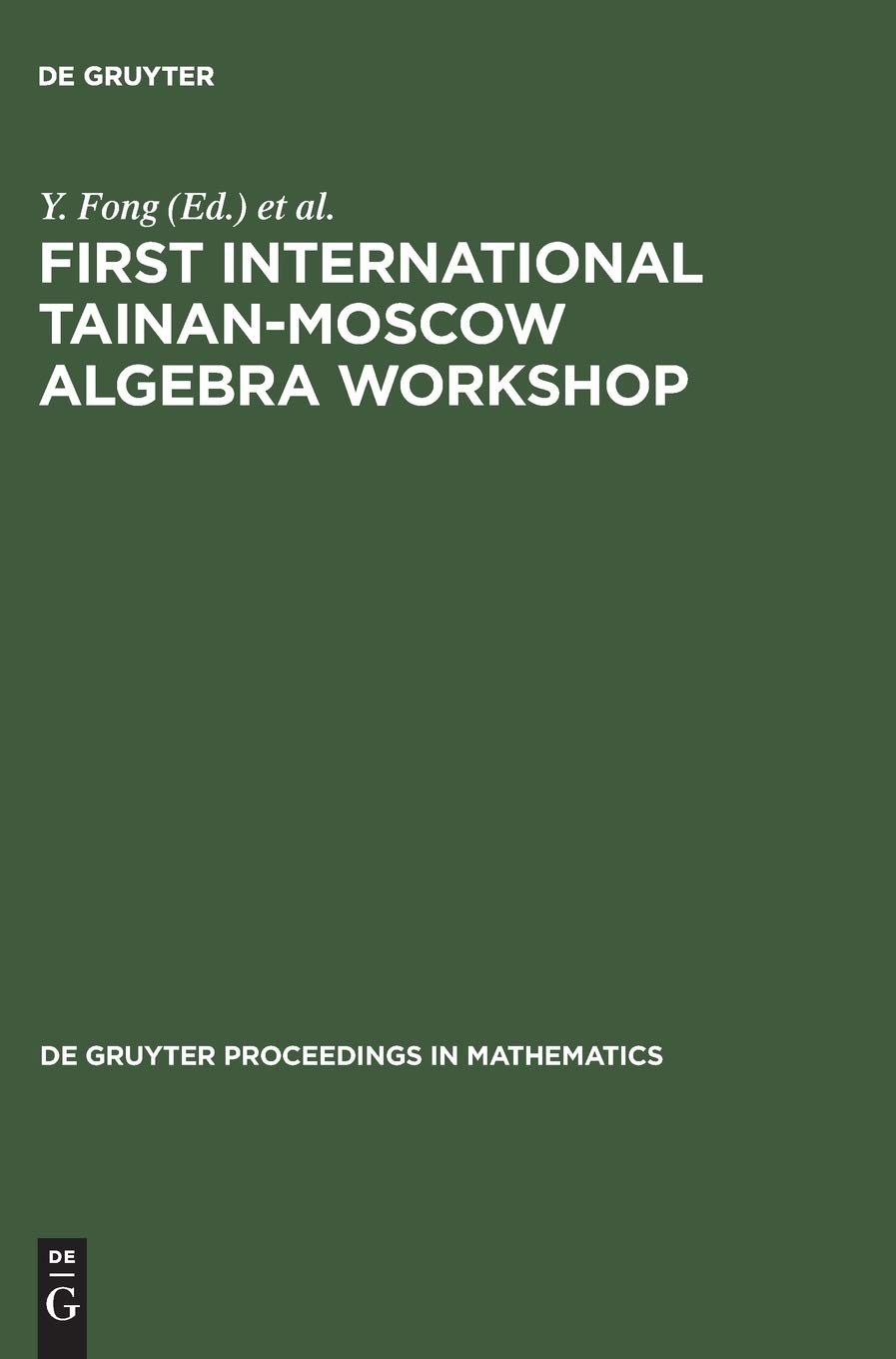
First International Tainan-Moscow Algebra Workshop: Proceedings of the International Conference held at National Cheng Kung University Tainan, Taiwan, ... 1994 (De Gruyter Proceedings in Mathematics)

Mathematics
Differential Geometry - Proceedings of the VIII International Colloquium (English, Jesus A. Alvarez Lopez | Eduardo Garcia-Rio)
Mathematics
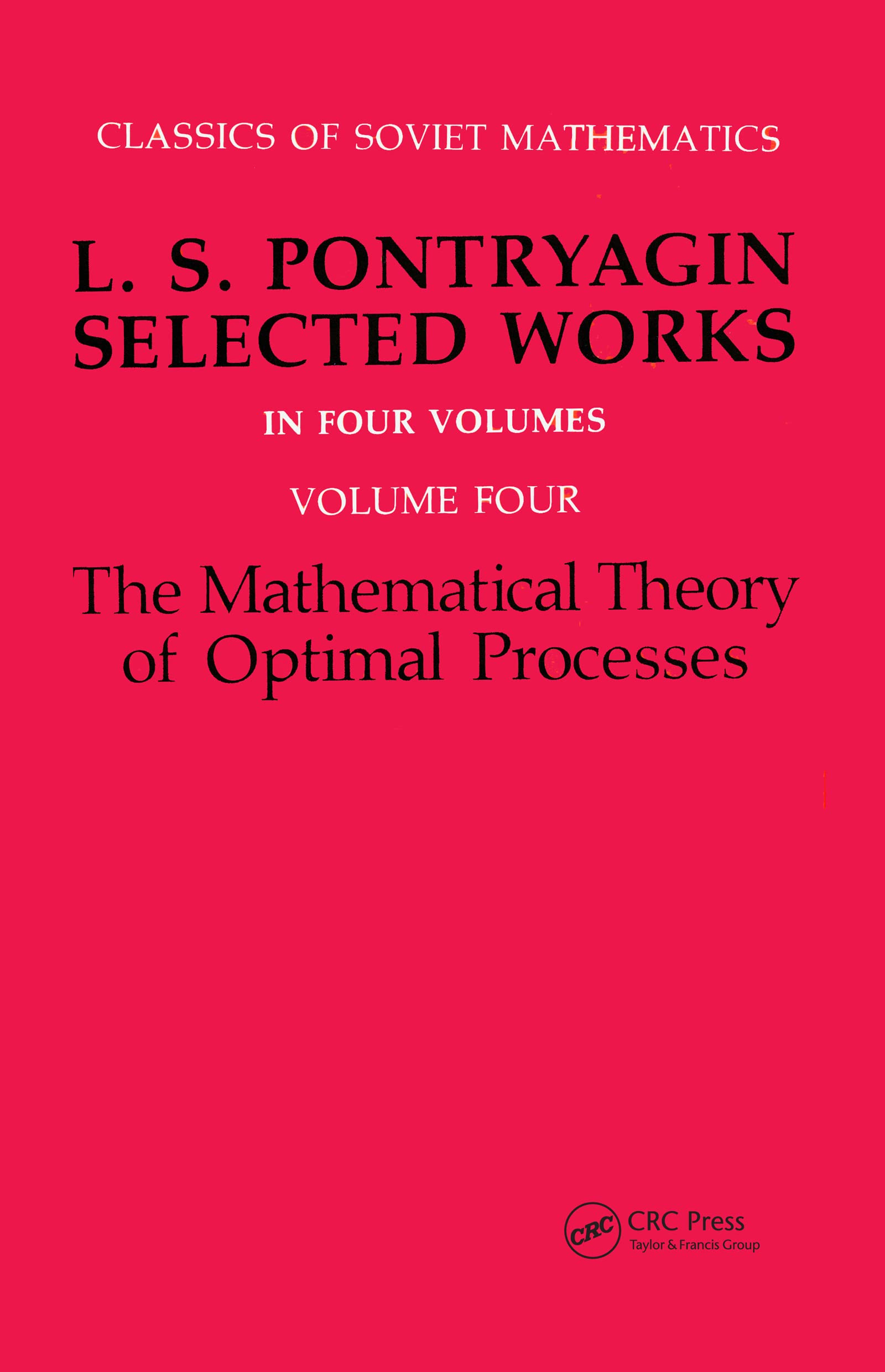
Mathematical Theory of Optimal Processes (Classics of Soviet Mathematics)
Related Products
View All
Science & Mathematics
Elements of Pelagos Biology: With Focus on the Mediterranean Sea

Science & Mathematics
Squid - Superconducting Quantum Interference Devices and Their Applications: Proceedings of the International Conference on Superconducting Quantum Devices, Berlin-west, October 4-8, 1976
Science & Mathematics
Thermodynamics and Pattern Formation in Biology
Science & Mathematics
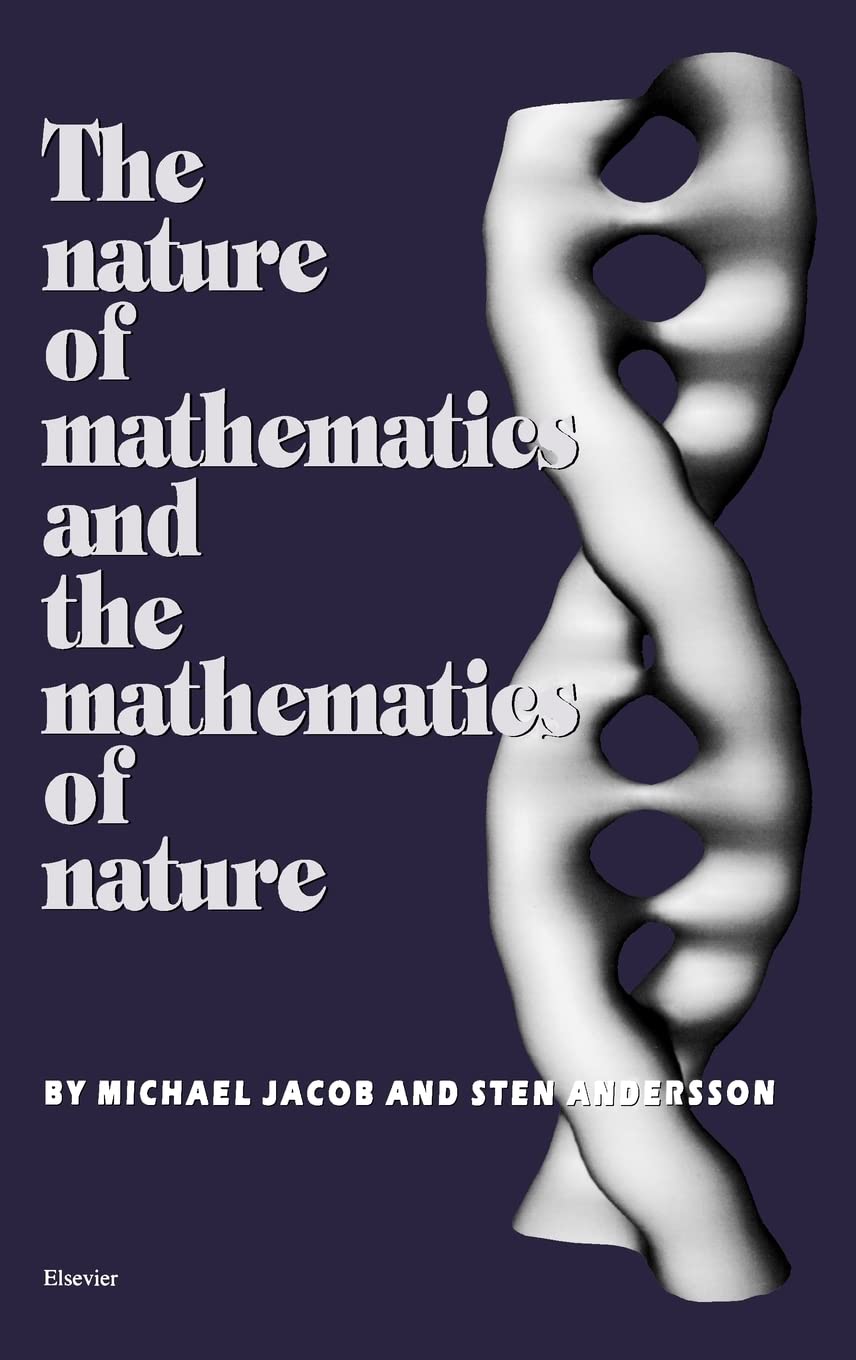
The Nature of Mathematics and the Mathematics of Nature by S. Andersson – Mathematics & Science

Science & Mathematics
Linear Algebra | by Stephen Friedberg | Arnold Insel | Lawrence Spence | Pearson | by Stephen Friedberg | Arnold Insel | Lawrence Spence | Pearson | by Stephen Friedberg | Arnold Insel | Lawrence Spence | Pearson | by Stephen Friedberg | Arnold Insel | Lawrence Spence | Pearson | by Stephen Friedberg | Arnold Insel | Lawrence Spence | Pearson | by Stephen Friedberg | Arnold Insel | Lawrence Spence | Pearson | by Stephen Friedberg | Arnold Insel | Lawrence Spence | Pearson | by Stephen Friedberg
Science & Mathematics