
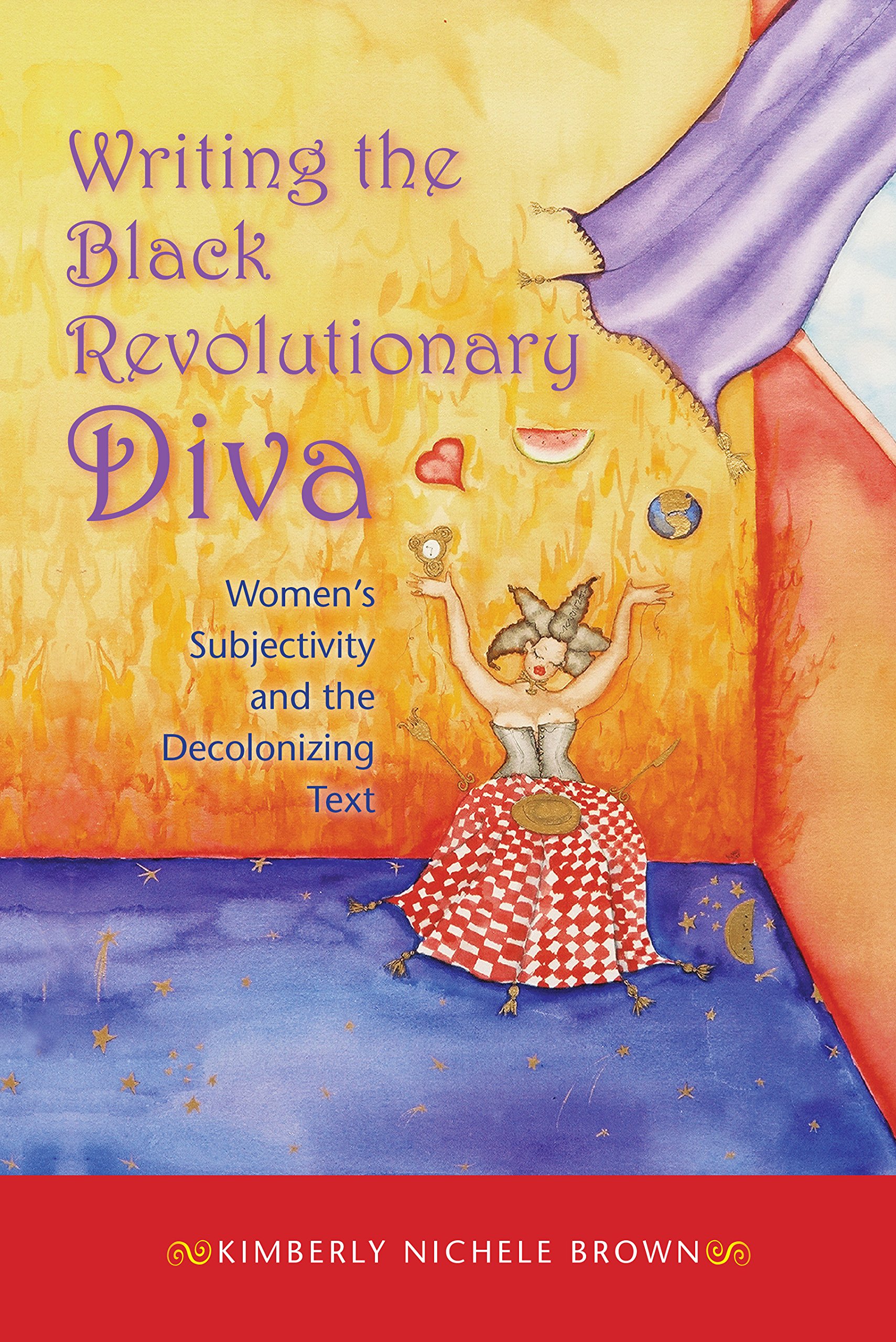
Writing the Black Revolutionary Diva: Women's Subjectivity and the Decolonizing Text by Kimberly Nichele Brown – A Deep
Inclusive of all applicable taxes. FREE shipping on all orders.
Available Offers
- 🚚Free Delivery — Free shipping on all orders
- 💵Cash on Delivery — Pay when your order arrives
- ↩️15-Day Easy Returns — Hassle-free return policy
- 🔒Cash on Delivery — Pay safely when your order arrives
Check Delivery
Product Description
Introduction
In the landscape of African American literary and cultural studies, few works have dared to interrogate the intersection of race, gender, and revolutionary aesthetics as incisively as Kimberly Nichele Brown’s Writing the Black Revolutionary Diva: Women's Subjectivity and the Decolonizing Text. This hardcover volume from Indiana University Press offers a profound examination of how Black women writers and thinkers have forged a path beyond the constraints of colonial discourse. For Indian readers and students engaged with postcolonial theory, feminist criticism, and the politics of representation, this book serves as a vital bridge between transnational struggles for self-definition and creative liberation.
Book Overview
Writing the Black Revolutionary Diva charts the evolution of a new, decolonized consciousness among African American women from the 1970s onward. Brown argues that these women moved beyond the ‘double consciousness’ famously described by W.E.B. Du Bois—a state of always seeing oneself through the eyes of a dominant white culture—to develop a healthy, autonomous subjectivity. The book traces this transformative journey through key cultural milestones, including the groundbreaking anthology The Black Woman, the rise of Essence magazine, and the radical writings of Angela Davis, Toni Cade Bambara, and Jayne Cortez. Brown’s analysis reveals how these figures used literature, journalism, and activism to decolonize the text itself, creating spaces where Black women’s voices could speak without mediation or apology.
Key Highlights
- Pioneering Framework: Introduces the concept of the ‘Black Revolutionary Diva’ as a figure of agency, intellect, and aesthetic rebellion, challenging both patriarchal and colonial narratives.
- Historical Depth: Connects the Black Aesthetic Movement of the 1960s to later feminist and postcolonial interventions, showing a continuous thread of resistance and creativity.
- Transnational Relevance: While focused on African American contexts, the book’s insights on decolonizing identity and textuality resonate powerfully with Indian and Global South readers navigating similar cultural dynamics.
- Interdisciplinary Approach: Blends literary criticism, cultural studies, feminist theory, and political history to offer a multi-dimensional analysis.
Inside the Book
Brown’s prose is both rigorous and accessible, making complex theoretical ideas tangible through close readings of poetry, essays, and manifestos. The book is structured around pivotal moments and figures: from the communal ethos of the Black Arts Repertory Theatre to the editorial vision of Essence in the 1970s, and from the prison writings of Angela Davis to the jazz-inflected poetics of Jayne Cortez. Each chapter dismantles the colonized text—the literary work that internalizes white, patriarchal norms—and reconstructs it as a site of liberation. Brown also engages with the visual and performative aspects of the ‘diva,’ showing how style and voice become political weapons.
Key Topics
- Double Consciousness and Its Limits: Critique of Du Bois’s concept and the search for a unified, decolonized self.
- Black Aesthetic Movement: Its role in laying the groundwork for Black women’s literary and cultural production.
- Women’s Subjectivity: How Black women writers defined selfhood outside racial and gendered stereotypes.
- Decolonizing the Text: Strategies for rewriting language, narrative, and form to resist colonial influence.
- Revolutionary Feminism: The intersection of anti-racist, anti-colonial, and feminist struggles in the 1970s and beyond.
- Cultural Production as Resistance: Magazines, anthologies, and poetry as tools for community building and political change.
Reader Benefits
This book equips readers with a critical vocabulary to analyze how marginalized voices reclaim authority over their own stories. For students of English literature, cultural studies, or gender studies, it offers a model for reading texts as sites of political and existential struggle. Indian readers, familiar with the legacies of colonial education and the politics of language, will find Brown’s arguments about ‘decolonizing the text’ particularly illuminating. The book also provides historical context for understanding contemporary movements like Black Lives Matter and global feminist activism, showing their roots in earlier intellectual and artistic efforts.
Learning Outcomes
- Understand double consciousness: Grasp its limitations and the alternatives proposed by Black women writers.
- Trace the Black Aesthetic Movement’s influence: See how it shaped later feminist and postcolonial thought.
- Analyze decolonization strategies: Identify textual techniques that subvert colonial and patriarchal norms.
- Evaluate the role of media: Recognize how anthologies and magazines like Essence fostered new subjectivities.
- Connect theory to practice: Apply these insights to reading other postcolonial and diasporic literatures.
Who Should Read
Writing the Black Revolutionary Diva is essential for undergraduate and postgraduate students of African American studies, postcolonial theory, feminist literary criticism, and cultural history. It will also appeal to researchers examining the politics of identity, representation, and decolonization. For Indian academics and activists interested in the global dimensions of racial and gender justice, this book offers a nuanced, deeply researched perspective that enriches comparative studies. General readers with a passion for transformative literature and revolutionary art will find Brown’s analysis both inspiring and intellectually stimulating.
About the Author
Kimberly Nichele Brown is a distinguished scholar of African American literature and culture. Her research focuses on the intersections of race, gender, and aesthetics, with a particular emphasis on how Black women have used writing to resist colonial and patriarchal structures. Brown’s work has appeared in leading academic journals, and she is known for her ability to blend theoretical rigor with accessible, passionate prose. In Writing the Black Revolutionary Diva, she brings together years of archival research and critical insight to create a landmark study.
About the Publisher
Indiana University Press is a respected academic publisher known for its contributions to the humanities and social sciences. With a strong commitment to publishing works that challenge conventional wisdom and amplify underrepresented voices, the press has been at the forefront of African American and diaspora studies. This hardcover edition reflects the press’s dedication to producing durable, beautifully bound books that serve as lasting resources for scholars and students alike.
Conclusion
Writing the Black Revolutionary Diva is not merely a book; it is an intellectual call to action. Kimberly Nichele Brown’s meticulous scholarship and passionate advocacy for Black women’s creative agency make this an indispensable addition to any serious reader’s library. For those in India and beyond who seek to understand how literature can be a tool for decolonization, this volume offers both a historical roadmap and a source of enduring inspiration. Order your hardcover copy from Bookshops.in today and join the conversation on revolutionary subjectivity.
Quick Summary
Writing the Black Revolutionary Diva: Women's Subjectivity and the Decolonizing Text is a scholarly work by Kimberly Nichele Brown that explores how African American women writers from the 1970s onward have forged a new, healthy subjectivity in literature. Moving beyond the double consciousness described by W.E.B. Du Bois, these writers—including Angela Davis, Toni Cade Bambara, and Jayne Cortez—created texts that decolonize the narrative voice and assert an independent black female identity. Brown traces this evolution from the Black Aesthetic Movement through key cultural milestones like the anthology The Black Woman and Essence magazine. The book is ideal for students and researchers in African American literature, feminist theory, postcolonial studies, and cultural studies. Indian readers interested in decolonization, women's writing, and global feminist movements will find it particularly relevant. By purchasing from Bookshops.in, you support a premium Indian bookstore that offers genuine imported editions with fast delivery across India.
Book Highlights
Book Specifications
| ISBN-13 | 9780253222466 |
| ISBN-10 | 025322246X |
| Publisher | Indiana Univ Pr |
| Language | English |
| Dimensions | 15.24 x 2.06 x 22.86 cm |
| Weight | 431 g |
| Category | Literature › North American Literature Textbooks |
| Genre | Literary Criticism |
| Original Language | English |
Frequently Asked Questions
What is Writing the Black Revolutionary Diva about?
Who is the author of this book?
Which writers are discussed in the book?
Is this book suitable for Indian readers?
What is the main argument of the book?
Does the book cover the Black Aesthetic Movement?
What is the 'black revolutionary diva' concept?
Is this book academic or general readership?
What is the price in India?
What is the binding type?
Can I use this book for my PhD research?
Does the book include analysis of Essence magazine?
Readers Also Search For
Customers Also Bought
Mathematics
Stereotype Spaces and Algebras: 73 (De Gruyter Expositions in Mathematics, 73)
Mathematics
Semigroups in Algebra, Geometry and Analysis: 20 (De Gruyter Expositions in Mathematics, 20)

Mathematics
Geometry from the Pacific Rim: Proceedings of the Pacific Rim Geometry Conference held at National University of Singapore, Republic of Singapore, ... 1994 (De Gruyter Proceedings in Mathematics)
Mathematics
First International Tainan-Moscow Algebra Workshop: Proceedings of the International Conference held at National Cheng Kung University Tainan, Taiwan, ... 1994 (De Gruyter Proceedings in Mathematics)

Mathematics
Differential Geometry - Proceedings of the VIII International Colloquium (English, Jesus A. Alvarez Lopez | Eduardo Garcia-Rio)
Mathematics
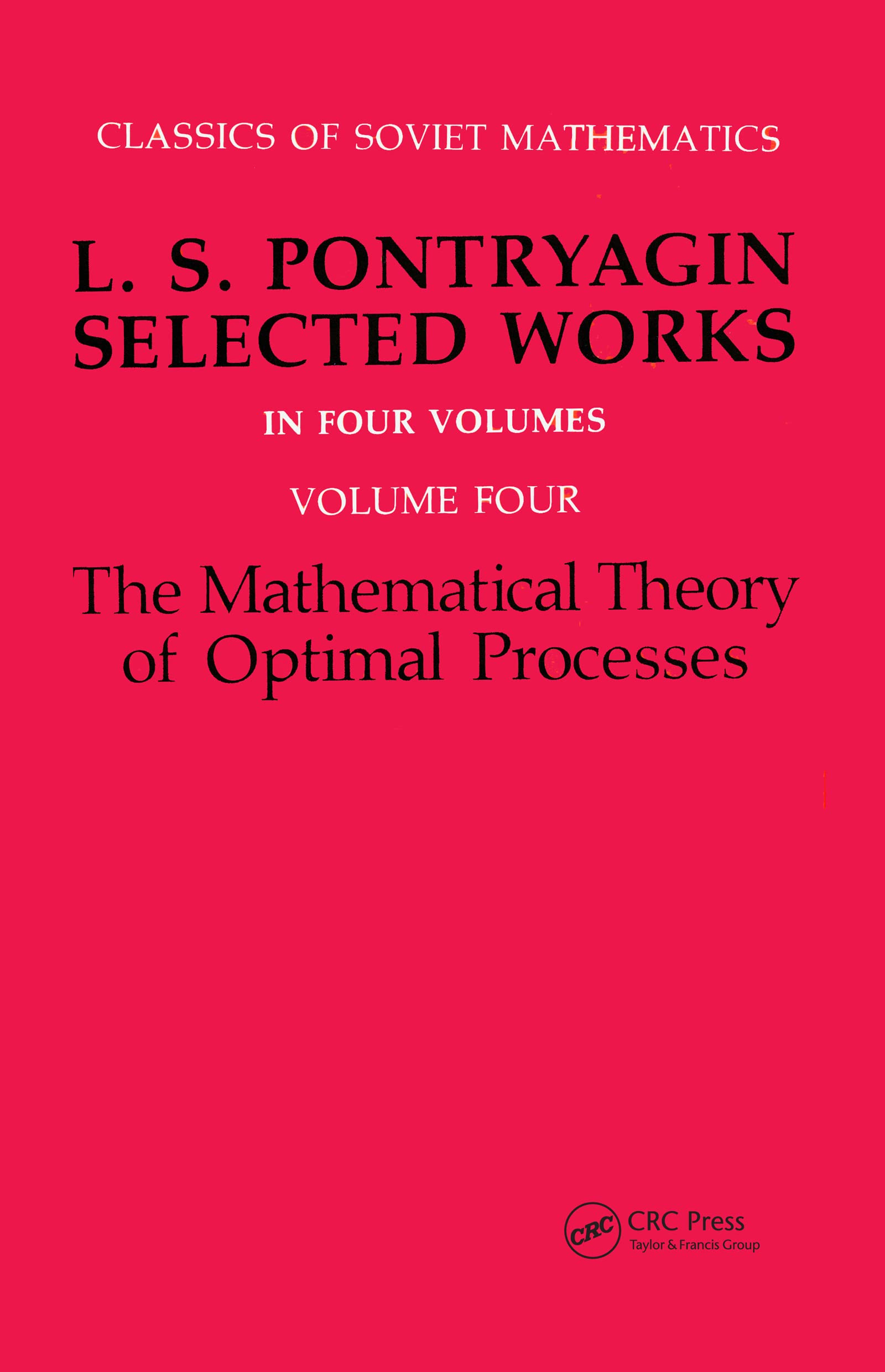
Mathematical Theory of Optimal Processes (Classics of Soviet Mathematics)
Related Products
View All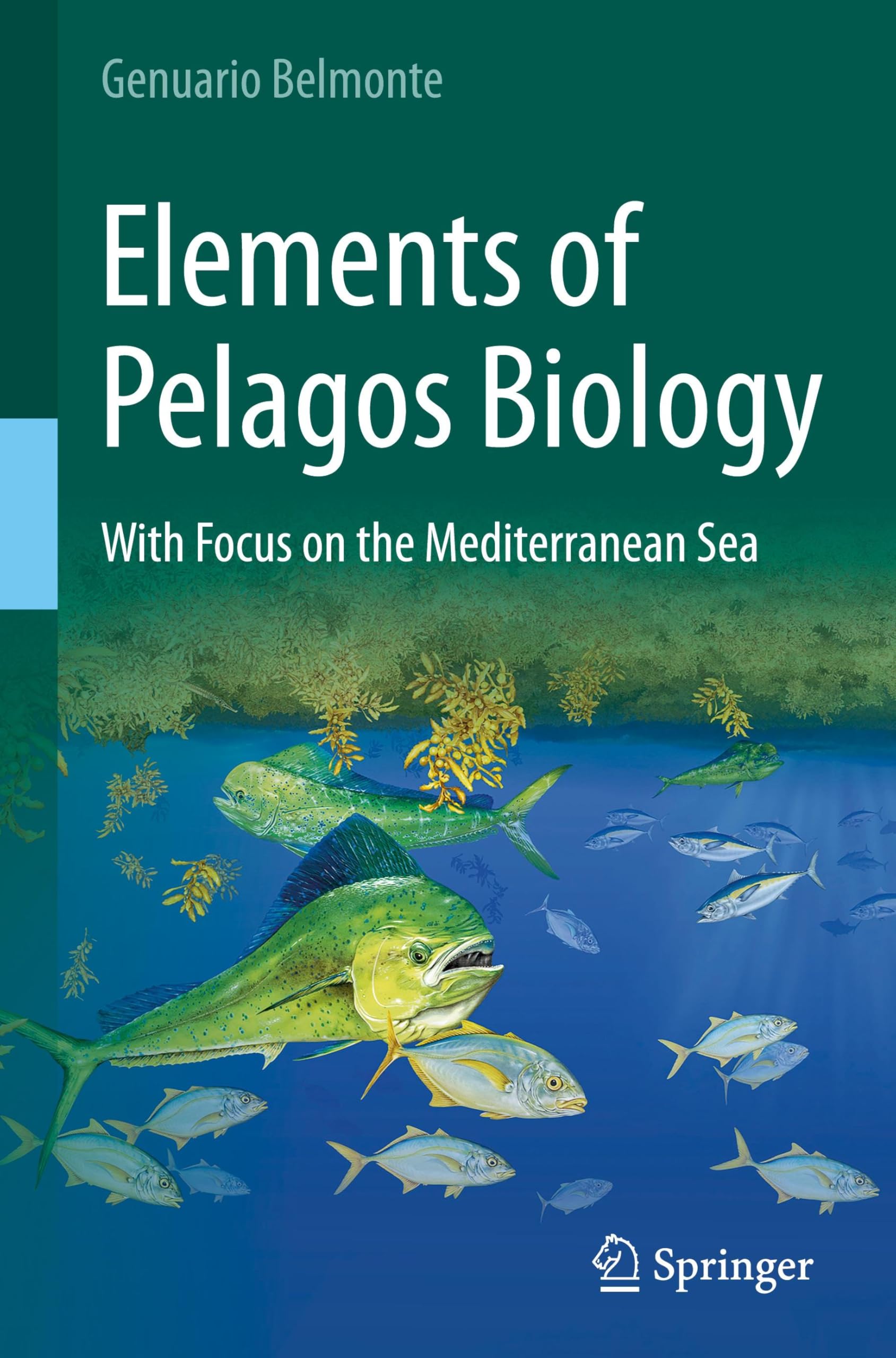
Science & Mathematics
Elements of Pelagos Biology: With Focus on the Mediterranean Sea
Science & Mathematics
Squid - Superconducting Quantum Interference Devices and Their Applications: Proceedings of the International Conference on Superconducting Quantum Devices, Berlin-west, October 4-8, 1976

Science & Mathematics
Thermodynamics and Pattern Formation in Biology
Science & Mathematics
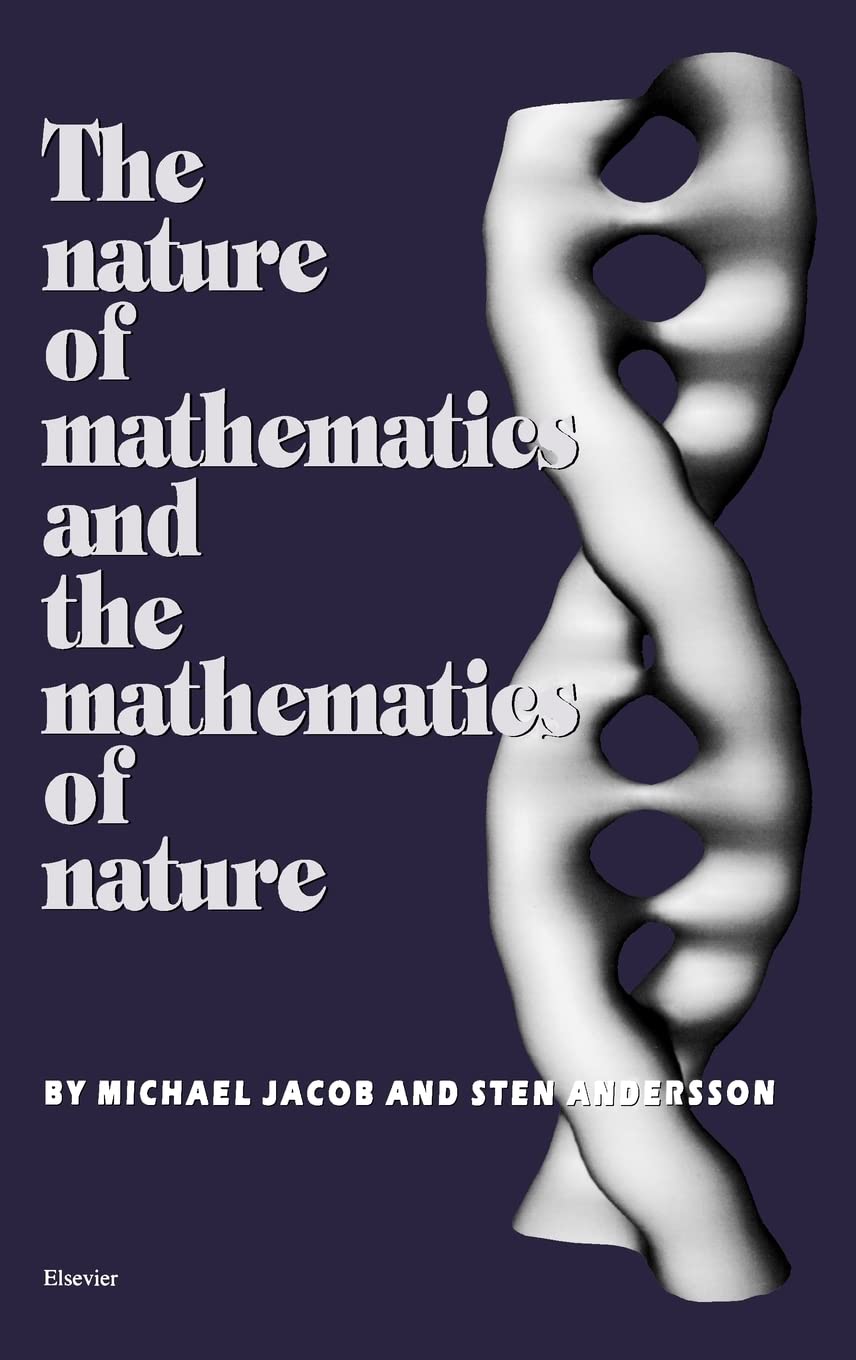
The Nature of Mathematics and the Mathematics of Nature by S. Andersson – Mathematics & Science

Science & Mathematics
Linear Algebra | by Stephen Friedberg | Arnold Insel | Lawrence Spence | Pearson | by Stephen Friedberg | Arnold Insel | Lawrence Spence | Pearson | by Stephen Friedberg | Arnold Insel | Lawrence Spence | Pearson | by Stephen Friedberg | Arnold Insel | Lawrence Spence | Pearson | by Stephen Friedberg | Arnold Insel | Lawrence Spence | Pearson | by Stephen Friedberg | Arnold Insel | Lawrence Spence | Pearson | by Stephen Friedberg | Arnold Insel | Lawrence Spence | Pearson | by Stephen Friedberg

Science & Mathematics