
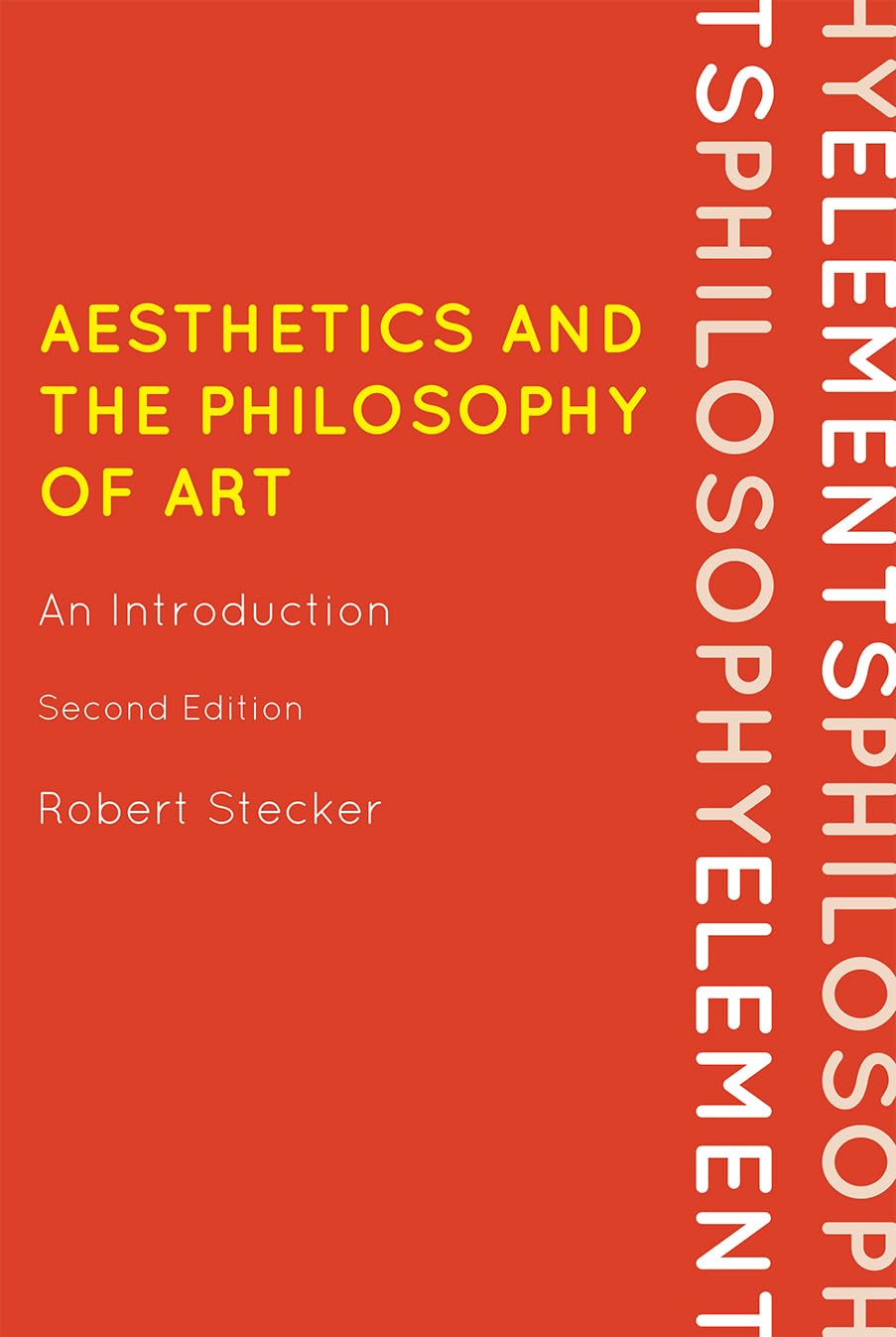
Aesthetics and the Philosophy of Art: An Introduction by Robert Stecker – A Comprehensive Guide for Indian Students of P
Inclusive of all applicable taxes. FREE shipping on all orders.
Available Offers
- 🚚Free Delivery — Free shipping on all orders
- 💵Cash on Delivery — Pay when your order arrives
- ↩️15-Day Easy Returns — Hassle-free return policy
- 🔒Cash on Delivery — Pay safely when your order arrives
Check Delivery
Product Description
Introduction
Aesthetics and the Philosophy of Art: An Introduction by Robert Stecker is a compelling and rigorous entry point into the world of aesthetic theory and philosophical inquiry into art. Published by Rowman & Littlefield, this hardcover edition is designed specifically for students, scholars, and curious readers who wish to explore the foundational questions surrounding beauty, value, and the nature of art. Stecker’s work stands out for its clarity, balanced presentation of competing viewpoints, and its ability to make complex debates accessible without oversimplification. Whether you are a postgraduate student in philosophy, a fine arts enthusiast, or a general reader with a passion for intellectual exploration, this book offers a structured yet engaging journey through the most pressing issues in contemporary aesthetics and the philosophy of art.
Book Overview
This revised and expanded edition of Robert Stecker’s acclaimed introduction preserves the core strengths of the original while incorporating new material and enhanced pedagogical features. The book is structured to guide readers through the evolution of aesthetic thought, from classical theories to modern and postmodern perspectives. Stecker makes a crucial distinction between aesthetics—the study of value and sensory experience—and the philosophy of art, which encompasses a broader range of metaphysical, epistemological, and ethical questions. The text is built around a series of lively debates, where different philosophical positions are presented, critiqued, and refined. This approach not only informs but also trains the reader in critical thinking and argument analysis.
Key Highlights
- Updated Content: This edition includes new discussions on recent developments in the field, ensuring relevance for contemporary readers.
- Clear Distinction: Stecker clearly differentiates between aesthetics and philosophy of art, helping readers understand the scope of each discipline.
- Debate-Driven Structure: The book presents multiple viewpoints on each topic, encouraging readers to weigh arguments and form their own conclusions.
- Accessible Prose: Complex ideas are explained in straightforward language without sacrificing depth or nuance.
- Pedagogical Features: Each chapter includes summaries, key terms, and thought-provoking questions to reinforce learning.
Inside the Book
The book is divided into thematic sections that cover the major areas of inquiry. Early chapters introduce the nature of aesthetic experience, the definition of art, and the ontology of artworks—questions like what it means for something to be a work of art and whether art can be defined at all. Later sections delve into the interpretation of art, the role of intention, and the relationship between art and morality. Stecker also explores issues of aesthetic value, the nature of beauty, and the criteria for evaluating art. Each chapter builds on the previous one, creating a cohesive narrative that moves from foundational concepts to advanced debates. The book concludes with reflections on the future of aesthetics and the philosophy of art, making it a forward-looking resource.
Key Topics
- The definition of art and the problem of demarcation
- Aesthetic experience and the nature of beauty
- Ontology of art: what kind of objects are artworks?
- Interpretation and the role of authorial intention
- Art and morality: can art be judged ethically?
- Aesthetic value and the criteria of artistic merit
- Emotion and expression in art
- Modernism, postmodernism, and the avant-garde
Reader Benefits
This book equips readers with the analytical tools to engage critically with art and aesthetic experiences. By presenting multiple perspectives, Stecker encourages intellectual independence and the ability to evaluate arguments from different philosophical traditions. The structured format makes it easy to follow complex debates, while the real-world examples and references to familiar artworks ground theoretical discussions in tangible experience. Readers will gain a deeper appreciation for the questions that have shaped the arts and humanities, and will be better prepared to participate in academic discourse or simply enrich their personal engagement with art.
Learning Outcomes
- Understand the key concepts and debates in aesthetics and the philosophy of art
- Distinguish between aesthetic value and other forms of value
- Analyze and critique different definitions of art
- Apply philosophical reasoning to questions about interpretation, morality, and artistic merit
- Develop a personal, well-reasoned stance on major issues in the field
Who Should Read
This book is ideal for undergraduate and postgraduate students of philosophy, art history, and cultural studies. It is also highly recommended for artists, curators, and art critics who wish to deepen their theoretical understanding. General readers with an interest in the intellectual foundations of art and beauty will find it both challenging and rewarding. The book assumes no prior background in philosophy, making it suitable for newcomers, while its depth ensures that even advanced readers will find fresh insights.
About the Author
Robert Stecker is a distinguished professor of philosophy known for his contributions to aesthetics, ethics, and the philosophy of mind. He has authored numerous influential articles and books, and his work is widely cited in contemporary debates. Stecker’s ability to present multiple sides of an argument with fairness and clarity has earned him a reputation as an exceptional teacher and scholar. His writing reflects a deep commitment to making philosophy accessible without compromising intellectual rigor.
About the Publisher
Rowman & Littlefield Publishers is a renowned academic and scholarly publisher based in the United States, with a strong global presence. They are known for producing high-quality textbooks, monographs, and reference works in the humanities and social sciences. Their commitment to rigorous scholarship and clear presentation makes them an ideal publisher for a work of this nature. This hardcover edition is built to last, making it a valuable addition to any personal or institutional library.
Conclusion
Aesthetics and the Philosophy of Art: An Introduction is more than a textbook—it is an invitation to think deeply about the arts and our experiences of them. Robert Stecker’s balanced, debate-driven approach ensures that readers come away not with a single answer, but with the ability to ask better questions. For anyone in India seeking a comprehensive, accessible, and intellectually stimulating guide to the philosophy of art, this hardcover edition from Rowman & Littlefield is an excellent choice. Add it to your collection and begin a rewarding journey into the heart of aesthetic inquiry.
Quick Summary
Aesthetics and the Philosophy of Art: An Introduction by Robert Stecker is a comprehensive textbook that offers a rigorous yet accessible exploration of central debates in aesthetics and the philosophy of art. Unlike many introductions, Stecker clearly distinguishes between aesthetics—the study of value—and the philosophy of art, which addresses metaphysical, epistemological, and ethical questions about art. This updated edition expands on the original with new content and enhanced pedagogical features, making it ideal for undergraduate and postgraduate students in philosophy, art history, and humanities programs across India. Readers will learn about art definition, interpretation, aesthetic experience, the relationship between art and morality, emotion, and knowledge, as well as contemporary theories of aesthetic value. The book is written in clear, engaging prose, making complex ideas understandable for beginners while still offering depth for advanced learners. By purchasing from Bookshops.in, Indian students and educators receive a genuine hardcover edition with fast delivery and trusted service, ensuring a valuable addition to their academic library.
Book Highlights
Book Specifications
| ISBN-13 | 9780742564107 |
| ISBN-10 | 074256410X |
| Publisher | Rowman & Littlefield Pub Inc |
| Language | English |
| Dimensions | 15.24 x 2.21 x 22.86 cm |
| Weight | 635 g |
| Category | Philosophy › Aesthetics |
| Genre | Philosophy |
| Original Language | English |
Frequently Asked Questions
What is the main focus of this book?
Who is Robert Stecker?
Is this book suitable for Indian students?
Does the book cover contemporary art theories?
What topics are covered in this edition?
Is prior knowledge of philosophy required?
How is this book different from other aesthetics textbooks?
Can this book be used for self-study?
Does the book include exercises or discussion questions?
What is the price of this book on Bookshops.in?
Is this book available in paperback?
What is the ISBN of this book?
Why should I buy from Bookshops.in?
Readers Also Search For
Customers Also Bought

Islam
Spiritual Economies (English, Daromir Rudnyckyj)

Islam
Who Is Allah? (English, Bruce B. Lawrence)

Islam
Islam and Liberal Citizenship: The Search for an Overlapping Consensus by Andrew F. March

Islam
Fiqh Us-Sunnah: Funerals and Diggers by Al-Sayyid Sabiq – Islamic Funeral Guide

Christianity
Genetics (English, Thomas a. Shannon | Mark P. Aulisio | Françoise Baylis)

Hinduism
Karma and Creativity by Christopher Key Chapple – Indian Philosophy
Related Products
View All
Philosophy
Latin American Philosophy: Currents, Issues, Debates by Eduardo Mendieta

Philosophy
Al-Farabi's Short Commentary on Aristotle's Prior Analytics by Nicholas Rescher – Philosophy
Philosophy
Poetics of Imagining: Modern to Post-modern by Richard Kearney

Philosophy
The Metaphysics of Extrinsic Properties: 11 (Metaphysical Research, 11)
Philosophy
Dialogues on Metaphysics and on Religion by Nicolas Malebranche – Philosophy
Philosophy