
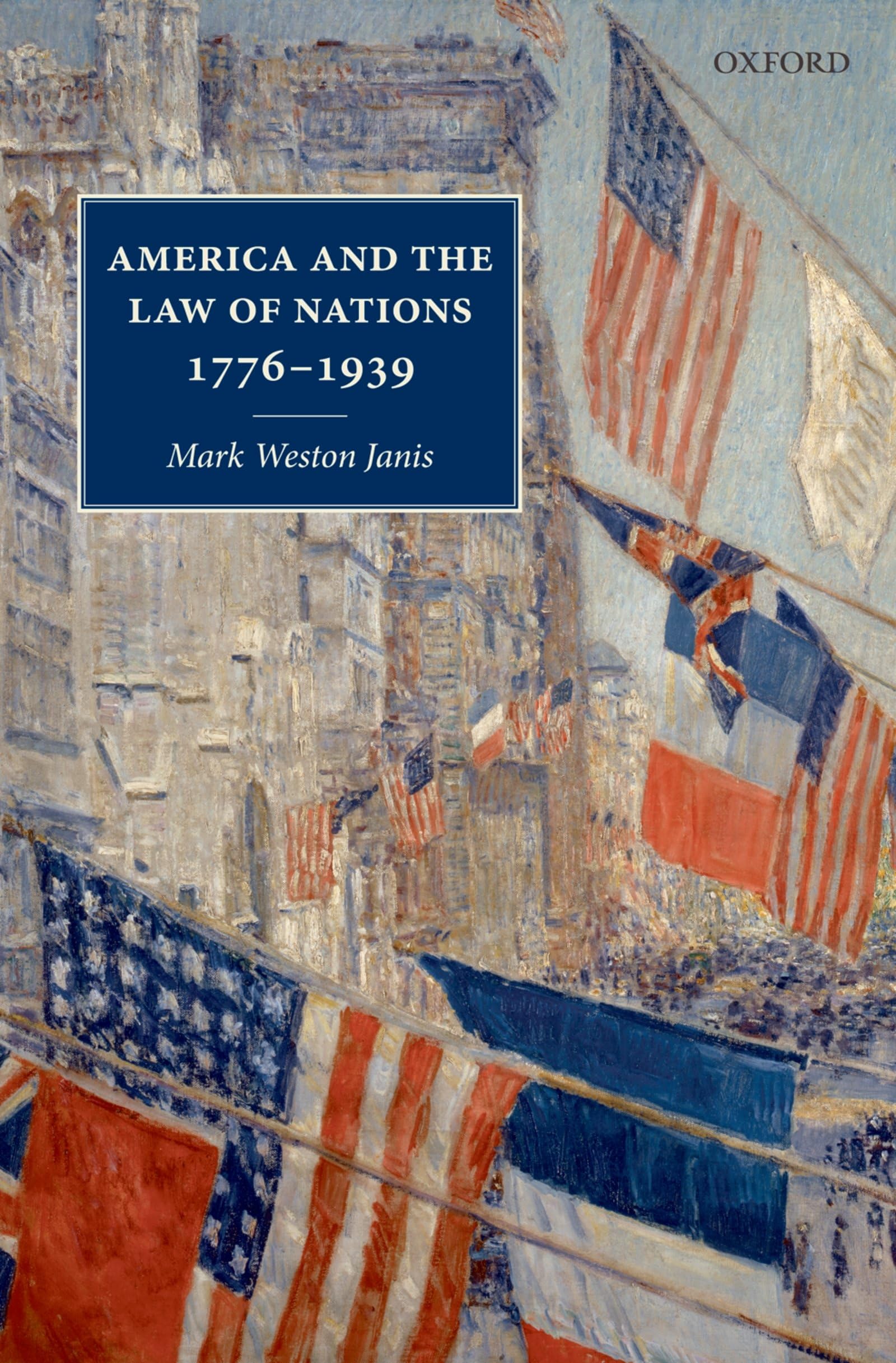
America and the Law of Nations 1776-1939: A Comprehensive Study of US International Law and Legal History by Mark Weston
Inclusive of all applicable taxes. FREE shipping on all orders.
Available Offers
- 🚚Free Delivery — Free shipping on all orders
- 💵Cash on Delivery — Pay when your order arrives
- ↩️15-Day Easy Returns — Hassle-free return policy
- 🔒Cash on Delivery — Pay safely when your order arrives
Check Delivery
Product Description
Introduction
From the founding of the American republic to the brink of the Second World War, the United States has traversed a complex and often contradictory path in its engagement with international law. America and the Law of Nations 1776-1939 offers a sweeping, scholarly examination of how American thinkers, jurists, and statesmen have shaped—and been shaped by—the evolving framework of global legal norms. This hardcover volume from OUP UK is an indispensable resource for anyone seeking to understand the intellectual and practical roots of America's relationship with the international legal order.
Book Overview
Mark Weston Janis, a leading authority on international law and legal history, traces the story from the pivotal role of the law of nations in the drafting of the Declaration of Independence and the U.S. Constitution. He then moves through the nineteenth century, exploring the landmark contributions of jurists like James Kent, Joseph Story, and Roger Taney, and concludes with an incisive analysis of America's wavering support for international institutions in the early twentieth century, including the League of Nations and the World Court. This is not merely a history of treaties and tribunals; it is a rich narrative of ideas, personalities, and national identity.
Key Highlights
- Foundational Insights: Reveals how the law of nations influenced America's founding documents and early judicial thinking.
- Intellectual Giants: Examines the contributions of figures like James Kent, Henry Wheaton, John Marshall, and Joseph Story.
- Utopian Aspirations: Chronicles the efforts of American peace activists and philanthropists—from Dodge to Carnegie—in building international institutions.
- Critical Analysis: Offers a balanced view of Woodrow Wilson's legacy and America's inconsistent support for international law.
- Comprehensive Timeline: Covers over 160 years of American legal and diplomatic evolution in a single, coherent narrative.
Inside the Book
Readers will find a carefully structured journey through time. The opening chapters delve into the revolutionary era, showing how figures like Jefferson and Madison used the law of nations to justify independence and frame a new government. The middle sections explore the golden age of American international law scholarship in the nineteenth century, with detailed discussions of Supreme Court decisions and the rise of treatises. The final part examines the tension between American idealism and isolationism, culminating in the interwar period's debates over the League of Nations and the Permanent Court of International Justice.
Key Topics
- The law of nations in the American Revolution and Constitution
- Early American jurists and the development of international legal doctrine
- Neutrality, prize law, and the role of the Supreme Court
- The peace movement and the quest for international arbitration
- The Hague Conferences and the emergence of international organizations
- America's relationship with the League of Nations and World Court
- The impact of World War I on American international legal thought
Reader Benefits
This book provides a deep, contextual understanding of how international law has been both a tool and a challenge for American foreign policy. For law students, it bridges the gap between abstract legal principles and their historical application. For historians, it offers a fresh lens through which to view America's global ascent. For practitioners and policymakers, it illuminates the enduring tensions that continue to shape U.S. engagement with international tribunals and treaties. The hardcover edition is built to last, making it a valuable addition to any academic or personal library.
Learning Outcomes
By reading this book, you will gain the ability to trace the intellectual origins of key international law concepts as they were interpreted in the United States. You will understand how American courts and scholars have navigated issues of sovereignty, treaty obligation, and humanitarian intervention. You will also develop a critical perspective on the cyclical nature of American internationalism and isolationism, equipping you to better analyse contemporary debates about global governance and the rule of law.
Who Should Read
- Law students and academics specializing in international law, legal history, or American constitutional law.
- Historians focused on U.S. foreign relations, diplomatic history, or the history of political thought.
- Practitioners in international arbitration, human rights, or foreign policy.
- General readers with a keen interest in the philosophical and legal foundations of America's global role.
About the Author
Mark Weston Janis is an internationally recognized scholar of international law and legal history. He has taught at the University of Connecticut School of Law and Oxford University, and his works have been widely cited in both academic and judicial settings. His expertise bridges European and American traditions, giving him a unique vantage point on the transatlantic exchange of legal ideas.
About the Publisher
Oxford University Press (OUP UK) is one of the world's most prestigious academic publishers, known for its rigorous editorial standards and authoritative works in law, history, and the social sciences. This volume upholds that tradition, offering a meticulously researched and elegantly written contribution to the field.
Conclusion
America and the Law of Nations 1776-1939 is more than a history book; it is a vital key to understanding the intellectual DNA of American foreign policy. Whether you are a student, scholar, or engaged citizen, this work will deepen your appreciation of the legal and moral dilemmas that have accompanied America's rise on the world stage. Add this essential hardcover to your collection and explore the enduring dialogue between national interest and international law.
Quick Summary
America and the Law of Nations 1776-1939 by Mark Weston Janis is a seminal work that explores the intricate relationship between the United States and international law from the nation's founding to the eve of World War II. The book demonstrates how American leaders, jurists, and peace activists both embraced and challenged the law of nations, reflecting a complex blend of idealism and pragmatism. It begins with the foundational roles of Thomas Jefferson and James Madison in embedding international law into the Declaration of Independence and the Constitution. The narrative then moves through the 19th century, highlighting the intellectual contributions of legal scholars like James Kent and Henry Wheaton, as well as landmark Supreme Court decisions by John Marshall, Joseph Story, and Roger Taney. The book also examines the efforts of American utopians such as William Ladd, Elihu Burritt, and Andrew Carnegie who campaigned for international peace and the League of Nations. This volume is ideal for law students, historians, political scientists, and anyone interested in the historical roots of modern US foreign policy. By purchasing from Bookshops.in, Indian readers gain access to a meticulously researched hardcover edition from OUP UK, ensuring both academic rigour and lasting quality.
Book Highlights
Book Specifications
| ISBN-13 | 9780199579341 |
| ISBN-10 | 0199579342 |
| Publisher | Oxford Univ Pr on Demand |
| Language | English |
| Dimensions | 23.37 x 2.29 x 16.26 cm |
| Weight | 522 g |
| Category | History Textbooks › United States |
| Genre | Non-fiction |
| Original Language | English |
Frequently Asked Questions
What is the main theme of America and the Law of Nations 1776-1939?
Who is the author of this book?
Which time period does the book cover?
What key figures are discussed in the book?
Is this book suitable for undergraduate students?
Does the book cover the League of Nations?
What is the binding of this book?
What is the ISBN-13 of this book?
Is this book relevant for Indian readers?
Does the book discuss the US Constitution?
What makes this book different from other histories of international law?
Can this book be used as a textbook?
Where can I buy this book in India?
Readers Also Search For
Customers Also Bought

Constitutional Law
Indigenous law and the state
Constitutional Law
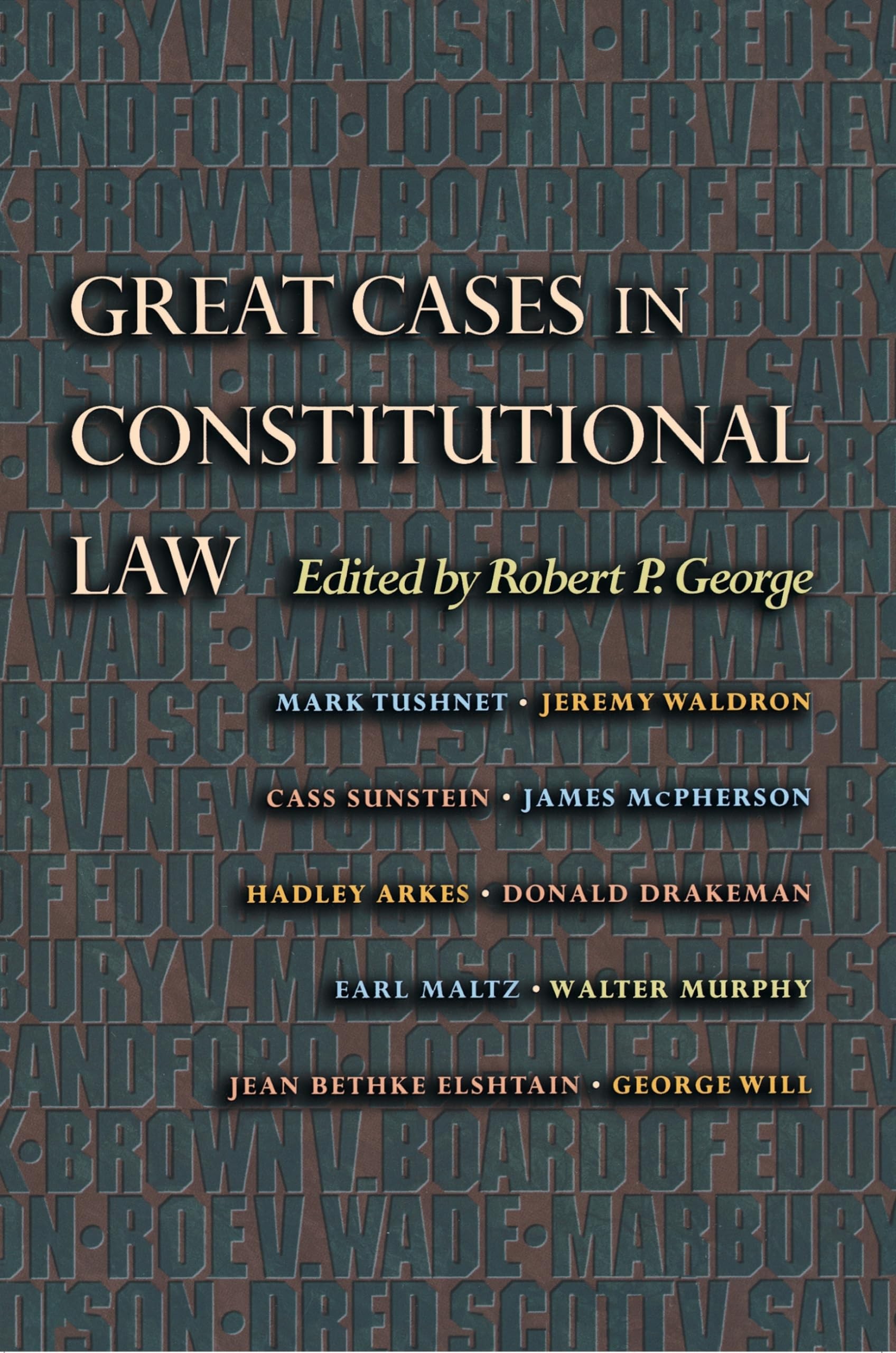
Great Cases in Constitutional Law (English, Robert P. George)
Constitutional Law
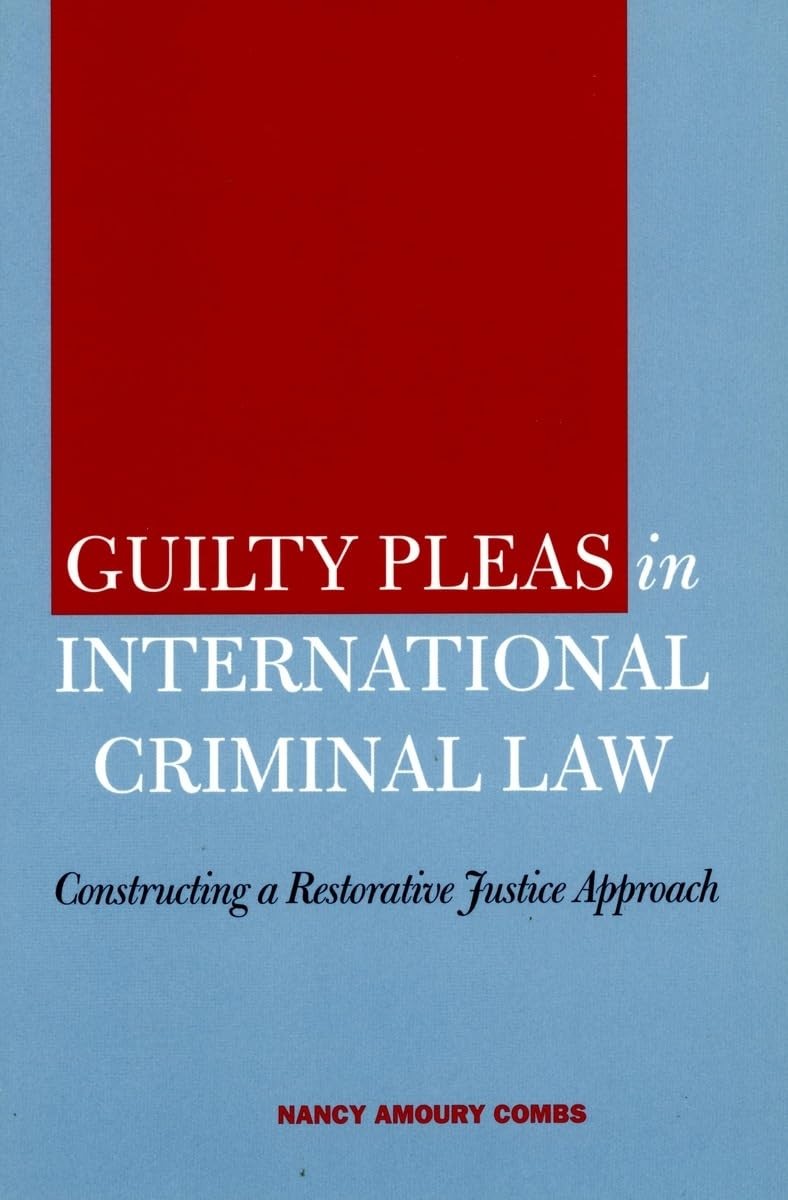
Guilty Pleas in International Criminal Law (English, Nancy Amoury Combs)
Constitutional Law
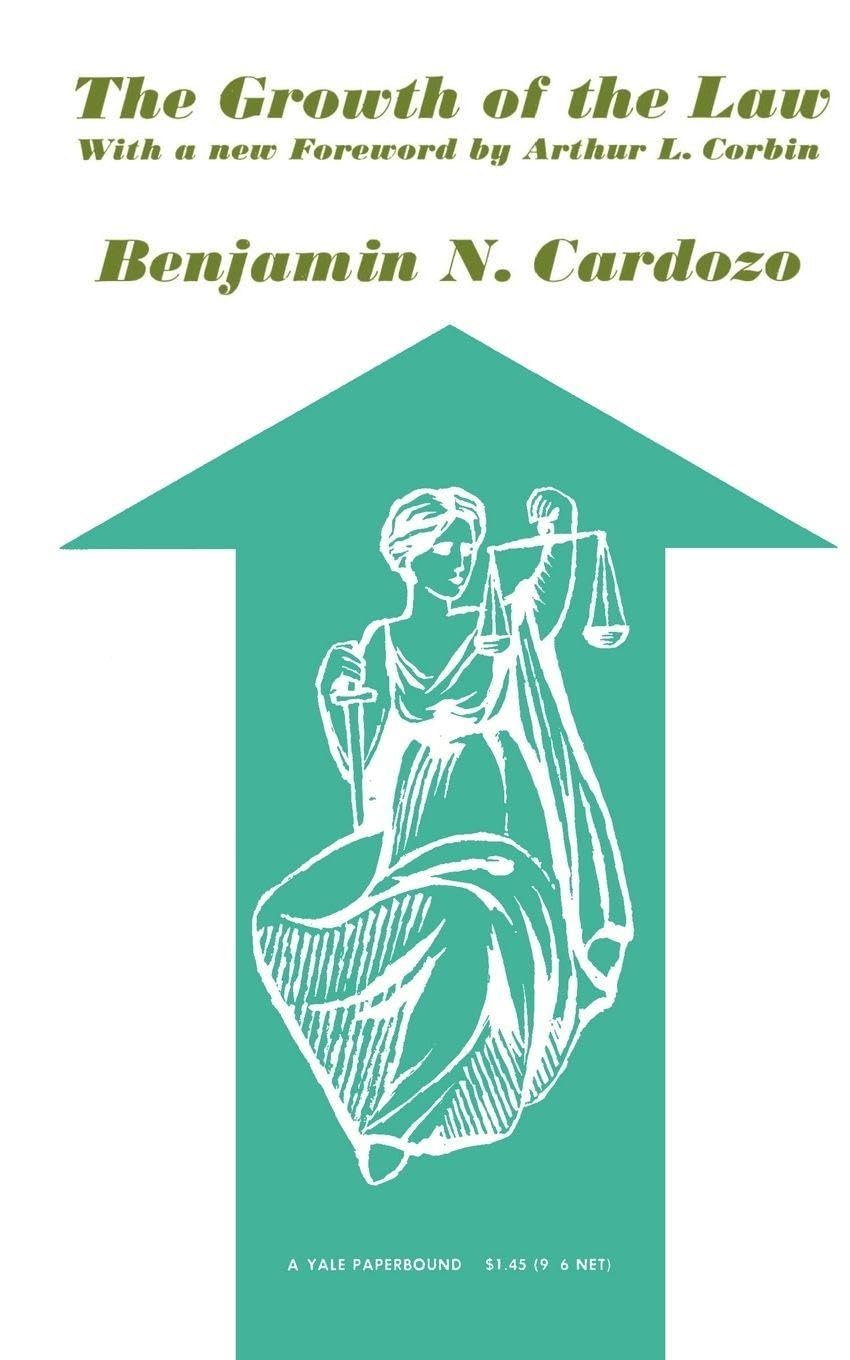
The Growth of the Law by Benjamin N. Cardozo – Jurisprudence
Constitutional Law
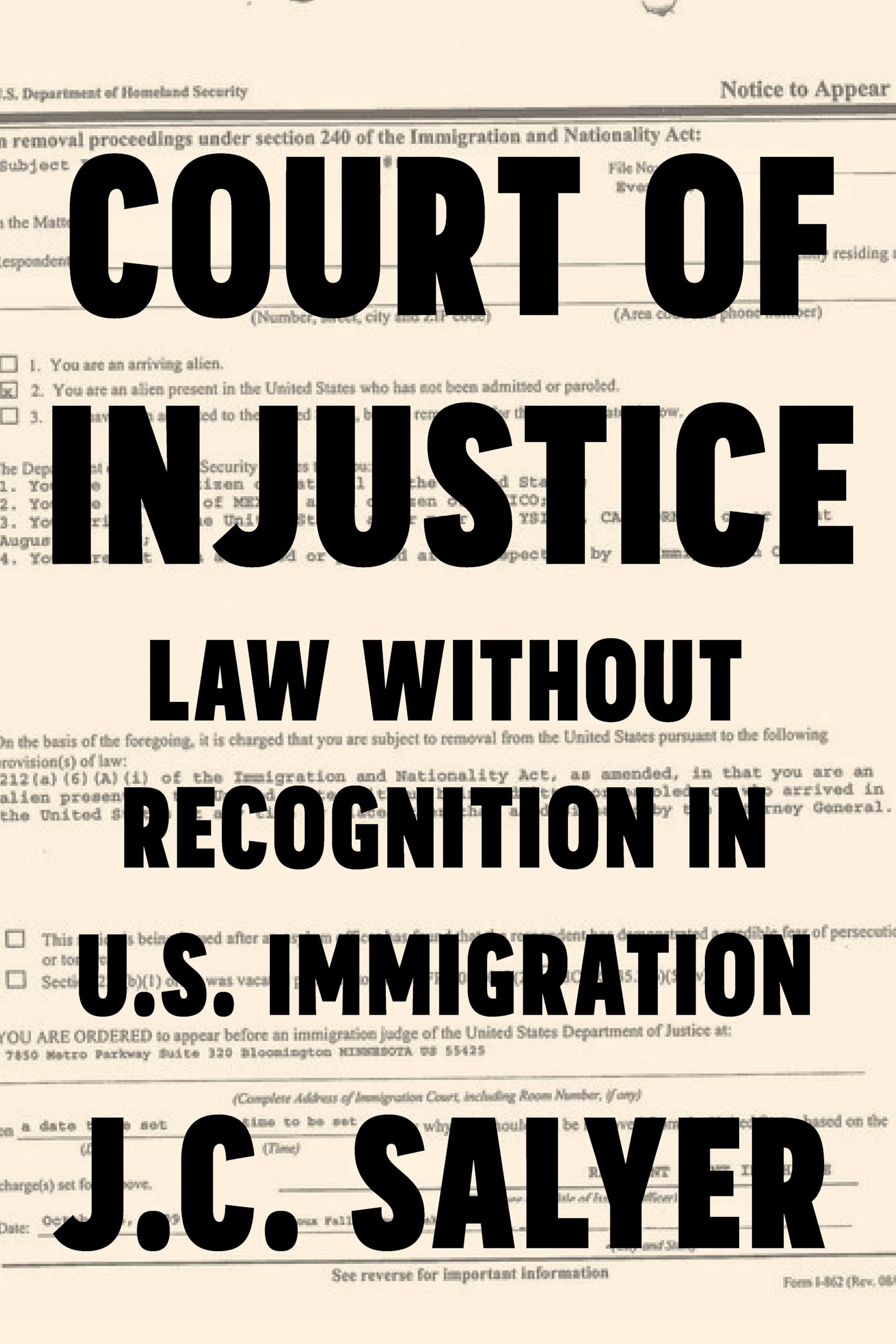
Court of Injustice: Law Without Recognition in U.S. Immigration by J. C. Salyer

Constitutional Law
Youth: Learning Through Cases
Related Products
View All
Law
Mediasport | by Lawrence Wenner | Routledge | by Lawrence Wenner | Routledge | by Lawrence Wenner | Routledge | by Lawrence Wenner | Routledge | by Lawrence Wenner | Routledge | by Lawrence Wenner | Routledge | by Lawrence Wenner | Routledge | by Lawrence Wenner | Routledge | by Lawrence Wenner | Routledge | by Lawrence Wenner | Routledge | by Lawrence Wenner | Routledge | by Lawrence Wenner | Routledge | by Lawrence Wenner | Routledge | by Lawrence Wenner | Routledge | by Lawrence Wenner | Rout
Law
Human Rights Diplomacy | by Rein Mullerson | Routledge | by Rein Mullerson | Routledge | by Rein Mullerson | Routledge | by Rein Mullerson | Routledge | by Rein Mullerson | Routledge | by Rein Mullerson | Routledge | by Rein Mullerson | Routledge | by Rein Mullerson | Routledge | by Rein Mullerson | Routledge | by Rein Mullerson | Routledge | by Rein Mullerson | Routledge | by Rein Mullerson | Routledge | by Rein Mullerson | Routledge | by Rein Mullerson | Routledge | by Rein Mullerson | Routled
Law
Rome the Law-Giver | by Declareuil J. | Routledge | by Declareuil J. | Routledge | by Declareuil J. | Routledge | by Declareuil J. | Routledge | by Declareuil J. | Routledge | by Declareuil J. | Routledge | by Declareuil J. | Routledge | by Declareuil J. | Routledge | by Declareuil J. | Routledge | by Declareuil J. | Routledge | by Declareuil J. | Routledge | by Declareuil J. | Routledge | by Declareuil J. | Routledge | by Declareuil J. | Routledge | by Declareuil J. | Routledge | by Declareuil

Law
Human Rights and Gender Politics | by Anne-Marie Hilsdon | Martha MacIntyre | Vera MacKie | Routledge | by Anne-Marie Hilsdon | Martha MacIntyre | Vera MacKie | Routledge | by Anne-Marie Hilsdon | Martha MacIntyre | Vera MacKie | Routledge | by Anne-Marie Hilsdon | Martha MacIntyre | Vera MacKie | Routledge | by Anne-Marie Hilsdon | Martha MacIntyre | Vera MacKie | Routledge | by Anne-Marie Hilsdon | Martha MacIntyre | Vera MacKie | Routledge | by Anne-Marie Hilsdon | Martha MacIntyre | Vera Mac
Law
Politics of Human Rights in Southeast Asia | by Philip J. Eldridge | Routledge | by Philip J. Eldridge | Routledge | by Philip J. Eldridge | Routledge | by Philip J. Eldridge | Routledge | by Philip J. Eldridge | Routledge | by Philip J. Eldridge | Routledge | by Philip J. Eldridge | Routledge | by Philip J. Eldridge | Routledge | by Philip J. Eldridge | Routledge | by Philip J. Eldridge | Routledge | by Philip J. Eldridge | Routledge | by Philip J. Eldridge | Routledge | by Philip J. Eldridge |
Law