
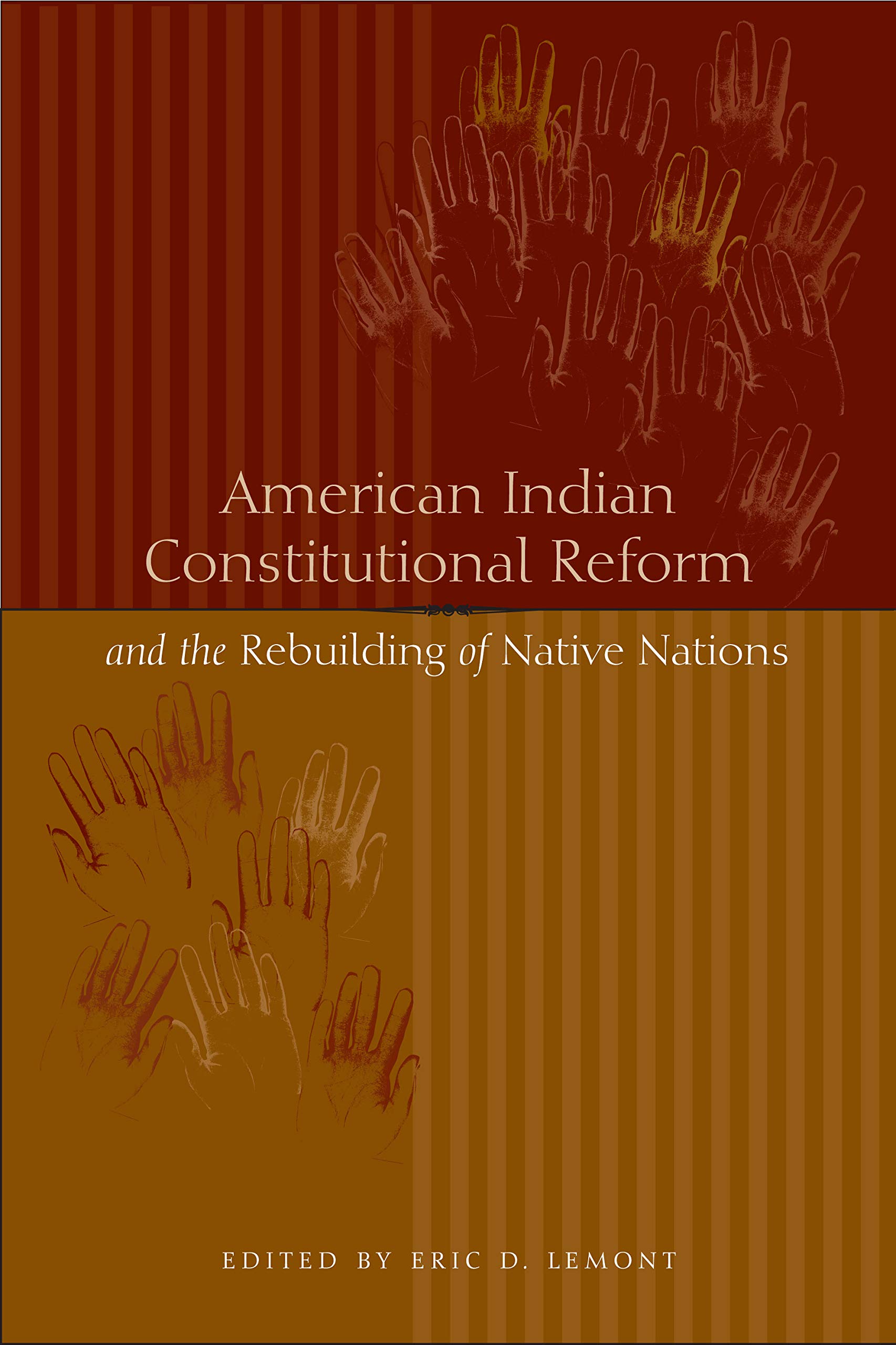
American Indian Constitutional Reform And the Rebuilding of Native Nations by Eric D. Lemont – A Critical Study of Triba
Inclusive of all applicable taxes. FREE shipping on all orders.
Available Offers
- 🚚Free Delivery — Free shipping on all orders
- 💵Cash on Delivery — Pay when your order arrives
- ↩️15-Day Easy Returns — Hassle-free return policy
- 🔒Cash on Delivery — Pay safely when your order arrives
Check Delivery
Product Description
Introduction
In the landscape of legal and political studies, few works address the intricate journey of indigenous self-governance with the depth and clarity found in American Indian Constitutional Reform And the Rebuilding of Native Nations. Edited by Eric D. Lemont and published by the University of Texas Press, this hardcover volume offers a rare and essential exploration of how American Indian nations are reshaping their constitutional frameworks to reclaim autonomy and foster sustainable development. For Indian readers and students of comparative law, this book provides a compelling parallel to discussions on tribal governance, federalism, and indigenous rights in South Asia.
Book Overview
This meticulously curated collection brings together tribal reform leaders, academics, and legal practitioners to present a comprehensive analysis of constitutional reform among federally recognized American Indian nations. Since the U.S. government's shift toward self-determination in 1975, many tribes have moved beyond externally imposed constitutions to create governmental structures that reflect their unique cultural and political values. The book examines the challenges, successes, and ongoing processes of rewriting foundational documents, offering a blueprint for rebuilding native nations from within.
Key Highlights
- First-of-its-kind compilation of writings from tribal leaders, scholars, and legal experts on indigenous constitutional reform.
- Real-world case studies from diverse American Indian nations, illustrating practical challenges and creative solutions.
- Interdisciplinary approach blending law, political science, anthropology, and indigenous studies.
- Critical analysis of how constitutional design impacts economic development, cultural preservation, and governmental accountability.
- Relevance beyond the United States, offering lessons for indigenous communities and federal systems worldwide.
Inside the Book
The book is structured to guide readers from foundational concepts to advanced applications. Opening chapters establish the historical context of U.S. federal Indian policy and the imposition of Western-style constitutions. Subsequent sections delve into the reform process itself, including community engagement, drafting strategies, and ratification. Later chapters evaluate the outcomes of reformed constitutions—examining stability, citizen trust, and economic growth. Appendices include sample constitutional provisions and a glossary of key terms, making the volume accessible to both specialists and newcomers.
Key Topics
- Historical evolution of American Indian self-determination policy
- Constitutional design and indigenous cultural values
- Governmental accountability and citizen participation
- Economic development under reformed tribal governments
- Legal frameworks for tribal sovereignty
- Comparative perspectives on indigenous governance reforms
- Role of tradition and modernity in constitutional drafting
Reader Benefits
Readers will gain a nuanced understanding of how constitutional reform can empower marginalized communities. The book offers practical insights for policymakers, legal professionals, and activists working on indigenous rights or federal-state relations. For law students, it serves as a rich case study in comparative constitutional law. Academics will appreciate the rigorous scholarship and firsthand accounts from reform leaders. Indian readers, in particular, will find parallels with tribal governance issues in Northeast India and other regions, making this a valuable resource for decolonizing legal studies.
Learning Outcomes
- Understand the historical and political context of American Indian constitutional reform.
- Analyze the relationship between constitutional design and community well-being.
- Evaluate different approaches to integrating cultural values into legal frameworks.
- Identify strategies for building governmental legitimacy and citizen trust.
- Apply lessons from native nations to other indigenous and federal contexts.
Who Should Read
This book is ideal for law students, political science scholars, indigenous rights advocates, constitutional lawyers, anthropologists, and policymakers working on tribal governance. It is also highly recommended for anyone interested in decolonization, comparative federalism, or the intersection of law and culture. Indian readers studying the Sixth Schedule or tribal autonomy movements will find this work especially enlightening.
About the Author
Eric D. Lemont is a respected scholar and practitioner in the field of American Indian law and governance. With extensive experience working alongside tribal nations, Lemont has edited this volume to amplify the voices of those directly engaged in constitutional reform. His work reflects a deep commitment to indigenous sovereignty and practical legal scholarship.
About the Publisher
University of Texas Press is a leading academic publisher known for its rigorous and impactful works in the humanities and social sciences. With a strong focus on indigenous studies, law, and cultural preservation, the press has published numerous titles that shape scholarly discourse and inform policy. This hardcover edition reflects their commitment to quality and enduring relevance.
Conclusion
American Indian Constitutional Reform And the Rebuilding of Native Nations is an indispensable resource for anyone seeking to understand the transformative power of constitutional change in indigenous communities. By blending theory with practice, it offers a roadmap for rebuilding nations on their own terms. For Indian readers, it opens a vital dialogue on self-governance, cultural resilience, and the law's role in shaping just societies. Order your copy today from Bookshops.in and add this landmark work to your collection.
Quick Summary
American Indian Constitutional Reform And the Rebuilding of Native Nations by Eric D. Lemont is a seminal collection that examines the transformative process of constitutional change among Native American tribes. Since the U.S. government's 1975 policy shift toward self-determination, many of the 562 federally recognized tribes have been rewriting constitutions originally imposed by the federal government. This book brings together tribal leaders, legal scholars, and political scientists to explore how new constitutions are fostering governmental stability, accountability, and cultural relevance. Readers will learn about the challenges of designing institutions that balance tradition with modern governance needs, and how these reforms lay the groundwork for economic and political development. The book is ideal for law students, policymakers, anthropologists, and anyone interested in indigenous rights and comparative constitutionalism. By purchasing from Bookshops.in, Indian readers gain access to a high-quality hardcover edition that offers lasting value for academic and professional reference.
Book Highlights
Book Specifications
| ISBN-13 | 9780292713178 |
| ISBN-10 | 0292713177 |
| Publisher | Univ of Texas Pr |
| Language | English |
| Dimensions | 15.24 x 2.39 x 22.86 cm |
| Weight | 544 g |
| Country | India |
| Category | Law › Constitutional Law |
| Genre | Non-fiction |
| Original Language | English |
Frequently Asked Questions
What is the main focus of this book?
Who edited this book?
Is this book relevant for Indian readers?
Does the book include case studies?
What is the binding of this book?
Is this book suitable for undergraduate students?
What language is the book in?
Does the book cover the Indian Reorganization Act?
Who is the publisher?
What is the ISBN-13?
Can this book help in understanding tribal economic development?
Are there contributions from Native American scholars?
Where can I buy this book in India?
Readers Also Search For
Customers Also Bought

Constitutional Law
Indigenous law and the state
Constitutional Law
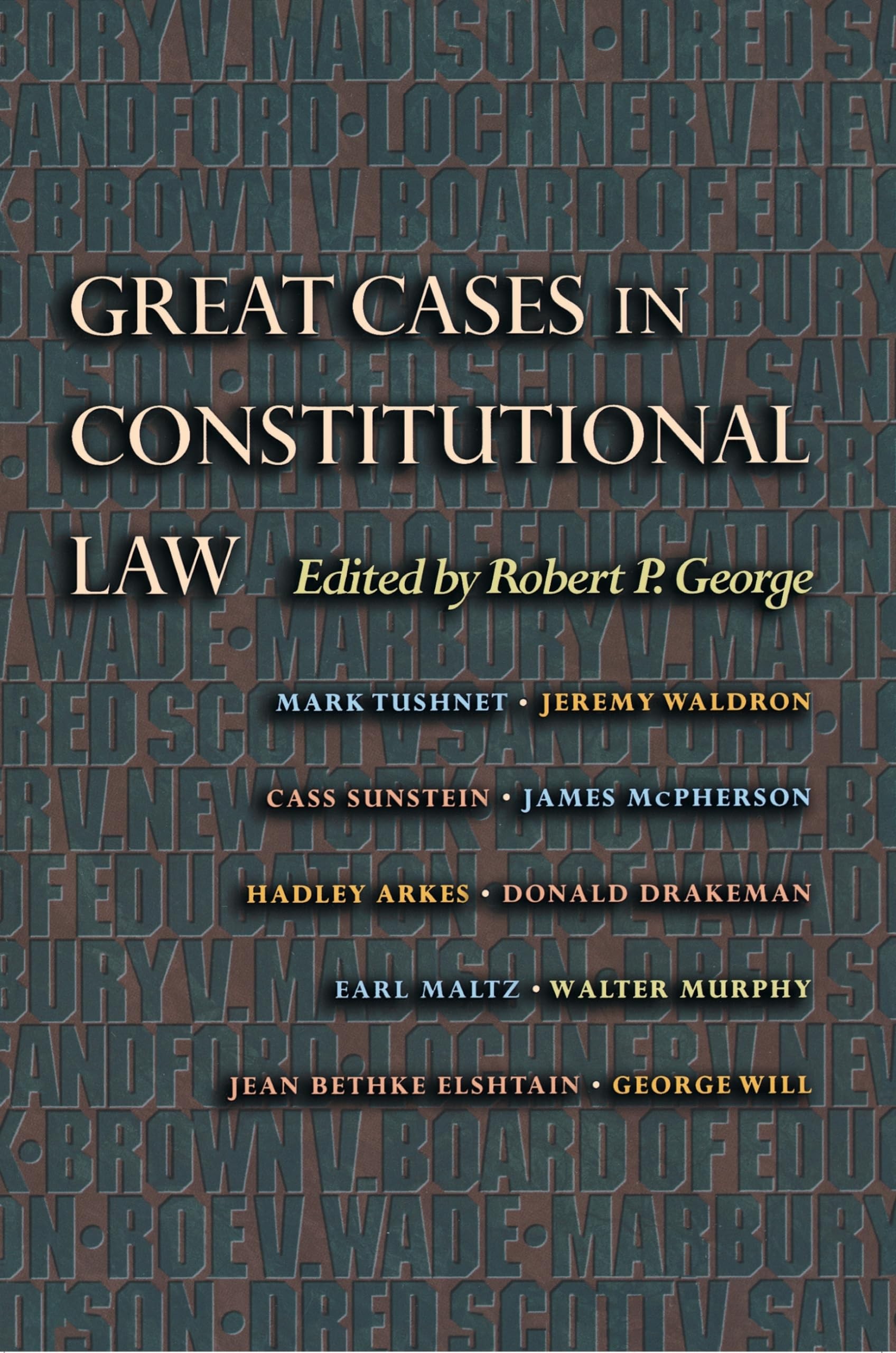
Great Cases in Constitutional Law (English, Robert P. George)

Constitutional Law
Guilty Pleas in International Criminal Law (English, Nancy Amoury Combs)
Constitutional Law
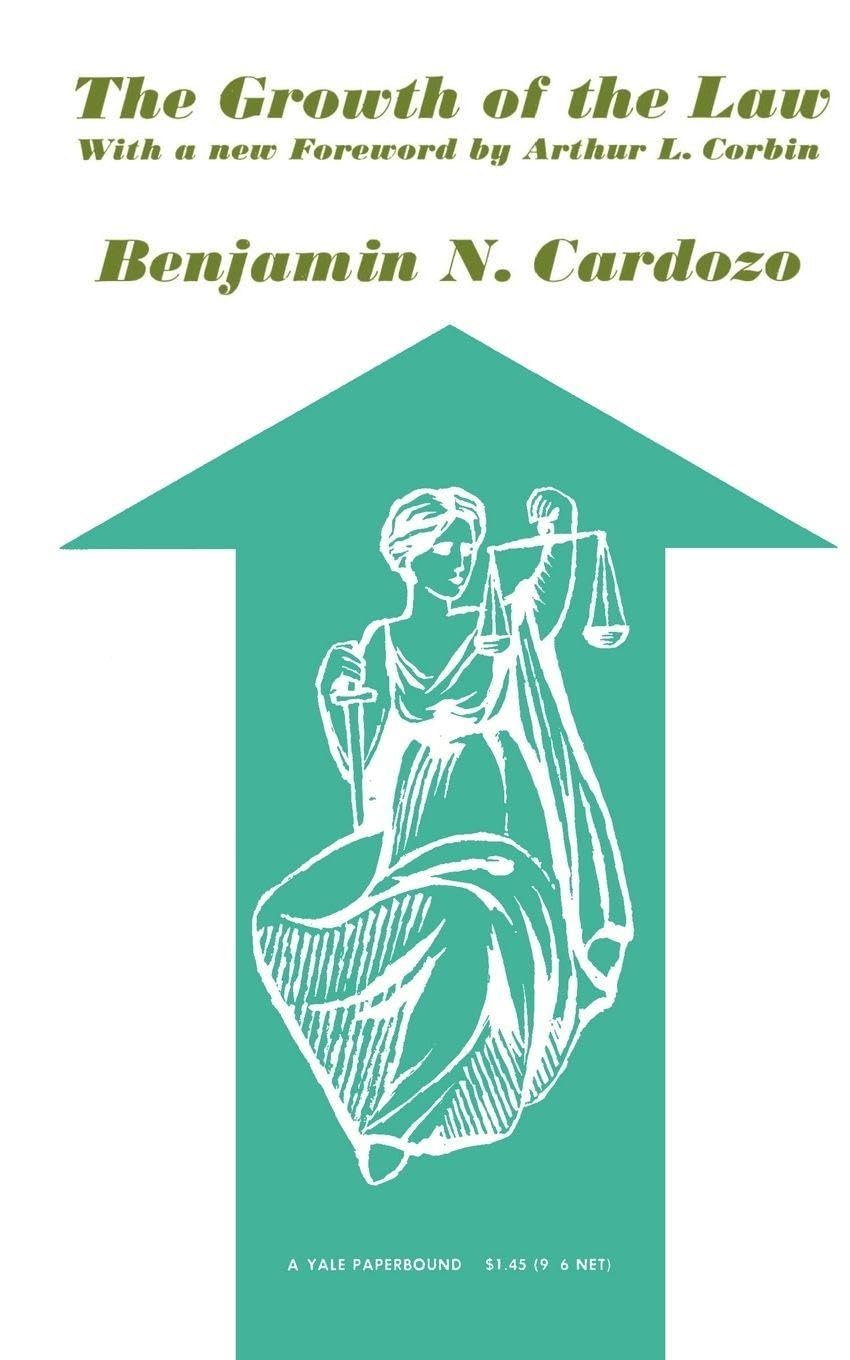
The Growth of the Law by Benjamin N. Cardozo – Jurisprudence
Constitutional Law
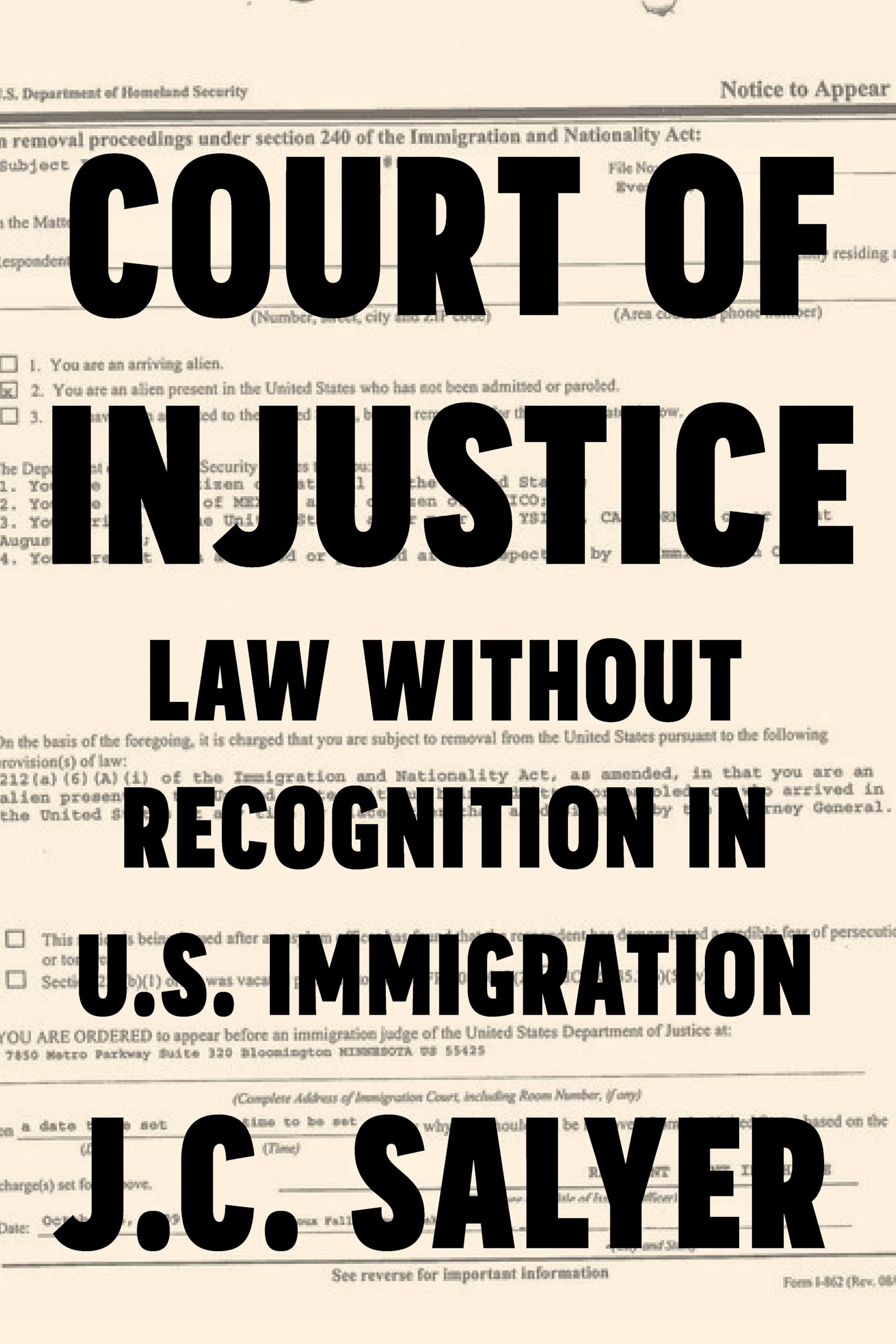
Court of Injustice: Law Without Recognition in U.S. Immigration by J. C. Salyer
Constitutional Law
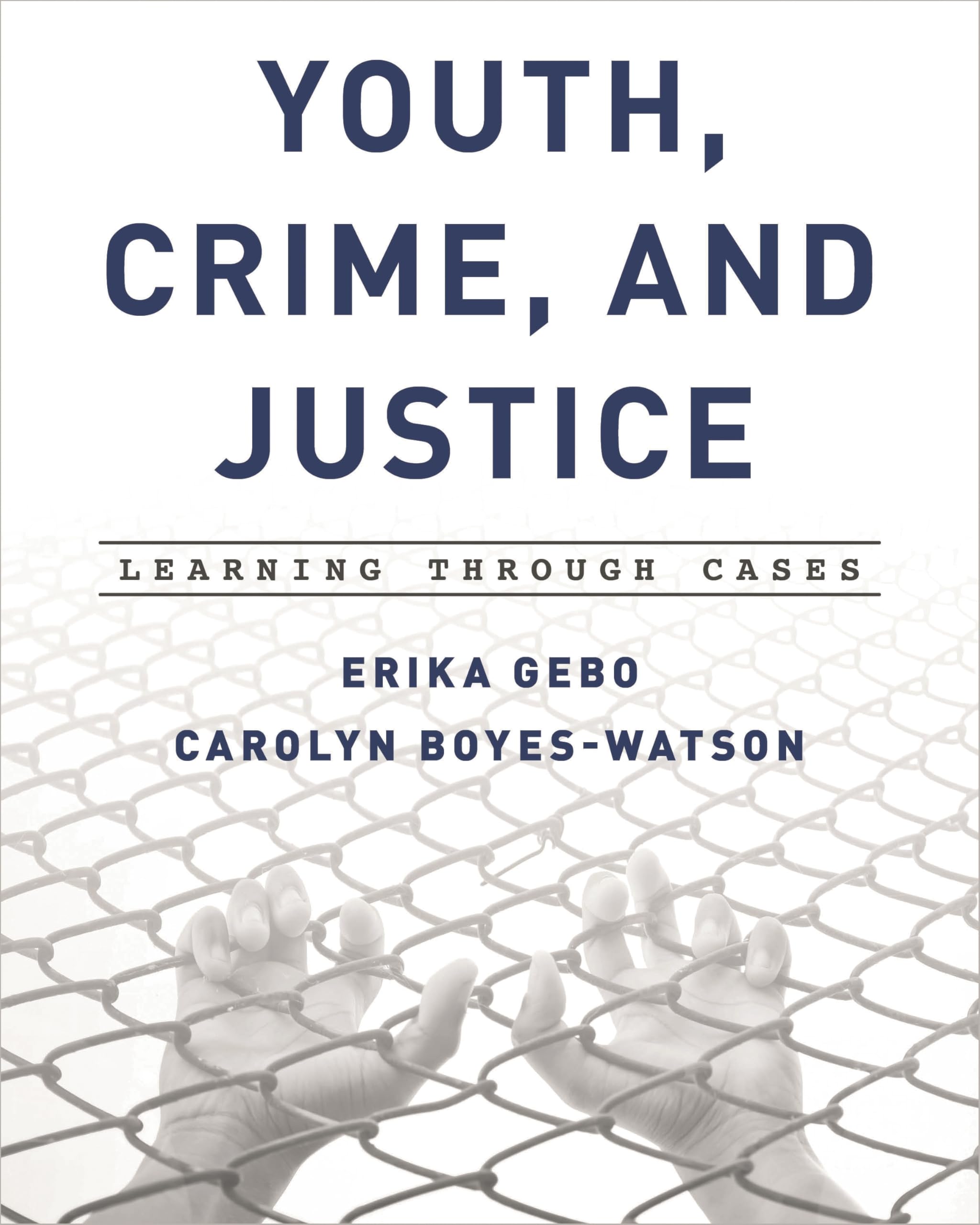
Youth: Learning Through Cases
Related Products
View AllConstitutional Law
Indigenous law and the state
Constitutional Law
Great Cases in Constitutional Law (English, Robert P. George)
Constitutional Law
Guilty Pleas in International Criminal Law (English, Nancy Amoury Combs)
Constitutional Law
The Growth of the Law by Benjamin N. Cardozo – Jurisprudence
Constitutional Law
Court of Injustice: Law Without Recognition in U.S. Immigration by J. C. Salyer
Constitutional Law