
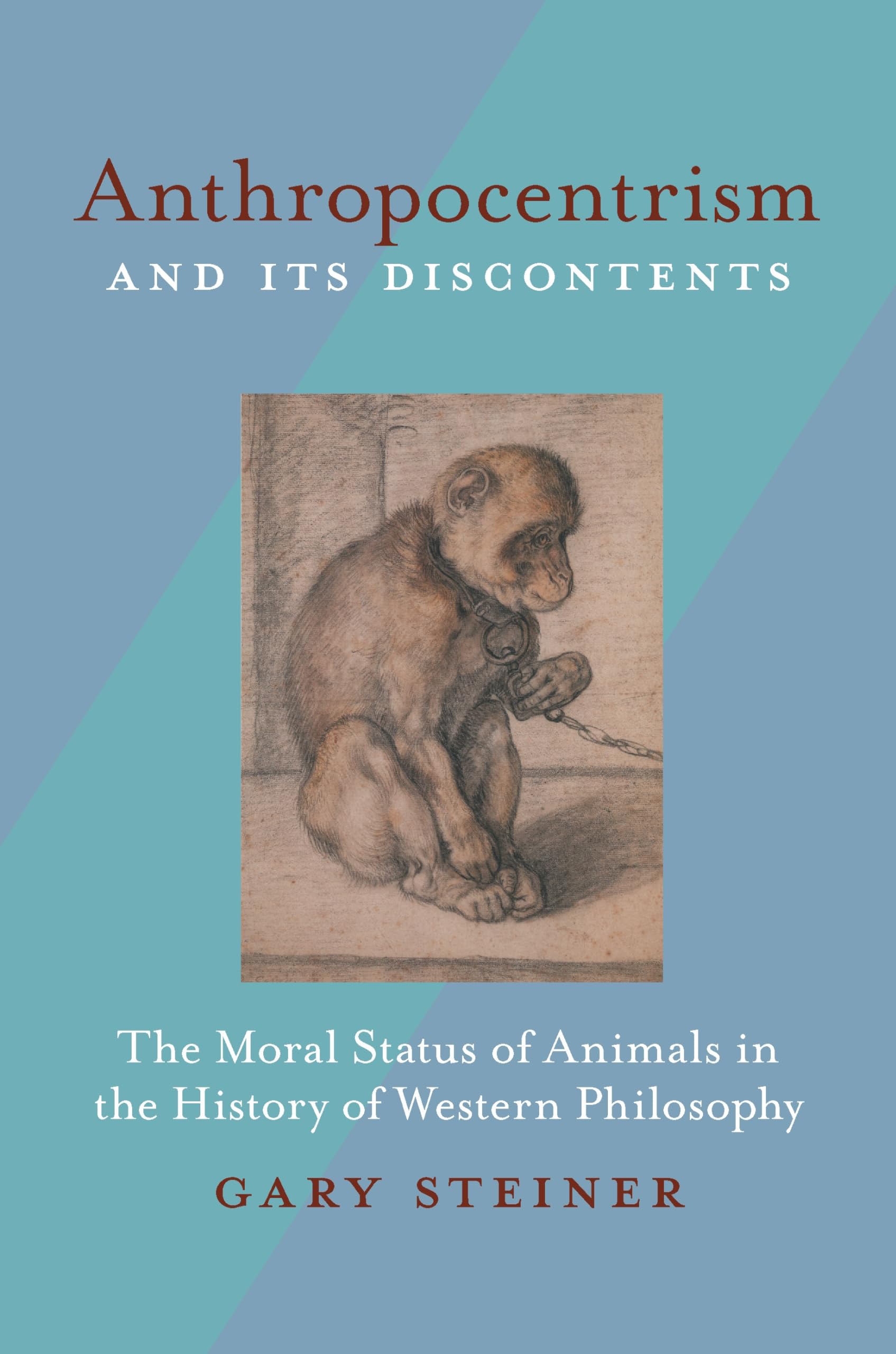
Anthropocentrism and Its Discontents: The Moral Status of Animals in the History of Western Philosophy by Gary Steiner –
Inclusive of all applicable taxes. FREE shipping on all orders.
Available Offers
- 🚚Free Delivery — Free shipping on all orders
- 💵Cash on Delivery — Pay when your order arrives
- ↩️15-Day Easy Returns — Hassle-free return policy
- 🔒Cash on Delivery — Pay safely when your order arrives
Check Delivery
Product Description
Introduction
In a world increasingly aware of the ethical dimensions of our relationship with non-human life, Anthropocentrism and Its Discontents: The Moral Status of Animals in the History of Western Philosophy by Gary Steiner offers an essential journey into the intellectual foundations of human-animal relations. This rigorous hardcover volume, published by University of Pittsburgh Press, is a must-have for Indian students of philosophy, ethics, and environmental studies who seek to understand how Western thought has shaped—and often limited—our moral consideration of animals.
Book Overview
This book provides the first comprehensive examination of how Western philosophers, from Homeric Greece to the twentieth century, have conceptualized the moral status of animals. Gary Steiner traces the dominant anthropocentric tradition—which places humans at the centre of moral concern—while also recovering the dissenting voices that have argued for a fundamental kinship between humans and other animals. The work bridges ancient, medieval, modern, and contemporary philosophy, making it an indispensable resource for anyone grappling with questions of animal ethics, environmental justice, and the limits of moral community.
Key Highlights
- First comprehensive study of animal moral status across the entire history of Western philosophy
- Critical engagement with both anthropocentric and anti-anthropocentric traditions
- Clear analysis of how cognitive ethology and debates about animal consciousness inform philosophical arguments
- Relevant for Indian readers seeking to compare Western perspectives with Eastern and Dharmic traditions of animal reverence
- Hardcover edition from a prestigious academic publisher, built for lasting reference
Inside the Book
The book is structured chronologically, beginning with Homeric and pre-Socratic views, moving through Plato and Aristotle, then into Hellenistic, Roman, and Medieval thought. Steiner devotes substantial attention to the early modern period—Descartes, Hume, Kant—and continues into the nineteenth and twentieth centuries with figures like Schopenhauer, Nietzsche, Heidegger, and contemporary thinkers. Each chapter not only presents the philosopher's views but also critically evaluates their underlying assumptions about reason, sensation, and moral considerably. The concluding sections address recent shifts toward cognitive ethology and the growing willingness among scholars to attribute mental capacities such as self-awareness and limited moral agency to animals.
Key Topics
- The concept of anthropocentrism and its historical roots in Western metaphysics
- Animal rationality, sentience, and the criteria for moral status
- The role of religion and theology in shaping attitudes toward animals
- Comparisons between human and animal consciousness
- The ethical implications of cognitive ethology
- Recurring counter-traditions that affirm kinship between humans and animals
- The limits of moral community and the possibility of animal rights
Reader Benefits
Readers will gain a deep, historically grounded understanding of why Western philosophy has largely excluded animals from the sphere of moral concern. This book equips you with the philosophical tools to critically evaluate contemporary debates about animal welfare, factory farming, wildlife conservation, and the ethics of animal experimentation. For Indian students, it provides a valuable comparative framework to examine how Western anthropocentrism contrasts with Indian philosophical traditions—such as Jain ahimsa, Buddhist compassion, and Hindu reverence for all life—and how these traditions might inform a more inclusive global ethic.
Learning Outcomes
- Understand the historical development of anthropocentric thought from ancient Greece to the present
- Identify key philosophical arguments for and against granting moral status to animals
- Critically analyze the assumptions underlying different ethical positions on animal treatment
- Recognize the influence of cognitive ethology on contemporary animal ethics
- Develop a nuanced perspective on the relationship between reason, consciousness, and moral considerably
- Apply philosophical insights to real-world ethical dilemmas involving animals
Who Should Read
This book is ideal for undergraduate and postgraduate students of philosophy, ethics, environmental studies, and animal science in Indian universities. It is also highly relevant for researchers, animal rights activists, veterinarians, wildlife conservationists, and general readers with a serious interest in the moral foundations of human-animal relations. Anyone preparing for competitive examinations in philosophy or ethics—such as UGC NET or civil services—will find this a valuable scholarly resource.
About the Author
Gary Steiner is a professor of philosophy at Bucknell University, where he has taught for over three decades. His research focuses on ancient philosophy, Continental philosophy, and animal ethics. He is the author of several influential works, including Animals and the Limits of Postmodernism and Animals and the Moral Community. Steiner’s scholarship is known for its historical depth, critical rigor, and commitment to uncovering marginalized voices in the Western philosophical tradition.
About the Publisher
University of Pittsburgh Press is a distinguished academic publisher known for its contributions to philosophy, environmental studies, and the humanities. With a commitment to scholarly excellence, the press publishes works that challenge conventional thinking and advance intellectual discourse. This hardcover edition reflects the press’s dedication to producing durable, high-quality books for serious readers and researchers.
Conclusion
Anthropocentrism and Its Discontents is more than a historical survey—it is a call to rethink the moral boundaries that have defined Western civilization. For Indian readers, it offers a crucial opportunity to engage with global philosophical debates while reflecting on the rich animal-ethical traditions of our own culture. Whether you are a student, scholar, or concerned citizen, this book will transform how you understand the place of animals in moral philosophy. Add this indispensable volume to your library from Bookshops.in today.
Quick Summary
Anthropocentrism and Its Discontents by Gary Steiner is a landmark scholarly work that traces the moral status of animals through the entire history of Western philosophy, from Homeric Greece to the twentieth century. Steiner critically examines how major philosophers—from Aristotle and Descartes to Kant and beyond—have constructed a human-centered worldview that largely excludes animals from the moral community. At the same time, he uncovers dissenting voices and traditions that have questioned this anthropocentrism. The book integrates insights from cognitive ethology, which reveals surprising continuities between human and animal minds, including consciousness, self-awareness, intention, and even limited moral agency. This book is ideal for philosophy students, researchers in animal ethics, and anyone interested in the deep intellectual roots of our treatment of nonhuman animals. Readers will gain a nuanced understanding of how philosophical ideas have shaped—and continue to shape—our ethical obligations toward animals. By purchasing from Bookshops.in, Indian readers receive a premium imported hardcover edition with fast delivery and excellent customer service.
Book Highlights
Book Specifications
| ISBN-13 | 9780822961192 |
| ISBN-10 | 0822961199 |
| Publisher | Univ of Pittsburgh Pr |
| Language | English |
| Dimensions | 15.56 x 2.29 x 23.5 cm |
| Weight | 499 g |
| Category | Philosophy › Ethics |
| Genre | Philosophy |
| Original Language | English |
Frequently Asked Questions
What is the main thesis of Anthropocentrism and Its Discontents?
Who is the author Gary Steiner?
Is this book suitable for undergraduate students?
Does the book cover Indian or Eastern philosophical traditions?
How does the book engage with modern animal rights theories?
What is the price of the book on Bookshops.in?
Does the book include references to cognitive ethology?
Can I use this book for a research paper on animal ethics?
What is the language of the book?
Does the book cover the views of Aristotle on animals?
Is there any discussion of animal rights in ancient philosophy?
Why should I buy this book from Bookshops.in?
Readers Also Search For
Customers Also Bought

Islam
Spiritual Economies (English, Daromir Rudnyckyj)

Islam
Who Is Allah? (English, Bruce B. Lawrence)

Islam
Islam and Liberal Citizenship: The Search for an Overlapping Consensus by Andrew F. March

Islam
Fiqh Us-Sunnah: Funerals and Diggers by Al-Sayyid Sabiq – Islamic Funeral Guide

Christianity
Genetics (English, Thomas a. Shannon | Mark P. Aulisio | Françoise Baylis)

Hinduism
Karma and Creativity by Christopher Key Chapple – Indian Philosophy
Related Products
View All
Philosophy
Latin American Philosophy: Currents, Issues, Debates by Eduardo Mendieta

Philosophy
Al-Farabi's Short Commentary on Aristotle's Prior Analytics by Nicholas Rescher – Philosophy

Philosophy
Poetics of Imagining: Modern to Post-modern by Richard Kearney

Philosophy
The Metaphysics of Extrinsic Properties: 11 (Metaphysical Research, 11)

Philosophy
Dialogues on Metaphysics and on Religion by Nicolas Malebranche – Philosophy

Philosophy