
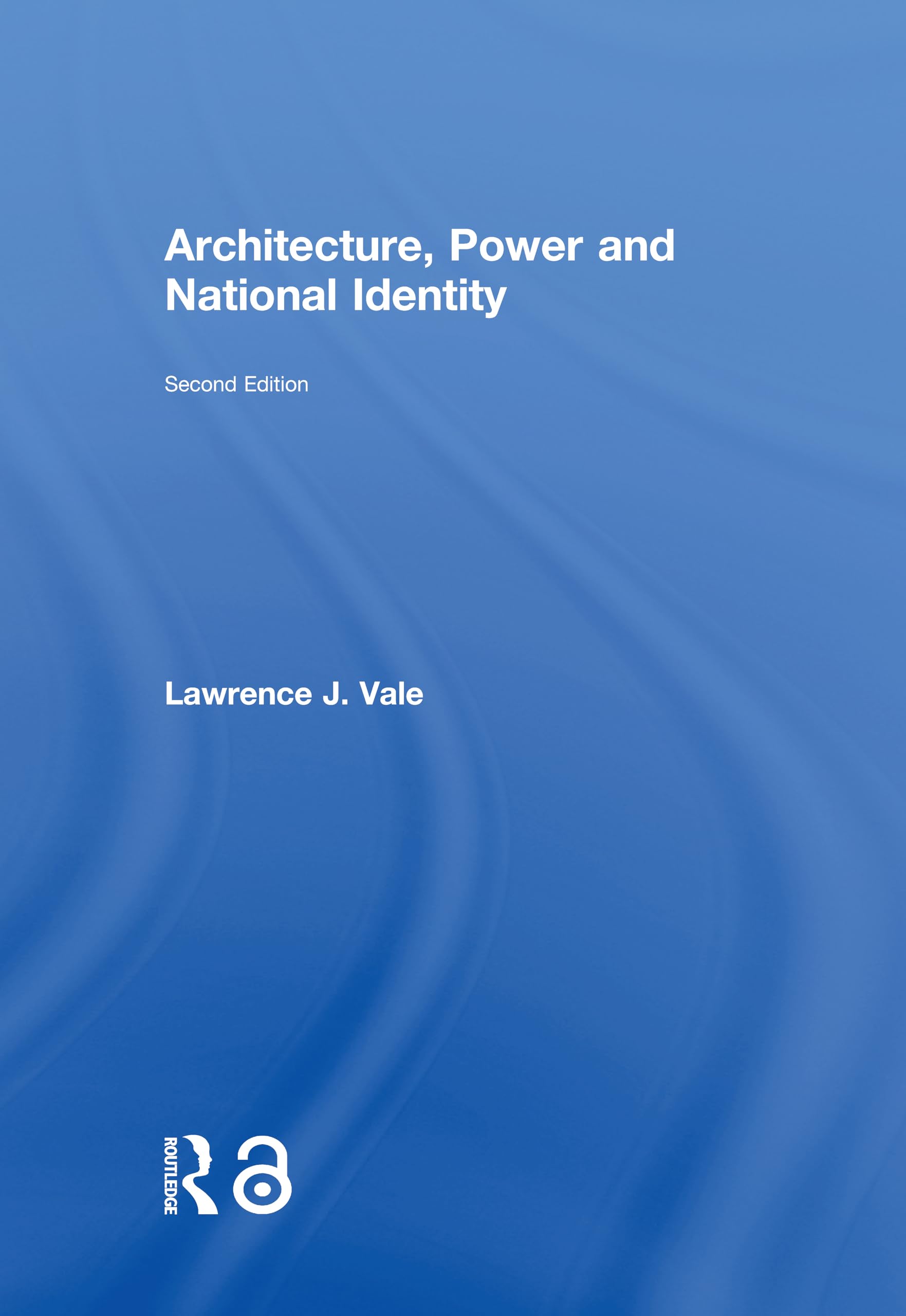
Architecture, Power and National Identity: How Political Authority Shapes Built Form and National Image by Lawrence Vale
Inclusive of all applicable taxes. FREE shipping on all orders.
Available Offers
- 🚚Free Delivery — Free shipping on all orders
- 💵Cash on Delivery — Pay when your order arrives
- ↩️15-Day Easy Returns — Hassle-free return policy
- 🔒Cash on Delivery — Pay safely when your order arrives
Check Delivery
Product Description
Introduction
In a world where monuments and government buildings shape our understanding of power and belonging, Lawrence Vale’s Architecture, Power and National Identity offers a compelling exploration of how design and politics converge. This hardcover edition, published by Routledge, is an essential read for students, scholars, and professionals in law, political science, architecture, and urban studies. Vale unpacks the subtle and overt ways in which built environments communicate national narratives, assert authority, and foster collective identity. For Indian readers, where debates around heritage, democracy, and public space are ever-relevant, this book provides a critical lens to examine the spaces we inhabit.
Book Overview
First published in 2008, Architecture, Power and National Identity is a landmark study that examines the relationship between state-sponsored architecture and the construction of national identity. Lawrence Vale draws on case studies from around the world—including newly independent nations, post-colonial states, and established democracies—to reveal how governments use buildings as tools of persuasion and control. The book argues that architecture is never neutral; it is a political act that reflects and shapes power dynamics. This updated edition includes new insights into contemporary debates, making it a timely resource for understanding how nations present themselves through stone, steel, and glass.
Key Highlights
- Interdisciplinary approach: Blends architecture, political science, law, and cultural studies for a holistic understanding.
- Global case studies: Analyzes parliaments, capitals, museums, and memorials from India, the United States, South Africa, and more.
- Critical framework: Offers tools to deconstruct how buildings convey ideology and legitimacy.
- Updated content: Reflects post-9/11 geopolitical shifts and the rise of new nationalisms.
- Authoritative author: Lawrence Vale is a renowned scholar at MIT, known for his work on urban design and political symbolism.
Inside the Book
The book is structured around thematic chapters that dissect the architectural strategies of nation-building. Vale begins by questioning why certain forms—like domes, towers, or open plazas—are repeatedly chosen to symbolize unity. He then explores how capitals are designed to project stability, how museums curate historical narratives, and how memorials negotiate collective memory. Each chapter is rich with illustrations, photographs, and diagrams that bring the analysis to life. The writing is accessible yet rigorous, making it suitable for both advanced researchers and curious readers.
Key Topics
- Architecture as an instrument of state power
- National identity and symbolic representation in public buildings
- Post-colonial architecture and the struggle for authenticity
- The politics of urban planning and capital city design
- Case studies of the Indian Parliament, the US Capitol, and the South African Union Buildings
- Memorials, museums, and the construction of historical memory
- Law, governance, and the spatial expression of democracy
Reader Benefits
This book equips you with a critical vocabulary to analyze the built environment around you. Whether you are a law student examining constitutional symbolism, an architect designing public spaces, or a citizen curious about why your city looks the way it does, Vale’s work empowers you to see beyond aesthetics. It challenges assumptions about neutrality in design and encourages a deeper engagement with the political messages embedded in everyday structures. For Indian readers, the book offers fresh perspectives on sites like the Rashtrapati Bhavan, the Supreme Court, and the Parliament complex.
Learning Outcomes
- Understand the relationship between architecture and political authority
- Identify how national identity is constructed through design choices
- Analyze case studies of iconic government buildings worldwide
- Critically evaluate the role of law and policy in shaping public space
- Develop skills to interpret buildings as texts of power and ideology
Who Should Read
This book is ideal for students and professionals in law, architecture, urban planning, political science, history, and cultural studies. It is also valuable for policymakers, journalists, and anyone interested in the intersection of space and politics. Indian readers studying constitutional law, governance, or heritage management will find it particularly relevant. The book assumes no prior knowledge of architecture, making it accessible to general readers with an interest in how nations represent themselves.
About the Author
Lawrence Vale is the Ford Professor of Urban Design and Planning at the Massachusetts Institute of Technology (MIT). He has authored several influential books on urbanism, including The Global Cities Reader and Reclaiming Public Housing. His research focuses on the political and social dimensions of architecture, and he has advised governments and institutions on urban policy. Vale’s work is widely cited for its rigorous analysis and interdisciplinary depth.
About the Publisher
Routledge is a leading academic publisher with a global reputation for excellence in the humanities and social sciences. Known for its authoritative textbooks and research monographs, Routledge has been at the forefront of publishing works that shape scholarly discourse. This hardcover edition reflects Routledge’s commitment to quality and durability, making it a valuable addition to any library.
Conclusion
Architecture, Power and National Identity is more than a book—it is a lens through which to see the world. Lawrence Vale masterfully demonstrates that the buildings we take for granted are, in fact, powerful statements about who we are and who we aspire to be. For Indian readers, this book offers a timely and profound understanding of how architecture influences law, politics, and national pride. Order your copy from Bookshops.in today and discover the hidden stories behind the structures that define our collective life.
Quick Summary
Architecture, Power and National Identity by Lawrence Vale is a seminal work that investigates how political authority is expressed and legitimised through architectural design. The book examines government buildings, capital city plans, and national monuments from around the world, revealing how regimes embed symbolism and ideology into the built environment. Vale draws on interdisciplinary perspectives from architecture, political science, law, and urban studies to show that buildings are never neutral—they are deliberate instruments of power and identity formation. This edition, published by Routledge in hardcover, is ideal for Indian students and researchers in architecture, law, urban planning, and political science who want to understand the deeper political meanings behind public spaces. Readers will learn to critically analyse how states use design to project authority, foster nationalism, and shape collective memory. By purchasing from Bookshops.in, customers receive a genuine, high-quality print copy with reliable service across India.
Book Highlights
Book Specifications
| ISBN-13 | 9780415955140 |
| ISBN-10 | 0415955149 |
| Publisher | TAYLOR & FRANCIS |
| Language | English |
| Dimensions | 17.15 x 3.18 x 24.77 cm |
| Weight | 1 kg 180 g |
| Country | India |
| Category | Engineering Textbooks › Civil Engineering |
| Genre | Non-fiction |
| Original Language | English |
Frequently Asked Questions
What is the main theme of Architecture, Power and National Identity?
Who is the author of this book?
Is this book suitable for Indian students?
What disciplines does this book cover?
Does the book include case studies?
Is this book available in hardcover?
What is the ISBN-13 of this book?
How is this book different from other architecture titles?
Can this book help with law studies?
What language is the book written in?
Does the book cover Indian architecture?
Is this book suitable for undergraduate students?
Why should I buy this book from Bookshops.in?
Readers Also Search For
Customers Also Bought

Constitutional Law
Indigenous law and the state
Constitutional Law
Great Cases in Constitutional Law (English, Robert P. George)
Constitutional Law
Guilty Pleas in International Criminal Law (English, Nancy Amoury Combs)
Constitutional Law
The Growth of the Law by Benjamin N. Cardozo – Jurisprudence
Constitutional Law
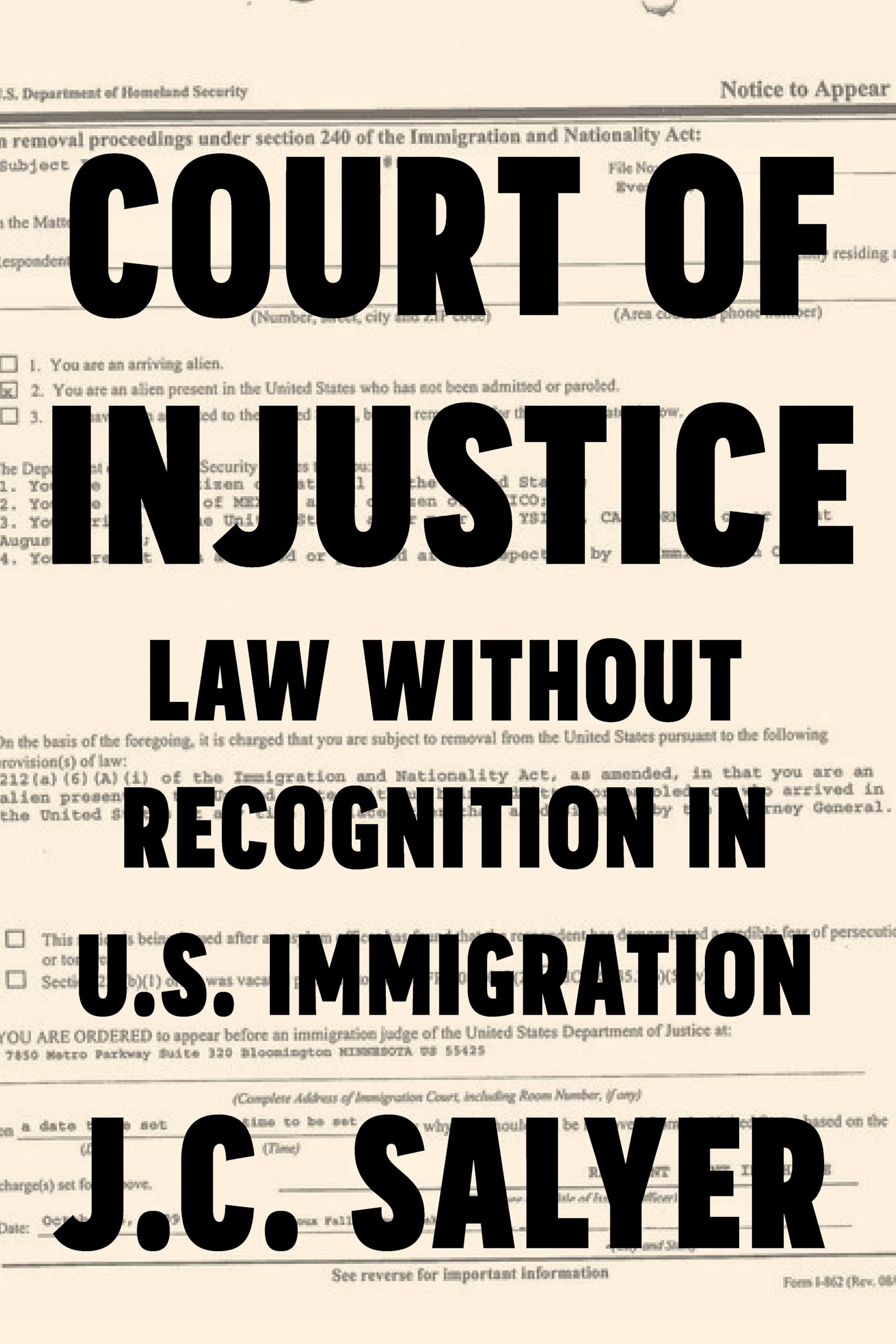
Court of Injustice: Law Without Recognition in U.S. Immigration by J. C. Salyer

Constitutional Law
Youth: Learning Through Cases
Related Products
View All
Law
Mediasport | by Lawrence Wenner | Routledge | by Lawrence Wenner | Routledge | by Lawrence Wenner | Routledge | by Lawrence Wenner | Routledge | by Lawrence Wenner | Routledge | by Lawrence Wenner | Routledge | by Lawrence Wenner | Routledge | by Lawrence Wenner | Routledge | by Lawrence Wenner | Routledge | by Lawrence Wenner | Routledge | by Lawrence Wenner | Routledge | by Lawrence Wenner | Routledge | by Lawrence Wenner | Routledge | by Lawrence Wenner | Routledge | by Lawrence Wenner | Rout
Law
Human Rights Diplomacy | by Rein Mullerson | Routledge | by Rein Mullerson | Routledge | by Rein Mullerson | Routledge | by Rein Mullerson | Routledge | by Rein Mullerson | Routledge | by Rein Mullerson | Routledge | by Rein Mullerson | Routledge | by Rein Mullerson | Routledge | by Rein Mullerson | Routledge | by Rein Mullerson | Routledge | by Rein Mullerson | Routledge | by Rein Mullerson | Routledge | by Rein Mullerson | Routledge | by Rein Mullerson | Routledge | by Rein Mullerson | Routled
Law
Rome the Law-Giver | by Declareuil J. | Routledge | by Declareuil J. | Routledge | by Declareuil J. | Routledge | by Declareuil J. | Routledge | by Declareuil J. | Routledge | by Declareuil J. | Routledge | by Declareuil J. | Routledge | by Declareuil J. | Routledge | by Declareuil J. | Routledge | by Declareuil J. | Routledge | by Declareuil J. | Routledge | by Declareuil J. | Routledge | by Declareuil J. | Routledge | by Declareuil J. | Routledge | by Declareuil J. | Routledge | by Declareuil
Law
Human Rights and Gender Politics | by Anne-Marie Hilsdon | Martha MacIntyre | Vera MacKie | Routledge | by Anne-Marie Hilsdon | Martha MacIntyre | Vera MacKie | Routledge | by Anne-Marie Hilsdon | Martha MacIntyre | Vera MacKie | Routledge | by Anne-Marie Hilsdon | Martha MacIntyre | Vera MacKie | Routledge | by Anne-Marie Hilsdon | Martha MacIntyre | Vera MacKie | Routledge | by Anne-Marie Hilsdon | Martha MacIntyre | Vera MacKie | Routledge | by Anne-Marie Hilsdon | Martha MacIntyre | Vera Mac
Law
Politics of Human Rights in Southeast Asia | by Philip J. Eldridge | Routledge | by Philip J. Eldridge | Routledge | by Philip J. Eldridge | Routledge | by Philip J. Eldridge | Routledge | by Philip J. Eldridge | Routledge | by Philip J. Eldridge | Routledge | by Philip J. Eldridge | Routledge | by Philip J. Eldridge | Routledge | by Philip J. Eldridge | Routledge | by Philip J. Eldridge | Routledge | by Philip J. Eldridge | Routledge | by Philip J. Eldridge | Routledge | by Philip J. Eldridge |
Law