
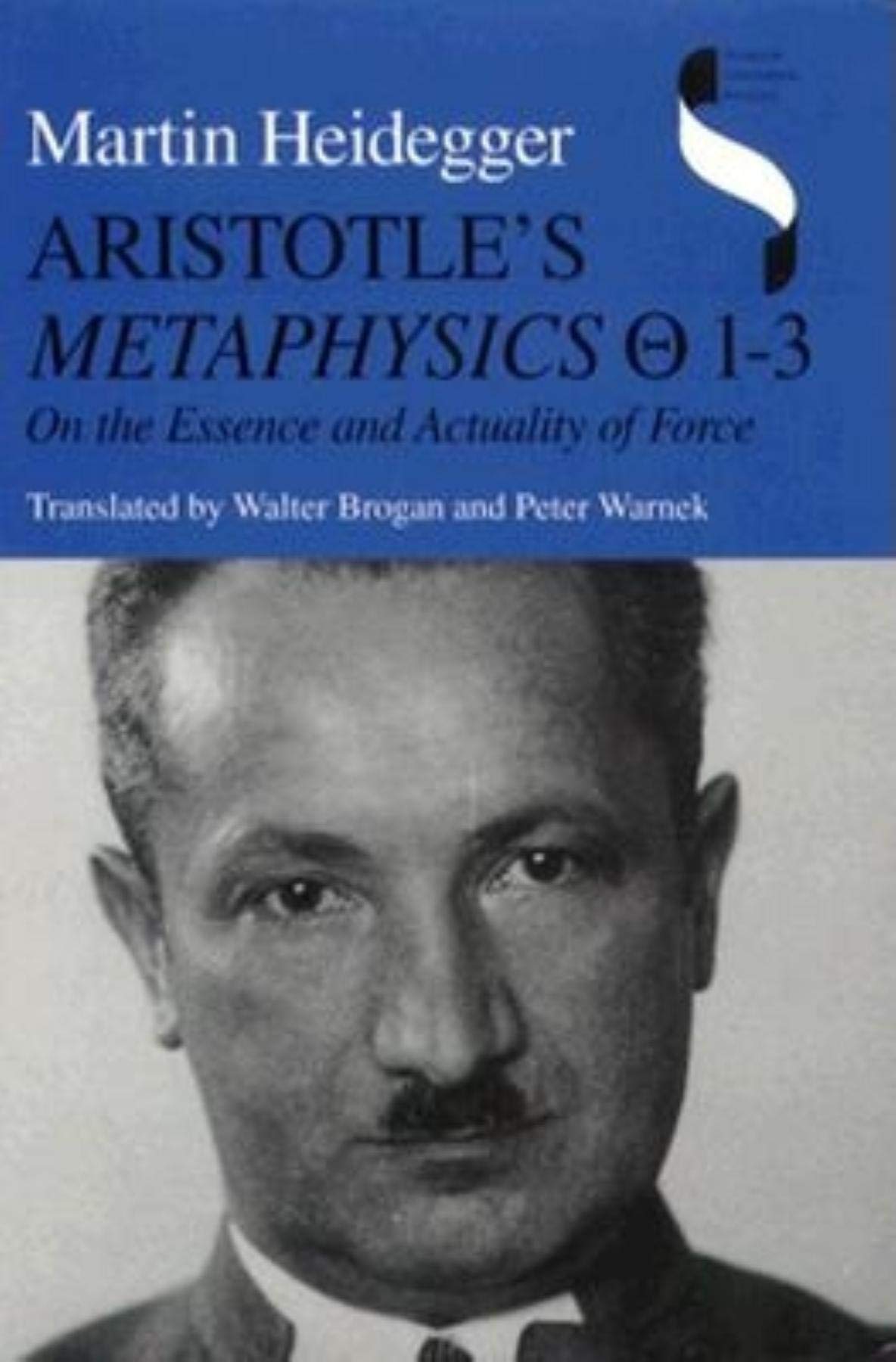
Aristotle's Metaphysics 1–3: On the Essence and Actuality of Force by Martin Heidegger – A Deep Phenomenological Study o
Inclusive of all applicable taxes. FREE shipping on all orders.
Available Offers
- 🚚Free Delivery — Free shipping on all orders
- 💵Cash on Delivery — Pay when your order arrives
- ↩️15-Day Easy Returns — Hassle-free return policy
- 🔒Cash on Delivery — Pay safely when your order arrives
Check Delivery
Product Description
Introduction
In the vast landscape of Western philosophy, few texts have shaped the trajectory of metaphysical inquiry as profoundly as Aristotle's Metaphysics. Martin Heidegger's Aristotle's Metaphysics 1–3: On the Essence and Actuality of Force offers Indian readers and students a rare and transformative encounter with this foundational work. Originally delivered as a lecture course at the University of Freiburg in 1931, this hardcover edition from Indiana University Press presents Heidegger's meticulous translation and probing commentary on the first three chapters of Book IX of Aristotle's Metaphysics. It is not merely a scholarly exposition but a philosophical event—a deep dive into the concepts of potentiality, actuality, and force that continue to resonate in contemporary thought.
Book Overview
This volume, published in English for the first time in 1981 as volume 33 of Heidegger's Collected Works, captures the philosopher at the height of his interpretive powers. Heidegger's reading of Aristotle was a pivotal influence on the development of his own existential and phenomenological philosophy. In this book, he carefully translates Aristotle's Greek text and provides a running commentary that reveals the profound correlation between his own critique of metaphysics and his phenomenological interpretation of ancient Greek thought. The focus on potentiality (dunamis) and actuality (energeia) in Aristotle's work becomes a springboard for Heidegger's own meditation on being, force, and the essence of reality.
Key Highlights
- First English translation of a seminal lecture course from Heidegger's Collected Works (volume 33).
- Detailed commentary on Aristotle's Metaphysics, Books 1–3, with a special focus on Book IX.
- Showcases Heidegger's unique method of reading philosophical texts—a gift for students and scholars alike.
- Bridges the gap between ancient Greek metaphysics and 20th-century existential phenomenology.
- Hardcover edition from Indiana University Press, a trusted name in academic publishing.
Inside the Book
The book is structured as a series of lectures, each building on the last. Heidegger begins by situating Aristotle's Metaphysics within the broader context of Greek philosophy, then moves to a word-by-word analysis of the Greek text. He pays special attention to the terms ousia (essence), dunamis (potentiality or force), and energeia (actuality). The commentary is not a dry academic exercise but a lively, questioning engagement that invites the reader to think along with the philosopher. Heidegger's own translation of Aristotle's Greek is included, making this an invaluable resource for anyone interested in the original language of Western metaphysics.
Key Topics
- The nature of being and essence in Aristotle's metaphysics.
- Potentiality and actuality as fundamental modes of existence.
- Force (dunamis) as a principle of change and reality.
- Heidegger's phenomenological critique of traditional metaphysics.
- The relationship between language, thought, and being in ancient Greek philosophy.
Reader Benefits
For Indian students of philosophy, this book offers a rigorous yet accessible entry point into two of the most challenging thinkers in the Western tradition. You will learn how to read a philosophical text with depth and precision—a skill that transcends any single tradition. The book also illuminates the connections between Heidegger's thought and the broader metaphysical questions that have occupied Indian philosophy, such as the nature of reality, change, and the ultimate ground of existence. Whether you are preparing for competitive exams, writing a thesis, or simply expanding your intellectual horizons, this volume will sharpen your analytical skills and deepen your appreciation for the art of philosophical questioning.
Learning Outcomes
- Gain a thorough understanding of Aristotle's concept of potentiality and actuality.
- Learn Heidegger's distinctive method of interpreting philosophical texts.
- Develop the ability to critically engage with primary sources in metaphysics.
- Understand the historical and philosophical context of Aristotle's Metaphysics.
- Appreciate the enduring relevance of ancient Greek thought for contemporary philosophy.
Who Should Read
This book is ideal for postgraduate students and researchers in philosophy, especially those specializing in metaphysics, phenomenology, or ancient Greek philosophy. It is also highly recommended for undergraduate students who wish to go beyond introductory courses and engage with primary texts. Teachers and scholars of Indian philosophy will find valuable comparative insights, while anyone with a serious interest in Heidegger's development—from Being and Time to his later works—will consider this an essential addition to their library.
About the Author
Martin Heidegger (1889–1976) was one of the most influential and controversial philosophers of the 20th century. His magnum opus, Being and Time, revolutionized ontology and phenomenology. Heidegger's lifelong engagement with the pre-Socratics, Plato, and Aristotle shaped his unique approach to the question of being. Despite the complexities of his thought, his lectures were renowned for their clarity and pedagogical brilliance, as this volume demonstrates.
About the Publisher
Indiana University Press is a distinguished academic publisher based in Bloomington, Indiana. Known for its rigorous editorial standards and commitment to scholarly excellence, it has published numerous landmark works in philosophy, including key volumes of Heidegger's Collected Works. This hardcover edition reflects the publisher's dedication to producing durable, high-quality books for serious readers.
Conclusion
Aristotle's Metaphysics 1–3: On the Essence and Actuality of Force is more than a commentary—it is an invitation to think alongside one of the greatest philosophers of the modern era as he grapples with one of the greatest thinkers of antiquity. For Indian readers who value deep intellectual engagement, this book offers a rare opportunity to witness philosophy in action. Order your copy from Bookshops.in today and add this indispensable volume to your collection.
Quick Summary
Martin Heidegger's 'Aristotle's Metaphysics 1–3: On the Essence and Actuality of Force' is a landmark philosophical work that presents his 1931 lecture course at the University of Freiburg. In this hardcover volume, Heidegger offers a meticulous translation and phenomenological commentary on the first three chapters of Aristotle's Metaphysics Book IX (Theta), delving into the concepts of potentiality (dynamis), actuality (energeia), and force. The book reveals how Aristotle's thinking on being and presence profoundly shaped Heidegger's own philosophical project, including his critique of the Western metaphysical tradition. Readers will gain a deep understanding of how Heidegger interprets Aristotle not merely as a historical figure but as a living interlocutor whose insights into the nature of force and essence remain vital. This text is essential for advanced students of continental philosophy, phenomenology, and ancient Greek thought. By purchasing from Bookshops.in, Indian readers receive a genuine, high-quality hardcover edition that supports local scholarship and ensures fast, reliable delivery across India.
Book Highlights
Book Specifications
| ISBN-13 | 9780253329103 |
| ISBN-10 | 0253329108 |
| Publisher | Indiana University Press |
| Language | English |
| Dimensions | 14.78 x 2.16 x 21.54 cm |
| Weight | 454 g |
| Country | India |
| Category | Philosophy › History & Surveys |
| Series | Heidegger's Collected Works (Volume 33) |
| Genre | Philosophy |
| Reading Age | Adult |
| Translator | Not specified (translated from German) |
| Original Language | German |
Frequently Asked Questions
What is the main focus of this book?
Who is the author of this book?
Is this book suitable for beginners in philosophy?
Does the book include Heidegger's own translation of Aristotle?
What is the ISBN?
Is this book available in paperback?
Can I use this book for my university research?
What language is the book in?
Does this book cover all of Aristotle's Metaphysics?
Is this book part of a series?
What is the price in INR?
Readers Also Search For
Customers Also Bought
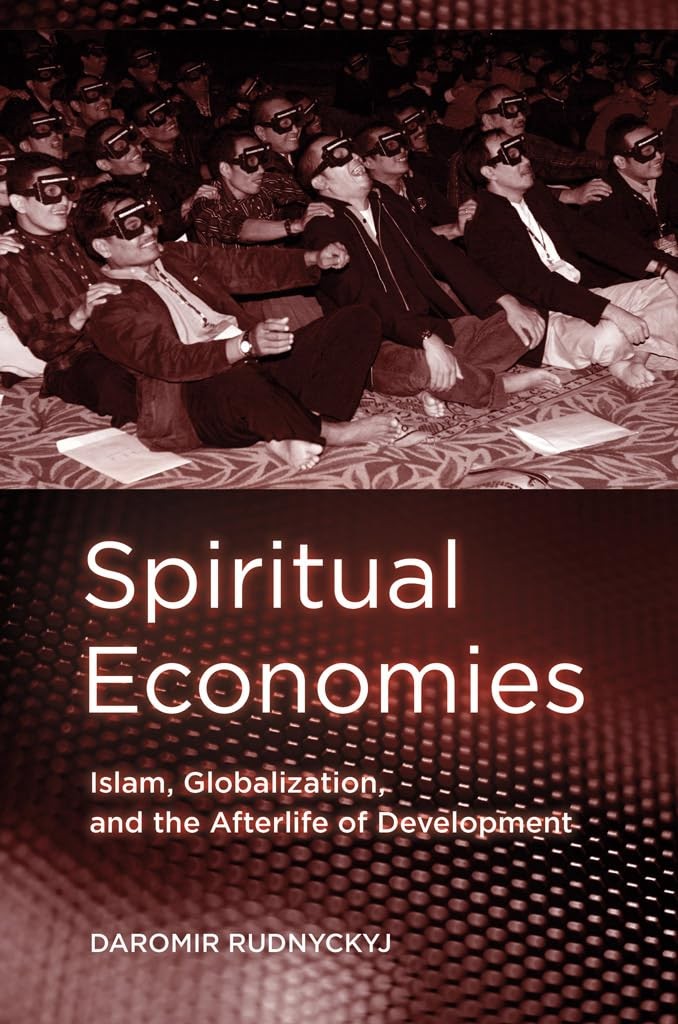
Islam
Spiritual Economies (English, Daromir Rudnyckyj)

Islam
Who Is Allah? (English, Bruce B. Lawrence)

Islam
Islam and Liberal Citizenship: The Search for an Overlapping Consensus by Andrew F. March

Islam
Fiqh Us-Sunnah: Funerals and Diggers by Al-Sayyid Sabiq – Islamic Funeral Guide

Christianity
Genetics (English, Thomas a. Shannon | Mark P. Aulisio | Françoise Baylis)

Hinduism
Karma and Creativity by Christopher Key Chapple – Indian Philosophy
Related Products
View All
Philosophy
Latin American Philosophy: Currents, Issues, Debates by Eduardo Mendieta

Philosophy
Al-Farabi's Short Commentary on Aristotle's Prior Analytics by Nicholas Rescher – Philosophy

Philosophy
Poetics of Imagining: Modern to Post-modern by Richard Kearney

Philosophy
The Metaphysics of Extrinsic Properties: 11 (Metaphysical Research, 11)
Philosophy
Dialogues on Metaphysics and on Religion by Nicolas Malebranche – Philosophy
Philosophy