
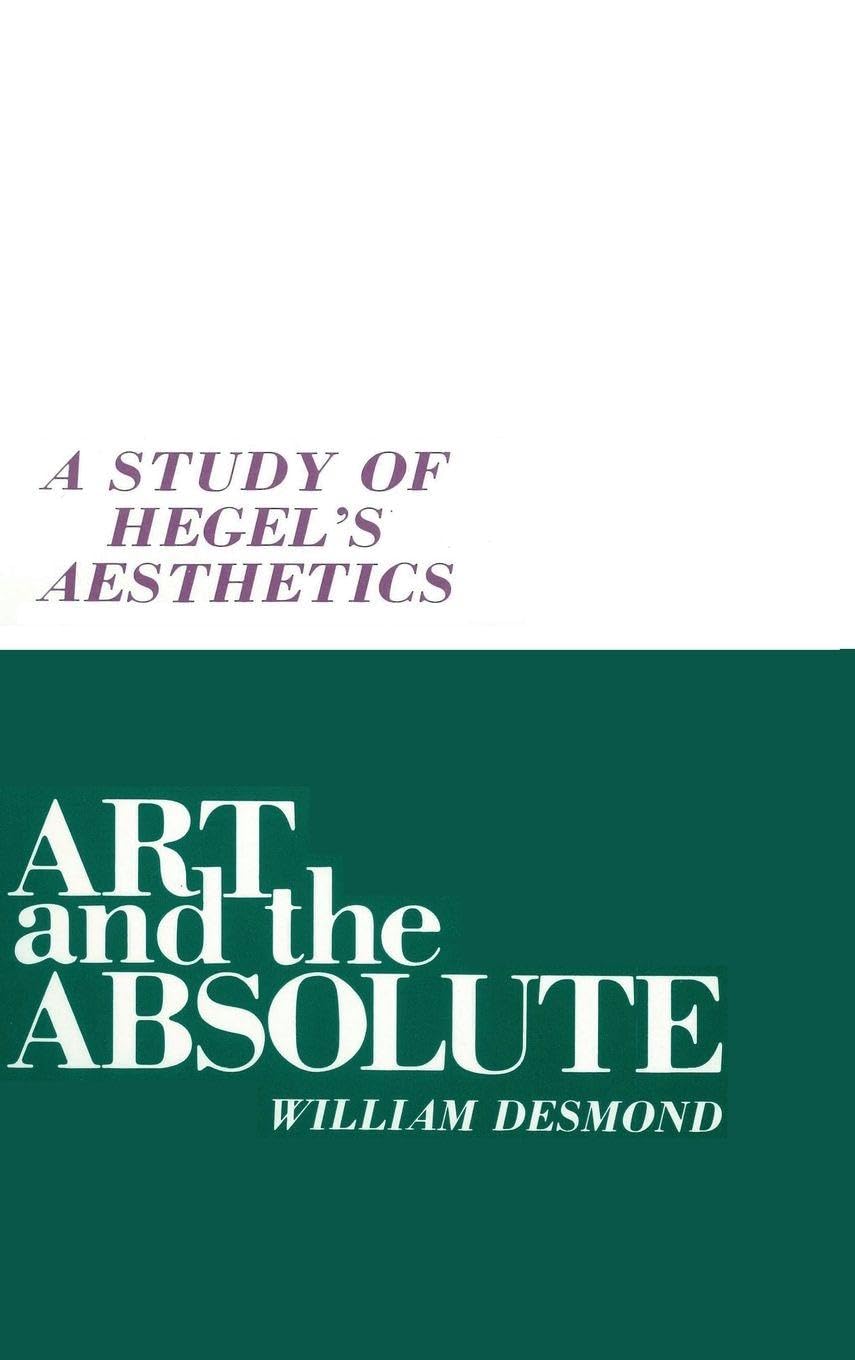
Art and the Absolute: A Study of Hegel's Aesthetics by William Desmond – Hegelian Philosophy and the Meaning of Art
Inclusive of all applicable taxes. FREE shipping on all orders.
Available Offers
- 🚚Free Delivery — Free shipping on all orders
- 💵Cash on Delivery — Pay when your order arrives
- ↩️15-Day Easy Returns — Hassle-free return policy
- 🔒Cash on Delivery — Pay safely when your order arrives
Check Delivery
Product Description
Introduction
Art and the Absolute: A Study of Hegel's Aesthetics by William Desmond is a profound exploration of the role of art within Hegel's philosophical system. This hardcover volume, published by the State University of New York Press, offers a rigorous yet accessible analysis of Hegel's Lectures on Aesthetics. For Indian students and scholars of philosophy, art history, and critical theory, this book serves as an essential bridge between classical German idealism and contemporary debates on the meaning and purpose of art. Desmond's work challenges readers to reconsider the absolute dimension of artistic creation, making it a valuable addition to any serious academic library.
Book Overview
This book restores Hegel's aesthetics to a central position within his broader philosophical framework. William Desmond delves into the intricate relationship between art, religion, and philosophy, asking why Hegel attributes absoluteness to art and what that means for our understanding of beauty, truth, and human experience. The text is not merely a commentary but a dynamic engagement with Hegel's thought, showing how art illuminates other areas of significant human experience. For Indian readers familiar with the rich aesthetic traditions of Bharata's Natyashastra or Abhinavagupta's rasa theory, Desmond's exploration of the absolute in art offers a compelling cross-cultural dialogue.
Key Highlights
- Original and rigorous scholarship: William Desmond provides a fresh interpretation of Hegel's aesthetics, moving beyond conventional readings.
- Contemporary relevance: The book connects Hegel's ideas to modern philosophical controversies about the nature of art and the absence of the absolute.
- Comprehensive analysis: Covers the full scope of Hegel's Lectures on Aesthetics, including his views on symbolic, classical, and romantic art forms.
- Accessible prose: Despite its depth, the writing is clear and engaging, suitable for advanced undergraduates and postgraduate students.
- Hardcover quality: A durable edition from State University of New York Press, ideal for long-term reference.
Inside the Book
Art and the Absolute is structured to guide the reader through Hegel's aesthetic system step by step. Desmond begins with the question of why Hegel places art alongside religion and philosophy as a mode of absolute spirit. He then examines the historical development of art forms, from the symbolic art of ancient civilizations to the classical art of Greece and the romantic art of the Christian world. Each chapter unpacks key concepts such as the ideal, the beautiful, and the sublime, showing how they function within Hegel's dialectical method. The book also addresses the end-of-art thesis, arguing that Hegel's vision is more nuanced than commonly assumed. For Indian students, the discussion of art as a vehicle for spiritual truth resonates with traditional Indian aesthetics, where art is seen as a path to liberation (moksha).
Key Topics
- Hegel's concept of the absolute: How art participates in the self-realization of spirit.
- The historical evolution of art: From symbolic to classical to romantic forms.
- Art and truth: The capacity of art to reveal deeper metaphysical realities.
- Comparison of art, religion, and philosophy: Their respective roles in Hegel's system.
- The contemporary relevance of Hegel's aesthetics: Art in an age of skepticism and relativism.
- Beauty and the ideal: Hegel's theory of the beautiful as the sensory appearance of the idea.
Reader Benefits
- Deepens philosophical understanding: Gain a comprehensive grasp of one of the most influential aesthetic theories in Western thought.
- Enhances critical thinking: Engage with complex arguments about art, meaning, and spirituality.
- Supports academic study: Ideal for courses in aesthetics, German idealism, art theory, and philosophy of art.
- Cross-cultural insights: Offers a Western counterpart to Indian aesthetic traditions, enriching comparative studies.
- Professional development: Useful for scholars, researchers, and art critics seeking a solid theoretical foundation.
Learning Outcomes
By reading this book, you will be able to articulate Hegel's central arguments about art and the absolute, analyze the historical development of art forms from a Hegelian perspective, critique the end-of-art thesis with nuance, apply Hegelian concepts to contemporary art practices, and draw meaningful comparisons between Western and Indian aesthetic theories. The book equips you with a sophisticated vocabulary for discussing the metaphysical dimensions of artistic experience.
Who Should Read
This book is intended for postgraduate students and researchers in philosophy, particularly those specializing in German idealism, continental philosophy, or aesthetics. It is also highly relevant for scholars of art history, cultural studies, and comparative literature. Indian readers with a background in Indian aesthetics or those interested in the intersection of art and spirituality will find Desmond's work particularly enriching. Professors designing courses on Hegel or aesthetic theory will also benefit from this authoritative study.
About the Author
William Desmond is a distinguished philosopher known for his work on Hegel, metaphysics, and the philosophy of religion. He has held academic positions at leading universities and has authored numerous books on Hegelian thought. His scholarship is characterized by a deep engagement with primary texts and a commitment to making complex ideas accessible without oversimplification. In Art and the Absolute, Desmond brings his expertise to bear on questions that remain central to philosophical aesthetics today.
About the Publisher
State University of New York Press (SUNY Press) is a renowned academic publisher based in the United States. It is known for its rigorous editorial standards and its commitment to publishing works of enduring scholarly value. SUNY Press specializes in philosophy, religious studies, and the humanities, making it a fitting home for Desmond's study of Hegel's aesthetics. The hardcover edition ensures durability for repeated reference in libraries and personal collections.
Conclusion
Art and the Absolute: A Study of Hegel's Aesthetics is a masterful work that restores Hegel's aesthetic theory to its rightful place within the philosophical canon. William Desmond's insightful analysis not only clarifies Hegel's complex ideas but also demonstrates their ongoing relevance for understanding art in the modern world. For Indian readers and students seeking a deep, scholarly engagement with Western aesthetics, this book is an indispensable resource. Order your copy from Bookshops.in today and add a cornerstone of philosophical scholarship to your collection.
Quick Summary
Art and the Absolute: A Study of Hegel's Aesthetics by William Desmond is a seminal work that repositions Hegel's aesthetics at the core of his philosophical system. Drawing deeply on Hegel's Lectures on Aesthetics, Desmond examines how art embodies the absolute, and how it relates to religion and philosophy. The book argues that Hegel's insights are profoundly relevant to contemporary debates about meaning, truth, and the role of art in a secular age. This hardcover edition is ideal for advanced philosophy students, scholars of German idealism, and anyone interested in the intersection of art and metaphysics. Readers will learn to appreciate Hegel's dialectical approach to art, understand the concept of absolute spirit, and apply these ideas to modern aesthetic challenges. By purchasing from Bookshops.in, Indian readers receive a premium, durable edition perfect for academic study and personal enrichment.
Book Highlights
Book Specifications
| ISBN-13 | 9780887061509 |
| ISBN-10 | 0887061508 |
| Publisher | State Univ of New York Pr |
| Language | English |
| Dimensions | 15.24 x 1.75 x 22.86 cm |
| Weight | 499 g |
| Country | India |
| Category | Philosophy › Aesthetics |
| Genre | Philosophy |
| Original Language | English |
Frequently Asked Questions
What is Art and the Absolute about?
Who is the author of this book?
Is this book suitable for beginners in philosophy?
What is the binding type of this book?
What is the ISBN of this book?
Can I use this book for my university course?
Does this book cover Hegel's Lectures on Aesthetics?
Why is this book important for Indian readers?
Is this book available in paperback?
What is the price of this book?
What language is the book in?
Does the book include any digital extras?
Readers Also Search For
Customers Also Bought
Islam
Spiritual Economies (English, Daromir Rudnyckyj)

Islam
Who Is Allah? (English, Bruce B. Lawrence)
Islam
Islam and Liberal Citizenship: The Search for an Overlapping Consensus by Andrew F. March
Islam
Fiqh Us-Sunnah: Funerals and Diggers by Al-Sayyid Sabiq – Islamic Funeral Guide

Christianity
Genetics (English, Thomas a. Shannon | Mark P. Aulisio | Françoise Baylis)

Hinduism
Karma and Creativity by Christopher Key Chapple – Indian Philosophy
Related Products
View All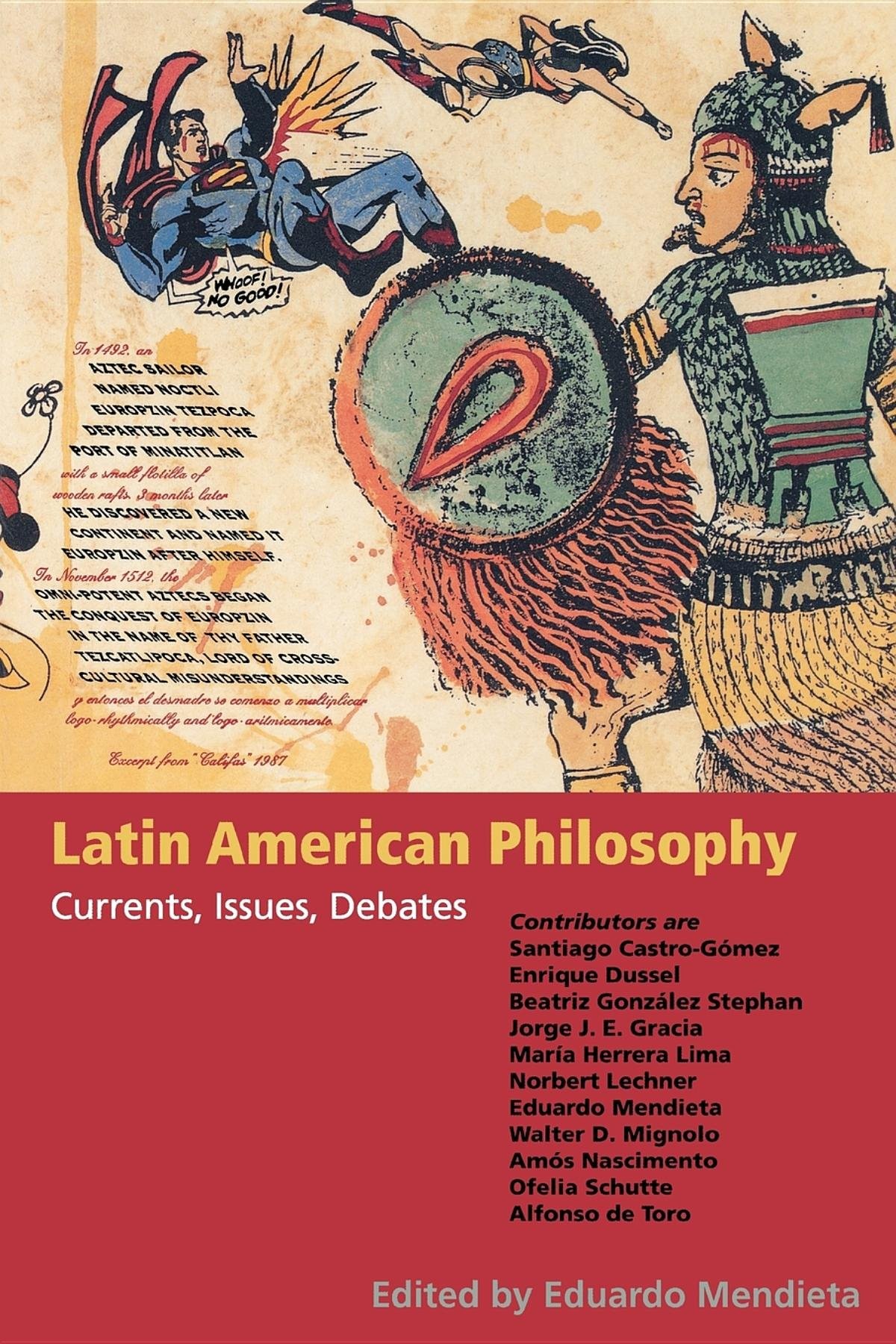
Philosophy
Latin American Philosophy: Currents, Issues, Debates by Eduardo Mendieta

Philosophy
Al-Farabi's Short Commentary on Aristotle's Prior Analytics by Nicholas Rescher – Philosophy
Philosophy
Poetics of Imagining: Modern to Post-modern by Richard Kearney
Philosophy
The Metaphysics of Extrinsic Properties: 11 (Metaphysical Research, 11)
Philosophy
Dialogues on Metaphysics and on Religion by Nicolas Malebranche – Philosophy
Philosophy