
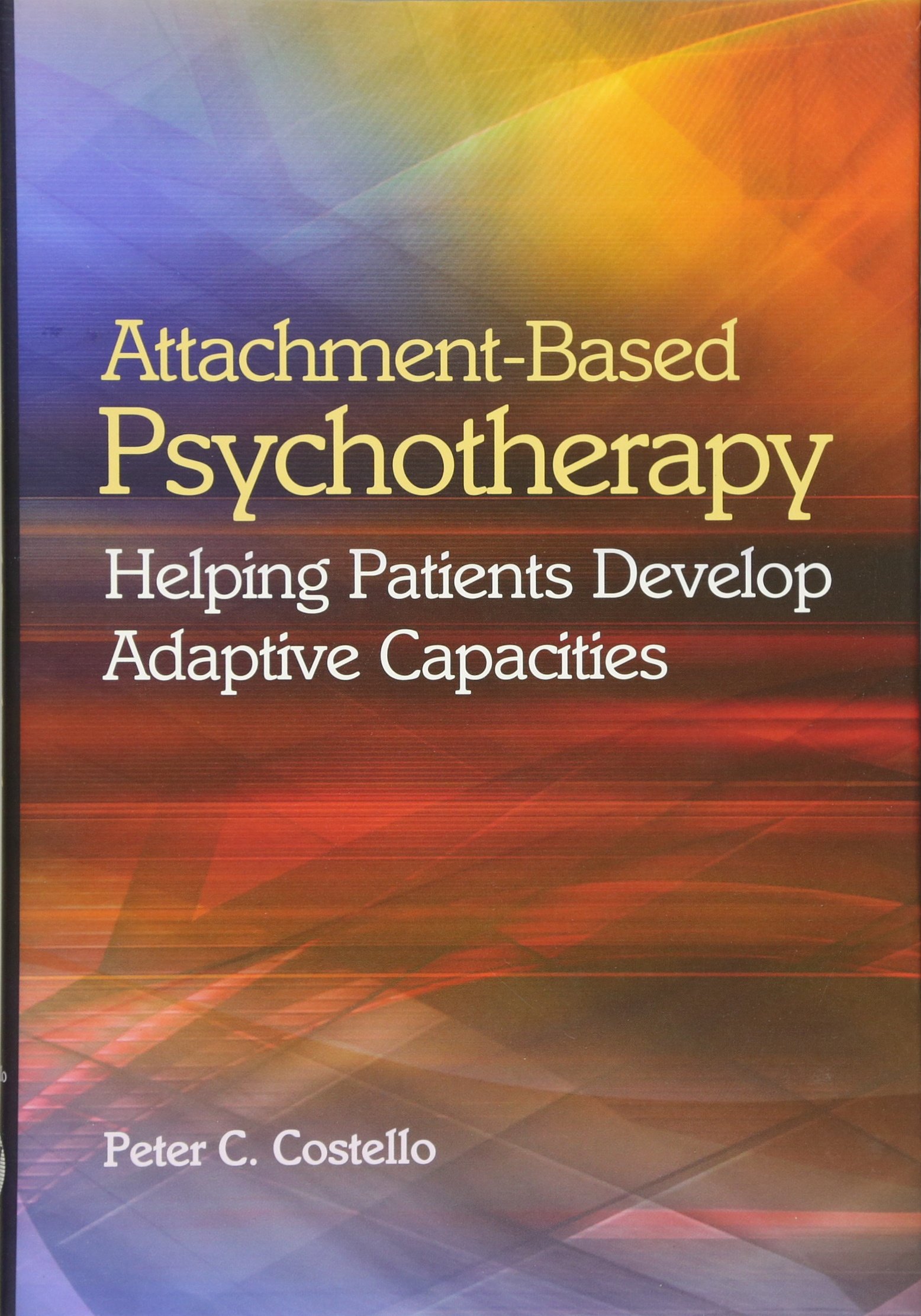
Attachment-Based Psychotherapy: Helping Patients Develop Adaptive Capacities by PhD Costello Peter C. – A Clinical Guide
Inclusive of all applicable taxes. FREE shipping on all orders.
Available Offers
- 🚚Free Delivery — Free shipping on all orders
- 💵Cash on Delivery — Pay when your order arrives
- ↩️15-Day Easy Returns — Hassle-free return policy
- 🔒Cash on Delivery — Pay safely when your order arrives
Check Delivery
Product Description
Introduction
Attachment-Based Psychotherapy: Helping Patients Develop Adaptive Capacities by Peter C. Costello, PhD, is a transformative guide for mental health professionals seeking to understand and heal the deep-rooted effects of early attachment experiences. Published by the American Psychological Association (APA), this hardcover edition offers a comprehensive framework for therapists to help clients build secure relationships and develop emotional resilience. For Indian students and practitioners of psychology, this book bridges Western research with universal human experiences, making it an essential resource for clinical practice in diverse cultural contexts.
Book Overview
This volume presents an attachment-based approach to psychotherapy that focuses on two core components: establishing a therapeutic relationship that fosters security, and enabling patients to communicate more openly, thereby accessing adaptive emotions, thoughts, and behaviors. Drawing on decades of clinical research, Costello explains how early caregiver interactions shape adult personality and mental health. The book provides a step-by-step treatment model that is both theoretically rich and practically applicable, making it suitable for therapists from various orientations—whether psychodynamic, cognitive-behavioral, or integrative.
Key Highlights
- Evidence-Based Framework: Rooted in attachment theory, the book offers validated strategies for addressing anxiety, depression, and relational difficulties.
- Practical Guidance: Includes case examples, session transcripts, and clinical vignettes that illustrate how to apply attachment principles in real-world therapy.
- Cultural Sensitivity: While grounded in Western research, the concepts are adaptable to Indian family dynamics, collectivist values, and diverse caregiving patterns.
- APA Quality: Published by the American Psychological Association, ensuring rigorous academic and clinical standards.
- Hardcover Durability: A sturdy edition ideal for repeated reference in libraries, clinics, and personal collections.
Inside the Book
The book is organized into three parts. Part I introduces attachment theory and its relevance to adult psychopathology, covering topics like secure base, exploratory behavior, and internal working models. Part II details the therapeutic process: building a secure alliance, facilitating emotional regulation, and repairing ruptures. Part III explores specialized applications, including work with trauma, personality disorders, and couples therapy. Each chapter concludes with reflective questions and practical exercises to deepen learning.
Key Topics
- Attachment Theory Foundations: How early bonds shape neural development and interpersonal patterns.
- Therapeutic Alliance: Techniques for creating a safe, empathic space that promotes exploration.
- Emotional Regulation: Helping patients manage overwhelming feelings through co-regulation.
- Communication Skills: Encouraging open expression to unlock adaptive capacities.
- Case Conceptualization: Formulating attachment-based treatment plans for common disorders.
- Cultural Adaptations: Modifying interventions for non-Western contexts, including Indian families.
Reader Benefits
By reading this book, therapists gain a deeper understanding of why clients struggle with trust, intimacy, and self-worth. They learn concrete interventions to help patients move from insecure to secure attachment patterns. Students of psychology will appreciate the clear synthesis of complex theories into actionable steps. For Indian clinicians, the book offers insights into how joint family systems, maternal roles, and societal expectations influence attachment styles. Ultimately, readers will feel more confident in addressing the root causes of mental distress rather than just symptoms.
Learning Outcomes
- Identify attachment patterns in clinical presentations.
- Establish a therapeutic relationship that fosters felt security.
- Facilitate patient openness to adaptive thoughts and behaviors.
- Apply attachment-based techniques to anxiety, depression, and trauma.
- Adapt interventions for diverse cultural and family structures.
- Evaluate treatment progress through an attachment lens.
Who Should Read
This book is indispensable for practicing psychotherapists, clinical psychologists, counsellors, and social workers. It is also highly valuable for postgraduate students in clinical psychology, psychiatry, and counselling programs. Indian mental health professionals working in hospitals, private practice, or community settings will find the practical tools directly applicable. Additionally, educators teaching attachment theory or psychotherapy courses can use this as a core textbook for seminars.
About the Author
Peter C. Costello, PhD, is a licensed clinical psychologist and faculty member at the University of Toronto. With over 25 years of experience, he specializes in attachment-based treatments for adults and couples. He has published numerous articles on the integration of attachment theory into psychotherapy and has trained clinicians worldwide. His compassionate, research-driven approach makes complex concepts accessible to both novices and seasoned professionals.
About the Publisher
The American Psychological Association (APA) is the leading scientific and professional organization representing psychology in the United States. Known for its authoritative publications, the APA sets standards for evidence-based practice and ethical guidelines. This book is part of the APA’s clinical resources series, ensuring high-quality content that meets the needs of modern practitioners.
Conclusion
Attachment-Based Psychotherapy: Helping Patients Develop Adaptive Capacities is more than a textbook—it is a roadmap for healing. By integrating theory with practice, Peter C. Costello offers a compassionate and effective approach to therapy that honors the power of early relationships. For Indian readers, this book provides a valuable lens to understand the interplay between culture, family, and mental health. Whether you are a student beginning your journey or an experienced clinician seeking fresh insights, this APA publication will enrich your practice and deepen your impact.
Quick Summary
Attachment-Based Psychotherapy: Helping Patients Develop Adaptive Capacities by PhD Costello Peter C. is a comprehensive clinical resource published by the American Psychological Association. The book presents an attachment-based approach that addresses the limiting effects of negative early attachment experiences with primary caregivers. It is structured around two fundamental components: establishing a security-engendering therapeutic relationship and fostering open communication to help patients access more adaptive feelings, thoughts, and behaviors. Written for psychotherapists of all theoretical orientations, the book offers a richly detailed conceptualization of common human problems and a clear treatment roadmap. Readers will learn practical strategies to build trust, address relational patterns, and promote emotional resilience. This hardcover edition is ideal for Indian mental health professionals seeking evidence-based, culturally adaptable methods. By choosing Bookshops.in, you get genuine APA publications, reliable delivery, and excellent customer service across India.
Book Highlights
Book Specifications
| ISBN-13 | 9781433813023 |
| ISBN-10 | 1433813025 |
| Publisher | Amer Psychological Assn |
| Language | English |
| Dimensions | 19.05 x 2.54 x 26.67 cm |
| Weight | 680 g |
| Category | Psychology › Clinical Psychology |
| Genre | Non-fiction |
| Reading Age | Adult |
| Original Language | English |
Frequently Asked Questions
What is attachment-based psychotherapy?
Who is the author of this book?
Is this book suitable for beginners in psychotherapy?
What are the two main components of this approach?
Does this book include case studies?
Can this approach be used with other therapy models?
Is this book available in hardcover?
What is the ISBN?
How is this book relevant to Indian therapists?
Does the book address trauma?
What will I learn about the therapeutic relationship?
Is this book part of a series?
What is the price in INR?
Where can I buy this book in India?
Readers Also Search For
Customers Also Bought
Psychology
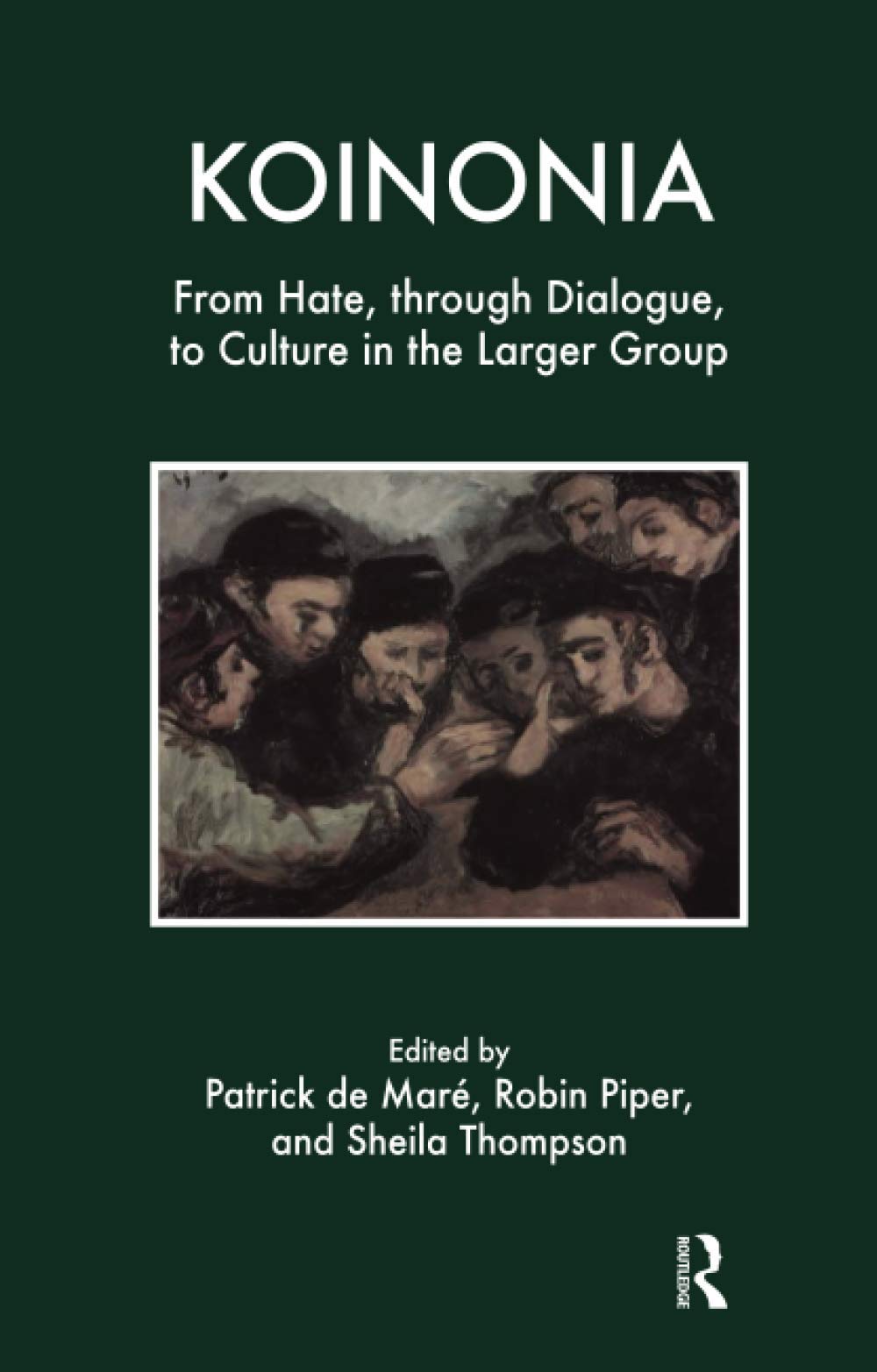
Koinonia: From Hate, Through Dialogue, to Culture in the Large Group by Patrick B. Demare

Psychology
Mindfulness-Based Interventions for Trauma and Its Consequences (Concise Guides on Trauma Care, 4)

Psychology
Handbook for Teaching Statistics and Research Methods by Mark E. Ware

Psychology
Psychoanalysis and the Nuclear Threat: Clinical and Theoretical Studies
Psychology
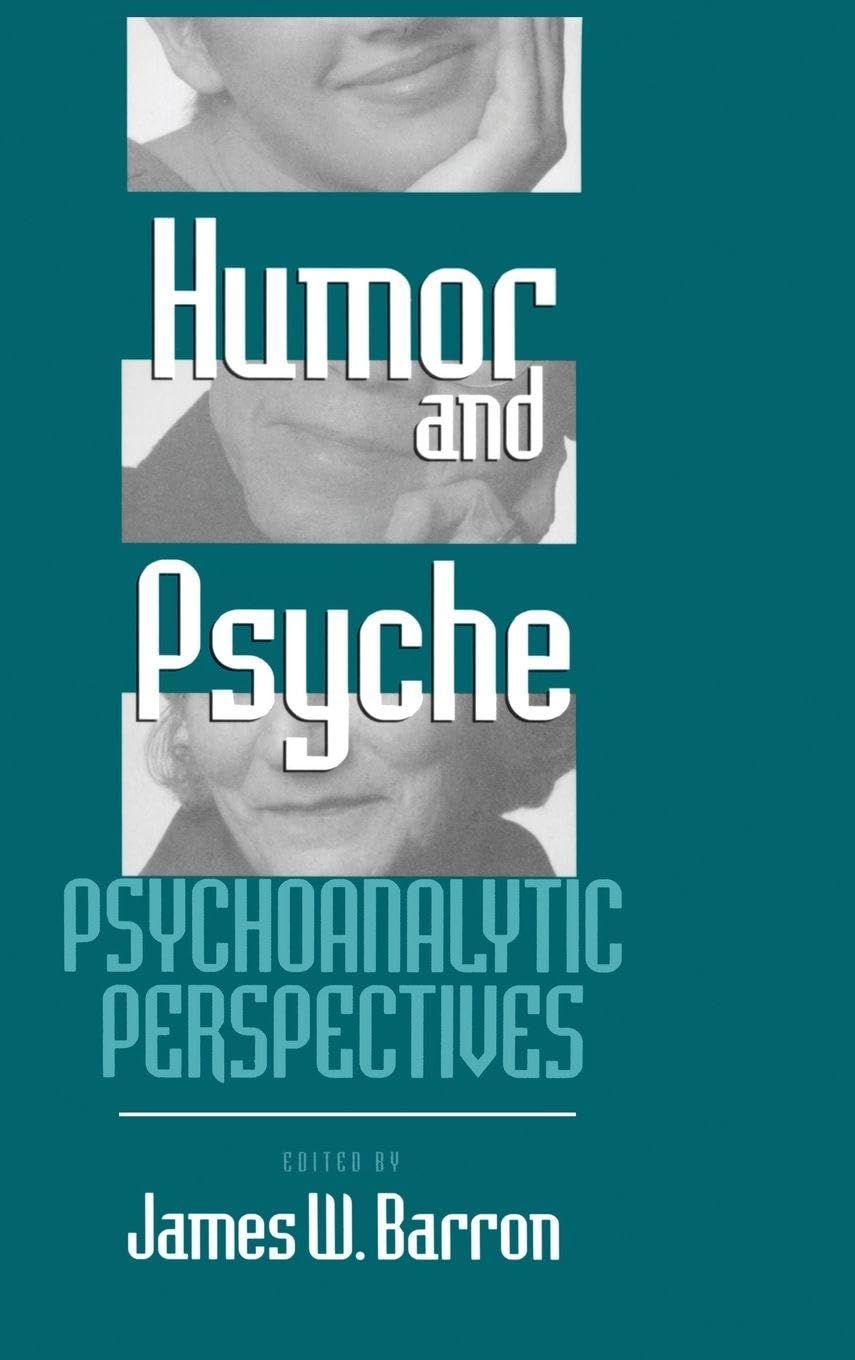
Humor and Psyche: Psychoanalytic Perspectives by James W. Barron

Relationships
The Experience and Expression of Uncertainty in Close Relationships by Jennifer A. Theiss
Related Products
View AllPsychology
Mindfulness-Based Interventions for Trauma and Its Consequences (Concise Guides on Trauma Care, 4)
Psychology
Handbook for Teaching Statistics and Research Methods by Mark E. Ware
Psychology
Psychoanalysis and the Nuclear Threat: Clinical and Theoretical Studies
Psychology
Humor and Psyche: Psychoanalytic Perspectives by James W. Barron

Psychology
Proceedings of the First International Conference on Genetic Algorithms and Their Applications
Psychology