

Awakening the Dreamer: Clinical Journeys by Philip M. Bromberg – Exploring Dissociation and Self-States in Psychoanalyti
Inclusive of all applicable taxes. FREE shipping on all orders.
Available Offers
- 🚚Free Delivery — Free shipping on all orders
- 💵Cash on Delivery — Pay when your order arrives
- ↩️15-Day Easy Returns — Hassle-free return policy
- 🔒Cash on Delivery — Pay safely when your order arrives
Check Delivery
Product Description
Introduction
In the vast landscape of psychoanalytic literature, few works manage to bridge the gap between rigorous clinical theory and the deeply human experience of therapy. Philip M. Bromberg's Awakening the Dreamer: Clinical Journeys stands as a landmark contribution that redefines how we understand the mind, self-states, and the therapeutic process. Published by Routledge, this hardcover edition is an essential addition to the library of every serious student and practitioner of psychoanalysis in India and beyond.
Book Overview
Awakening the Dreamer: Clinical Journeys continues the groundbreaking explorations that Bromberg began in his earlier work, Standing in the Spaces. The book delves into the intricate workings of dissociation, self-states, and the relational nature of the psychoanalytic encounter. Bromberg argues that the mind is not a monolithic entity but a configuration of multiple self-states, each with its own perspective, affect, and memory. Through vivid clinical vignettes and theoretical insights, he demonstrates how the therapist can engage with these states to foster genuine intersubjective connection and healing. The book is a masterclass in clinical sensitivity, offering a fresh lens through which to view the complexities of human consciousness and the transformative power of the therapeutic relationship.
Key Highlights
- Groundbreaking Model of Mind: Bromberg presents a model centered on self-states and dissociation, offering a nuanced understanding of how individuals navigate internal conflicts and relational ruptures.
- Integration of Neuroscience and Psychology: The work seamlessly weaves together findings from contemporary neuroscience, cognitive psychology, developmental research, and attachment theory, making it relevant for modern clinicians.
- Rich Clinical Vignettes: Each chapter is anchored in real therapeutic encounters, illustrating how theory translates into practice with depth and empathy.
- Focus on the Analyst's Inner World: Bromberg emphasizes the importance of the therapist's own self-states and how they influence the clinical process, promoting a more authentic and responsive therapeutic stance.
Inside the Book
The book is structured around a series of clinical journeys that explore the subtle, split-second shifts in relatedness between patient and analyst. Bromberg captures the peripheral variations in communication—those fleeting moments where dissociation reveals itself—and shows how these moments open doors to deeper understanding. Topics include the role of dreams in accessing dissociated self-states, the interplay between trauma and identity, and the ethical dimensions of therapeutic presence. The writing is both intellectually rigorous and emotionally resonant, making complex ideas accessible without losing their depth.
Key Topics
- Dissociation and self-states in clinical practice
- Intersubjective relatedness and the therapeutic relationship
- Dreams as pathways to dissociated experience
- Trauma, memory, and the construction of identity
- Integration of psychoanalysis with neuroscience and attachment research
- The analyst's subjectivity and countertransference
Reader Benefits
Readers will gain a richer, more compassionate understanding of their own minds and the minds of others. For clinicians, this book offers practical tools for recognizing and working with dissociative processes, enhancing their ability to connect with clients on a deeper level. For students, it provides a clear and compelling introduction to one of the most dynamic areas of contemporary psychoanalytic thought. The insights in this book also extend beyond the clinic, offering valuable perspectives for anyone interested in the nature of consciousness, identity, and relational healing.
Learning Outcomes
- Understand the concept of self-states and how they shape human experience
- Recognize signs of dissociation in clinical and everyday settings
- Learn techniques for engaging with multiple self-states in therapy
- Appreciate the role of dreams in revealing dissociated content
- Integrate neuroscientific and developmental perspectives into psychoanalytic practice
- Develop a more attuned and authentic therapeutic presence
Who Should Read
This book is indispensable for psychoanalysts, psychotherapists, clinical psychologists, and mental health professionals who wish to deepen their understanding of dissociation and relational dynamics. It is also highly recommended for postgraduate students in psychology, psychiatry, and counselling, as well as for scholars in the fields of trauma studies and cognitive science. Anyone fascinated by the complexities of the human mind and the art of healing will find this work both enlightening and inspiring.
About the Author
Philip M. Bromberg, Ph.D., is a distinguished psychoanalyst and clinical psychologist known for his pioneering work on dissociation and the relational model of mind. He served as a Training and Supervising Analyst at the William Alanson White Institute in New York City and was a clinical professor of psychology at the New York University Postdoctoral Program in Psychotherapy and Psychoanalysis. Bromberg's writings have profoundly influenced contemporary psychoanalytic thought, and his books are celebrated for their clarity, compassion, and clinical wisdom. He passed away in 2020, leaving behind a legacy that continues to shape the field.
About the Publisher
Routledge is a premier global publisher of academic and professional books in the social sciences and humanities. With a reputation for excellence, Routledge brings together cutting-edge research and clinical expertise from leading scholars around the world. This hardcover edition reflects the high production standards that Indian readers expect, with durable binding and clear typography designed for repeated reference.
Conclusion
Awakening the Dreamer: Clinical Journeys is more than a book—it is an invitation to explore the hidden landscapes of the self. Philip Bromberg's compassionate and intellectually rigorous approach offers a path toward greater self-awareness, relational depth, and clinical effectiveness. Whether you are a seasoned therapist or a curious student, this book will transform the way you think about mind, memory, and the healing power of human connection. Add it to your collection today and embark on a journey that will awaken the dreamer within.
Quick Summary
Awakening the Dreamer: Clinical Journeys by Philip M. Bromberg is a seminal work in relational psychoanalysis that focuses on dissociation and the self-state model of mind. Bromberg, a leading clinician, uses detailed case studies to illustrate how dissociated self-states emerge in therapy and how analysts can work with them to foster integration and healing. The book is written for psychoanalysts, psychotherapists, and trauma specialists, offering both theoretical depth and practical clinical guidance. Readers will learn to recognize subtle shifts in self-states, navigate therapeutic enactments, and cultivate authentic intersubjective relating. By purchasing from Bookshops.in, Indian readers gain access to a premium hardcover edition with reliable delivery and customer support, making it an ideal choice for professionals and students alike.
Book Highlights
Book Specifications
| ISBN-13 | 9780881634419 |
| ISBN-10 | 0881634417 |
| Publisher | Routledge |
| Language | English |
| Dimensions | 15.88 x 1.27 x 22.86 cm |
| Weight | 590 g |
| Category | Psychology › Clinical Psychology |
| Genre | Nonfiction |
| Reading Age | Professional and academic |
| Original Language | English |
Frequently Asked Questions
What is Awakening the Dreamer: Clinical Journeys about?
Who is Philip M. Bromberg?
Is this book suitable for beginners in psychoanalysis?
How does this book differ from Standing in the Spaces?
Does the book include practical clinical guidance?
What is the self-state model?
Is this book relevant for trauma therapy?
What is intersubjective relating?
Are there any prerequisites to read this book?
Can I use this book for academic research?
Does the book address neurobiology?
What is the reading age for this book?
Why buy from Bookshops.in?
Readers Also Search For
Customers Also Bought
Psychology
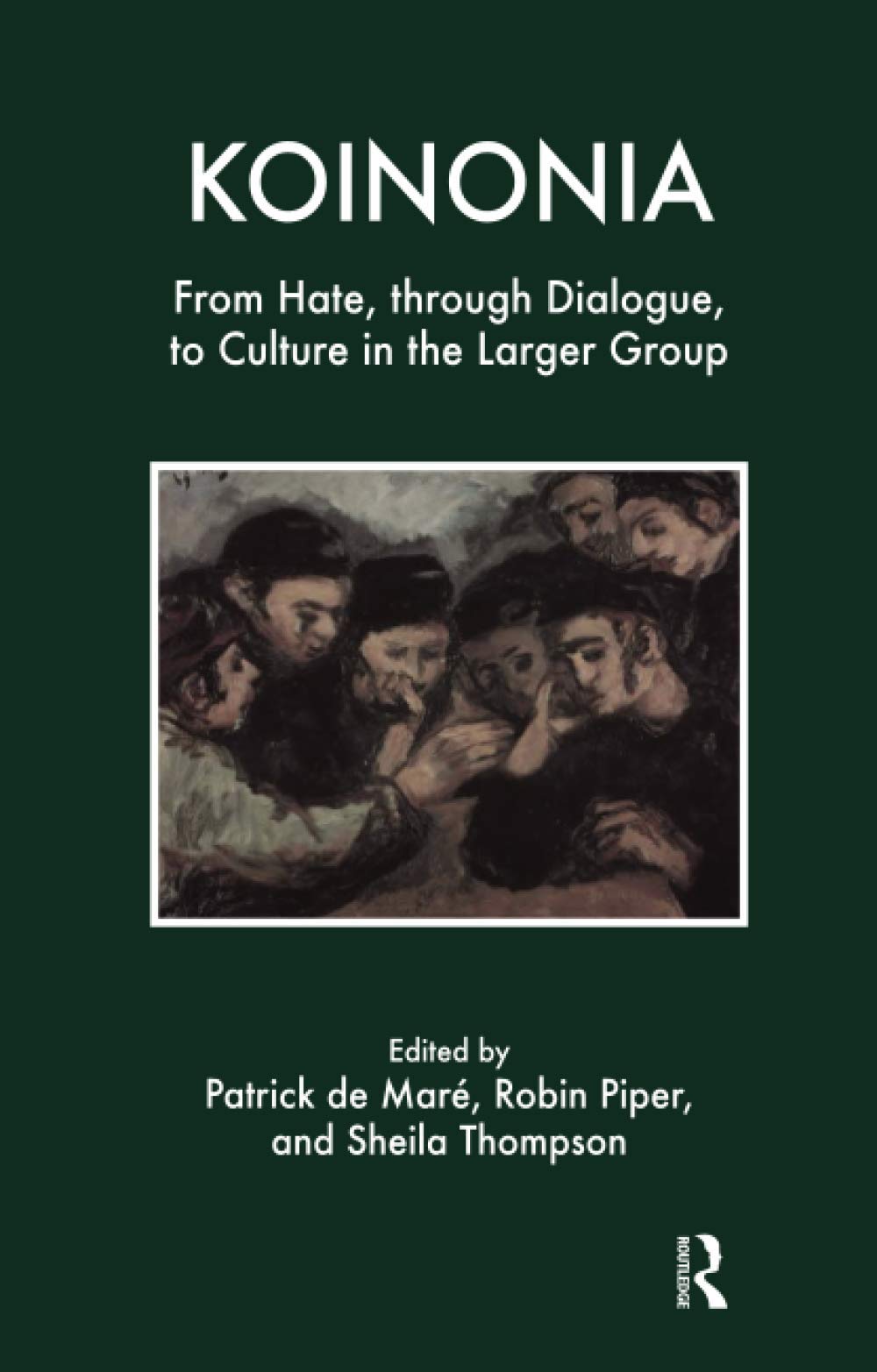
Koinonia: From Hate, Through Dialogue, to Culture in the Large Group by Patrick B. Demare

Psychology
Mindfulness-Based Interventions for Trauma and Its Consequences (Concise Guides on Trauma Care, 4)

Psychology
Handbook for Teaching Statistics and Research Methods by Mark E. Ware

Psychology
Psychoanalysis and the Nuclear Threat: Clinical and Theoretical Studies

Psychology
Humor and Psyche: Psychoanalytic Perspectives by James W. Barron

Relationships
The Experience and Expression of Uncertainty in Close Relationships by Jennifer A. Theiss
Related Products
View AllPsychology
Mindfulness-Based Interventions for Trauma and Its Consequences (Concise Guides on Trauma Care, 4)
Psychology
Handbook for Teaching Statistics and Research Methods by Mark E. Ware
Psychology
Psychoanalysis and the Nuclear Threat: Clinical and Theoretical Studies
Psychology
Humor and Psyche: Psychoanalytic Perspectives by James W. Barron

Psychology
Proceedings of the First International Conference on Genetic Algorithms and Their Applications
Psychology