
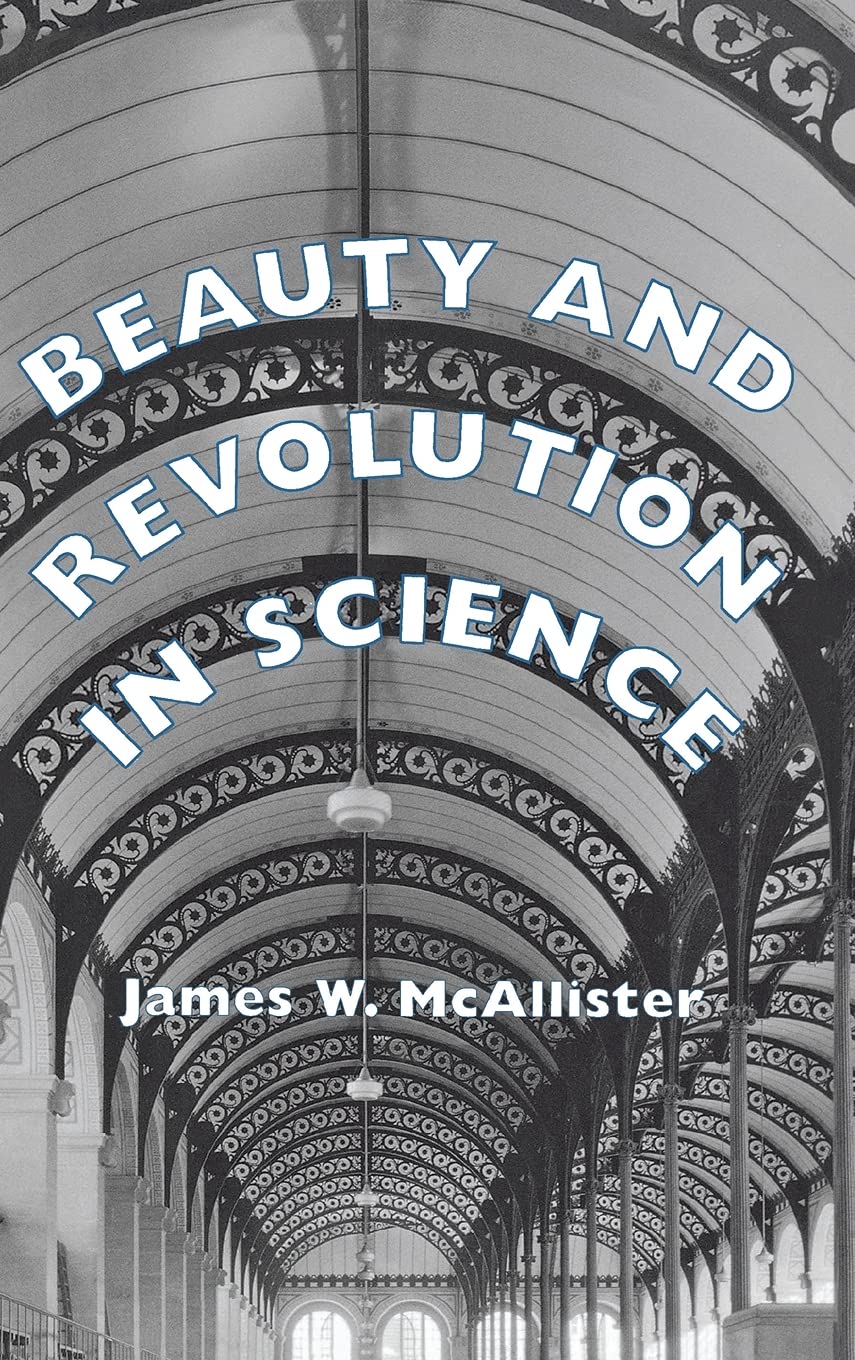
Beauty & Revolution in Science: How Aesthetic Values Influence Scientific Revolutions by James W. McAllister
Inclusive of all applicable taxes. FREE shipping on all orders.
Available Offers
- 🚚Free Delivery — Free shipping on all orders
- 💵Cash on Delivery — Pay when your order arrives
- ↩️15-Day Easy Returns — Hassle-free return policy
- 🔒Cash on Delivery — Pay safely when your order arrives
Check Delivery
Product Description
Introduction
What drives a scientist to embrace one theory over another? Is it purely empirical data, or does something more intangible—like beauty—play a decisive role? In Beauty & Revolution in Science, James W. McAllister offers a groundbreaking exploration of how aesthetic judgments shape the very fabric of scientific progress. This hardcover volume from Cornell University Press is an essential read for anyone curious about the human side of scientific discovery.
Book Overview
This meticulously researched work challenges the conventional view that science is a cold, dispassionate pursuit of facts. McAllister argues that scientists often rely on aesthetic criteria—such as elegance, simplicity, and harmony—when choosing between competing theories. Drawing on historical examples from physics, chemistry, and biology, he demonstrates that beauty is not merely a subjective preference but a powerful force that can drive scientific revolutions. The book reexamines the nature of paradigm shifts, offering a fresh perspective that complements and critiques the ideas of thinkers like Thomas Kuhn.
Key Highlights
- First systematic study of aesthetic evaluations in scientific practice
- Rich historical examples from relativity, quantum mechanics, and evolutionary biology
- Innovative model of scientific revolutions that integrates aesthetic preferences
- Critical analysis of the relationship between simplicity, beauty, and empirical success
- Accessible yet rigorous writing suitable for both scholars and curious readers
Inside the Book
McAllister begins by exploring how scientists like P. A. M. Dirac and Albert Einstein openly acknowledged the role of beauty in their work. He then traces the evolution of aesthetic styles across different eras, showing how empirical track records shape what scientists find beautiful. The book delves into the concept of 'aesthetic induction,' where past successes of a theory influence future aesthetic judgments. Later chapters propose a new framework for understanding scientific revolutions, arguing that they often occur when a new aesthetic sensibility clashes with an established one.
Key Topics
- The role of beauty in theory acceptance and rejection
- Aesthetic induction and its impact on scientific progress
- The origin and development of scientific aesthetic styles
- Simplicity as an aesthetic versus empirical virtue
- Scientific revolutions as aesthetic conflicts
- Case studies from the history of physics and biology
Reader Benefits
By reading this book, you will gain a deeper appreciation for the creative and human dimensions of science. You will learn to identify the aesthetic criteria that have shaped landmark theories, from Copernican heliocentrism to quantum electrodynamics. The book equips you with a new vocabulary to discuss scientific change, making it invaluable for students, researchers, and anyone who loves intellectual history. It also offers practical insights into how aesthetic values can both advance and hinder scientific discovery.
Learning Outcomes
- Understand the interplay between aesthetic judgment and empirical evidence in science
- Analyze historical scientific revolutions through an aesthetic lens
- Critically evaluate the role of simplicity and elegance in theory construction
- Recognize how aesthetic preferences evolve over time and across disciplines
- Apply McAllister's model to contemporary debates in philosophy of science
Who Should Read
This book is perfect for university students in philosophy of science, history of science, and science studies. It is also highly recommended for working scientists who wish to reflect on the foundations of their own practice. General readers with an interest in the cultural and intellectual dimensions of science will find it equally rewarding. Teachers and educators looking to enrich their curriculum with interdisciplinary perspectives will also benefit greatly.
About the Author
James W. McAllister is a professor of philosophy of science at the University of Leiden in the Netherlands. His research focuses on the role of aesthetic and value judgments in scientific reasoning. He has published extensively in leading journals and is known for his clear, engaging writing style that bridges the gap between technical philosophy and accessible scholarship. Beauty & Revolution in Science is his magnum opus, synthesizing decades of research into a compelling narrative.
About the Publisher
Cornell University Press, based in Ithaca, New York, is one of the oldest and most respected academic publishers in the United States. Founded in 1869, it is renowned for its high-quality books in the humanities, social sciences, and natural sciences. This hardcover edition reflects the press's commitment to scholarly excellence, with durable binding and acid-free paper that will last for generations.
Conclusion
Beauty & Revolution in Science is a must-have for anyone who believes that science is as much an art as it is a method. By revealing the aesthetic heart of scientific revolutions, James W. McAllister invites us to see the pursuit of knowledge in a new light. Order your copy today from Bookshops.in and add this thought-provoking work to your library.
Quick Summary
Beauty & Revolution in Science by James W. McAllister is a landmark work in the philosophy of science that systematically investigates how aesthetic criteria—such as beauty, simplicity, and elegance—influence scientists' acceptance of theories and drive scientific revolutions. Drawing on historical examples from relativity, quantum mechanics, and other major theories, McAllister shows that aesthetic preferences are not arbitrary but evolve based on the empirical success of theories. The book challenges the traditional view of science as purely rational and empirical, revealing a richer, more human process. This hardcover edition from Cornell University Press is ideal for Indian students, researchers, and educators in philosophy, history of science, and science studies. Readers will learn to critically evaluate how beauty shapes scientific thought and gain a deeper appreciation of scientific creativity. By purchasing from Bookshops.in, you get a genuine imported edition with reliable delivery across India.
Book Highlights
Book Specifications
| ISBN-13 | 9780801432408 |
| ISBN-10 | 0801432405 |
| Publisher | Cornell Univ Pr |
| Language | English |
| Dimensions | 15.24 x 2.39 x 22.86 cm |
| Weight | 590 g |
| Country | India |
| Category | Philosophy › Aesthetics |
| Genre | Non-fiction |
| Reading Age | Adult |
| Original Language | English |
Frequently Asked Questions
What is the main thesis of Beauty & Revolution in Science?
Who is James W. McAllister?
Is this book suitable for Indian undergraduate students?
Does the book only cover physics?
How does the book define 'beauty' in science?
What scientific revolutions are discussed?
Is this a textbook?
Does the book include Indian perspectives?
Is the book still relevant today?
Can I use this book for my PhD research?
What is the price in India?
Does Bookshops.in ship across India?
Is there a digital version available?
Readers Also Search For
Customers Also Bought
Islam
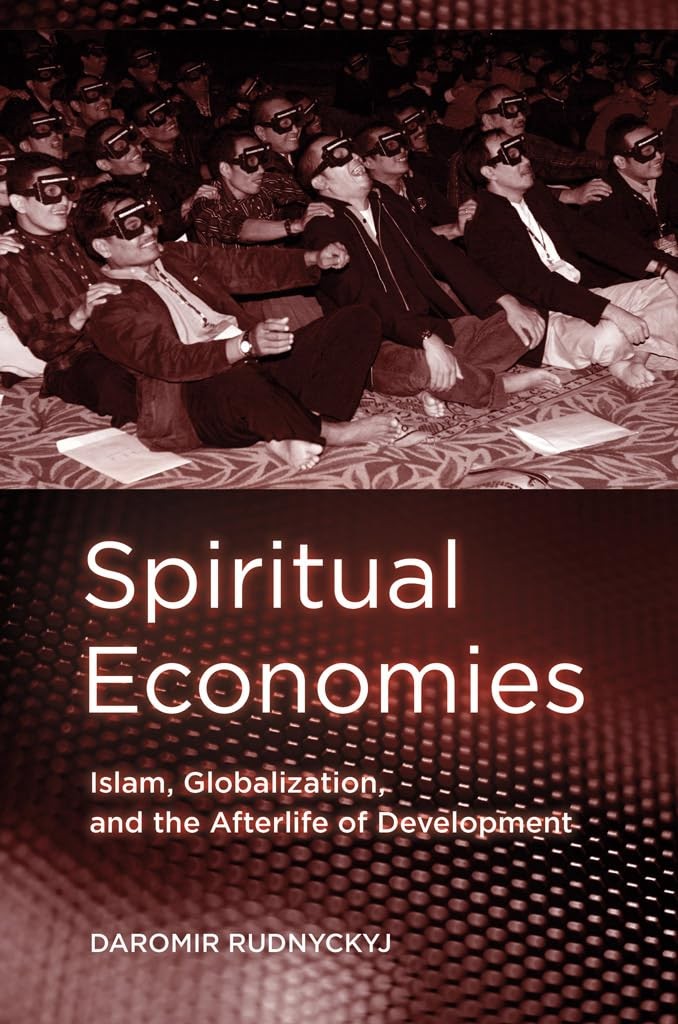
Spiritual Economies (English, Daromir Rudnyckyj)

Islam
Who Is Allah? (English, Bruce B. Lawrence)

Islam
Islam and Liberal Citizenship: The Search for an Overlapping Consensus by Andrew F. March

Islam
Fiqh Us-Sunnah: Funerals and Diggers by Al-Sayyid Sabiq – Islamic Funeral Guide

Christianity
Genetics (English, Thomas a. Shannon | Mark P. Aulisio | Françoise Baylis)

Hinduism
Karma and Creativity by Christopher Key Chapple – Indian Philosophy
Related Products
View All
Philosophy
Latin American Philosophy: Currents, Issues, Debates by Eduardo Mendieta

Philosophy
Al-Farabi's Short Commentary on Aristotle's Prior Analytics by Nicholas Rescher – Philosophy

Philosophy
Poetics of Imagining: Modern to Post-modern by Richard Kearney

Philosophy
The Metaphysics of Extrinsic Properties: 11 (Metaphysical Research, 11)
Philosophy
Dialogues on Metaphysics and on Religion by Nicolas Malebranche – Philosophy
Philosophy