
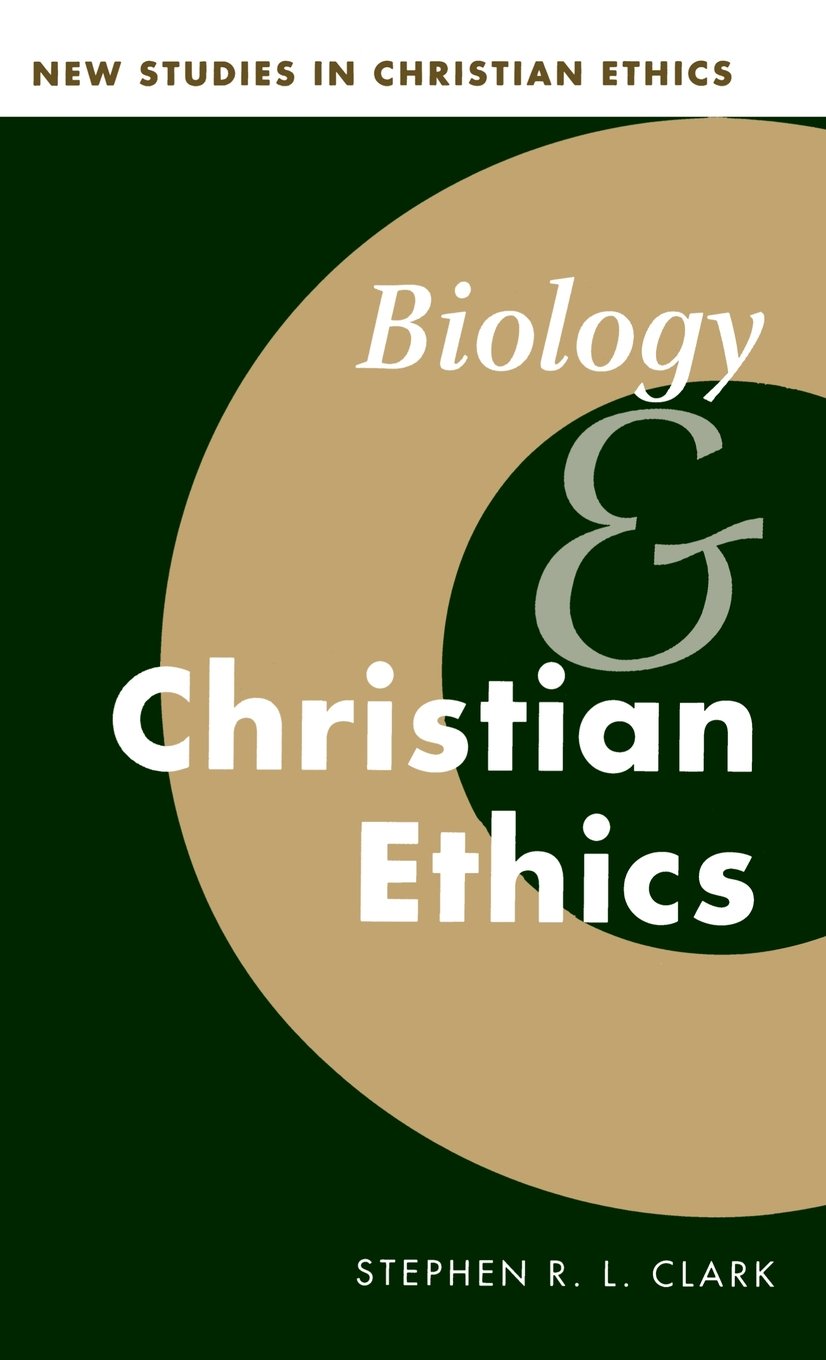
Biology and Christian Ethics: A Philosophical Exploration of Science and Morality by Stephen R. L. Clark
Inclusive of all applicable taxes. FREE shipping on all orders.
Available Offers
- 🚚Free Delivery — Free shipping on all orders
- 💵Cash on Delivery — Pay when your order arrives
- ↩️15-Day Easy Returns — Hassle-free return policy
- 🔒Cash on Delivery — Pay safely when your order arrives
Check Delivery
Product Description
Introduction
In an age where science and faith are often seen as opposing forces, Stephen R. L. Clark’s Biology and Christian Ethics offers a profound and nuanced exploration of how biological science and Christian theology can inform one another. This hardcover volume from Cambridge University Press invites readers to rethink the boundaries between nature, morality, and belief, making it an essential read for students, scholars, and anyone curious about the intersection of science and religion.
Book Overview
Published by the prestigious Cambridge University Press, Biology and Christian Ethics is a thought-provoking work that examines the relationship between Darwinian biology and Christian moral philosophy. Stephen R. L. Clark, a leading philosopher and ethicist, delves into questions that are both timeless and urgent: Can Christians accept that biological evolution is not guided by transcendent values? Are species boundaries fixed or fluid? Should nature set the standards for human ethics? The book argues that orthodox Christian philosophy—rather than progressive or meliorist interpretations—offers a more robust framework for embracing the truths of modern biology.
Key Highlights
- A rigorous philosophical inquiry into the ethical implications of biological theory since Darwin
- Challenges both secular and religious assumptions about nature, morality, and human purpose
- Engages with contemporary debates on ecology, genetics, and the meaning of life
- Written in an accessible yet scholarly style suitable for advanced readers
- Part of the prestigious Cambridge University Press catalogue
Inside the Book
The book is structured around a series of interconnected essays that build a compelling case for a Christian ethic grounded in biological reality. Clark examines topics such as the history of biological discovery, the concept of natural law, the problem of evil in an evolutionary world, and the moral status of non-human animals. He draws on a wide range of sources—from Aristotle and Augustine to contemporary evolutionary biologists—to craft a vision of ethics that is both scientifically informed and theologically orthodox.
Key Topics
- Evolutionary theory and its challenge to traditional Christian ethics
- The problem of natural evil and suffering in creation
- Species boundaries, biodiversity, and the image of God
- Environmental ethics and stewardship in a Darwinian world
- The relationship between nature, grace, and human freedom
- Critique of progressive and meliorist Christian responses to science
Reader Benefits
This book offers Indian readers a rare opportunity to engage with a sophisticated Christian perspective on biology that is neither anti-science nor naively accommodating. It equips readers with the intellectual tools to navigate the complex moral questions arising from genetic engineering, ecological crises, and the meaning of human life. By reading this book, you will gain a deeper appreciation for how orthodox Christian thought can engage with—and even enrich—the findings of modern biology.
Learning Outcomes
- Understand the key philosophical and ethical debates at the intersection of biology and Christianity
- Critically evaluate the claims of both scientific naturalism and religious fundamentalism
- Develop a coherent framework for thinking about morality in light of evolutionary theory
- Appreciate the historical development of biological thought from a philosophical perspective
- Recognize the strengths and limitations of different Christian responses to Darwinian science
Who Should Read
This book is ideal for students and scholars of philosophy, theology, biology, and ethics. It will also appeal to thoughtful Christians who wish to understand how their faith can coexist with—and even illuminate—the findings of modern science. Indian readers, especially those in academic or religious circles, will find the book’s arguments relevant to ongoing discussions about science, religion, and morality in a pluralistic society.
About the Author
Stephen R. L. Clark is a distinguished philosopher and ethicist, known for his work on the philosophy of biology, animal rights, and Christian theology. He has taught at the University of Liverpool and the University of Oxford, and his writings have influenced debates on environmental ethics and the moral status of non-human creatures. Clark brings a rare combination of philosophical rigour and theological sensitivity to every topic he addresses.
About the Publisher
Cambridge University Press is one of the world’s oldest and most respected academic publishers. With a history spanning over four centuries, it is renowned for producing authoritative works in science, philosophy, and religion. This hardcover edition reflects the Press’s commitment to scholarly excellence and durable craftsmanship—a book that will last for generations of readers.
Conclusion
Biology and Christian Ethics is not merely a book about science and religion—it is a call to think more deeply about what it means to be human in a world shaped by evolution. Stephen R. L. Clark’s original and courageous argument will challenge your assumptions and enrich your understanding of both biology and faith. Whether you are a student, a scholar, or a seeker of truth, this book belongs on your shelf.
Quick Summary
Biology and Christian Ethics by Stephen R. L. Clark is a profound philosophical exploration of the intersections between biological science and Christian moral thought. The book examines how Darwinian theory and modern biological discoveries challenge traditional Christian ethics, asking whether nature itself can serve as a moral guide. Clark, a leading philosopher, argues that Christians must engage critically with biology while maintaining their core theological commitments. This work is ideal for students of philosophy, theology, and ethics, as well as anyone interested in the science-religion dialogue. Readers will learn about the history of biological thought, the moral implications of evolution, and the possibilities for a Christian ethic that respects scientific knowledge. By purchasing from Bookshops.in, Indian readers gain access to a high-quality hardcover edition from Cambridge University Press, delivered with reliable service.
Book Highlights
Book Specifications
| ISBN-13 | 9780521561310 |
| ISBN-10 | 0521561310 |
| Publisher | Cambridge University Press |
| Language | English |
| Dimensions | 13.34 x 1.91 x 21.59 cm |
| Weight | 515 g |
| Country | India |
| Category | Philosophy › Ethics |
| Genre | Non-fiction |
| Original Language | English |
Frequently Asked Questions
What is the main theme of Biology and Christian Ethics?
Who is the author of this book?
Is this book suitable for beginners in philosophy?
Does the book support or oppose evolution?
What topics does the book cover?
Is this book relevant for Indian readers?
Which publisher released this book?
What is the price in India?
Is this a hardcover edition?
Can I use this book for academic research?
Does the book include biblical references?
What is the rating of this book?
Where can I buy this book in India?
Readers Also Search For
Customers Also Bought
Islam
Spiritual Economies (English, Daromir Rudnyckyj)

Islam
Who Is Allah? (English, Bruce B. Lawrence)
Islam
Islam and Liberal Citizenship: The Search for an Overlapping Consensus by Andrew F. March
Islam
Fiqh Us-Sunnah: Funerals and Diggers by Al-Sayyid Sabiq – Islamic Funeral Guide

Christianity
Genetics (English, Thomas a. Shannon | Mark P. Aulisio | Françoise Baylis)

Hinduism
Karma and Creativity by Christopher Key Chapple – Indian Philosophy
Related Products
View All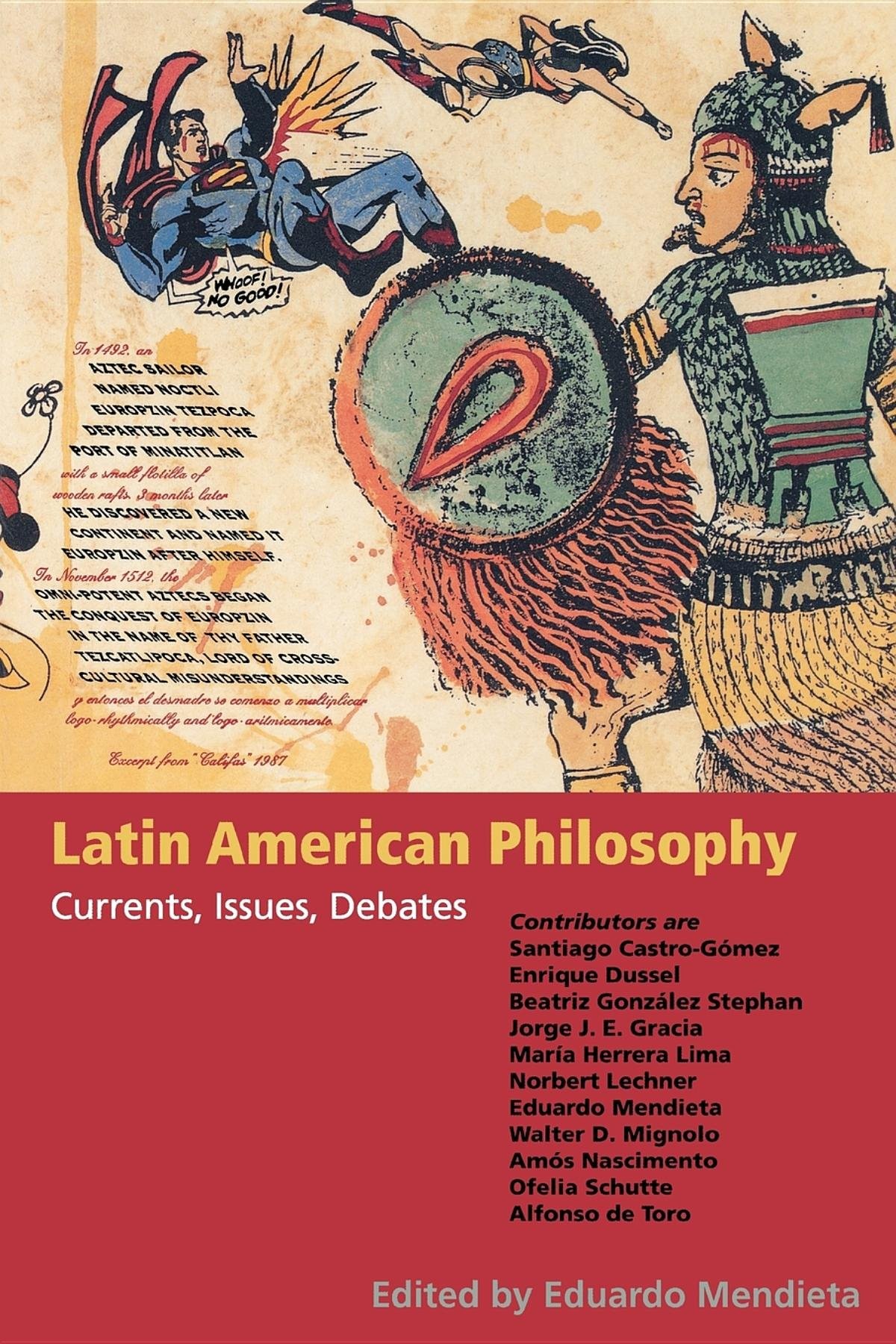
Philosophy
Latin American Philosophy: Currents, Issues, Debates by Eduardo Mendieta

Philosophy
Al-Farabi's Short Commentary on Aristotle's Prior Analytics by Nicholas Rescher – Philosophy
Philosophy
Poetics of Imagining: Modern to Post-modern by Richard Kearney
Philosophy
The Metaphysics of Extrinsic Properties: 11 (Metaphysical Research, 11)
Philosophy
Dialogues on Metaphysics and on Religion by Nicolas Malebranche – Philosophy
Philosophy