
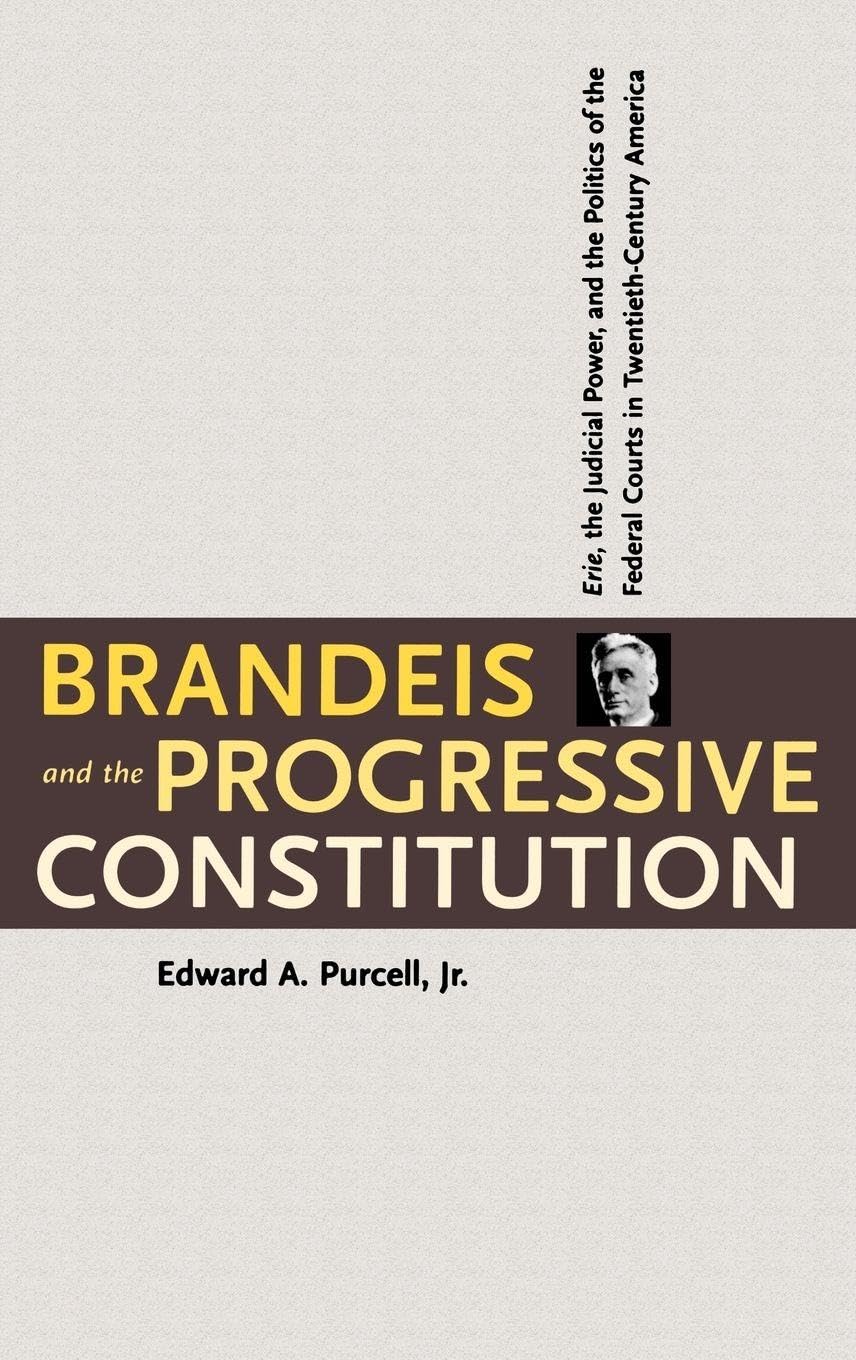
Brandeis & the Progressive Constitution – Erie, the Judicial Power, and the Politics of the Federal Courts in Twentieth-
Inclusive of all applicable taxes. FREE shipping on all orders.
Available Offers
- 🚚Free Delivery — Free shipping on all orders
- 💵Cash on Delivery — Pay when your order arrives
- ↩️15-Day Easy Returns — Hassle-free return policy
- 🔒Cash on Delivery — Pay safely when your order arrives
Check Delivery
Product Description
Introduction
In the landscape of American legal history, few figures loom as large as Justice Louis D. Brandeis, and fewer cases have reshaped the architecture of federal judicial power as profoundly as Erie Railroad Co. v. Tompkins. Edward A. Purcell’s Brandeis & the Progressive Constitution offers a masterful exploration of the ideological battles, political currents, and constitutional transformations that defined the federal courts in twentieth-century America. This Yale University Press hardcover is an indispensable resource for Indian legal scholars, constitutional law enthusiasts, and students seeking a deeper understanding of how progressive thought influenced the judiciary’s role in a rapidly changing nation.
Book Overview
This meticulously researched volume traces the evolution of constitutional ideas from the 1930s through the 1950s, focusing on Brandeis’s landmark 1938 opinion in Erie Railroad Co. v. Tompkins. Purcell argues that this seemingly technical decision was a deliberate progressive weapon, designed to curb federal judicial lawmaking and shift power back to state courts. Through a rich narrative, the book reveals how Brandeis’s personal values, his distrust of centralized authority, and his commitment to democratic experimentation shaped a ruling that continues to influence American jurisprudence. The work also examines the broader political and legal struggles over the role of federal courts during the New Deal era.
Key Highlights
- In-depth analysis of the Erie decision as a turning point in federal-state court relations
- Examination of Brandeis’s constitutional philosophy and its progressive roots
- Exploration of New Deal-era political battles that shaped judicial power
- Original insights into the social origins of the Erie case
- Clear connections between early twentieth-century progressivism and modern federal court structure
Inside the Book
The book is organized into thematic chapters that guide readers through the complex interplay of law, politics, and ideology. It opens with a contextual overview of the early twentieth-century legal landscape, then delves into Brandeis’s intellectual biography and his evolving views on judicial restraint. Subsequent chapters dissect the Erie decision itself, its immediate aftermath, and its long-term implications for the balance of power between federal and state judiciaries. Purcell also addresses the broader debates over judicial lawmaking, the legitimacy of federal common law, and the constitutional foundations of the modern administrative state. Each chapter is grounded in primary sources, including Brandeis’s personal papers, court records, and contemporary political commentary.
Key Topics
- Progressive constitutionalism and its impact on judicial philosophy
- The Erie doctrine and its role in federalism
- Brandeis’s jurisprudence on judicial restraint and democratic experimentation
- New Deal-era conflicts over federal court authority
- The politics of judicial power in twentieth-century America
- State versus federal court jurisdiction and its historical evolution
Reader Benefits
For Indian readers, this book offers a comparative lens to understand the dynamics of federal judicial systems. It illuminates how a single judge’s vision can reshape legal frameworks, providing lessons for those studying constitutional law, comparative federalism, and legal history. The book’s rigorous scholarship and accessible prose make it suitable for both academic and general audiences. Readers will gain a nuanced appreciation of how political ideologies influence judicial decisions, and how landmark cases are often products of their time rather than neutral legal reasoning.
Learning Outcomes
- Understand the historical and political context of the Erie decision
- Analyze Brandeis’s constitutional philosophy and its progressive foundations
- Evaluate the impact of the Erie case on federal-state court relations
- Trace the evolution of judicial power in twentieth-century America
- Develop critical thinking about the relationship between law and politics
Who Should Read
This book is ideal for law students, legal historians, constitutional scholars, and anyone interested in the intersections of politics and judiciary. It is particularly valuable for Indian students of comparative constitutional law who wish to explore how progressive movements have shaped legal systems abroad. Practitioners and academics in the fields of federalism, judicial process, and American legal history will find it an essential addition to their library. The book also appeals to general readers curious about how a single case can redefine the structure of a nation’s courts.
About the Author
Edward A. Purcell, Jr. is a distinguished legal historian and professor emeritus at New York Law School. He has written extensively on American constitutional history, federal courts, and the role of the judiciary. His works are known for their deep archival research and their ability to connect legal doctrine to broader social and political currents. Purcell’s scholarship has earned him numerous accolades, and his writing is respected for its clarity and intellectual rigour.
About the Publisher
Yale University Press is one of the most prestigious academic publishers in the world, known for its commitment to producing authoritative works in history, law, and the social sciences. With a legacy spanning over a century, Yale University Press has been the home of seminal texts that have shaped scholarly discourse. This hardcover edition is printed on high-quality paper, ensuring durability for years of reference and study.
Conclusion
Brandeis & the Progressive Constitution is more than a study of a landmark case; it is a window into the soul of American progressive thought and its enduring influence on the judiciary. Edward A. Purcell’s rigorous analysis and compelling narrative make this book a must-read for anyone seeking to understand the political and ideological forces that have shaped the federal courts. Whether you are a student, scholar, or enthusiast, this volume will deepen your appreciation of constitutional law and the men who have shaped it. Order your copy today from Bookshops.in and add this essential work to your collection.
Quick Summary
Brandeis & the Progressive Constitution – Erie, the Judicial Power, and the Politics of the Federal Courts in Twentieth-Century America by Edward A. Purcell Jr. is a landmark study of one of the most consequential Supreme Court decisions in American history. The book zeroes in on Justice Louis D. Brandeis's opinion in Erie Railroad Co. v. Tompkins (1938), which abolished federal general common law and transferred significant judicial authority to state courts. Purcell masterfully situates the case within the turbulent political and ideological landscape of the New Deal, revealing how Brandeis's progressive vision and commitment to judicial restraint shaped the outcome. Readers will gain a nuanced understanding of the interplay between law and politics, the evolution of federal jurisdiction, and the enduring legacy of Brandeis's constitutional thought. This book is ideal for law students, legal historians, political scientists, and anyone interested in the dynamics of American federalism. By purchasing from Bookshops.in, you support a trusted Indian bookstore that offers authentic imported editions and reliable delivery across the country.
Book Highlights
Book Specifications
| ISBN-13 | 9780300078046 |
| ISBN-10 | 0300078048 |
| Publisher | Yale University Press |
| Language | English |
| Dimensions | 16.2 x 3.23 x 23.99 cm |
| Weight | 794 g |
| Category | Political Science › Government |
| Genre | Non-fiction |
| Original Language | English |
Frequently Asked Questions
What is the main focus of Brandeis & the Progressive Constitution?
Who is the author and what is his background?
Why is the Erie case so important?
Is this book suitable for undergraduate students?
Does the book cover Brandeis's entire career?
How does the book relate to the New Deal?
What makes this book different from other studies of Brandeis?
Is the book heavily technical or accessible?
Does the book discuss other Supreme Court cases?
Is this book part of a series?
Where can I buy this book in India?
What is the price of the book?
Does the book include a bibliography or index?
Readers Also Search For
Customers Also Bought

Constitutional Law
Indigenous law and the state
Constitutional Law
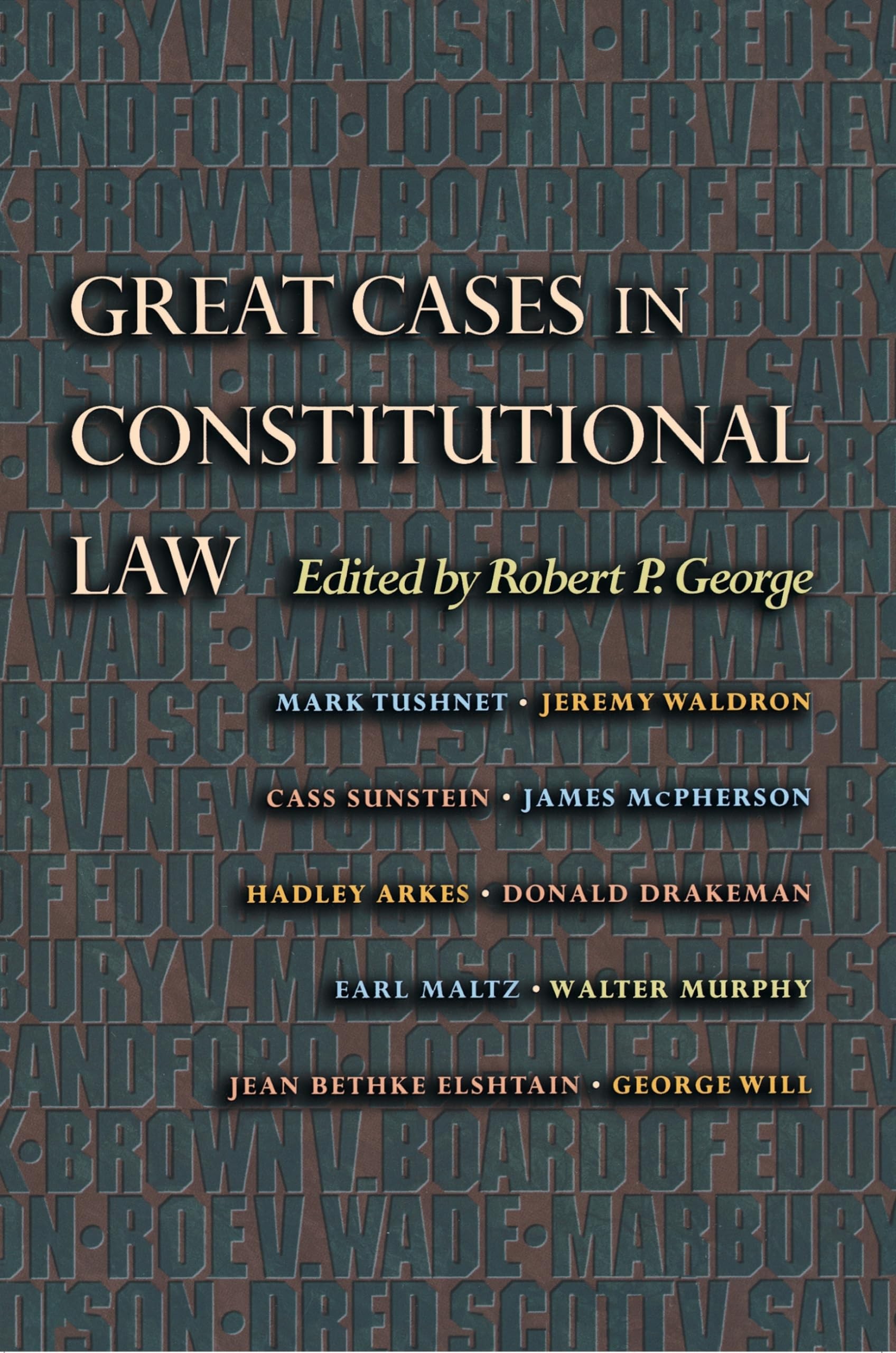
Great Cases in Constitutional Law (English, Robert P. George)
Constitutional Law
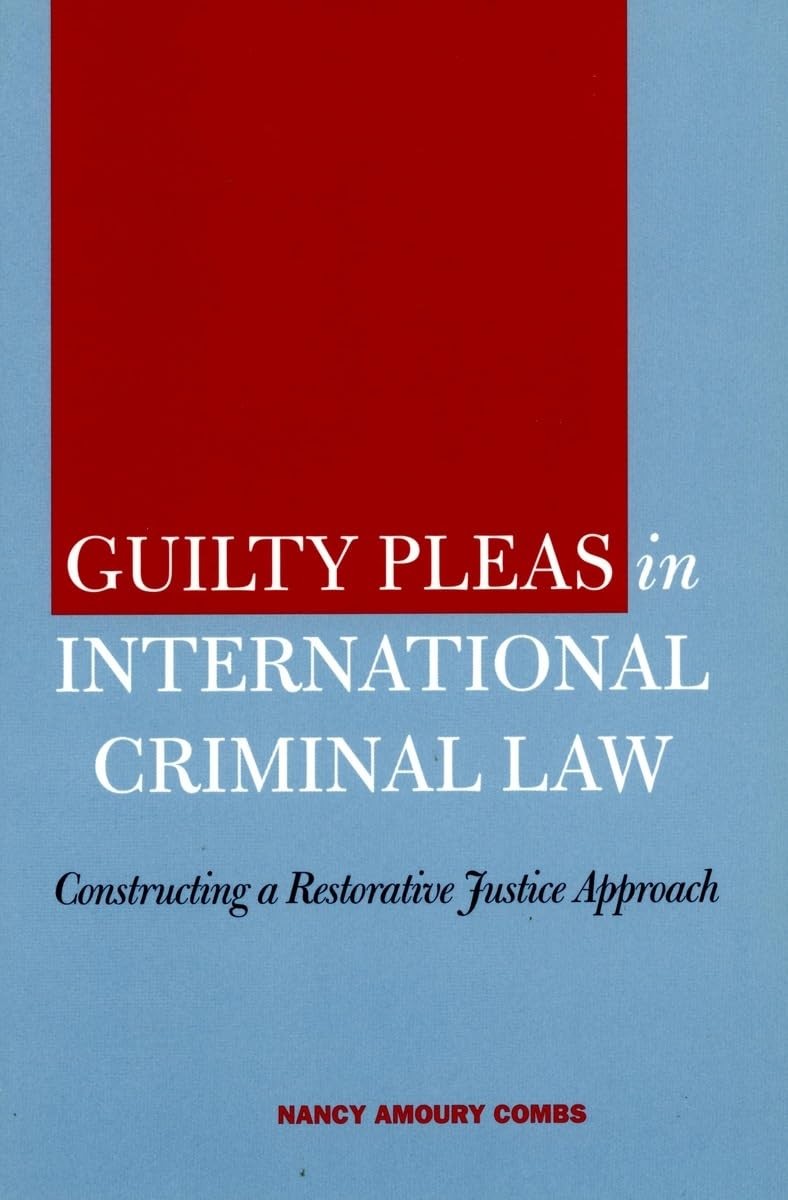
Guilty Pleas in International Criminal Law (English, Nancy Amoury Combs)
Constitutional Law
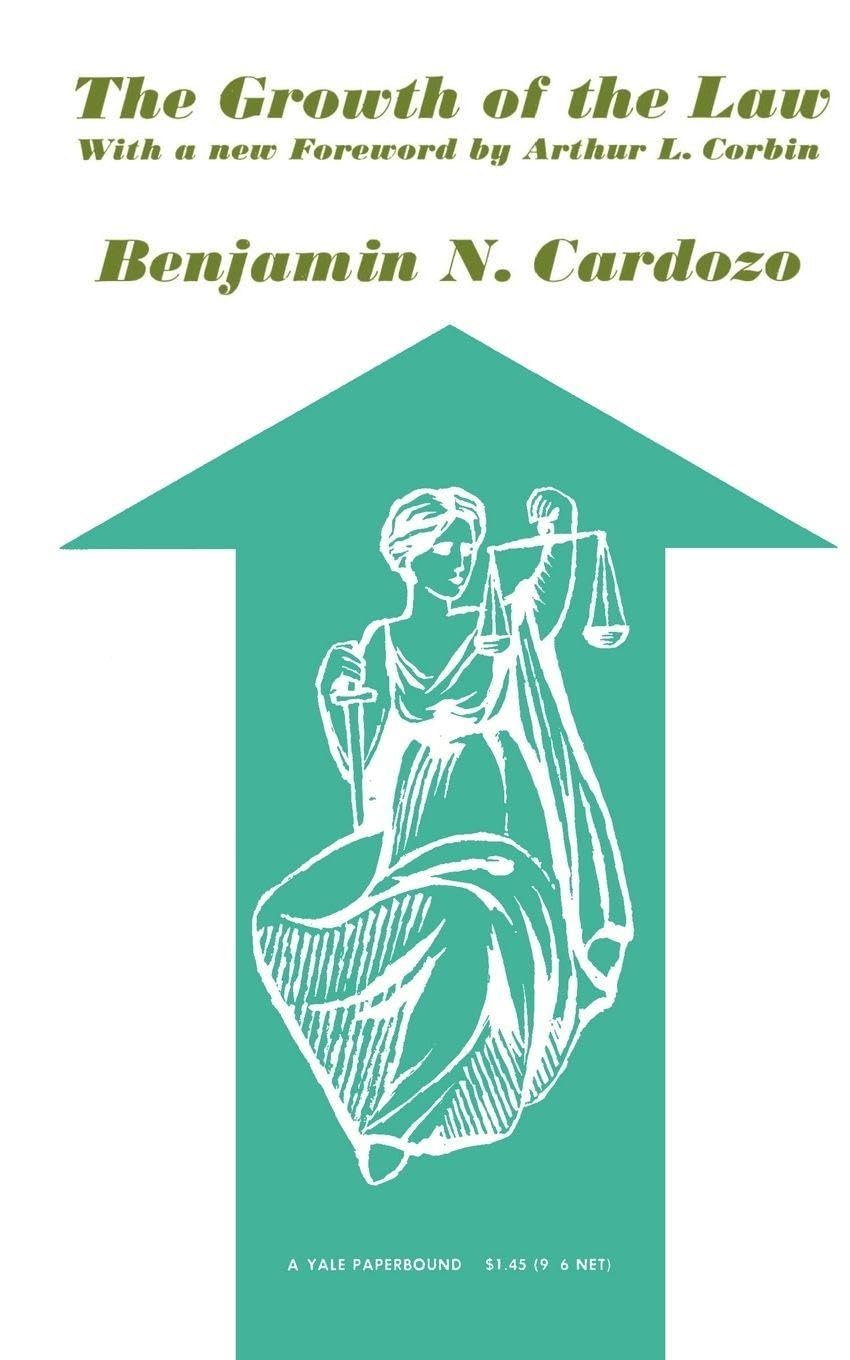
The Growth of the Law by Benjamin N. Cardozo – Jurisprudence
Constitutional Law
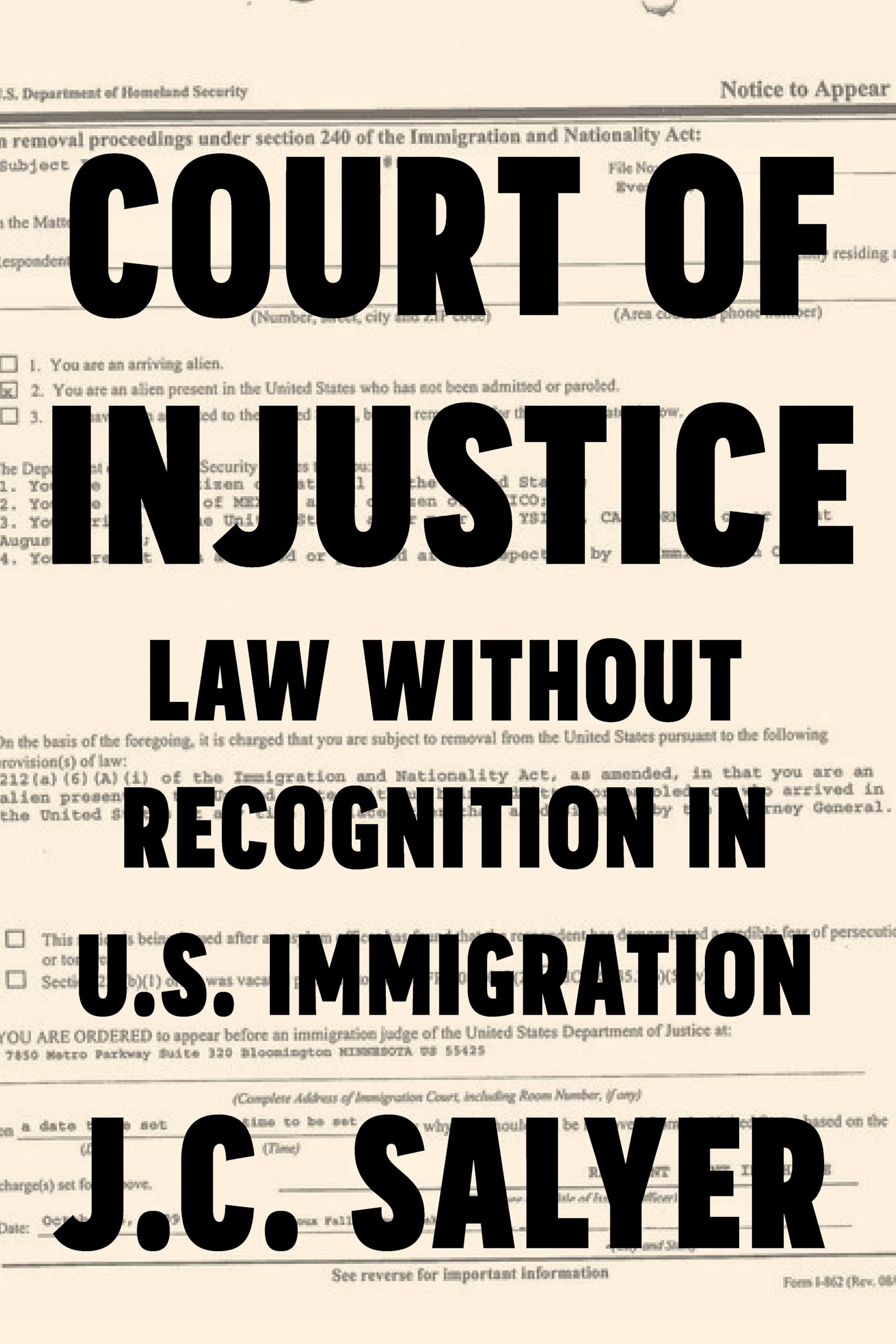
Court of Injustice: Law Without Recognition in U.S. Immigration by J. C. Salyer

Constitutional Law
Youth: Learning Through Cases
Related Products
View All
Law
Mediasport | by Lawrence Wenner | Routledge | by Lawrence Wenner | Routledge | by Lawrence Wenner | Routledge | by Lawrence Wenner | Routledge | by Lawrence Wenner | Routledge | by Lawrence Wenner | Routledge | by Lawrence Wenner | Routledge | by Lawrence Wenner | Routledge | by Lawrence Wenner | Routledge | by Lawrence Wenner | Routledge | by Lawrence Wenner | Routledge | by Lawrence Wenner | Routledge | by Lawrence Wenner | Routledge | by Lawrence Wenner | Routledge | by Lawrence Wenner | Rout
Law
Human Rights Diplomacy | by Rein Mullerson | Routledge | by Rein Mullerson | Routledge | by Rein Mullerson | Routledge | by Rein Mullerson | Routledge | by Rein Mullerson | Routledge | by Rein Mullerson | Routledge | by Rein Mullerson | Routledge | by Rein Mullerson | Routledge | by Rein Mullerson | Routledge | by Rein Mullerson | Routledge | by Rein Mullerson | Routledge | by Rein Mullerson | Routledge | by Rein Mullerson | Routledge | by Rein Mullerson | Routledge | by Rein Mullerson | Routled
Law
Rome the Law-Giver | by Declareuil J. | Routledge | by Declareuil J. | Routledge | by Declareuil J. | Routledge | by Declareuil J. | Routledge | by Declareuil J. | Routledge | by Declareuil J. | Routledge | by Declareuil J. | Routledge | by Declareuil J. | Routledge | by Declareuil J. | Routledge | by Declareuil J. | Routledge | by Declareuil J. | Routledge | by Declareuil J. | Routledge | by Declareuil J. | Routledge | by Declareuil J. | Routledge | by Declareuil J. | Routledge | by Declareuil

Law
Human Rights and Gender Politics | by Anne-Marie Hilsdon | Martha MacIntyre | Vera MacKie | Routledge | by Anne-Marie Hilsdon | Martha MacIntyre | Vera MacKie | Routledge | by Anne-Marie Hilsdon | Martha MacIntyre | Vera MacKie | Routledge | by Anne-Marie Hilsdon | Martha MacIntyre | Vera MacKie | Routledge | by Anne-Marie Hilsdon | Martha MacIntyre | Vera MacKie | Routledge | by Anne-Marie Hilsdon | Martha MacIntyre | Vera MacKie | Routledge | by Anne-Marie Hilsdon | Martha MacIntyre | Vera Mac
Law
Politics of Human Rights in Southeast Asia | by Philip J. Eldridge | Routledge | by Philip J. Eldridge | Routledge | by Philip J. Eldridge | Routledge | by Philip J. Eldridge | Routledge | by Philip J. Eldridge | Routledge | by Philip J. Eldridge | Routledge | by Philip J. Eldridge | Routledge | by Philip J. Eldridge | Routledge | by Philip J. Eldridge | Routledge | by Philip J. Eldridge | Routledge | by Philip J. Eldridge | Routledge | by Philip J. Eldridge | Routledge | by Philip J. Eldridge |
Law