
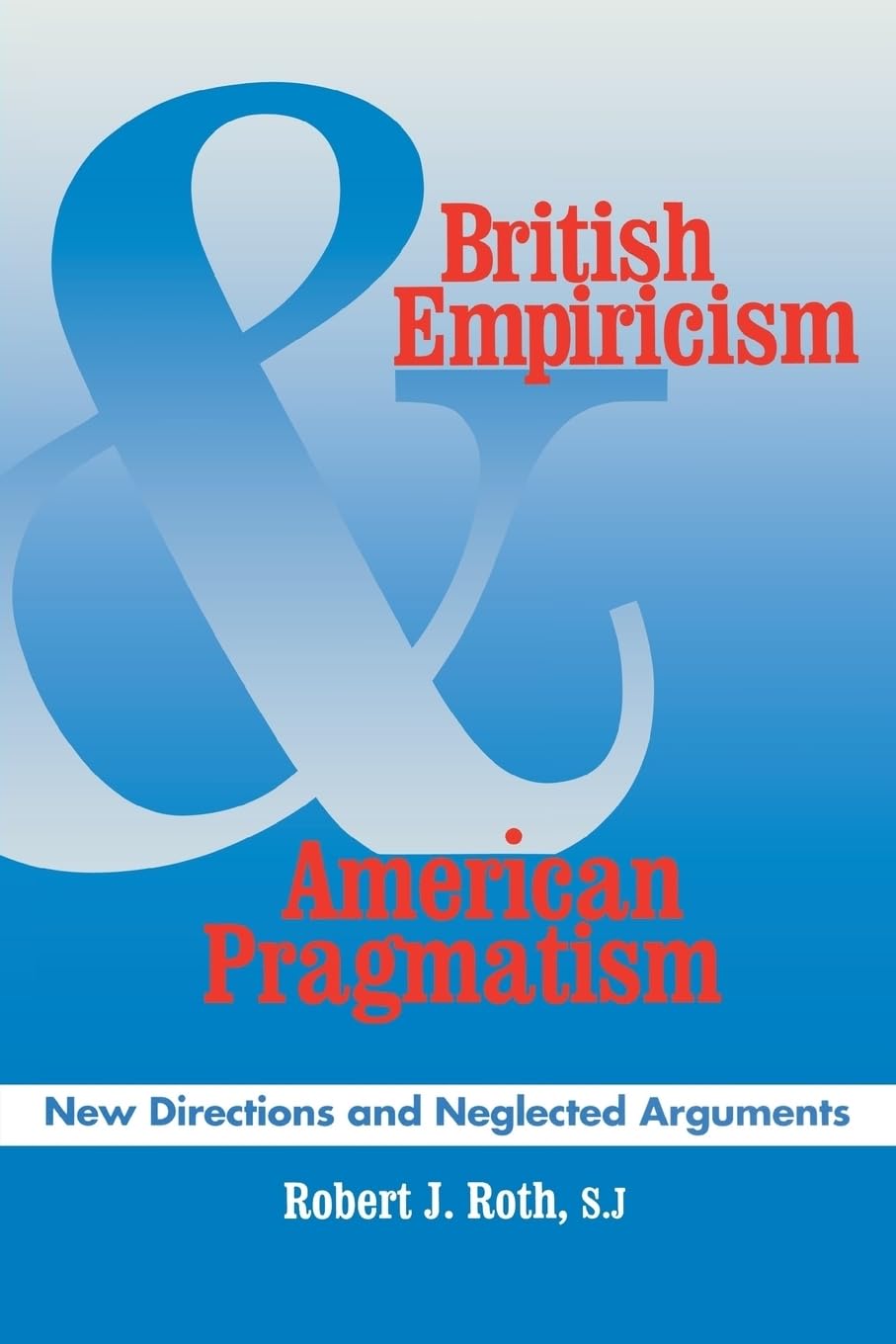
British Empiricism and American Pragmatism: New Directions and Neglected Arguments by Robert J. Roth – A Scholarly Study
Inclusive of all applicable taxes. FREE shipping on all orders.
Available Offers
- 🚚Free Delivery — Free shipping on all orders
- 💵Cash on Delivery — Pay when your order arrives
- ↩️15-Day Easy Returns — Hassle-free return policy
- 🔒Cash on Delivery — Pay safely when your order arrives
Check Delivery
Product Description
Introduction
In an age where philosophical inquiry often feels disconnected from lived experience, British Empiricism and American Pragmatism: New Directions and Neglected Arguments by Robert J. Roth offers a refreshing and rigorous exploration of two of the most influential traditions in Western thought. This hardcover volume, published by Fordham University Press, bridges the gap between the classical empiricism of Locke and Hume and the pragmatic innovations of James, Peirce, and Dewey. For Indian readers and students of philosophy, this book provides a unique lens to understand how ideas travel, transform, and take root in different cultural soils—making it an essential addition to any serious library.
Book Overview
Robert J. Roth’s work is a scholarly yet accessible examination of the intellectual lineage connecting British empiricism and American pragmatism. The book argues that while both traditions share a commitment to experience as the foundation of knowledge, they diverge sharply in their conclusions about reality, truth, and human action. Roth contends that American pragmatism is not merely a derivative of British thought but a distinct and powerful philosophical movement with something vital to say—not just for America, but for the world. By tracing neglected arguments and new directions, this volume sheds light on how pragmatism redefined concepts of meaning, belief, and inquiry, offering a dynamic alternative to the static empiricism of its predecessors.
Key Highlights
- Original Synthesis: Explores the underexamined connections between Locke, Hume, and the pragmatist tradition.
- Critical Analysis: Highlights sharp differences in how each tradition approaches knowledge, truth, and morality.
- Renewed Relevance: Demonstrates how pragmatist ideas remain vital for contemporary debates in philosophy, education, and social thought.
- Scholarly Depth: Offers meticulous argumentation suitable for advanced students and researchers alike.
- Global Perspective: Positions American pragmatism as a philosophy with universal significance, not just a regional curiosity.
Inside the Book
The book is structured to guide readers through a comparative journey. Roth begins with a thorough exposition of British empiricism, focusing on John Locke’s theory of ideas and David Hume’s radical skepticism. He then transitions to the American pragmatists—William James, C.S. Peirce, and John Dewey—showing how they engaged with and ultimately broke away from their British predecessors. Key chapters examine pragmatism’s redefinition of truth as what works in practice, its emphasis on the social and experimental nature of inquiry, and its rejection of foundationalism. Roth also addresses neglected arguments, such as Peirce’s theory of signs and Dewey’s naturalistic metaphysics, which are often overlooked in standard histories of philosophy.
Key Topics
- Empiricism vs. Pragmatism: The shift from passive reception of sensations to active construction of meaning.
- Truth and Verification: How pragmatism replaced correspondence theories with practical consequences.
- Experience and Reality: Different conceptions of what constitutes genuine experience.
- Morality and Action: The ethical implications of a philosophy rooted in consequences rather than fixed principles.
- Inquiry and Method: Pragmatism’s emphasis on fallibilism and the scientific method.
Reader Benefits
- Deepen Understanding: Gain a nuanced grasp of two major philosophical traditions and their interplay.
- Critical Thinking: Develop skills to evaluate arguments across different schools of thought.
- Academic Edge: Ideal for coursework, research papers, or competitive examinations in philosophy.
- Cultural Insight: Appreciate how American thought evolved in dialogue with European ideas.
- Practical Wisdom: Apply pragmatist principles to everyday problem-solving and decision-making.
Learning Outcomes
By reading this book, you will be able to: articulate the core tenets of British empiricism and their limitations; explain how American pragmatism redefined truth, knowledge, and inquiry; identify the key points of divergence between Locke, Hume, and the pragmatists; critically assess the relevance of pragmatist ideas for modern philosophical and social challenges; and engage with scholarly debates about the legacy of these traditions in contemporary thought.
Who Should Read
- Philosophy Students: Undergraduate and postgraduate learners seeking a thorough comparative study.
- Academics and Researchers: Scholars working in epistemology, metaphysics, American philosophy, or the history of ideas.
- Teachers and Educators: Those designing curricula on pragmatism or empiricism.
- General Readers: Anyone curious about how philosophy shapes our understanding of truth and action.
- Indian Intellectuals: Readers interested in cross-cultural philosophical dialogues and their applications.
About the Author
Robert J. Roth was a distinguished philosopher and professor known for his expertise in American pragmatism and modern philosophy. His work consistently sought to clarify the historical roots and contemporary relevance of pragmatic thought. With a career dedicated to teaching and writing, Roth brought clarity and depth to complex philosophical debates, making him a respected voice in both academic and public intellectual circles. This book represents the culmination of his lifelong engagement with the intersections of British and American philosophy.
About the Publisher
Fordham University Press is a prestigious academic publisher based in New York, known for its commitment to advancing scholarship in the humanities and social sciences. With a catalog that includes seminal works in philosophy, theology, and history, the press upholds the highest standards of editorial excellence. This volume reflects Fordham’s dedication to publishing rigorous, thought-provoking works that challenge and inspire readers across the globe.
Conclusion
British Empiricism and American Pragmatism: New Directions and Neglected Arguments is more than a historical study—it is an invitation to rethink the foundations of knowledge and action. Robert J. Roth’s insightful analysis reveals how two great philosophical traditions shaped each other and why their dialogue remains urgent today. For anyone seeking to understand the intellectual currents that continue to influence modern thought, this hardcover edition from Fordham University Press is an indispensable resource. Order your copy from Bookshops.in and add a work of enduring value to your collection.
Quick Summary
British Empiricism and American Pragmatism: New Directions and Neglected Arguments by Robert J. Roth is a scholarly exploration of the philosophical dialogue between two major Western traditions. The book meticulously examines how the empiricist philosophies of John Locke and David Hume influenced the development of American pragmatism, particularly through the works of William James, C.S. Peirce, and John Dewey. Roth argues that pragmatism, often called America's first indigenous philosophy, offers significant insights not only for the United States but for global philosophical discourse. The book highlights previously neglected arguments and proposes new directions for understanding the relationship between these schools of thought. Published by Fordham University Press, this hardcover edition is an essential resource for philosophy students, researchers, and academics in India. Readers will gain a deep understanding of the historical roots of pragmatism, the divergences from British empiricism, and the enduring relevance of pragmatist ideas. By purchasing from Bookshops.in, Indian readers receive a genuine, high-quality print edition with prompt service.
Book Highlights
Book Specifications
| ISBN-13 | 9780823213924 |
| ISBN-10 | 0823213927 |
| Publisher | Fordham Univ Pr |
| Language | English |
| Dimensions | 15.24 x 1.91 x 22.86 cm |
| Weight | 340 g |
| Country | India |
| Category | Philosophy › History & Surveys |
| Genre | Philosophy |
| Original Language | English |
Frequently Asked Questions
What is the main argument of this book?
Who is the author of British Empiricism and American Pragmatism?
Which philosophers are discussed in detail?
Is this book suitable for beginners in philosophy?
What makes this book different from other studies on pragmatism?
What is the ISBN of this book?
Can I use this book for my research paper?
Does the book compare Indian philosophy with Western thought?
Is this book part of a series?
What language is the book written in?
Why should I buy this book from Bookshops.in?
Does the book include references or bibliography?
Readers Also Search For
Customers Also Bought
Islam
Spiritual Economies (English, Daromir Rudnyckyj)

Islam
Who Is Allah? (English, Bruce B. Lawrence)
Islam
Islam and Liberal Citizenship: The Search for an Overlapping Consensus by Andrew F. March

Islam
Fiqh Us-Sunnah: Funerals and Diggers by Al-Sayyid Sabiq – Islamic Funeral Guide

Christianity
Genetics (English, Thomas a. Shannon | Mark P. Aulisio | Françoise Baylis)

Hinduism
Karma and Creativity by Christopher Key Chapple – Indian Philosophy
Related Products
View All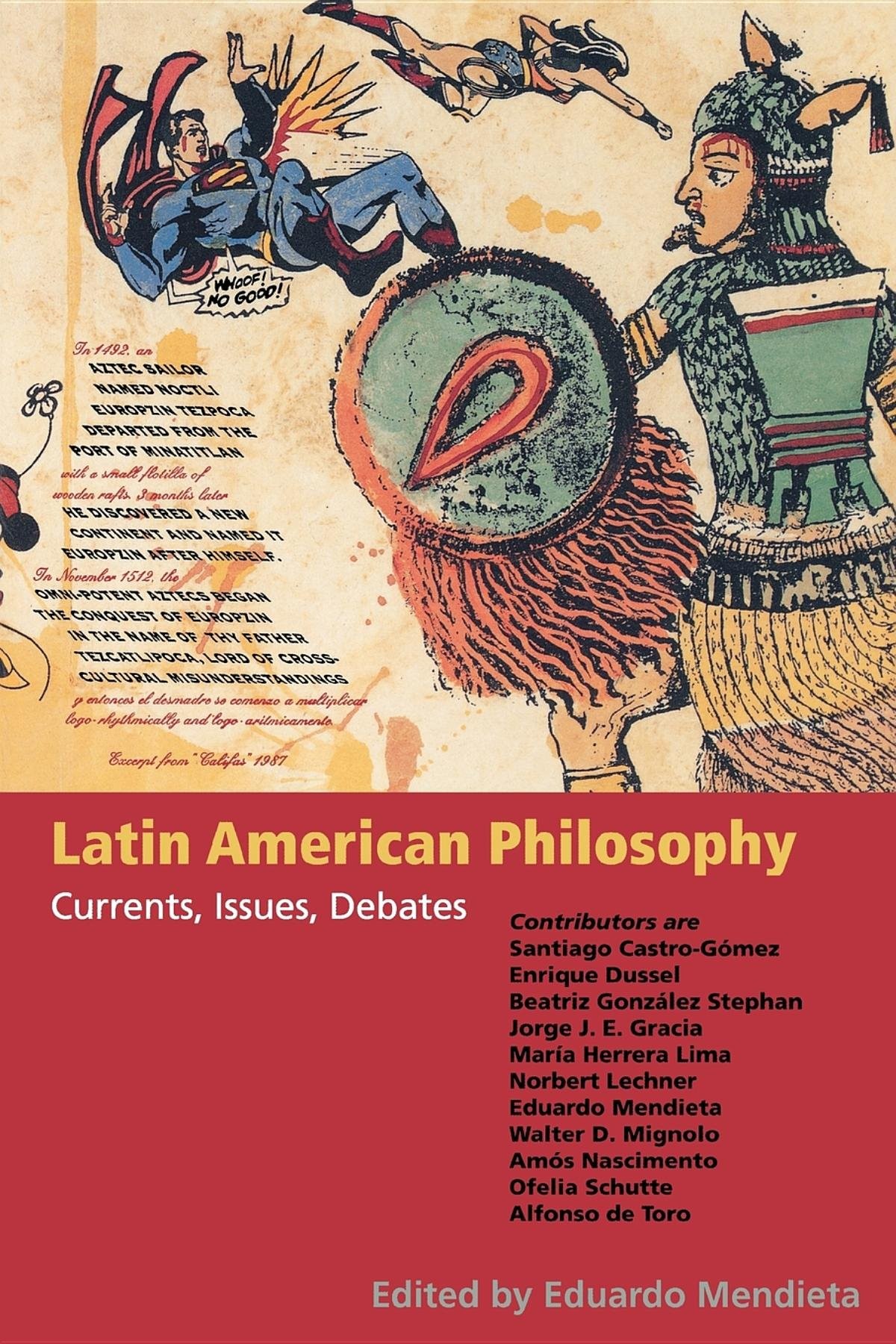
Philosophy
Latin American Philosophy: Currents, Issues, Debates by Eduardo Mendieta

Philosophy
Al-Farabi's Short Commentary on Aristotle's Prior Analytics by Nicholas Rescher – Philosophy
Philosophy
Poetics of Imagining: Modern to Post-modern by Richard Kearney
Philosophy
The Metaphysics of Extrinsic Properties: 11 (Metaphysical Research, 11)
Philosophy
Dialogues on Metaphysics and on Religion by Nicolas Malebranche – Philosophy
Philosophy