
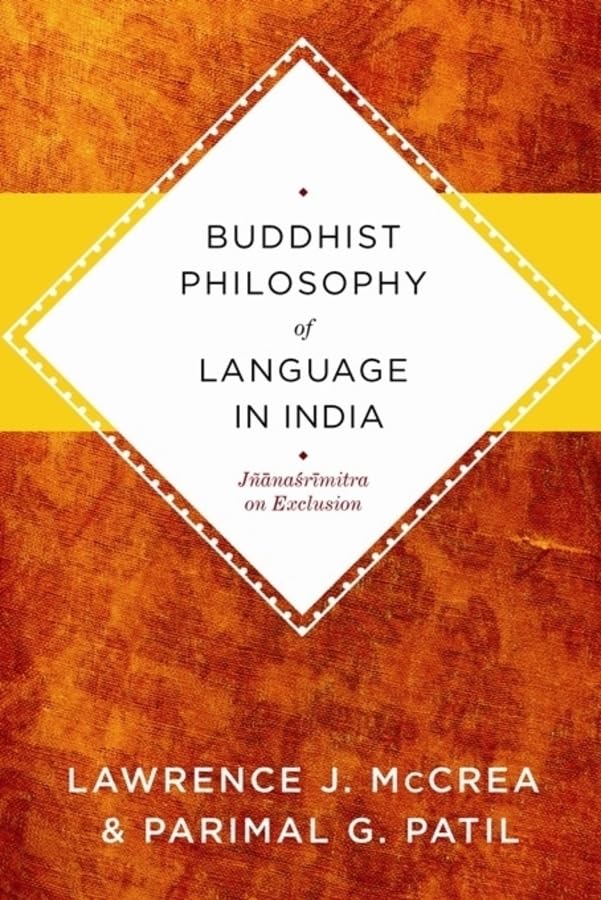
Buddhist Philosophy of Language in India: Jnanasrimitra's Monograph on Exclusion by Lawrence J. Mccrea – A Scholarly Exp
Inclusive of all applicable taxes. FREE shipping on all orders.
Available Offers
- 🚚Free Delivery — Free shipping on all orders
- 💵Cash on Delivery — Pay when your order arrives
- ↩️15-Day Easy Returns — Hassle-free return policy
- 🔒Cash on Delivery — Pay safely when your order arrives
Check Delivery
Product Description
Introduction
In the vast tapestry of Indian philosophical thought, few figures stand as tall as Jnanasrimitra, the 10th-century Buddhist logician and epistemologist whose work reshaped the philosophy of language. Lawrence J. McCrea’s Buddhist Philosophy of Language in India offers the first English translation of Jnanasrimitra’s seminal Monograph on Exclusion, a text that delves into the nature of words, concepts, and perception. This hardcover edition from Columbia University Press is an indispensable resource for students and scholars of Indian philosophy, linguistics, and intellectual history.
Book Overview
This volume provides a meticulous translation and critical analysis of Jnanasrimitra’s Monograph on Exclusion (Apohavada), a cornerstone of Buddhist linguistic theory. The work explores how language functions through exclusion—how words convey meaning by negating what they are not. McCrea situates this treatise within the vibrant debates between Buddhist, Hindu, and Jain thinkers at Vikramasila monastery, offering readers a window into a golden age of Indian logic. The book includes the original Sanskrit text alongside the English translation, making it a definitive scholarly resource.
Key Highlights
- First complete English translation of Jnanasrimitra’s Monograph on Exclusion
- In-depth analysis of the Buddhist theory of apoha (exclusion) and its philosophical implications
- Explores rival arguments from Hindu and Jain philosophers, including Nyaya and Mimamsa schools
- Includes the original Sanskrit text for comparative study
- Contextualizes Jnanasrimitra’s work within the intellectual milieu of Vikramasila monastery
Inside the Book
The book is structured into three parts. Part One introduces Jnanasrimitra’s life, his role at Vikramasila, and the historical backdrop of Buddhist logic. Part Two presents the translation of the Monograph on Exclusion, with detailed notes clarifying technical terms and arguments. Part Three offers a commentary that unpacks the philosophical debates, showing how Jnanasrimitra’s theory of exclusion influenced later thinkers like Ratnakirti and even modern linguistic philosophy. The appendix includes a glossary of Sanskrit terms and a bibliography for further reading.
Key Topics
- The theory of apoha (exclusion) and its role in Buddhist semantics
- Perception, inference, and conceptual awareness in Indian epistemology
- The relationship between language and reality in Buddhist philosophy
- Debates between Buddhists and non-Buddhists on the nature of universals
- The intellectual history of Vikramasila monastery (c. 8th–12th century CE)
Reader Benefits
This book bridges the gap between ancient Indian logic and contemporary philosophy of language. Readers gain direct access to a foundational text that has been inaccessible to English audiences for centuries. The translation is clear yet faithful, making complex arguments understandable without oversimplifying them. The commentary highlights connections to modern linguistic theories, helping readers see the relevance of Jnanasrimitra’s ideas today. For Indian students, it reclaims a proud intellectual heritage often overlooked in mainstream philosophy curricula.
Learning Outcomes
- Understand the core principles of the Buddhist theory of exclusion
- Analyze how Jnanasrimitra’s arguments challenge Hindu realist theories of meaning
- Trace the evolution of Indian logic from Dignaga to Jnanasrimitra and beyond
- Evaluate the role of negation in conceptual thought and language
- Develop skills in reading and interpreting Sanskrit philosophical texts with commentary
Who Should Read
This book is ideal for advanced undergraduate and postgraduate students of Indian philosophy, Buddhist studies, and linguistics. It is also essential for academic researchers working on comparative philosophy, philosophy of language, or the history of logic. Indian readers with a background in Sanskrit or traditional shastras will find the bilingual format especially valuable. Teachers and professors looking for authoritative primary sources for their courses will appreciate the scholarly rigor of this edition.
About the Author
Lawrence J. McCrea is a professor of Sanskrit and Indian philosophy at Cornell University. He specializes in the intellectual history of premodern India, with a focus on Buddhist and Hindu traditions of logic and hermeneutics. His previous works include studies on the Nyaya and Mimamsa schools. McCrea’s translations are known for their precision and accessibility, making him a trusted voice in the field.
About the Publisher
Columbia University Press is one of the most prestigious academic publishers in the world, with a distinguished list in Asian studies and philosophy. This hardcover edition is produced to the highest standards of scholarship, with durable binding and acid-free paper, ensuring it remains a reference for generations.
Conclusion
Buddhist Philosophy of Language in India is not just a translation—it is an invitation to enter a world of rigorous debate and profound insight. Jnanasrimitra’s theory of exclusion offers a unique lens through which to understand language, thought, and reality. Whether you are a seasoned scholar or a curious student, this book will deepen your appreciation of India’s philosophical heritage. Order your copy from Bookshops.in today and add this essential work to your library.
Quick Summary
Buddhist Philosophy of Language in India by Lawrence J. Mccrea presents the first English translation of Jnanasrimitra's Monograph on Exclusion, a seminal work in medieval Indian Buddhist thought. Jnanasrimitra (975-1025) was a towering figure at the Vikramasila monastery, and his theory of exclusion—or apoha—radically redefined how words and concepts relate to perception and reality. The book not only translates this difficult Sanskrit text but also situates it within the vibrant intellectual debates between Buddhist, Hindu, and Jain philosophers. Readers will gain a deep understanding of how language functions in Buddhist epistemology, the nature of conceptual content, and the interplay between logic and perception. This volume is ideal for graduate students, researchers, and teachers of Indian philosophy, Buddhist studies, and philosophy of language. Mccrea's careful scholarship, with extensive notes and contextual analysis, makes this an indispensable resource. By purchasing from Bookshops.in, Indian readers get access to a premium hardcover edition at a competitive price, with fast and reliable delivery across the country.
Book Highlights
Book Specifications
| ISBN-13 | 9780231150941 |
| ISBN-10 | 0231150946 |
| Publisher | Columbia Univ Pr |
| Language | English |
| Dimensions | 15.88 x 1.91 x 24.13 cm |
| Weight | 408 g |
| Category | Humanities › Philosophy |
| Genre | Non-fiction |
| Original Language | Sanskrit |
Frequently Asked Questions
What is the main focus of this book?
Who is the author of this book?
Is this a translation or a commentary?
Which historical period does the book cover?
Does the book include debates with other traditions?
What is the apoha theory?
Is this book suitable for beginners in Buddhist philosophy?
What is the significance of Vikramasila monastery?
How is this book different from other works on Buddhist philosophy?
Does the book cover Sanskrit terminology?
Is this book part of a series?
What language is the original text in?
Can this book be used for coursework?
Why buy from Bookshops.in?
Readers Also Search For
Customers Also Bought
Islam
Spiritual Economies (English, Daromir Rudnyckyj)

Islam
Who Is Allah? (English, Bruce B. Lawrence)
Islam
Islam and Liberal Citizenship: The Search for an Overlapping Consensus by Andrew F. March
Islam
Fiqh Us-Sunnah: Funerals and Diggers by Al-Sayyid Sabiq – Islamic Funeral Guide

Christianity
Genetics (English, Thomas a. Shannon | Mark P. Aulisio | Françoise Baylis)

Hinduism
Karma and Creativity by Christopher Key Chapple – Indian Philosophy
Related Products
View All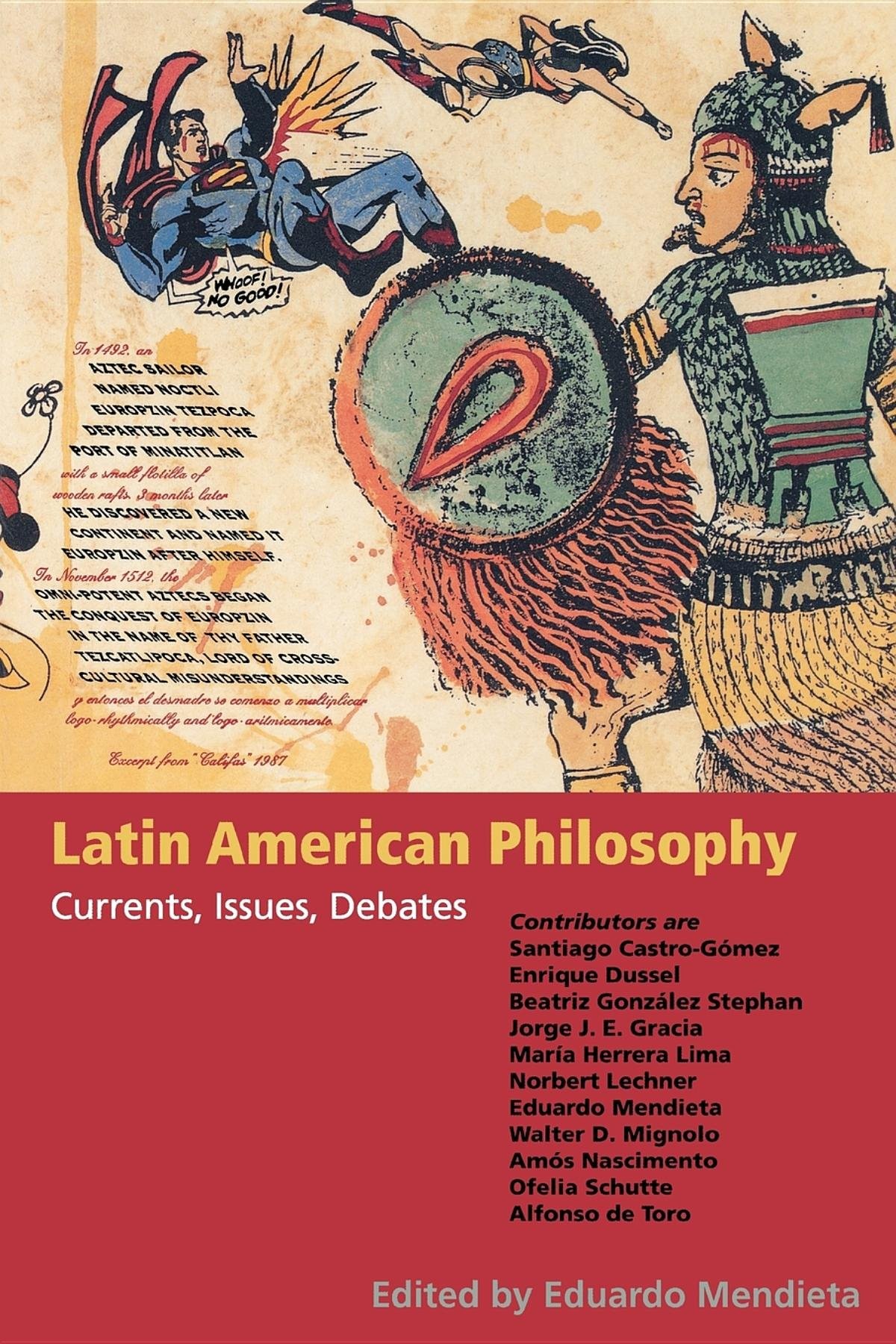
Philosophy
Latin American Philosophy: Currents, Issues, Debates by Eduardo Mendieta

Philosophy
Al-Farabi's Short Commentary on Aristotle's Prior Analytics by Nicholas Rescher – Philosophy
Philosophy
Poetics of Imagining: Modern to Post-modern by Richard Kearney
Philosophy
The Metaphysics of Extrinsic Properties: 11 (Metaphysical Research, 11)
Philosophy
Dialogues on Metaphysics and on Religion by Nicolas Malebranche – Philosophy
Philosophy