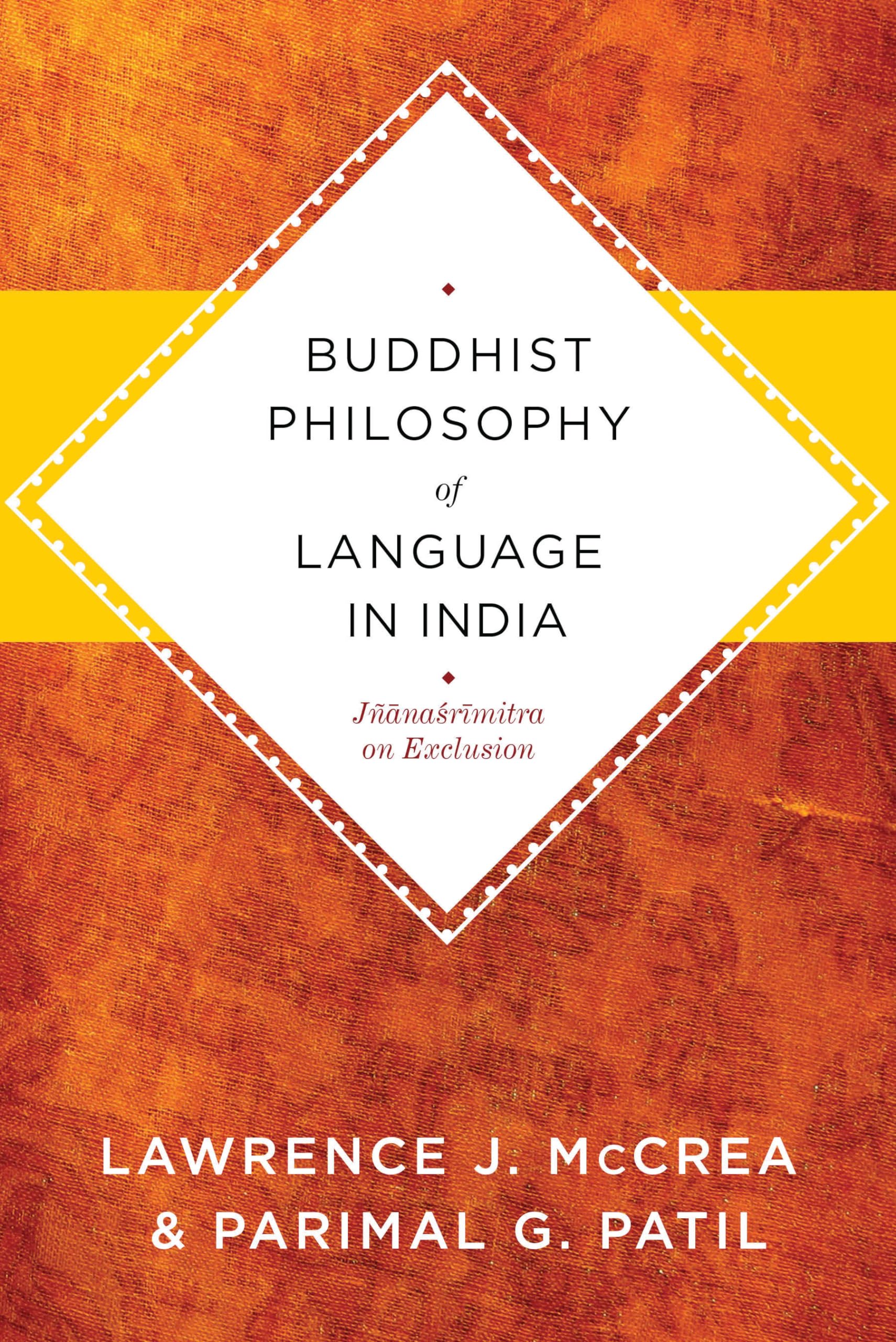
Buddhist Philosophy of Language in India: Jnanasrimitra on Exclusion by Lawrence J. Mccrea – A Deep Dive into Buddhist L
Inclusive of all applicable taxes. FREE shipping on all orders.
Available Offers
- 🚚Free Delivery — Free shipping on all orders
- 💵Cash on Delivery — Pay when your order arrives
- ↩️15-Day Easy Returns — Hassle-free return policy
- 🔒Cash on Delivery — Pay safely when your order arrives
Check Delivery
Product Description
Introduction
Step into the profound world of medieval Indian philosophy with Buddhist Philosophy of Language in India: Jnanasrimitra on Exclusion. This landmark work, authored by Lawrence J. Mccrea and published by Columbia University Press, offers a rare and rigorous exploration of one of the most influential yet understudied thinkers of his time—Jnanasrimitra (975–1025). Through a meticulous translation and commentary on his Monograph on Exclusion, this book opens a window into the vibrant intellectual debates that shaped Buddhist, Hindu, and Jain traditions in the subcontinent. For students of Indian philosophy, linguistics, and logic, this is an indispensable resource that bridges ancient wisdom and modern scholarship.
Book Overview
At the heart of this volume is Jnanasrimitra's groundbreaking theory of exclusion (apoha), which reimagines how language and thought relate to reality. The book presents the first English translation of his Monograph on Exclusion, a text that dissects the nature of words, concepts, and perception. McCrea and Patil contextualize the work within the vibrant scholastic environment of Vikramasila monastery, a premier centre of learning in eastern India. The monograph itself is a battleground of ideas, featuring sharp exchanges between Buddhist logicians and their Hindu and Jain opponents. This book does not merely translate; it illuminates the philosophical stakes, making a complex tradition accessible to contemporary readers.
Key Highlights
- First English translation of Jnanasrimitra's seminal Monograph on Exclusion, a text central to Buddhist epistemology.
- In-depth analysis of the theory of exclusion, which argues that words and concepts gain meaning by excluding what they are not.
- Rich historical context covering the intellectual milieu of Vikramasila monastery and its rival traditions.
- Comparative philosophy showcasing debates between Buddhist, Hindu, and Jain thinkers over language, perception, and reality.
- Critical apparatus including detailed notes, commentary, and references to primary Sanskrit sources.
Inside the Book
Readers will find a carefully structured presentation. The opening chapters provide a comprehensive introduction to Jnanasrimitra's life, the philosophical landscape of 11th-century India, and the key concepts of exclusion theory. The core of the book is the annotated translation of the Monograph on Exclusion, where Jnanasrimitra systematically defends his view that verbal and conceptual cognition operate through a process of exclusion (apoha). The text engages with rival positions from Nyaya, Mimamsa, and Jain logic, offering a rare glimpse into the cut-and-thrust of classical Indian philosophical debate. The authors also include a glossary of technical terms and a bibliography for further study.
Key Topics
- The theory of exclusion (apoha) in Buddhist philosophy
- Language, meaning, and reference in Indian traditions
- Perception and conceptual awareness
- Buddhist logic and epistemology (pramana)
- Debates between Buddhist, Hindu, and Jain schools
- The intellectual history of Vikramasila monastery
- Jnanasrimitra's critique of universals and realism
Reader Benefits
- Gain a deep understanding of a pivotal but neglected figure in Indian philosophy.
- Access a clear, scholarly translation of a difficult Sanskrit text.
- Learn how ancient thinkers grappled with questions of language, meaning, and truth.
- Develop insights into the pluralistic nature of classical Indian intellectual culture.
- Enhance your knowledge of Buddhist logic and its influence on later Indian thought.
Learning Outcomes
By engaging with this book, readers will be able to: articulate the core principles of the exclusion theory; identify the major arguments for and against apoha as presented by Buddhist and non-Buddhist philosophers; analyze the relationship between language, perception, and conceptual thought in a pre-modern Indian context; critically evaluate the contributions of Jnanasrimitra to the philosophy of language; and situate his work within the broader history of Indian epistemology and logic.
Who Should Read
- Scholars and students of Indian philosophy, especially Buddhist and Hindu traditions
- Researchers in philosophy of language, logic, and epistemology
- Graduate and advanced undergraduate courses in Asian philosophy
- Historians of Indian intellectual and religious traditions
- Anyone fascinated by the intersections of language, thought, and reality
About the Author
Lawrence J. Mccrea is a renowned scholar of Indian philosophy and a professor at the University of Chicago. His expertise spans Sanskrit literature, Buddhist logic, and the intellectual history of medieval India. He has published extensively on the philosophical traditions of Kashmir and Bengal, and his work is known for its philological precision and philosophical depth. Parimal G. Patil, co-translator and commentator, is a professor of Indian philosophy at Harvard University, specializing in Buddhist epistemology and the history of Indian logic. Together, they bring decades of expertise to this monumental translation.
About the Publisher
Columbia University Press is a distinguished academic publisher based in New York, with a long-standing commitment to bringing critical works of Asian philosophy and religion to a global audience. Their catalog includes landmark translations and studies that have shaped the field of Buddhist studies. This edition reflects their dedication to rigorous scholarship and accessible presentation, making it a trusted source for students and researchers worldwide.
Conclusion
Buddhist Philosophy of Language in India: Jnanasrimitra on Exclusion is more than a translation—it is an invitation to engage with one of the most sophisticated philosophical traditions ever developed. Whether you are a seasoned scholar or a curious student, this book offers a challenging yet rewarding journey into the heart of Buddhist thought on language and reality. Add this hardcover edition to your library and explore the enduring power of Indian philosophy to illuminate the nature of words and the world.
Quick Summary
Buddhist Philosophy of Language in India: Jnanasrimitra on Exclusion by Lawrence J. Mccrea is a landmark scholarly work that presents the first English translation of Jnanasrimitra's Monograph on Exclusion. Jnanasrimitra, a leading Buddhist philosopher at the Vikramasila monastery in the 10th-11th century, developed the theory of exclusion (apoha) to explain how words and concepts derive meaning by negation. This book not only translates the original Sanskrit text but also provides extensive commentary, situating the work within the broader context of Indian philosophical debates among Buddhists, Hindus, and Jains. Readers will gain a deep understanding of Buddhist epistemology, semantics, and logic, and see how these ideas influenced later traditions. Ideal for graduate students, researchers, and scholars of Buddhist studies, Indian philosophy, and linguistics, this hardcover edition from Columbia University Press is a must-have for academic libraries. Buying from Bookshops.in ensures you receive a genuine copy with reliable delivery across India.
Book Highlights
Book Specifications
| ISBN-13 | 9780231150958 |
| ISBN-10 | 0231150954 |
| Publisher | Columbia Univ Pr |
| Language | English |
| Dimensions | 14.99 x 1.02 x 22.35 cm |
| Weight | 295 g |
| Country | USA |
| Category | Religion & Spirituality › Buddhism |
| Genre | Philosophy |
| Reading Age | Adult |
| Original Language | Sanskrit |
Frequently Asked Questions
What is the main theme of Buddhist Philosophy of Language in India?
Who is Jnanasrimitra?
Is this a translation or a commentary?
What is the apoha theory?
Does this book cover debates with Hindu philosophers?
What language is the book written in?
Who should read this book?
Is this book suitable for beginners?
Does the book include the original Sanskrit text?
What makes this book unique?
How does this book relate to modern philosophy of language?
Can I use this book for academic research?
Is there a paperback edition available?
Why should I buy from Bookshops.in?
Readers Also Search For
Customers Also Bought
Islam
Spiritual Economies (English, Daromir Rudnyckyj)

Islam
Who Is Allah? (English, Bruce B. Lawrence)
Islam
Islam and Liberal Citizenship: The Search for an Overlapping Consensus by Andrew F. March
Islam
Fiqh Us-Sunnah: Funerals and Diggers by Al-Sayyid Sabiq – Islamic Funeral Guide

Christianity
Genetics (English, Thomas a. Shannon | Mark P. Aulisio | Françoise Baylis)

Hinduism