
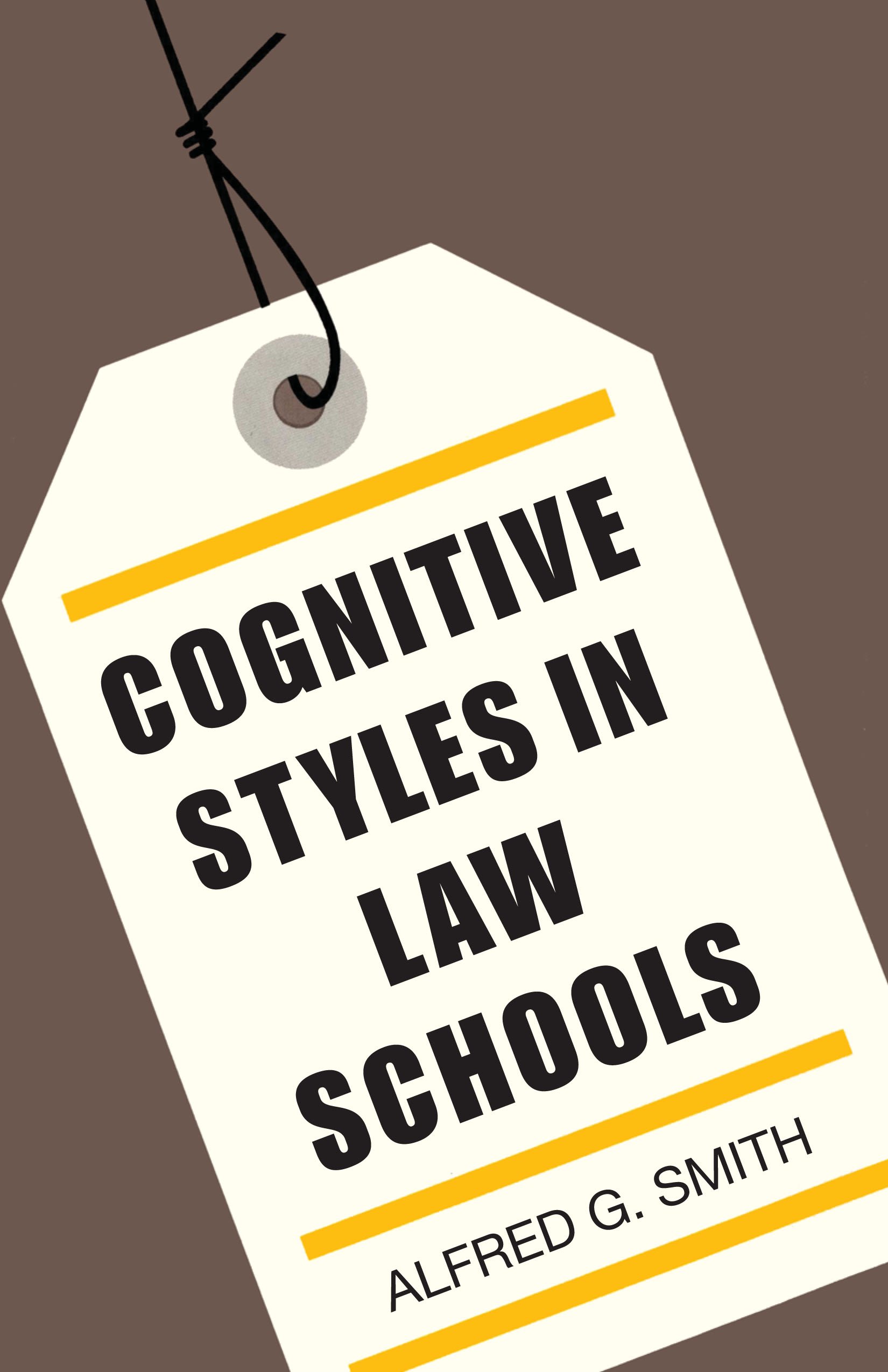
Cognitive Styles in Law Schools: A Groundbreaking Study of Monopath and Polypath Thinking in Legal Education by Alfred G
Inclusive of all applicable taxes. FREE shipping on all orders.
Available Offers
- 🚚Free Delivery — Free shipping on all orders
- 💵Cash on Delivery — Pay when your order arrives
- ↩️15-Day Easy Returns — Hassle-free return policy
- 🔒Cash on Delivery — Pay safely when your order arrives
Check Delivery
Product Description
Introduction
In the competitive world of legal education, understanding how students think and learn can make all the difference. Cognitive Styles in Law Schools by Alfred G. Smith is a landmark study that explores the diverse ways law students process information, solve problems, and make decisions. This hardcover edition from University of Texas Press offers a deep dive into the psychology behind legal learning, making it an essential read for educators, students, and behavioral scientists across India.
Book Overview
This book presents the results of a comprehensive research project involving over 800 law students from more than twenty law schools across the United States. Alfred G. Smith and his team identified two primary cognitive styles: the monopath, who relies on a single, established path of principles and procedures, and the polypath, who adapts by exploring multiple routes as circumstances demand. Through a series of original and standard tests administered to both students and professors, the study examines how these styles relate to self-image, anxiety, and academic achievement. The findings reveal significant differences in prevailing cognitive styles across institutions, offering valuable insights for improving legal pedagogy.
Key Highlights
- Original Research: Based on empirical data from over 800 participants, this book provides a solid foundation for understanding cognitive diversity in legal education.
- Dual Framework: The monopath and polypath distinction offers a simple yet powerful lens for analyzing learning and decision-making styles.
- Cross-Institutional Analysis: Discover how different law schools foster distinct cognitive environments, influencing student success.
- Applicable Methodology: The research design can be adapted for studies in other professional fields, including medicine, engineering, and business.
Inside the Book
Readers will find a detailed account of the testing methods, statistical analyses, and qualitative observations that shaped the study. The book covers the development of assessment tools, the correlation between cognitive styles and academic performance, and the role of anxiety and self-perception in legal training. Each chapter builds a case for why a one-size-fits-all approach to legal education may be limiting, and how embracing cognitive diversity can lead to better outcomes for students and the legal profession as a whole.
Key Topics
- Cognitive styles: monopath vs. polypath
- Information processing in legal contexts
- Problem-solving strategies among law students
- Anxiety and self-image in academic settings
- Institutional culture and its impact on learning
- Implications for curriculum design and teaching methods
Reader Benefits
By engaging with this book, readers will gain a nuanced understanding of how cognitive differences shape legal education. Law professors can adapt their teaching to cater to diverse learning styles, while students can identify their own cognitive preferences and leverage them for better academic performance. Behavioral scientists will appreciate the rigorous methodology, and policymakers in education can use the findings to advocate for more inclusive and effective training programs.
Learning Outcomes
- Recognize the two primary cognitive styles and their characteristics.
- Understand the relationship between cognitive style and academic success in law schools.
- Analyze how institutional environments influence cognitive development.
- Apply the research framework to evaluate learning in other professional disciplines.
- Develop strategies to support both monopathic and polypathic learners in classroom settings.
Who Should Read
This book is ideal for law students and faculty members who want to deepen their understanding of legal pedagogy. It is also highly relevant for psychologists, cognitive scientists, and educational researchers interested in how individuals process complex information. Additionally, anyone involved in curriculum design, student counseling, or academic policy will find valuable insights to enhance learning environments.
About the Author
Alfred G. Smith was a distinguished researcher and professor known for his work in cognitive psychology and education. His interdisciplinary approach combined rigorous empirical methods with practical applications, making his research accessible to both academics and practitioners. This book stands as a testament to his commitment to understanding how people think and learn in high-stakes professional settings.
About the Publisher
University of Texas Press is a respected academic publisher with a long history of producing high-quality scholarly works. Known for its commitment to advancing knowledge in the humanities, social sciences, and natural sciences, the press ensures that each publication meets the highest standards of research and editorial excellence.
Conclusion
Cognitive Styles in Law Schools is more than a research report—it is a call to rethink legal education in India and around the world. By acknowledging that students think differently, we can create more supportive, effective, and inclusive learning environments. Whether you are a law student, educator, or researcher, this book offers timeless insights that will enrich your perspective and practice.
Quick Summary
Cognitive Styles in Law Schools by Alfred G. Smith is a pioneering research-based book that delves into the diverse ways law students think and solve problems. Based on a study of over 800 students from 20 US law schools, the book identifies two primary cognitive styles: the monopath, who follows a single, established path, and the polypath, who explores multiple routes. It examines how these styles relate to self-image, anxiety, and academic achievement, and reveals that different law schools often have distinct prevailing cognitive styles. This book is ideal for Indian law students seeking to understand their own learning patterns, legal educators aiming to adapt their teaching methods, and researchers in cognitive psychology. By reading this book, you will gain valuable insights into how cognitive diversity impacts legal education and how to leverage your own thinking style for success. Purchase your copy from Bookshops.in, India's trusted online bookstore, for a genuine hardcover edition delivered to your doorstep.
Book Highlights
Book Specifications
| ISBN-13 | 9780292741775 |
| ISBN-10 | 0292741774 |
| Publisher | Univ of Texas Pr |
| Language | English |
| Dimensions | 13.97 x 1.12 x 21.59 cm |
| Weight | 249 g |
| Country | India |
| Category | Psychology › Cognitive Psychology |
| Genre | Non-fiction |
| Original Language | English |
Frequently Asked Questions
What is the main focus of Cognitive Styles in Law Schools?
Who is the author of this book?
What are monopath and polypath cognitive styles?
Is this book relevant for Indian law students?
How many law students were studied in this research?
What tests were used in the research?
Does the book offer practical advice for law students?
Is this book only for academics?
What is the ISBN of this book?
Can this book help in reducing exam anxiety?
Is this book available in hardcover?
What language is the book in?
Why should I buy this book from Bookshops.in?
Readers Also Search For
Customers Also Bought
Psychology
Koinonia: From Hate, Through Dialogue, to Culture in the Large Group by Patrick B. Demare

Psychology
Mindfulness-Based Interventions for Trauma and Its Consequences (Concise Guides on Trauma Care, 4)

Psychology
Handbook for Teaching Statistics and Research Methods by Mark E. Ware

Psychology
Psychoanalysis and the Nuclear Threat: Clinical and Theoretical Studies
Psychology
Humor and Psyche: Psychoanalytic Perspectives by James W. Barron

Relationships
The Experience and Expression of Uncertainty in Close Relationships by Jennifer A. Theiss
Related Products
View AllPsychology
Mindfulness-Based Interventions for Trauma and Its Consequences (Concise Guides on Trauma Care, 4)
Psychology
Handbook for Teaching Statistics and Research Methods by Mark E. Ware
Psychology
Psychoanalysis and the Nuclear Threat: Clinical and Theoretical Studies
Psychology
Humor and Psyche: Psychoanalytic Perspectives by James W. Barron

Psychology
Proceedings of the First International Conference on Genetic Algorithms and Their Applications
Psychology