
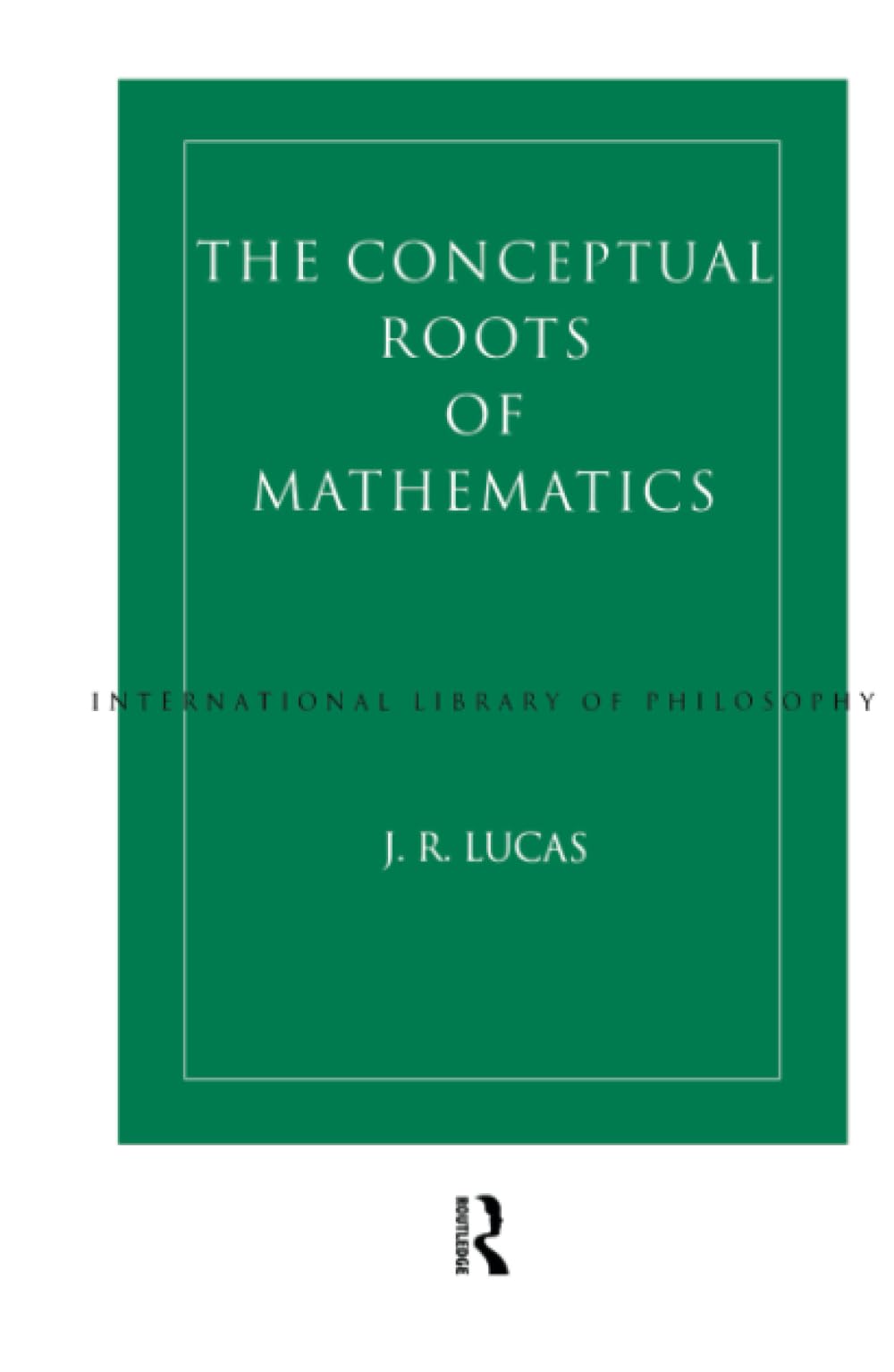
The Conceptual Roots of Mathematics: An Essay on the Philosophy of Mathematics by J.R. Lucas – A Deep Dive into the Foun
Inclusive of all applicable taxes. FREE shipping on all orders.
Available Offers
- 🚚Free Delivery — Free shipping on all orders
- 💵Cash on Delivery — Pay when your order arrives
- ↩️15-Day Easy Returns — Hassle-free return policy
- 🔒Cash on Delivery — Pay safely when your order arrives
Check Delivery
Product Description
Introduction
In the vast landscape of philosophical inquiry, few subjects are as foundational yet as misunderstood as the nature of mathematics. The Conceptual Roots of Mathematics: An Essay on the Philosophy of Mathematics by J.R. Lucas stands as a masterful exploration of this profound domain. Published by Taylor & Francis Ltd, this hardcover volume invites Indian students, scholars, and curious minds to journey into the very essence of mathematical thought. Lucas, a distinguished Oxford scholar, argues persuasively that mathematics is not merely a tool for calculation but a deep wellspring of metaphysical and epistemological insight. This book is an essential addition to any serious library, offering a rigorous yet accessible treatment of questions that have puzzled thinkers for centuries.
Book Overview
This comprehensive work delves into the philosophical underpinnings of mathematics, challenging the reader to reconsider what numbers, shapes, and logical structures truly mean. Lucas weaves together historical perspectives with contemporary debates, examining how concepts such as infinity, truth, and proof shape our understanding of reality. The book is structured to guide the reader from foundational questions about the nature of mathematical objects to broader implications for knowledge and existence. It is not a textbook of formulas but a reflective essay that encourages deep thinking about why mathematics works and what it reveals about the human mind and the universe. For Indian readers engaged in mathematics, science, or philosophy, this book provides a rare opportunity to connect with a tradition of rigorous academic thought from one of Oxford’s most celebrated minds.
Key Highlights
- Authoritative Scholarship: Written by J.R. Lucas, a revered Oxford philosopher known for his clarity and depth.
- Interdisciplinary Approach: Bridges mathematics, philosophy, epistemology, and metaphysics seamlessly.
- Critical Analysis: Examines foundational issues like the nature of proof, mathematical truth, and the limits of formalism.
- Engaging Prose: Lucas writes with elegance, making complex ideas accessible to serious readers.
- Timeless Relevance: Addresses questions that remain at the heart of contemporary scientific and philosophical debate.
Inside the Book
The book opens with an exploration of the conceptual roots that ground mathematical thinking, moving from elementary arithmetic to advanced logical structures. Lucas dissects the works of key figures such as Frege, Russell, and Gödel, offering original insights that challenge conventional interpretations. Each chapter builds upon the previous, creating a cohesive narrative that reveals mathematics as a living, evolving discipline. The reader will encounter discussions on the philosophy of logic, the nature of sets, and the implications of incompleteness theorems. Lucas does not shy away from difficult topics; instead, he invites the reader to grapple with them, providing careful reasoning and illustrative examples. This is a book that rewards patient reading and reflection, making it ideal for advanced undergraduate and postgraduate students in Indian universities.
Key Topics
- Foundations of Arithmetic: What are numbers, and how do they relate to the physical world?
- Mathematical Truth: Is mathematics discovered or invented? Lucas explores both sides.
- Infinity and Continuity: Philosophical puzzles surrounding infinite sets and the continuum.
- Logic and Language: The relationship between formal systems and everyday reasoning.
- Gödel’s Theorems: Their philosophical implications for knowledge and computation.
- Realism vs. Nominalism: Do mathematical objects exist independently of the mind?
Reader Benefits
- Deepen Understanding: Gain a sophisticated grasp of why mathematics is central to philosophy.
- Enhance Critical Thinking: Develop skills to evaluate arguments about truth, proof, and reality.
- Academic Excellence: Ideal for preparing essays, seminars, or research in philosophy of mathematics.
- Cultural Enrichment: Connect with a global intellectual tradition while studying in India.
- Career Advantage: Useful for aspirants in academia, research, and competitive examinations like NET or GATE in related fields.
Learning Outcomes
- Analyze Core Concepts: Understand and critique major theories in philosophy of mathematics.
- Identify Philosophical Problems: Recognize and articulate foundational issues in mathematical practice.
- Evaluate Arguments: Assess the strengths and weaknesses of positions like Platonism, formalism, and intuitionism.
- Apply Insights: Relate philosophical ideas to contemporary scientific and mathematical debates.
- Develop a Personal Stance: Formulate your own reasoned perspective on the nature of mathematics.
Who Should Read
This book is tailored for a discerning audience. It is ideal for postgraduate students and researchers in philosophy, mathematics, and theoretical computer science. Undergraduate students with a strong interest in foundational questions will also find it immensely rewarding. Teachers and professors looking for a rigorous text to supplement courses in epistemology or metaphysics will appreciate Lucas’s clarity. Additionally, self-taught thinkers and professionals in fields like physics or engineering who wish to explore the philosophical dimensions of their work will find this book a valuable companion. Indian readers preparing for civil services or academic interviews may also benefit from the depth of insight it offers.
About the Author
J.R. Lucas (John Randolph Lucas) was a distinguished British philosopher and Fellow of Merton College, Oxford. Known for his incisive writings on free will, philosophy of mind, and philosophy of mathematics, Lucas brought a unique blend of logical rigor and humanistic insight to his work. His famous argument against mechanism, based on Gödel’s theorems, sparked widespread debate. Lucas’s scholarship is marked by a commitment to clarity and a deep respect for the traditions of Western philosophy. His works continue to be studied in universities around the world, including in India, where his ideas resonate with students of logic and metaphysics.
About the Publisher
Taylor & Francis Ltd is one of the world’s leading academic publishers, with a rich history dating back to 1798. Renowned for its rigorous peer-review process and high-quality publications, the group produces seminal works in science, technology, humanities, and social sciences. This hardcover edition reflects their commitment to durable, beautifully produced books that stand the test of time. For Indian readers, a Taylor & Francis publication is a mark of scholarly excellence and reliability.
Conclusion
The Conceptual Roots of Mathematics is more than a book; it is an invitation to think deeply about the very fabric of knowledge. J.R. Lucas’s masterful essay illuminates the hidden connections between mathematics, philosophy, and our understanding of reality. Whether you are a student, a teacher, or a lifelong learner, this volume will challenge and inspire you. Order your hardcover copy from Bookshops.in today and add a cornerstone of philosophical literature to your collection. Embrace the journey into the heart of mathematical thought—a journey that promises to transform how you see the world.
Quick Summary
The Conceptual Roots of Mathematics: An Essay on the Philosophy of Mathematics by J.R. Lucas is a profound exploration of the philosophical foundations of mathematics. Lucas, a renowned Oxford scholar, argues that mathematics is not merely a technical discipline but is deeply rooted in epistemology and metaphysics. The book examines key questions: What is mathematical truth? Are mathematical objects real? How does logic relate to mathematics? It engages with classical and contemporary thinkers, including Plato, Aristotle, Russell, Wittgenstein, and Gödel. This work is ideal for philosophy students, mathematics enthusiasts, and researchers seeking a deeper understanding of the conceptual underpinnings of math. Readers will learn to critically analyze foundational theories and appreciate the interdisciplinary nature of mathematical thought. Buying from Bookshops.in ensures you receive an authentic hardcover edition, with fast delivery across India and excellent customer service.
Book Highlights
Book Specifications
| ISBN-13 | 9780415207386 |
| ISBN-10 | 041520738X |
| Publisher | Routledge |
| Language | English |
| Dimensions | 14.57 x 3.18 x 22.19 cm |
| Weight | 748 g |
| Category | Philosophy › Epistemology |
| Genre | Non-fiction |
| Original Language | English |
Frequently Asked Questions
What is The Conceptual Roots of Mathematics about?
Who is the author of this book?
Is this book suitable for beginners in philosophy?
What topics does the book cover?
How is this book different from other philosophy of mathematics texts?
Can I use this book for my Indian university course?
Does the book discuss Gödel's theorems?
Is this a hardcover or paperback?
What is the ISBN of this book?
Who is the publisher?
What language is the book in?
What is the price of this book?
Why should I buy from Bookshops.in?
Readers Also Search For
Customers Also Bought
Islam
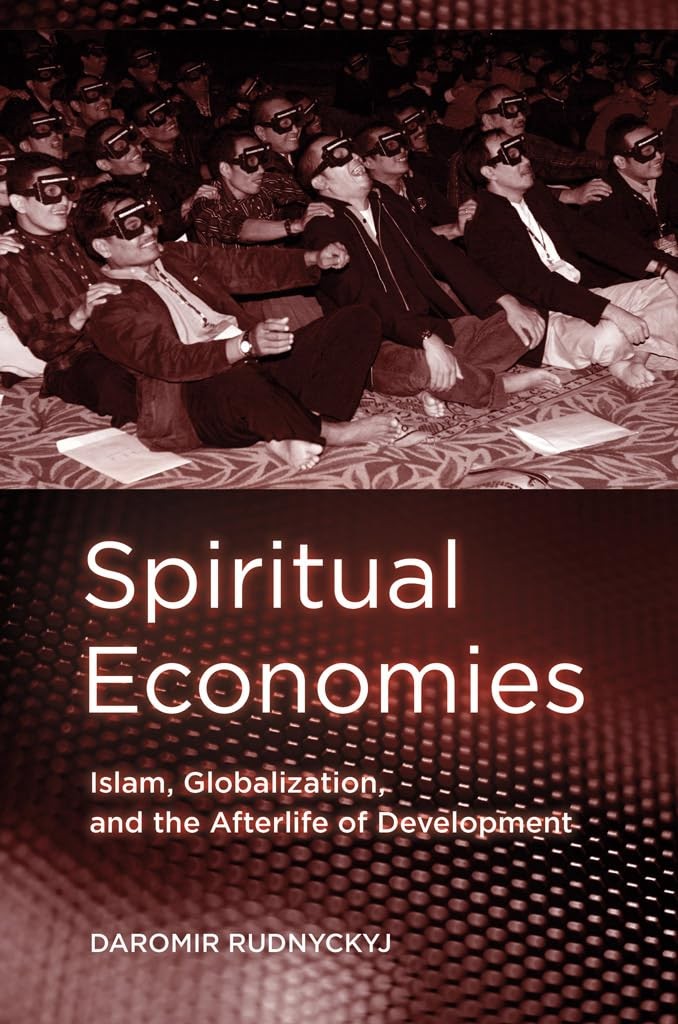
Spiritual Economies (English, Daromir Rudnyckyj)

Islam
Who Is Allah? (English, Bruce B. Lawrence)
Islam
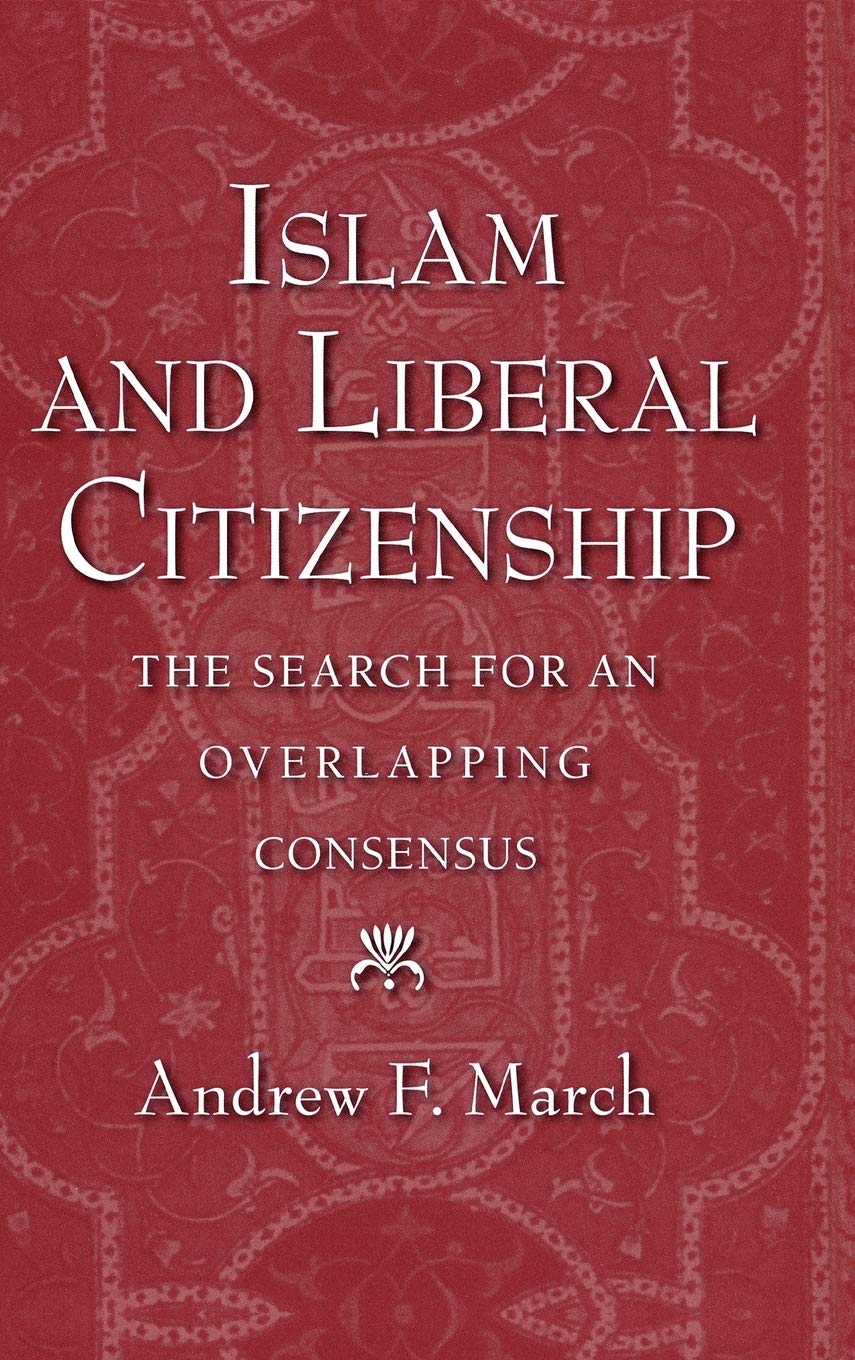
Islam and Liberal Citizenship: The Search for an Overlapping Consensus by Andrew F. March

Islam
Fiqh Us-Sunnah: Funerals and Diggers by Al-Sayyid Sabiq – Islamic Funeral Guide

Christianity
Genetics (English, Thomas a. Shannon | Mark P. Aulisio | Françoise Baylis)

Hinduism
Karma and Creativity by Christopher Key Chapple – Indian Philosophy
Related Products
View All
Philosophy
Latin American Philosophy: Currents, Issues, Debates by Eduardo Mendieta

Philosophy
Al-Farabi's Short Commentary on Aristotle's Prior Analytics by Nicholas Rescher – Philosophy
Philosophy
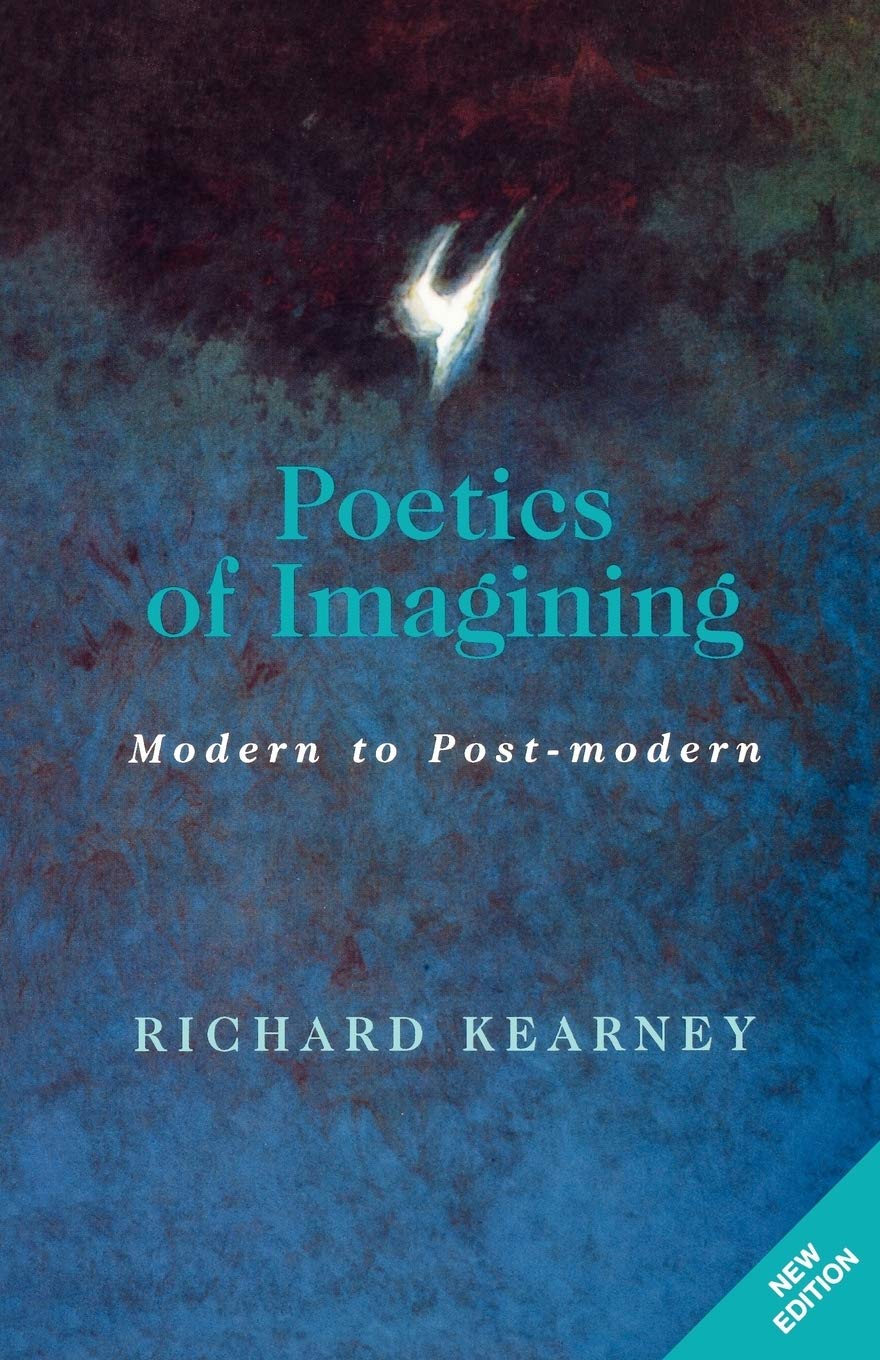
Poetics of Imagining: Modern to Post-modern by Richard Kearney
Philosophy
The Metaphysics of Extrinsic Properties: 11 (Metaphysical Research, 11)
Philosophy
Dialogues on Metaphysics and on Religion by Nicolas Malebranche – Philosophy
Philosophy