
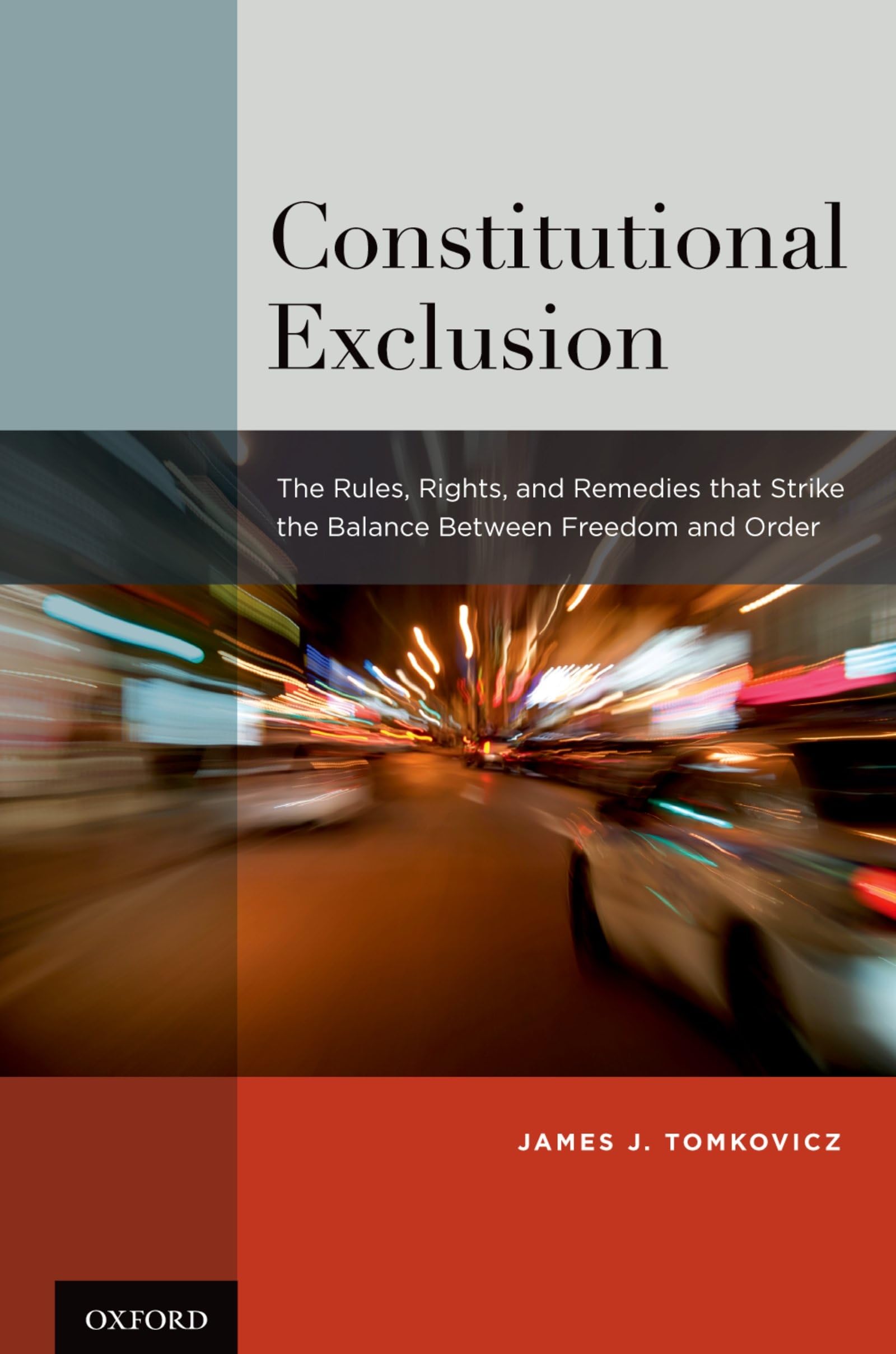
Constitutional Exclusion: The Rules, Rights, and Remedies That Strike the Balance Between Freedom and Order by James J.
Inclusive of all applicable taxes. FREE shipping on all orders.
Available Offers
- 🚚Free Delivery — Free shipping on all orders
- 💵Cash on Delivery — Pay when your order arrives
- ↩️15-Day Easy Returns — Hassle-free return policy
- 🔒Cash on Delivery — Pay safely when your order arrives
Check Delivery
Product Description
Introduction
In a democratic society, the delicate dance between individual liberty and collective security is nowhere more evident than in the courtroom. When evidence of a crime is obtained in violation of constitutional rights, should it be allowed to convict? Or must the law sometimes let the guilty go free to preserve the integrity of fundamental freedoms? James J. Tomkovicz's landmark work, Constitutional Exclusion: The Rules, Rights, and Remedies That Strike the Balance Between Freedom and Order, offers a comprehensive and penetrating exploration of this enduring dilemma. Published by Oxford University Press, this hardcover volume is an essential resource for Indian law students, legal practitioners, and anyone seeking to understand the constitutional doctrines that govern the admissibility of evidence in criminal trials.
Book Overview
This meticulously researched book delves into the seven constitutional 'exclusionary rules' that have emerged from Supreme Court interpretations of the Bill of Rights. These rules bar prosecutors from introducing certain evidence of guilt, making convictions harder to obtain and sometimes allowing offenders to escape punishment. Tomkovicz argues that these evidentiary bars are not mere technicalities but reflect the inevitable and profound tensions between liberty and security. The book provides an in-depth analysis of each doctrine that dictates the suppression of evidence, beginning with the Fourth Amendment's exclusionary rule—which bars evidence from unreasonable searches and seizures—and moving through three distinct doctrines that suppress confessions: the due process and privilege against compelled self-incrimination bar to coerced confessions, and the Miranda v. Arizona Fifth Amendment prophylactic presumption that certain confessions are inadmissible. The text also covers the Sixth Amendment right to counsel, the Fifth Amendment privilege against self-incrimination in lineups, and the Due Process Clause's bar on unreliable identification evidence.
Key Highlights
- Comprehensive Coverage: A thorough examination of all seven constitutional exclusionary rules, from search and seizure to confessions and eyewitness identification.
- Authoritative Analysis: Written by James J. Tomkovicz, a leading scholar in constitutional criminal procedure, offering deep insights into the rationale and application of each rule.
- Balance of Theory and Practice: Combines doctrinal analysis with practical implications, showing how these rules play out in real criminal trials.
- Critical Perspectives: Explores the policy debates and criticisms surrounding exclusionary rules, including their impact on crime control and victims' rights.
- Relevance to Indian Law: While focused on U.S. constitutional law, the principles discussed are highly relevant to Indian students and lawyers studying comparative constitutional law, criminal procedure, and human rights.
Inside the Book
The book is structured to guide the reader through the complex landscape of constitutional exclusion. It opens with an extensive treatment of the Fourth Amendment exclusionary rule, including its historical origins, the 'fruit of the poisonous tree' doctrine, and the exceptions that have been carved out. Subsequent chapters address the various rules governing confessions, including the Due Process voluntariness test, the privilege against compelled self-incrimination, and the Miranda framework. The book also covers the Sixth Amendment right to counsel as a bar to certain confessions and identification procedures, and the Due Process clause's role in excluding unreliable eyewitness testimony. Each chapter dissects the underlying rights, the remedies available, and the policy justifications for suppressing evidence. Tomkovicz does not shy away from controversial topics, such as the 'good faith' exception and the debate over whether exclusionary rules actually deter police misconduct.
Key Topics
- The Fourth Amendment Exclusionary Rule and its exceptions
- The 'Fruit of the Poisonous Tree' doctrine
- Coerced confessions and the Due Process Clause
- Miranda v. Arizona and its progeny
- The privilege against compelled self-incrimination
- Sixth Amendment right to counsel in interrogations and lineups
- Eyewitness identification and Due Process reliability
- The balance between individual rights and public safety
- Policy debates on crime control vs. constitutional integrity
Reader Benefits
- Deepen Your Understanding: Gain a nuanced grasp of how constitutional rights translate into evidentiary rules that shape criminal trials.
- Enhance Legal Reasoning: Learn to apply complex doctrines to real-world scenarios, improving your ability to argue suppression motions or challenge evidence.
- Comparative Perspective: For Indian readers, the book provides a valuable comparative framework to understand how another common law jurisdiction handles the tension between freedom and order.
- Academic Excellence: An indispensable reference for research papers, seminars, and advanced coursework in constitutional law and criminal procedure.
- Critical Thinking: Develop a critical eye for evaluating the effectiveness and fairness of exclusionary rules in protecting constitutional rights.
Learning Outcomes
- Identify and explain the seven constitutional exclusionary rules recognized by the U.S. Supreme Court.
- Analyze the rationale behind each rule and its relationship to the underlying constitutional right.
- Evaluate the strengths and weaknesses of exclusionary rules as remedies for constitutional violations.
- Apply the doctrines to hypothetical fact patterns to predict admissibility of evidence.
- Critically assess the policy arguments for and against the suppression of evidence in criminal trials.
Who Should Read
This book is ideal for law students, especially those studying constitutional law, criminal procedure, or evidence. It is also a valuable resource for legal academics, practicing criminal lawyers, judges, and law enforcement professionals who wish to understand the constitutional constraints on evidence gathering. For Indian readers, it offers a rigorous comparative study that enriches the understanding of similar issues under Indian constitutional and evidentiary law. Additionally, anyone interested in the philosophy of law, human rights, or the criminal justice system will find this work compelling and thought-provoking.
About the Author
James J. Tomkovicz is a distinguished professor of law at the University of Iowa College of Law, where he has taught for decades. He is a leading authority on constitutional criminal procedure, with numerous publications on the Fourth, Fifth, and Sixth Amendments. His scholarship is widely cited by courts and academics, and his teaching has influenced generations of lawyers. Tomkovicz brings a rigorous, analytical, yet accessible style to this complex subject, making Constitutional Exclusion a definitive text in the field.
About the Publisher
Oxford University Press (OUP) is a world-renowned academic publisher with a legacy of excellence spanning over five centuries. Known for its authoritative scholarly works, OUP publishes in all areas of law, including constitutional law, criminal justice, and human rights. This hardcover edition reflects OUP's commitment to producing high-quality, durable books that serve as enduring resources for students, scholars, and practitioners worldwide.
Conclusion
Constitutional Exclusion is more than a textbook—it is a profound meditation on the foundational principles of justice. In an era where debates over security and liberty are ever-present, Tomkovicz's work provides the historical, doctrinal, and philosophical tools needed to navigate these turbulent waters. For anyone seeking to understand why the law sometimes chooses to exclude evidence of guilt, and why that choice is essential to preserving constitutional order, this book is an indispensable companion. Order your copy today from Bookshops.in and add this critical volume to your legal library.
Quick Summary
Constitutional Exclusion: The Rules, Rights, and Remedies That Strike the Balance Between Freedom and Order by James J. Tomkovicz is a definitive legal treatise that explores the seven constitutional exclusionary rules derived from the US Bill of Rights. These rules bar prosecutors from using evidence obtained through unconstitutional means, forcing a constant negotiation between individual liberties and public security. The book begins with an exhaustive analysis of the Fourth Amendment exclusionary rule, which suppresses evidence from unreasonable searches and seizures, and then delves into confession-related doctrines under the Fifth and Sixth Amendments, as well as due process exclusions. Tomkovicz examines landmark Supreme Court decisions, historical developments, and the nuanced exceptions such as good faith and inevitable discovery. This work is essential for Indian law students, criminal procedure scholars, and legal practitioners seeking a deep comparative understanding of how constitutional remedies shape criminal justice. Readers will gain clarity on complex doctrinal frameworks and learn to appreciate the delicate equilibrium between freedom and order. Purchasing from Bookshops.in ensures you receive a genuine Oxford University Press hardcover edition with fast, reliable delivery across India, making it a valuable addition to any legal library.
Book Highlights
Book Specifications
| ISBN-13 | 9780195369243 |
| ISBN-10 | 0195369246 |
| Publisher | Oxford Univ Pr on Demand |
| Language | English |
| Dimensions | 23.39 x 2.54 x 15.6 cm |
| Weight | 748 g |
| Category | Political Science › Government |
| Genre | Non-fiction |
| Original Language | English |
Frequently Asked Questions
What is the main focus of Constitutional Exclusion?
Who is the author of this book?
Is this book relevant for Indian law students?
What are the seven exclusionary rules covered?
Does the book cover exceptions to the exclusionary rule?
Which publisher released Constitutional Exclusion?
What is the ISBN of this book?
Is this book available in paperback?
What is the price of Constitutional Exclusion on Bookshops.in?
Can I use this book for comparative constitutional law research?
Does the book include case law analysis?
What is the reading level of this book?
Why should I buy this book from Bookshops.in?
Readers Also Search For
Customers Also Bought
Constitutional Law
Indigenous law and the state
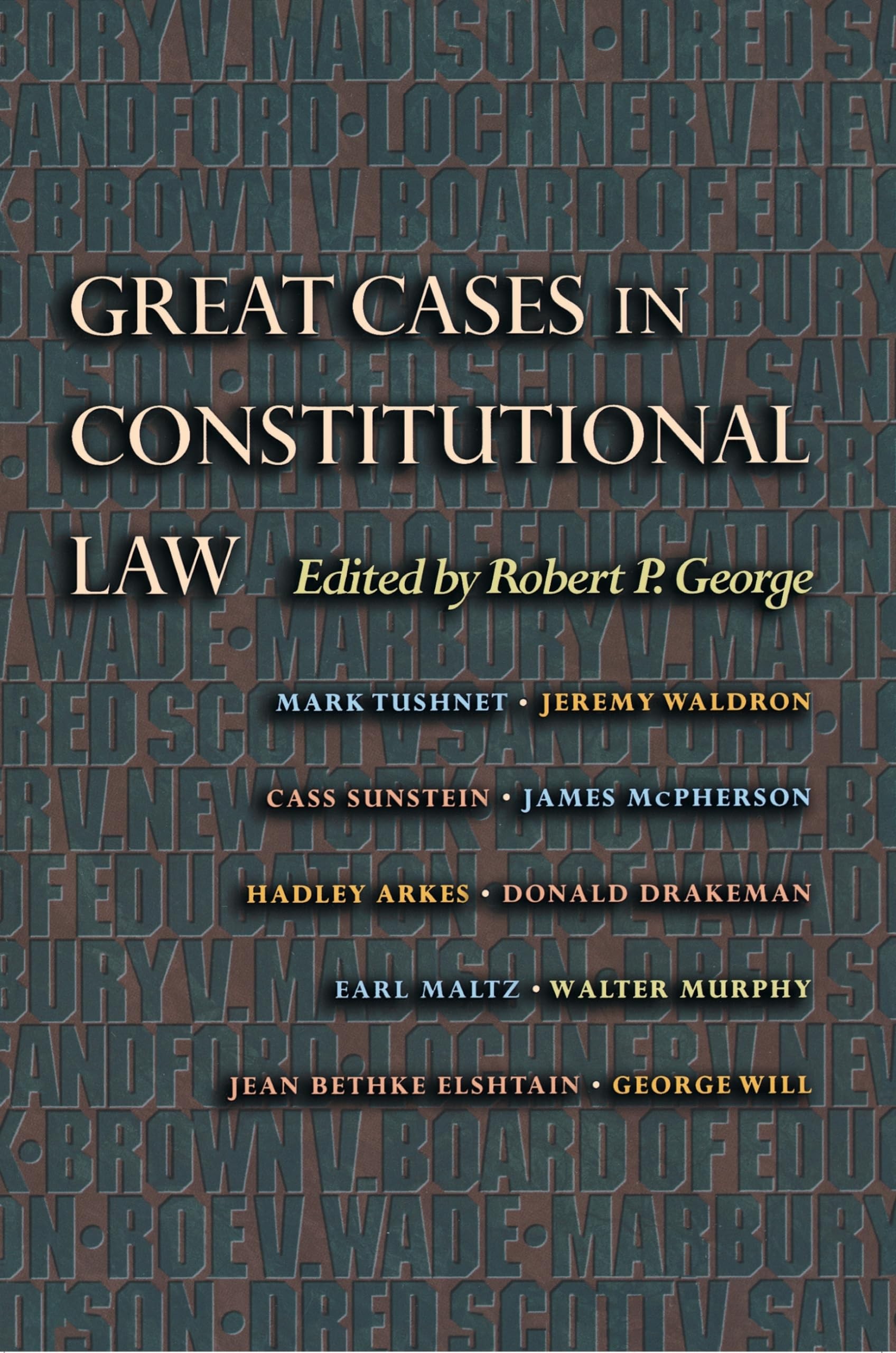
Constitutional Law
Great Cases in Constitutional Law (English, Robert P. George)
Constitutional Law
Guilty Pleas in International Criminal Law (English, Nancy Amoury Combs)
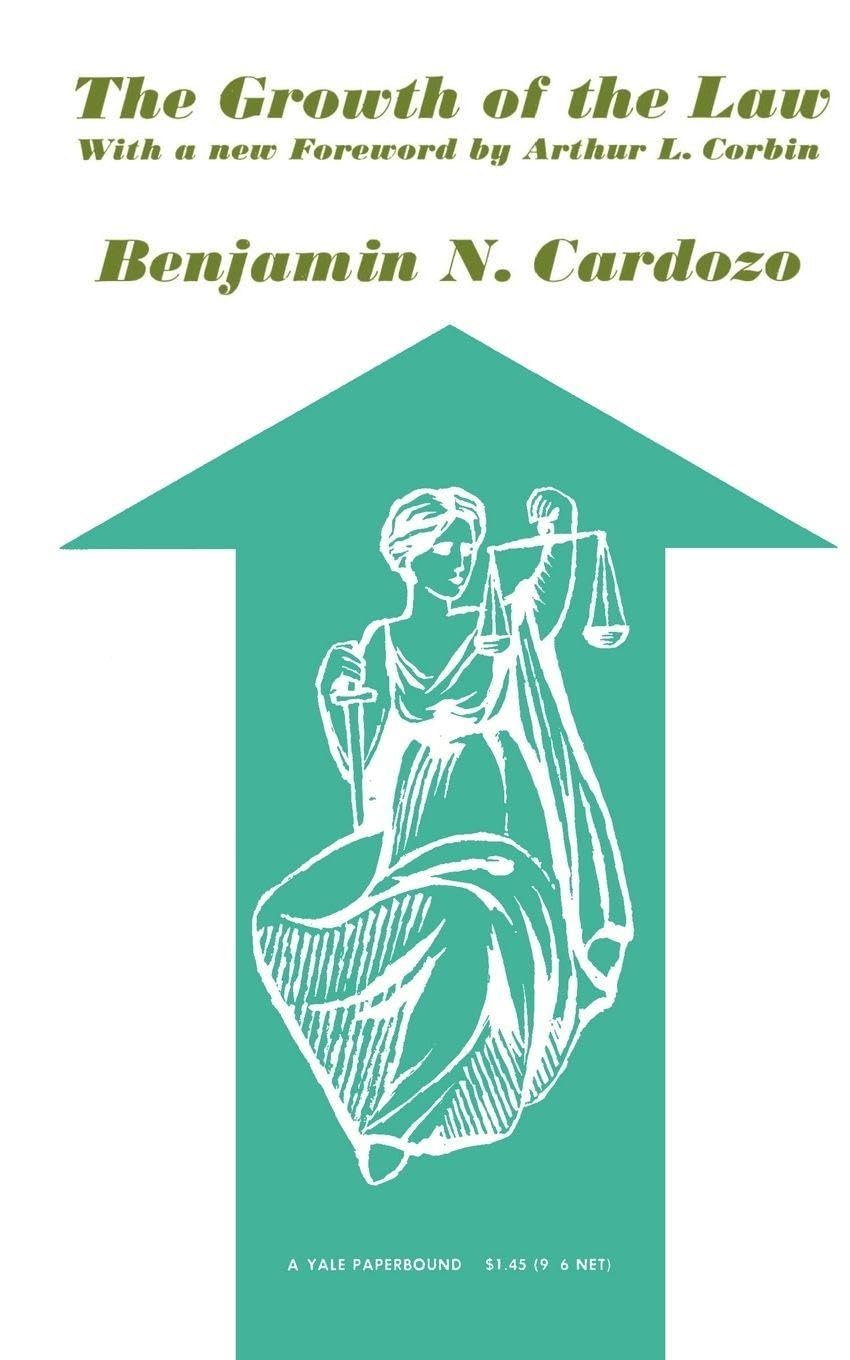
Constitutional Law
The Growth of the Law by Benjamin N. Cardozo – Jurisprudence
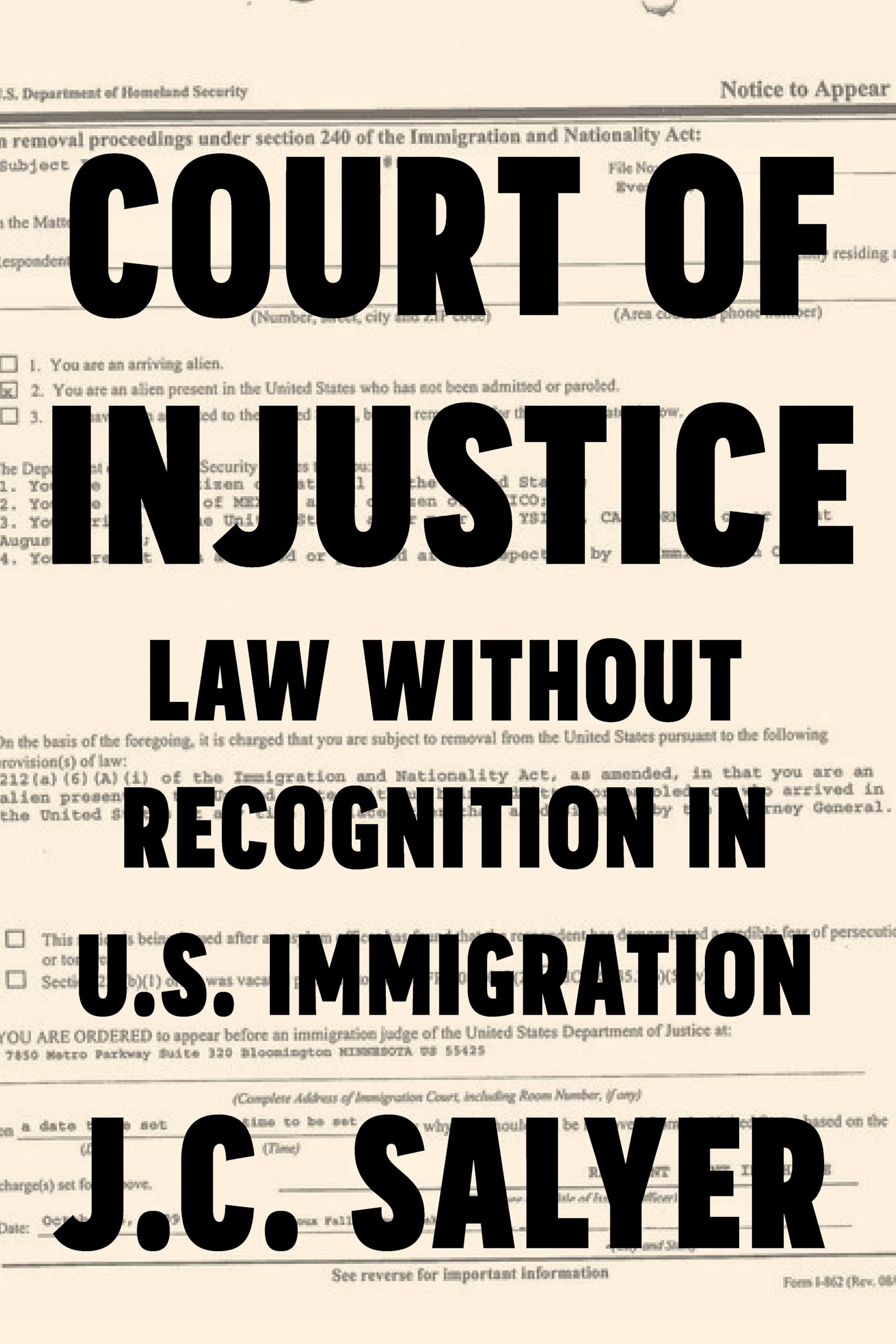
Constitutional Law
Court of Injustice: Law Without Recognition in U.S. Immigration by J. C. Salyer
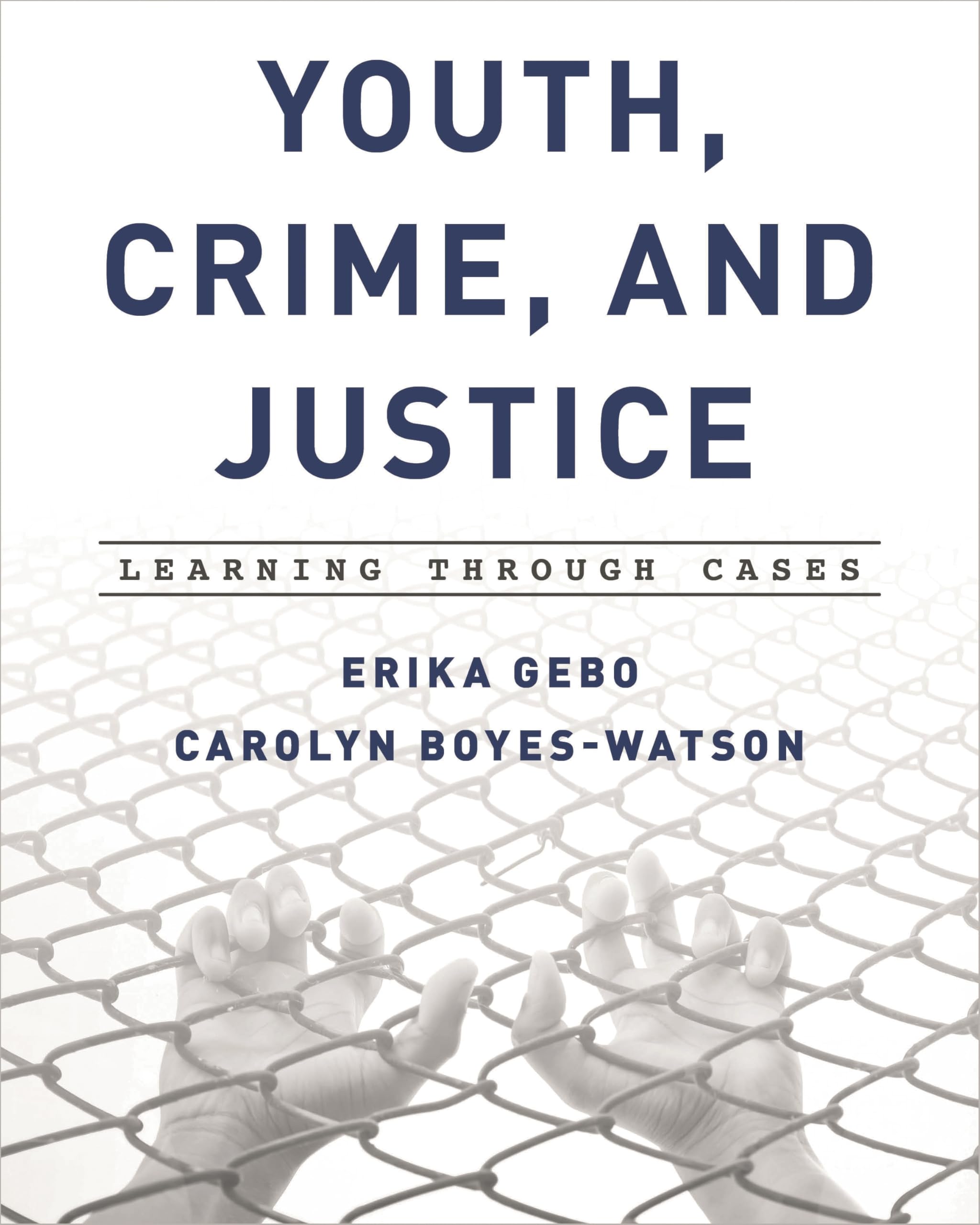
Constitutional Law
Youth: Learning Through Cases
Related Products
View All
Law
Mediasport | by Lawrence Wenner | Routledge | by Lawrence Wenner | Routledge | by Lawrence Wenner | Routledge | by Lawrence Wenner | Routledge | by Lawrence Wenner | Routledge | by Lawrence Wenner | Routledge | by Lawrence Wenner | Routledge | by Lawrence Wenner | Routledge | by Lawrence Wenner | Routledge | by Lawrence Wenner | Routledge | by Lawrence Wenner | Routledge | by Lawrence Wenner | Routledge | by Lawrence Wenner | Routledge | by Lawrence Wenner | Routledge | by Lawrence Wenner | Rout
Law
Human Rights Diplomacy | by Rein Mullerson | Routledge | by Rein Mullerson | Routledge | by Rein Mullerson | Routledge | by Rein Mullerson | Routledge | by Rein Mullerson | Routledge | by Rein Mullerson | Routledge | by Rein Mullerson | Routledge | by Rein Mullerson | Routledge | by Rein Mullerson | Routledge | by Rein Mullerson | Routledge | by Rein Mullerson | Routledge | by Rein Mullerson | Routledge | by Rein Mullerson | Routledge | by Rein Mullerson | Routledge | by Rein Mullerson | Routled
Law
Rome the Law-Giver | by Declareuil J. | Routledge | by Declareuil J. | Routledge | by Declareuil J. | Routledge | by Declareuil J. | Routledge | by Declareuil J. | Routledge | by Declareuil J. | Routledge | by Declareuil J. | Routledge | by Declareuil J. | Routledge | by Declareuil J. | Routledge | by Declareuil J. | Routledge | by Declareuil J. | Routledge | by Declareuil J. | Routledge | by Declareuil J. | Routledge | by Declareuil J. | Routledge | by Declareuil J. | Routledge | by Declareuil
Law
Human Rights and Gender Politics | by Anne-Marie Hilsdon | Martha MacIntyre | Vera MacKie | Routledge | by Anne-Marie Hilsdon | Martha MacIntyre | Vera MacKie | Routledge | by Anne-Marie Hilsdon | Martha MacIntyre | Vera MacKie | Routledge | by Anne-Marie Hilsdon | Martha MacIntyre | Vera MacKie | Routledge | by Anne-Marie Hilsdon | Martha MacIntyre | Vera MacKie | Routledge | by Anne-Marie Hilsdon | Martha MacIntyre | Vera MacKie | Routledge | by Anne-Marie Hilsdon | Martha MacIntyre | Vera Mac
Law
Politics of Human Rights in Southeast Asia | by Philip J. Eldridge | Routledge | by Philip J. Eldridge | Routledge | by Philip J. Eldridge | Routledge | by Philip J. Eldridge | Routledge | by Philip J. Eldridge | Routledge | by Philip J. Eldridge | Routledge | by Philip J. Eldridge | Routledge | by Philip J. Eldridge | Routledge | by Philip J. Eldridge | Routledge | by Philip J. Eldridge | Routledge | by Philip J. Eldridge | Routledge | by Philip J. Eldridge | Routledge | by Philip J. Eldridge |
Law