
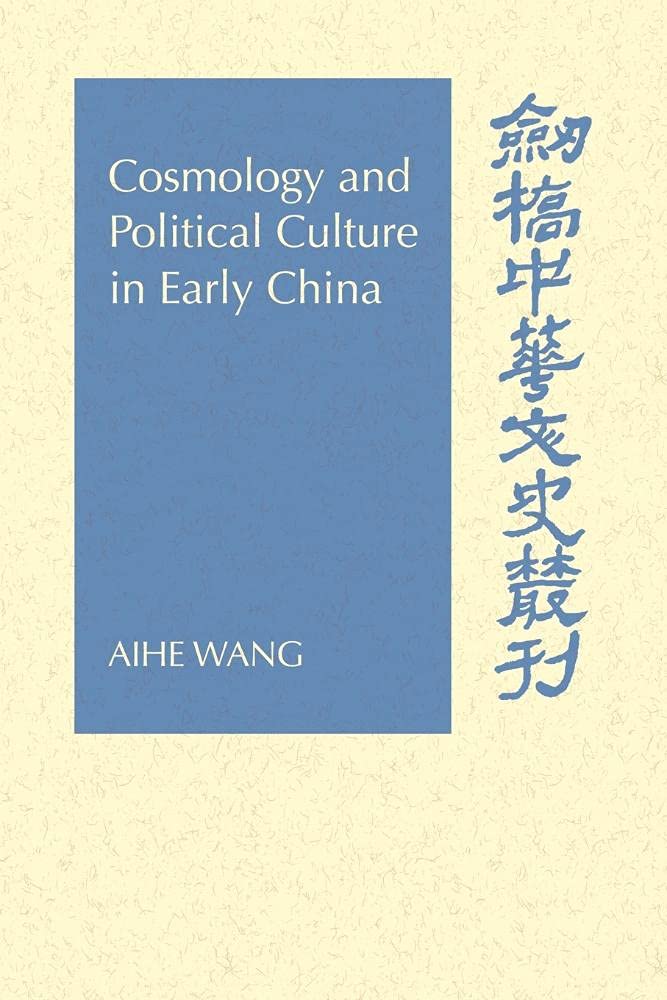
Cosmology and Political Culture in Early China by Aihe Wang – Unraveling the Five Elements and Power in Ancient Chinese
Inclusive of all applicable taxes. FREE shipping on all orders.
Available Offers
- 🚚Free Delivery — Free shipping on all orders
- 💵Cash on Delivery — Pay when your order arrives
- ↩️15-Day Easy Returns — Hassle-free return policy
- 🔒Cash on Delivery — Pay safely when your order arrives
Check Delivery
Product Description
Introduction
In the vast tapestry of early Chinese civilization, few threads are as intricate and revealing as cosmology. Aihe Wang’s Cosmology and Political Culture in Early China offers a groundbreaking exploration of how ancient Chinese thinkers wove cosmic order into the very fabric of political authority. Published by Cambridge University Press, this hardcover volume is an essential resource for students, scholars, and anyone fascinated by the interplay between science, philosophy, and statecraft in classical China.
Book Overview
This meticulously researched work reinterprets the formative stages of Chinese culture and history by placing cosmology at the centre of political transformation. Wang argues that cosmological systems—especially the doctrine of the Five Elements—were not abstract philosophical curiosities but active tools for legitimising power, structuring bureaucracy, and shaping imperial ideology. The book spans from the Shang dynasty through the Han period, revealing how cosmic frameworks evolved alongside political upheaval, and challenges the long-held view that Chinese cosmology was static or monolithic.
Key Highlights
- Original thesis: Cosmology was intrinsic to power relations, not a detached intellectual exercise.
- Interdisciplinary approach: Draws on history, social anthropology, archaeology, and philosophy to build a holistic narrative.
- Focus on change: Demonstrates that early Chinese cosmology was dynamic, contested, and reshaped by political needs.
- Critical of established narratives: Undermines the idea of a homogeneous, unchanging Chinese worldview.
Inside the Book
The volume is structured to guide readers through centuries of intellectual and political change. Wang begins with the cosmic symbolism of Shang oracle bones, moves through the Warring States period’s competing schools of thought, and culminates in the Han synthesis that linked celestial patterns to imperial governance. Each chapter combines close readings of primary texts with material evidence from tombs, ritual sites, and inscribed artefacts. The writing is rigorous yet accessible, making complex ideas understandable without oversimplification.
Key Topics
- The Five Elements (Wu Xing) and their political applications
- Correlative cosmology and the mandate of heaven
- Astronomy, divination, and statecraft in early China
- The role of ritual specialists in legitimising rulers
- Regional variations in cosmological practice
- The transition from mythical to systematic cosmology
Reader Benefits
Indian readers with an interest in comparative civilisations will find this book particularly enriching. It offers a nuanced perspective on how another ancient culture used scientific and philosophical ideas to organise society—a theme that resonates with India’s own rich traditions of cosmology and statecraft. For students of history, political science, or religious studies, Wang’s work provides a model of how to analyse the intersection of ideas and power. The hardcover edition is durable and well-bound, ideal for repeated reference and academic annotation.
Learning Outcomes
After reading this book, you will be able to: trace the evolution of Chinese cosmological thought from the 2nd millennium BCE to the early imperial era; explain how the Five Elements theory was used to justify political changes; critically assess the relationship between science and power in pre-modern societies; and identify the archaeological and textual sources that underpin modern scholarship on early China.
Who Should Read
- Undergraduate and postgraduate students of Chinese history, philosophy, or religious studies
- Scholars of comparative political theory and the sociology of knowledge
- Indian academics working on cross-cultural studies of science and cosmology
- General readers with a serious interest in ancient civilisations and state formation
About the Author
Aihe Wang is a distinguished historian of early China whose research bridges intellectual history and political anthropology. She has taught at leading universities and published widely on the role of cosmology in shaping Chinese political culture. Her work is known for its theoretical sophistication and its commitment to using diverse sources—from excavated texts to ritual bronzes—to reconstruct ancient worldviews.
About the Publisher
Cambridge University Press is one of the world’s oldest and most respected academic publishers. Its titles in Asian studies are peer-reviewed and recognised for their scholarly rigour. This hardcover edition reflects the Press’s commitment to producing durable, high-quality books that serve the academic community for decades.
Conclusion
Cosmology and Political Culture in Early China is not merely a book about the past; it is a lens through which to understand how societies everywhere use ideas about the cosmos to organise power. Aihe Wang’s work is a vital contribution to the history of science, political thought, and Chinese civilisation. For Indian readers eager to deepen their understanding of China’s intellectual foundations, this volume is an indispensable addition to any serious library.
Quick Summary
Cosmology and Political Culture in Early China by Aihe Wang is a groundbreaking academic work that reinterprets the formative stages of Chinese civilization. The book argues that cosmology, especially the Five Elements system, was not merely a philosophical abstraction but a dynamic force that shaped political power, imperial legitimacy, and cultural identity. Drawing on history, archaeology, and philosophy, Wang challenges the conventional view of Chinese cosmology as static and homogeneous, showing instead how it evolved and was actively used to construct authority. This book is ideal for advanced students, researchers, and anyone interested in the deep roots of Chinese political culture. Readers will learn how cosmological ideas were embedded in governance, ritual, and social order, and why understanding this relationship is crucial for grasping early Chinese history. By purchasing from Bookshops.in, Indian readers gain access to a high-quality hardcover edition from Cambridge University Press, ensuring a reliable and lasting resource for academic study or personal enrichment.
Book Highlights
Book Specifications
| ISBN-13 | 9780521027496 |
| ISBN-10 | 0521027497 |
| Publisher | Cambridge University Press |
| Language | English |
| Dimensions | 15.24 x 1.63 x 22.86 cm |
| Weight | 387 g |
| Country | India |
| Category | Humanities › Philosophy |
| Genre | Non-fiction |
| Original Language | English |
Frequently Asked Questions
What is the main thesis of Cosmology and Political Culture in Early China?
Who is Aihe Wang?
Which time period does the book cover?
Is this book suitable for undergraduate students?
Does the book focus only on the Five Elements?
How does this book differ from other works on Chinese cosmology?
What disciplines does the book draw from?
Why is cosmology important in early Chinese politics?
Is the book based on primary sources?
Is this a hardcover book?
What is the ISBN for this book?
Can Indian students relate to this content?
Does the book include illustrations or maps?
Where can I buy this book in India?
Readers Also Search For
Customers Also Bought
Islam
Spiritual Economies (English, Daromir Rudnyckyj)

Islam
Who Is Allah? (English, Bruce B. Lawrence)
Islam
Islam and Liberal Citizenship: The Search for an Overlapping Consensus by Andrew F. March
Islam
Fiqh Us-Sunnah: Funerals and Diggers by Al-Sayyid Sabiq – Islamic Funeral Guide

Christianity
Genetics (English, Thomas a. Shannon | Mark P. Aulisio | Françoise Baylis)

Hinduism
Karma and Creativity by Christopher Key Chapple – Indian Philosophy
Related Products
View All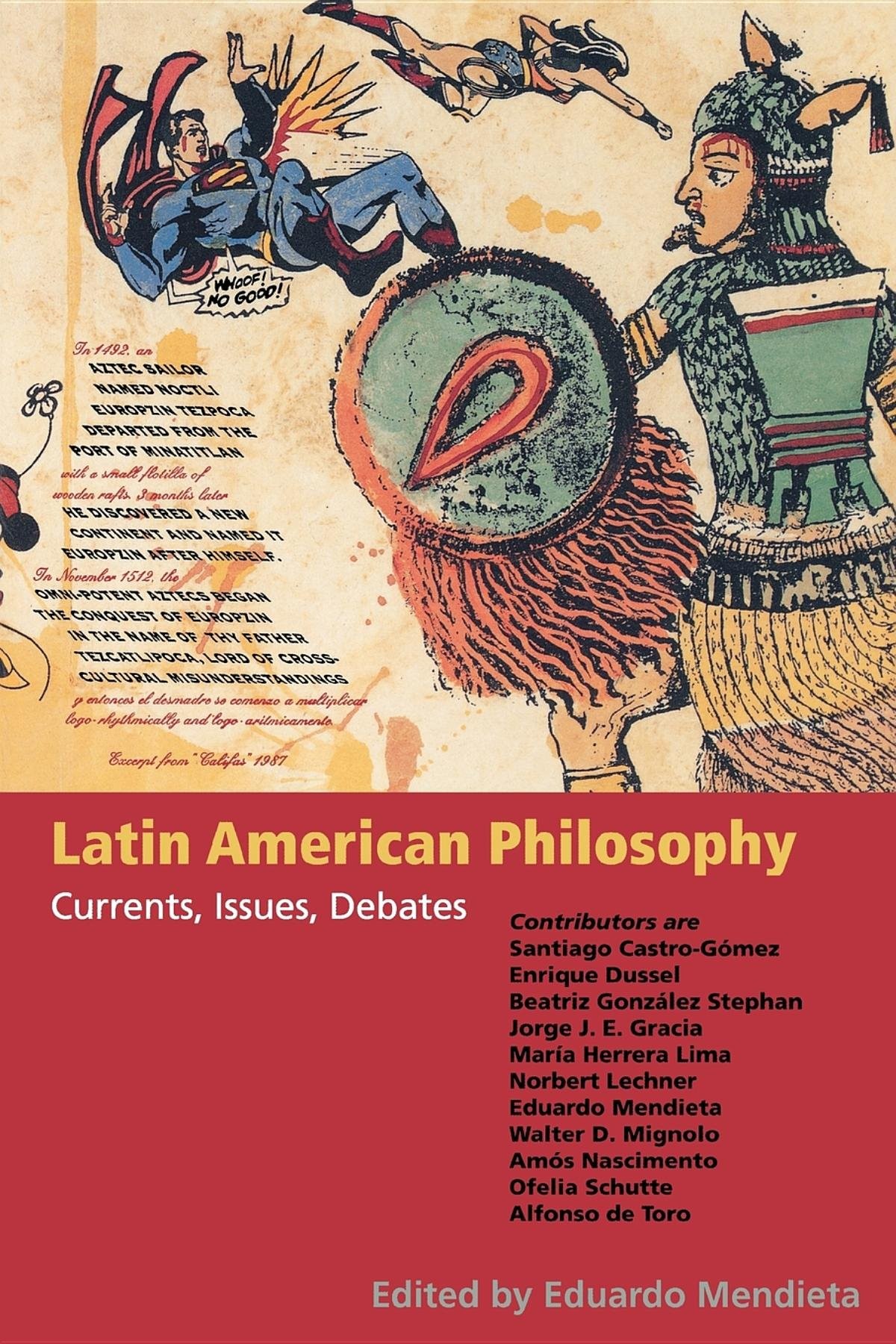
Philosophy
Latin American Philosophy: Currents, Issues, Debates by Eduardo Mendieta

Philosophy
Al-Farabi's Short Commentary on Aristotle's Prior Analytics by Nicholas Rescher – Philosophy
Philosophy
Poetics of Imagining: Modern to Post-modern by Richard Kearney
Philosophy
The Metaphysics of Extrinsic Properties: 11 (Metaphysical Research, 11)
Philosophy
Dialogues on Metaphysics and on Religion by Nicolas Malebranche – Philosophy
Philosophy