
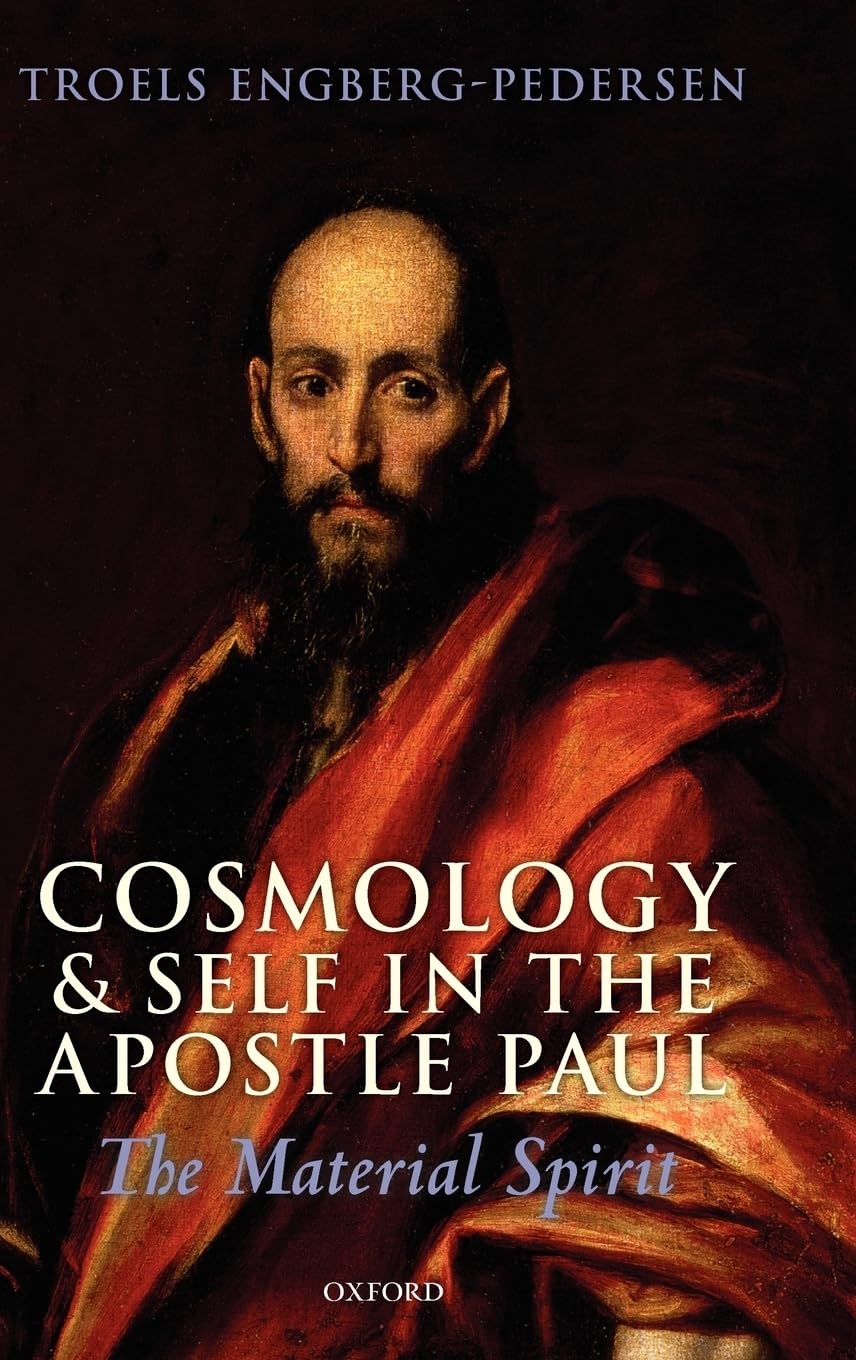
Cosmology and Self in the Apostle Paul: The Material Spirit by Troels Engberg-Pedersen – A New Materialist Approach to P
Inclusive of all applicable taxes. FREE shipping on all orders.
Available Offers
- 🚚Free Delivery — Free shipping on all orders
- 💵Cash on Delivery — Pay when your order arrives
- ↩️15-Day Easy Returns — Hassle-free return policy
- 🔒Cash on Delivery — Pay safely when your order arrives
Check Delivery
Product Description
Introduction
What if the Apostle Paul’s most profound spiritual ideas were grounded not in metaphor, but in a radically material understanding of the universe? In Cosmology and Self in the Apostle Paul: The Material Spirit, Troels Engberg-Pedersen presents a groundbreaking study that reimagines Pauline theology through the lens of ancient cosmology. This book is a must-read for scholars, students, and curious readers in India who seek to bridge the gap between science, philosophy, and religion in the ancient world.
Book Overview
Troels Engberg-Pedersen challenges centuries of traditional interpretation by arguing that Paul’s concept of pneuma (spirit) was understood as a physical, material substance. The book traces how Paul’s cosmology—rooted in Stoic and Platonic ideas—shaped his views on the self, resurrection, and transformation. Key concepts like ‘being in Christ’ and ‘having the spirit of God’ are re-examined not as abstract metaphors, but as literal, bodily realities. The author shows how Paul envisioned the pneuma acting directly on human bodies, transforming them into ‘pneumatic bodies’ at the resurrection, and how this material spirit operated in the present life of believers.
Key Highlights
- Revolutionary Thesis: Argues that Paul’s spirit was a material element, not a purely spiritual or metaphorical entity.
- Ancient Cosmology: Connects Paul’s thought to Stoic physics and Greco-Roman philosophical traditions.
- Bodily Resurrection: Offers a fresh interpretation of the resurrection as a physical, transformative event.
- Pauline Self: Explores how the apostle conceived of the self in terms of body, spirit, and transformation.
- Scholarly Rigour: Backed by detailed analysis of Pauline texts and ancient sources.
Inside the Book
The book is structured around a close reading of Paul’s letters, especially Romans, 1 Corinthians, and Philippians. Engberg-Pedersen examines how Paul’s own conversion experience, his mission, and the practice of baptism were all understood in bodily, material terms. The author also delves into the relationship between Paul’s cosmology and his ethics, showing how the material spirit shaped moral life and community formation. Each chapter builds a case for a literal, physical reading of Pauline spirituality that is both ancient and startlingly modern.
Key Topics
- Materiality of the spirit in Pauline thought
- Stoic physics and its influence on early Christian cosmology
- The resurrection body and transformation
- Baptism as a physical reception of the spirit
- Paul’s conversion and apostolic mission
- The self as a locus of divine transformation
- Ethics and community in light of material spirit
Reader Benefits
- Deepen Your Understanding: Gain a fresh perspective on one of Christianity’s most influential thinkers.
- Bridge Disciplines: See how ancient science, philosophy, and religion intersect in Paul’s world.
- Critical Thinking: Challenge conventional interpretations with a well-argued, evidence-based thesis.
- Academic Edge: Ideal for theology, religious studies, and classical philosophy students in India.
- Engaging Style: Written with clarity, making complex ideas accessible to serious readers.
Learning Outcomes
- Understand the materialist dimension of Paul’s cosmology and its roots in Stoic thought.
- Analyze key Pauline concepts like ‘in Christ’ and ‘spirit’ in a new, literal framework.
- Evaluate the role of the body and resurrection in early Christian theology.
- Connect ancient cosmological ideas to modern questions of selfhood and transformation.
- Develop critical skills for interpreting religious texts through historical and philosophical lenses.
Who Should Read
This book is ideal for graduate students, researchers, and professors in New Testament studies, early Christianity, ancient philosophy, and religious studies. It is also valuable for seminary students, clergy, and intellectually curious readers interested in the intersection of science, cosmology, and spirituality. Indian readers engaged in comparative philosophy or theology will find the materialist framework especially thought-provoking.
About the Author
Troels Engberg-Pedersen is a distinguished professor of New Testament at the University of Copenhagen, Denmark. He is widely recognized for his innovative work on Paul’s relationship with Stoic philosophy. His previous books include Paul and the Stoics and Stoicism in Early Christianity. Engberg-Pedersen’s scholarship is known for its rigorous historical analysis and its ability to challenge long-held assumptions about early Christian thought.
About the Publisher
Oxford University Press (OUP) is one of the world’s oldest and most respected academic publishers. With a strong presence in India, OUP is committed to publishing high-quality scholarship in theology, philosophy, and the humanities. This hardcover edition is produced to the highest standards of academic excellence and durability.
Conclusion
Cosmology and Self in the Apostle Paul: The Material Spirit is a transformative work that redefines how we understand Paul’s theology. By grounding spiritual concepts in ancient material science, Troels Engberg-Pedersen opens up new avenues for interpreting the New Testament. Whether you are a scholar, student, or an avid reader of religious philosophy, this book will challenge your assumptions and enrich your perspective. Add this essential volume to your library today from Bookshops.in.
Quick Summary
Cosmology and Self in the Apostle Paul: The Material Spirit by Troels Engberg-Pedersen is a groundbreaking academic work that reinterprets Pauline theology through a materialist lens. The book argues that Paul's concept of pneuma (spirit) is not merely metaphorical but a physical, bodily element that will transform believers at resurrection and already shapes their present existence. Drawing on Stoic philosophy and ancient cosmology, Engberg-Pedersen challenges traditional readings and offers a fresh understanding of key Pauline ideas like 'being in Christ' and 'having God's spirit in one.' This book is ideal for theology students, scholars of early Christianity, and anyone interested in the intersection of philosophy and religion. Readers will gain a deeper appreciation of Paul's material worldview and its implications for Christian anthropology and eschatology. By purchasing from Bookshops.in, Indian readers get access to a premium hardcover edition of this essential scholarly work, with reliable delivery and customer service.
Book Highlights
Book Specifications
| ISBN-13 | 9780199558568 |
| ISBN-10 | 0199558566 |
| Publisher | OUP Oxford |
| Language | English |
| Dimensions | 23.39 x 1.75 x 15.6 cm |
| Weight | 608 g |
| Category | Philosophy › History & Surveys |
| Genre | Theology |
| Reading Age | Adult |
| Original Language | English |
Frequently Asked Questions
What is the main argument of Cosmology and Self in the Apostle Paul?
Who is Troels Engberg-Pedersen?
Is this book suitable for beginners in theology?
How does this book differ from other studies on Paul?
Does the book discuss resurrection?
What role does Stoic philosophy play in the book?
Can Indian readers benefit from this book?
Does the book use original Greek terms?
Is there a paperback edition available?
What is the ISBN?
Is the book part of a series?
Where can I buy this book in India?
Readers Also Search For
Customers Also Bought
Islam
Spiritual Economies (English, Daromir Rudnyckyj)

Islam
Who Is Allah? (English, Bruce B. Lawrence)
Islam
Islam and Liberal Citizenship: The Search for an Overlapping Consensus by Andrew F. March
Islam
Fiqh Us-Sunnah: Funerals and Diggers by Al-Sayyid Sabiq – Islamic Funeral Guide

Christianity
Genetics (English, Thomas a. Shannon | Mark P. Aulisio | Françoise Baylis)

Hinduism
Karma and Creativity by Christopher Key Chapple – Indian Philosophy
Related Products
View All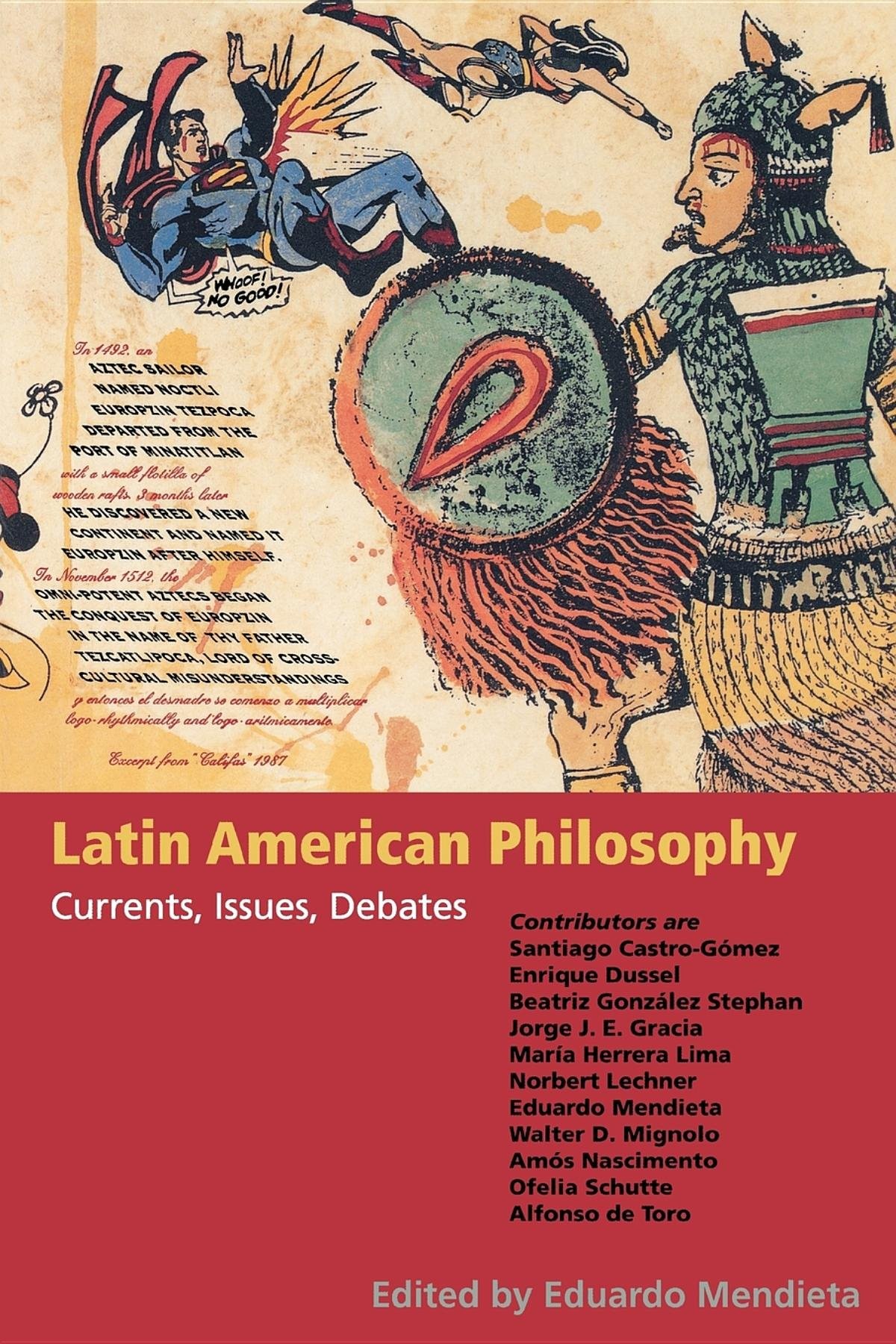
Philosophy
Latin American Philosophy: Currents, Issues, Debates by Eduardo Mendieta

Philosophy
Al-Farabi's Short Commentary on Aristotle's Prior Analytics by Nicholas Rescher – Philosophy
Philosophy
Poetics of Imagining: Modern to Post-modern by Richard Kearney
Philosophy
The Metaphysics of Extrinsic Properties: 11 (Metaphysical Research, 11)
Philosophy
Dialogues on Metaphysics and on Religion by Nicolas Malebranche – Philosophy
Philosophy