
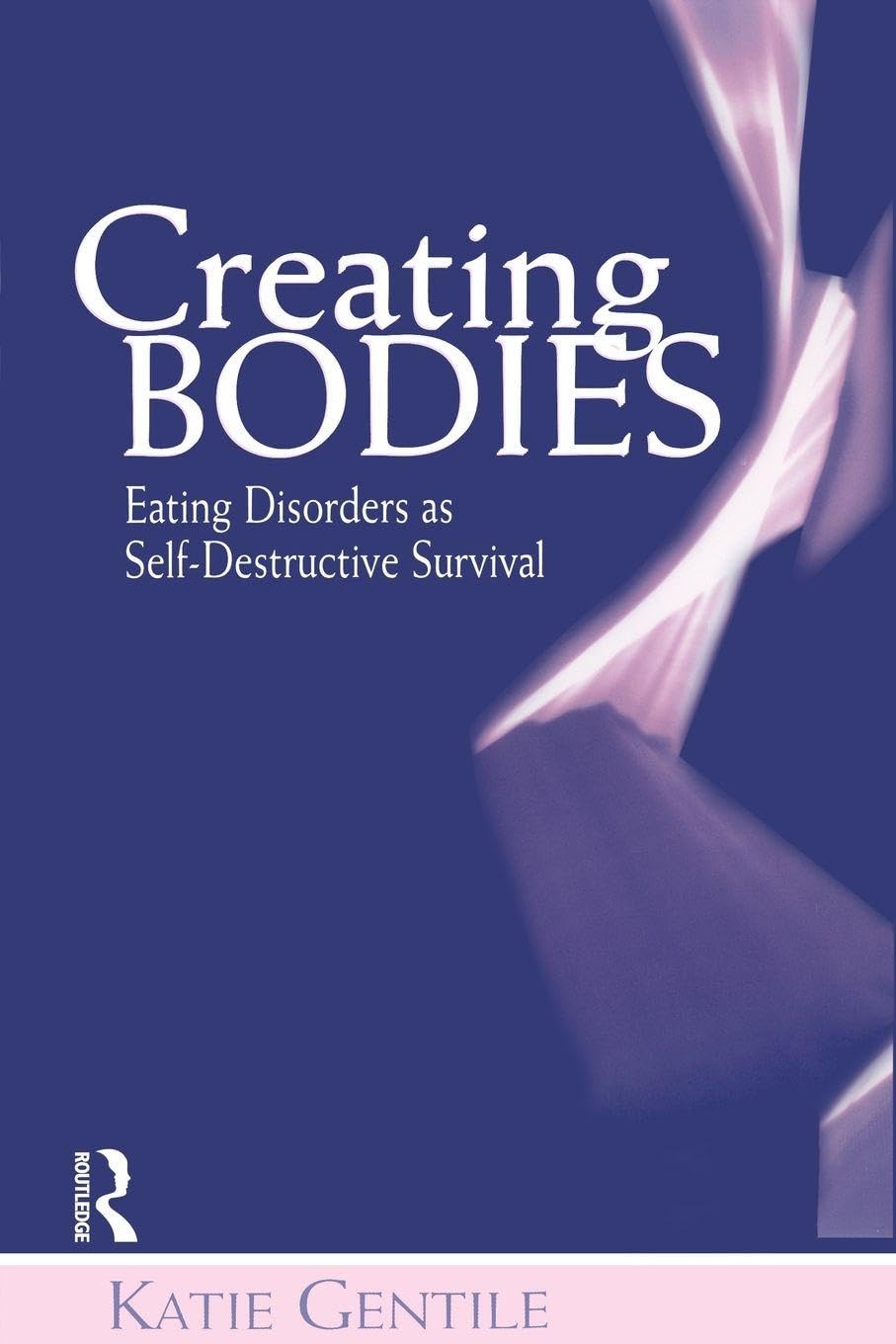
Creating Bodies: Eating Disorders as Self-Destructive Survival by Katie Gentile – A Routledge Publication on Trauma and
Inclusive of all applicable taxes. FREE shipping on all orders.
Available Offers
- 🚚Free Delivery — Free shipping on all orders
- 💵Cash on Delivery — Pay when your order arrives
- ↩️15-Day Easy Returns — Hassle-free return policy
- 🔒Cash on Delivery — Pay safely when your order arrives
Check Delivery
Product Description
Introduction
Eating disorders are often misunderstood as mere obsessions with food or body image. In Creating Bodies: Eating Disorders as Self-Destructive Survival, author Katie Gentile offers a profound exploration of how trauma, particularly sexual abuse, can manifest as anorexia and bulimia. This hardcover edition, published by Routledge, presents a unique blend of clinical insight and raw personal narrative, making it an essential read for students, therapists, and anyone seeking to understand the complex psychology behind these disorders.
Book Overview
At the heart of this book is the gripping story of Hannah, a woman who wrote 18 diaries between the ages of 14 and 32. Through excerpts from these diaries, we witness her journey through violent friendships, the descent into anorexia and bulimia, an abusive marriage, and the slow, painful recovery of memories of sexual abuse. Katie Gentile analyzes these diaries and meets with Hannah to discuss her own understanding of her writings. The result is a powerful, layered narrative that shows how the body becomes a battleground for unspeakable pain and how healing is possible through symbolic re-creation.
Key Highlights
- Unique primary source material: Includes authentic diary entries from a woman struggling with eating disorders over nearly two decades.
- Clinical and personal integration: Blends psychoanalytic theory with lived experience, offering both academic depth and human empathy.
- Focus on survival mechanisms: Reframes eating disorders not as simple pathologies but as creative, albeit destructive, ways to survive trauma.
- Collaborative analysis: The author and subject discuss the meaning of the diaries together, adding a rare layer of mutual insight.
Inside the Book
This volume is structured around the chronological progression of Hannah’s diaries. Each chapter examines how her writing style, content, and self-perception evolve as she moves from adolescence to adulthood. Gentile demonstrates how the act of diary writing itself becomes a tool for symbolizing trauma that the body has stored. The book also includes theoretical discussions on embodiment, dissociation, and the role of narrative in recovery, making it a rich resource for both clinical practice and personal reflection.
Key Topics
- Anorexia nervosa and bulimia nervosa as survival strategies
- Childhood sexual abuse and its long-term psychological impact
- The role of diary writing in processing trauma
- Embodiment and the symbolic meaning of eating disorders
- Feminist and psychoanalytic perspectives on self-harm
- Recovery pathways and the reclamation of the body
Reader Benefits
- For students: Gain a nuanced understanding of eating disorders beyond textbook definitions.
- For therapists and clinicians: Learn how to use narrative and diary analysis in therapeutic settings.
- For survivors and their families: Find validation and hope through Hannah’s story of transformation.
- For researchers: Access a rare longitudinal case study that bridges theory and practice.
Learning Outcomes
By reading this book, you will be able to: identify the hidden links between trauma and eating disorders; understand how the body stores and expresses unspeakable experiences; analyze personal narratives as tools for healing; appreciate the complexity of recovery as a non-linear, ongoing process; and apply feminist and psychoanalytic concepts to real-world cases.
Who Should Read
This book is ideal for psychology and counselling students, practising therapists, social workers, psychiatrists, and anyone interested in the intersection of trauma, gender, and mental health. It is also deeply relevant for survivors of abuse or eating disorders who seek a thoughtful, scholarly companion to their own journey. Indian readers will find the themes of family pressure, body image, and silence around abuse particularly resonant.
About the Author
Katie Gentile is a professor of psychology and a licensed psychotherapist with extensive experience in treating trauma and eating disorders. She has published widely on feminist psychoanalysis, embodiment, and qualitative research methods. Her work is known for its compassionate, rigorous approach to understanding how the mind and body cope with extreme stress.
About the Publisher
Routledge is a globally respected academic publisher, known for its extensive catalogue in psychology, social sciences, and humanities. This book is part of the Routledge Relational Perspectives Book Series, which emphasises innovative, clinically relevant scholarship. The hardcover edition ensures durability for library and personal use.
Conclusion
Creating Bodies: Eating Disorders as Self-Destructive Survival is a landmark work that challenges simplistic views of anorexia and bulimia. By centering Hannah’s voice and her diaries, Katie Gentile offers a deeply human and theoretically rich account of how trauma shapes the body and how healing can emerge from the most painful places. This book is not just a clinical study; it is a testament to the power of storytelling in reclaiming one’s life. For anyone in India or elsewhere who seeks to understand the psychology of eating disorders, this is an indispensable addition to your library.
Quick Summary
Creating Bodies: Eating Disorders as Self-Destructive Survival by Katie Gentile is a groundbreaking psychological study that delves into the diaries of a woman named Hannah, written over 18 years from age 14 to 32. The book traces her descent into anorexia and bulimia, her experiences with violent friendships and an abusive marriage, and her eventual recovery through therapy and memory work. Gentile, a feminist psychologist, analyzes these diaries to reveal how eating disorders can be a form of self-destructive survival rooted in trauma. This work is invaluable for clinicians, psychology students, and researchers seeking a deep, qualitative understanding of eating disorders. Readers will learn about the interplay between trauma, body image, and recovery, and gain insight into therapeutic approaches. By purchasing from Bookshops.in, Indian readers get a premium hardcover edition delivered reliably.
Book Highlights
Book Specifications
| ISBN-13 | 9780881634389 |
| ISBN-10 | 0881634387 |
| Publisher | Routledge |
| Language | English |
| Dimensions | 15.24 x 1.27 x 22.23 cm |
| Weight | 318 g |
| Country | India |
| Category | Psychology › Psychopathology |
| Genre | Psychology |
| Original Language | English |
Frequently Asked Questions
What is Creating Bodies about?
Who is the author of Creating Bodies?
Is this book based on real diaries?
What makes this book different from other eating disorder books?
Is this book suitable for someone with an eating disorder?
Does the book cover treatment approaches?
What topics are covered in the book?
What is the ISBN of this book?
What language is the book in?
Is this book available in India?
What is the price of Creating Bodies?
Can this book help me understand my own eating disorder?
Does the book include the diarist's own reflections?
Readers Also Search For
Customers Also Bought
Psychology
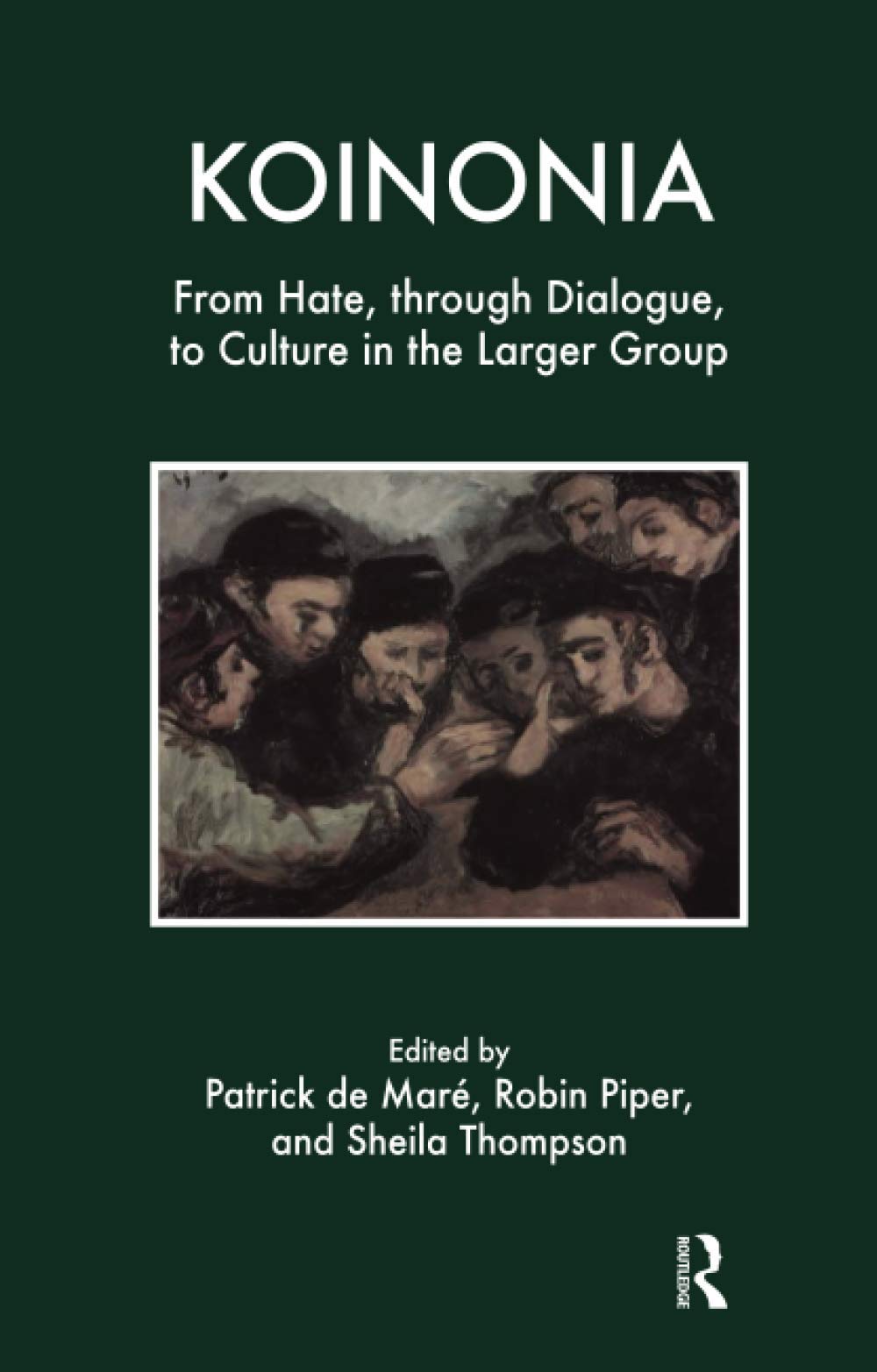
Koinonia: From Hate, Through Dialogue, to Culture in the Large Group by Patrick B. Demare
Psychology
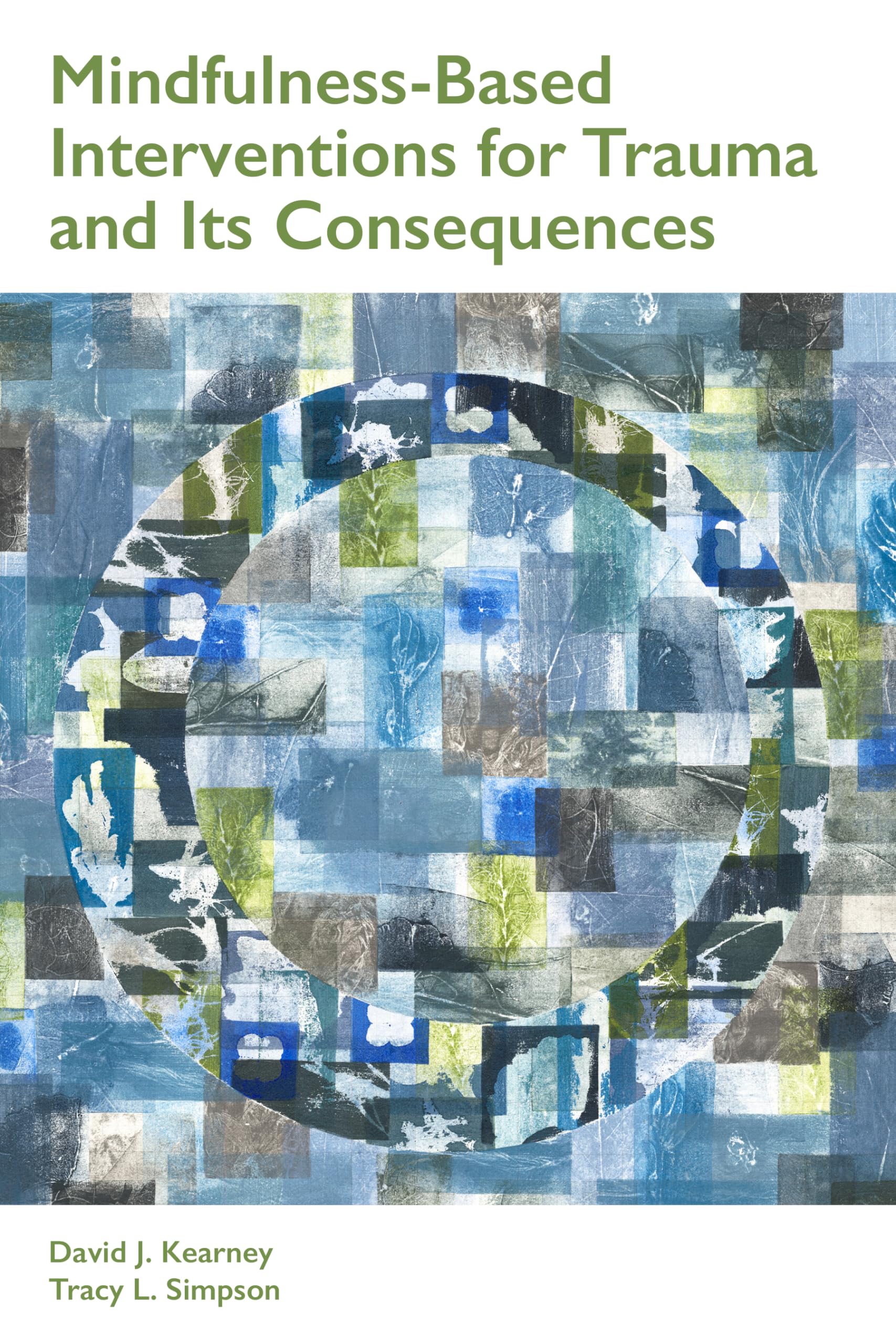
Mindfulness-Based Interventions for Trauma and Its Consequences (Concise Guides on Trauma Care, 4)

Psychology
Handbook for Teaching Statistics and Research Methods by Mark E. Ware

Psychology
Psychoanalysis and the Nuclear Threat: Clinical and Theoretical Studies
Psychology
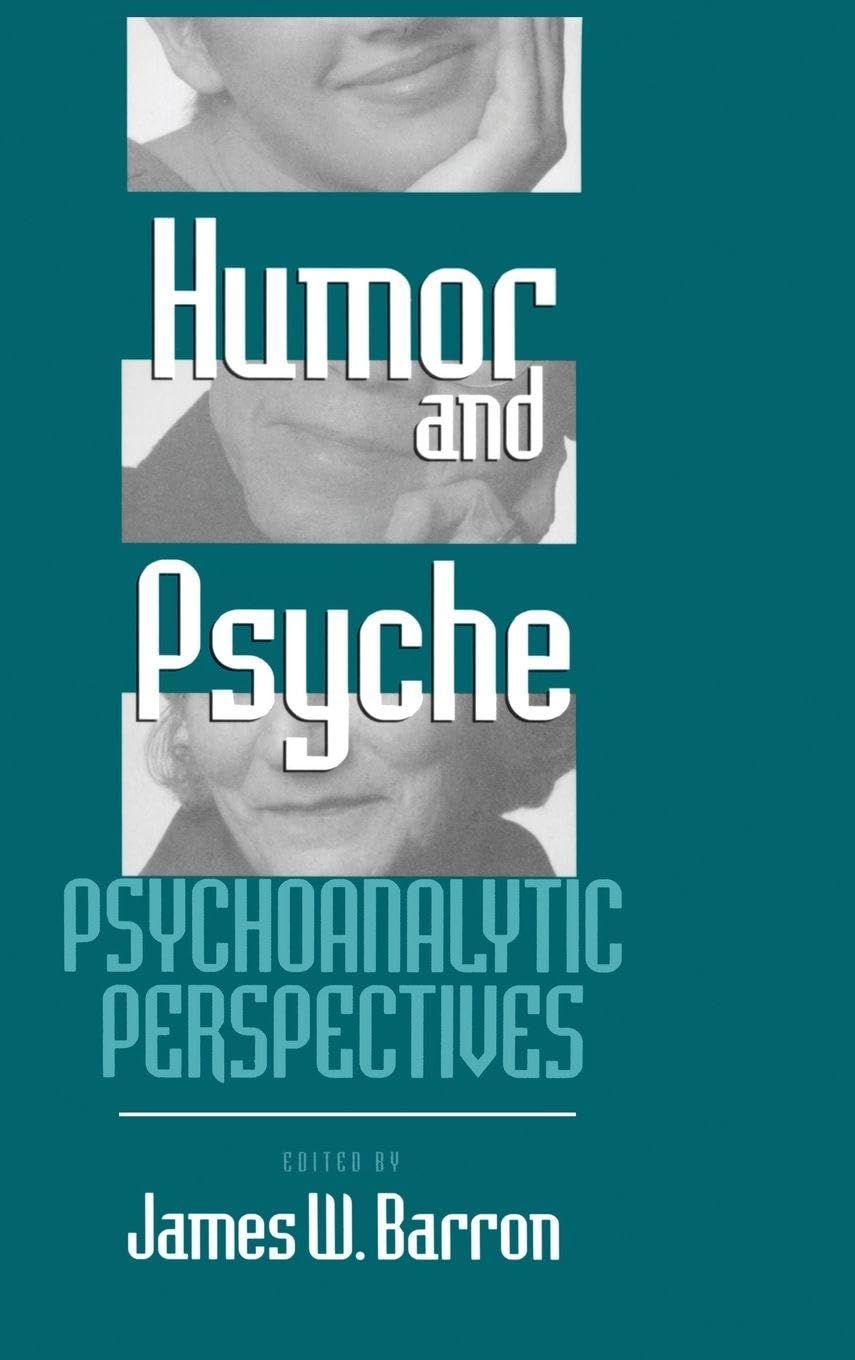
Humor and Psyche: Psychoanalytic Perspectives by James W. Barron
Relationships
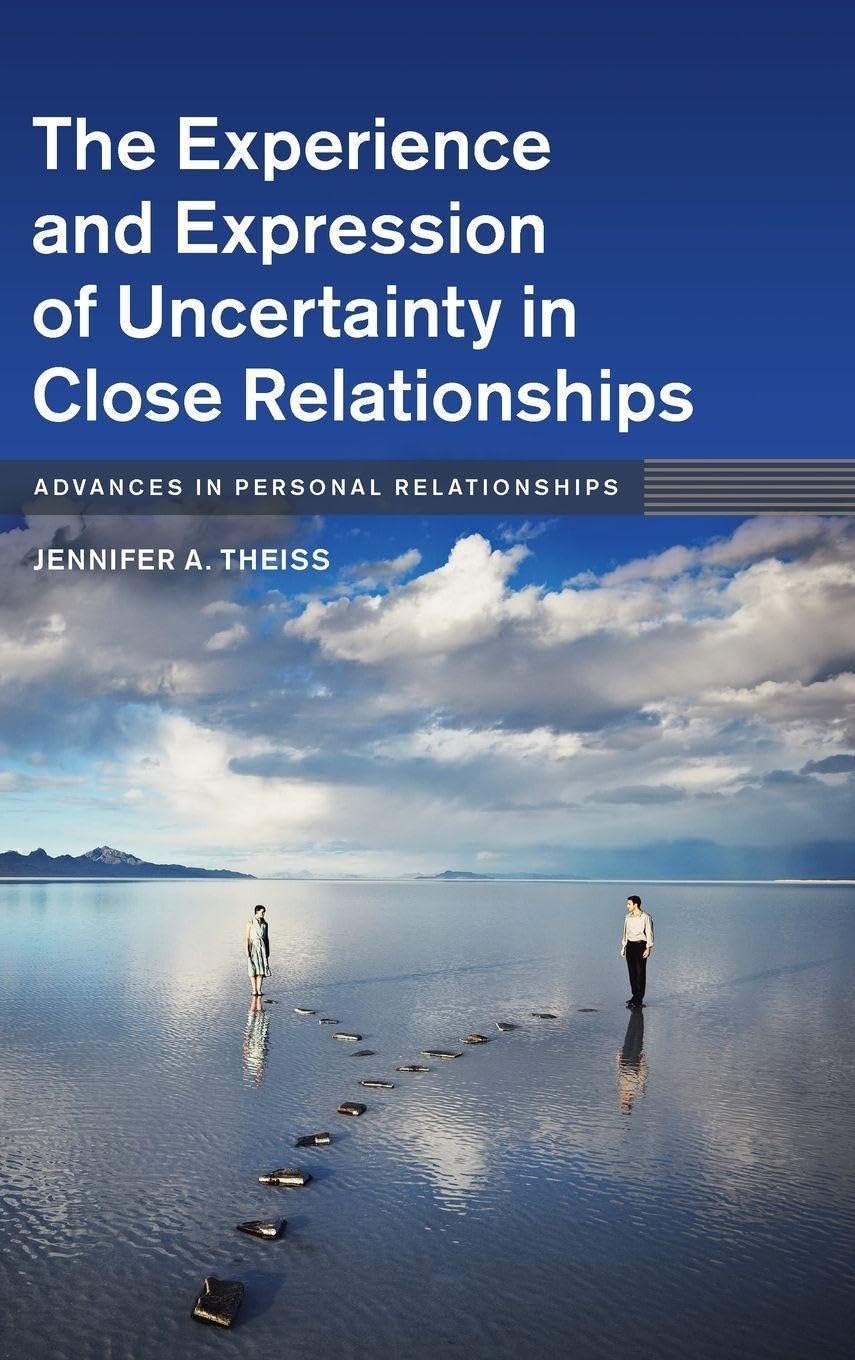
The Experience and Expression of Uncertainty in Close Relationships by Jennifer A. Theiss
Related Products
View AllPsychology
Mindfulness-Based Interventions for Trauma and Its Consequences (Concise Guides on Trauma Care, 4)
Psychology
Handbook for Teaching Statistics and Research Methods by Mark E. Ware
Psychology
Psychoanalysis and the Nuclear Threat: Clinical and Theoretical Studies
Psychology
Humor and Psyche: Psychoanalytic Perspectives by James W. Barron

Psychology
Proceedings of the First International Conference on Genetic Algorithms and Their Applications
Psychology