
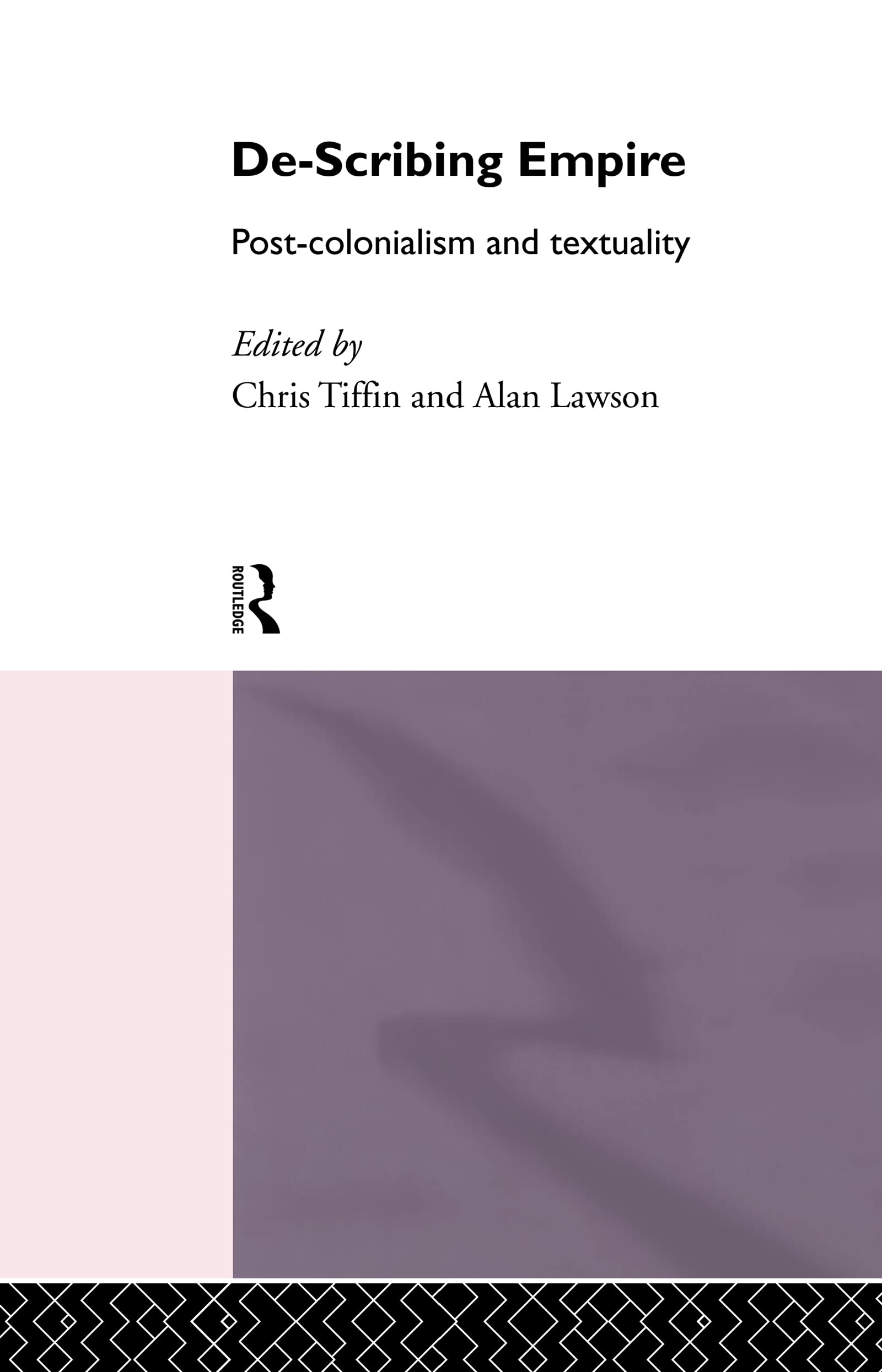
De-Scribing Empire: Post-Colonialism and Textuality by Alan Lawson – A Critical Examination of Writing, Imperial Control
Inclusive of all applicable taxes. FREE shipping on all orders.
Available Offers
- 🚚Free Delivery — Free shipping on all orders
- 💵Cash on Delivery — Pay when your order arrives
- ↩️15-Day Easy Returns — Hassle-free return policy
- 🔒Cash on Delivery — Pay safely when your order arrives
Check Delivery
Product Description
Introduction
De-Scribing Empire: Post-Colonialism and Textuality by Alan Lawson is a seminal work that delves into the intricate relationship between colonial power and the written word. This hardcover edition, published by Routledge, offers a rigorous exploration of how books, manuscripts, and textual practices were instrumental in shaping imperial ideologies and controlling colonized societies. For Indian students and scholars of post-colonial studies, this book provides a critical lens to understand the enduring impact of colonial textuality on contemporary thought and identity.
Book Overview
This collection of meticulously crafted essays examines the formative role of writing and textuality in the construction of colonial worldviews. Lawson brings together diverse perspectives to show how imperial powers used texts—from official documents to literary works—to assert dominance and normalize their control. The book also proposes strategies to deconstruct and neutralize this textual control, making it a vital resource for anyone seeking to understand the mechanisms of colonial power and the possibilities of resistance through critical reading and rewriting.
Key Highlights
- Original Essays: Features first-class essays that collectively map the intersection of post-colonial theory and textual studies.
- Critical Framework: Offers innovative approaches to reading colonial texts against the grain, empowering readers to uncover hidden narratives.
- Interdisciplinary Scope: Bridges literature, history, law, and cultural studies, making it relevant across academic disciplines.
- Global Perspective: Includes case studies from various colonial contexts, including India, Africa, and the Caribbean.
- Practical Strategies: Provides tools for analyzing and challenging colonial textuality in contemporary contexts.
Inside the Book
The volume is structured around thematic sections that explore different facets of colonial textuality. Early chapters examine how colonial administrators used written records to codify laws and land rights, effectively erasing indigenous knowledge systems. Later essays turn to literary texts, showing how novels and travelogues perpetuated stereotypes and justified exploitation. The final section offers methodologies for 'de-scribing'—a term Lawson uses to describe the act of reading critically to dismantle imperial narratives. Each essay is rigorously argued and supported by primary sources, making the book both a theoretical treatise and a practical guide.
Key Topics
- Textuality and Empire: The role of writing in establishing and maintaining colonial authority.
- Discourse and Power: How language and narrative structures shaped colonial realities.
- Resistance and Rewriting: Strategies for subverting colonial texts and reclaiming voice.
- Post-Colonial Theory: Key concepts such as hybridity, mimicry, and the subaltern.
- Cultural Imperialism: The imposition of Western literary and legal norms on colonized societies.
- Identity and Representation: The construction of colonial and post-colonial identities through text.
Reader Benefits
- Deepen Understanding: Gain a nuanced grasp of how colonialism operated through the written word.
- Critical Skills: Develop analytical tools to deconstruct any text’s underlying power dynamics.
- Academic Edge: Enhance your research and writing in post-colonial studies, cultural studies, or literary theory.
- Relevant Insights: Connect historical colonial practices to contemporary issues of representation and cultural identity.
- Authoritative Source: Own a hardcover edition from Routledge, a trusted academic publisher.
Learning Outcomes
By engaging with this book, readers will be able to: identify the textual strategies used by colonial powers to legitimize control; analyze how post-colonial writers have used writing to resist and rewrite history; apply theoretical frameworks from post-colonialism to diverse texts; and critically evaluate the role of books and writing in shaping worldviews. The book also encourages readers to reflect on their own reading practices and the ways texts influence perceptions of self and other.
Who Should Read
- Students: Undergraduate and postgraduate students of English literature, history, cultural studies, and political science.
- Scholars: Academics and researchers specializing in post-colonial theory, textual criticism, or imperial history.
- Teachers: Educators looking for a comprehensive text to incorporate into curricula on colonialism and its aftermath.
- General Readers: Anyone interested in understanding the power of writing and the legacy of colonialism in India and beyond.
About the Author
Alan Lawson is a distinguished scholar in post-colonial studies and literary theory. He has taught at several universities internationally and published extensively on the intersections of textuality, power, and identity. His work is known for its clarity, depth, and commitment to decolonizing knowledge. Lawson’s expertise makes De-Scribing Empire a trusted and insightful guide for navigating the complexities of colonial textuality.
About the Publisher
Routledge is a globally renowned academic publisher, known for producing high-quality books in the humanities and social sciences. With a legacy of over a century, Routledge publishes works that shape scholarly discourse and education. This hardcover edition reflects the publisher’s commitment to durability and excellence, making it a valuable addition to any library.
Conclusion
De-Scribing Empire: Post-Colonialism and Textuality is an essential read for anyone seeking to understand the profound influence of writing on colonial power structures. Alan Lawson’s collection offers not only critical insights but also practical tools for reading against the grain—a skill vital for students, scholars, and engaged citizens. Add this hardcover to your collection and join the ongoing conversation about text, power, and liberation.
Quick Summary
De-Scribing Empire: Post-Colonialism and Textuality, edited by Alan Lawson, is a landmark collection of essays that investigates the pivotal role of books, writing, and textuality in the exercise of imperial control and the construction of colonial world-views. The volume brings together first-class scholarship to examine how colonial powers used texts to shape knowledge, identity, and governance, while also providing critical strategies for understanding and neutralising this textual domination. This book is essential for students and scholars of post-colonial criticism, literary theory, and cultural studies, particularly those in India who seek to understand the lingering effects of colonial discourse. Readers will gain a nuanced understanding of how textuality functions as a tool of power and resistance, and will learn to apply post-colonial frameworks to deconstruct imperial narratives. By purchasing from Bookshops.in, you receive a genuine hardcover edition from Routledge, backed by reliable service and fast delivery across India.
Book Highlights
Book Specifications
| ISBN-13 | 9780415105460 |
| ISBN-10 | 0415105463 |
| Publisher | Routledge |
| Language | English |
| Dimensions | 13.97 x 2.54 x 22.23 cm |
| Weight | 454 g |
| Country | India |
| Category | Literature › Literary Theory |
| Genre | Non-fiction |
| Original Language | English |
Frequently Asked Questions
What is De-Scribing Empire about?
Who is the author of De-Scribing Empire?
Is this book suitable for Indian students?
What is the ISBN?
Is this a hardcover or paperback?
Which publisher released this book?
What category does this book belong to?
Can I use this book for my university coursework?
Does the book include strategies for resistance?
What language is the book in?
Is this a digital or physical book?
What is the price in INR?
Why should I buy from Bookshops.in?
Readers Also Search For
Customers Also Bought
Constitutional Law
Indigenous law and the state
Constitutional Law
Great Cases in Constitutional Law (English, Robert P. George)
Constitutional Law
Guilty Pleas in International Criminal Law (English, Nancy Amoury Combs)
Constitutional Law
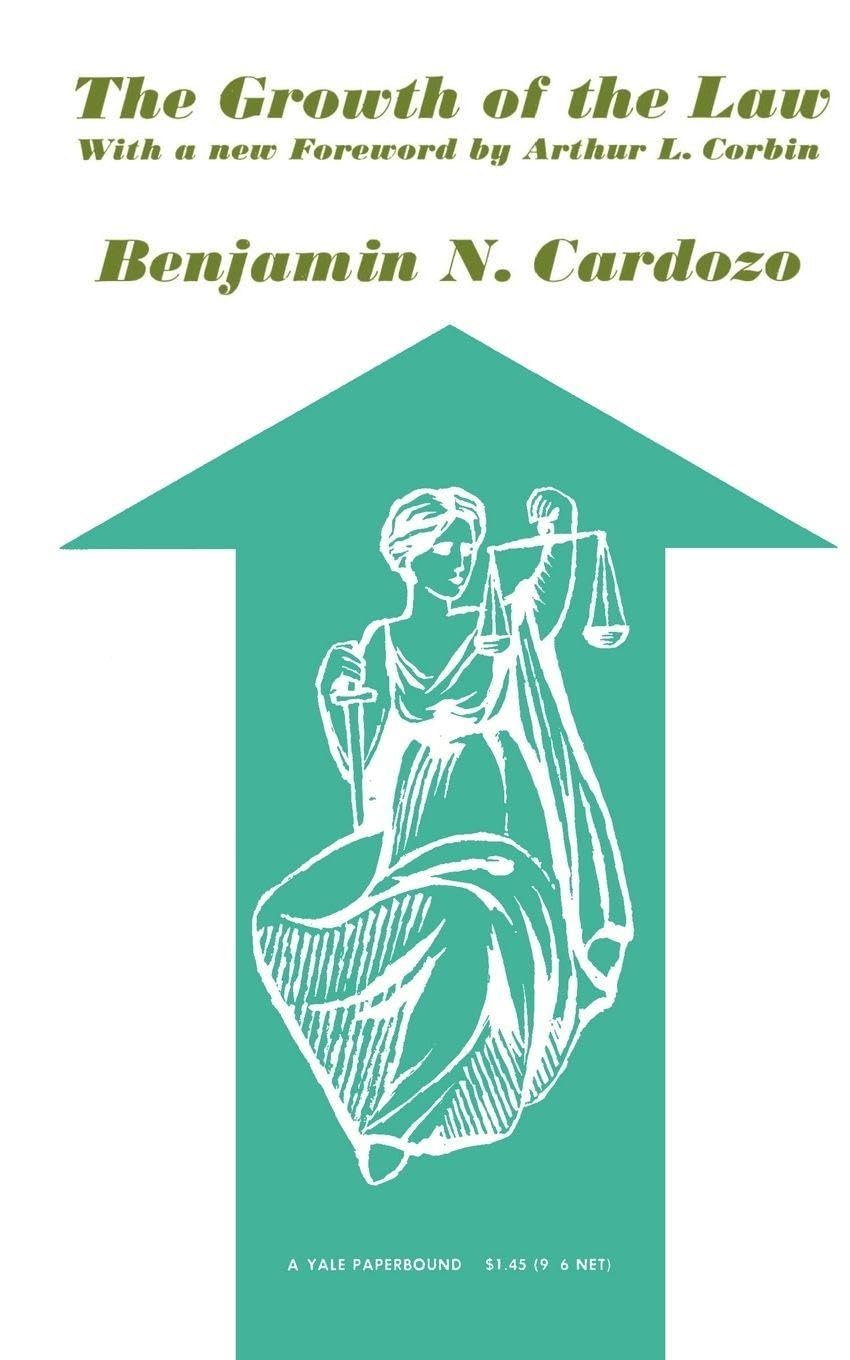
The Growth of the Law by Benjamin N. Cardozo – Jurisprudence
Constitutional Law
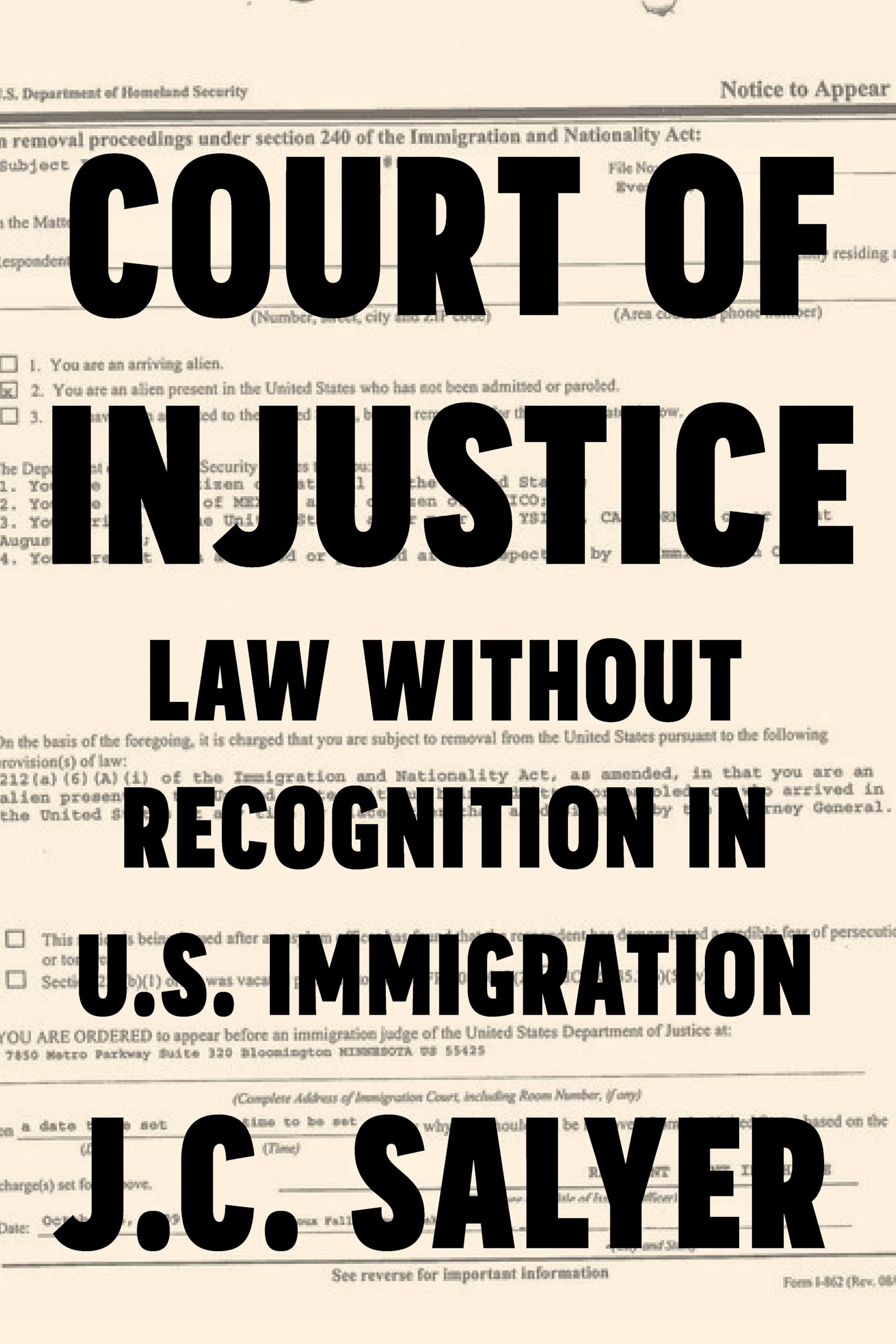
Court of Injustice: Law Without Recognition in U.S. Immigration by J. C. Salyer
Constitutional Law
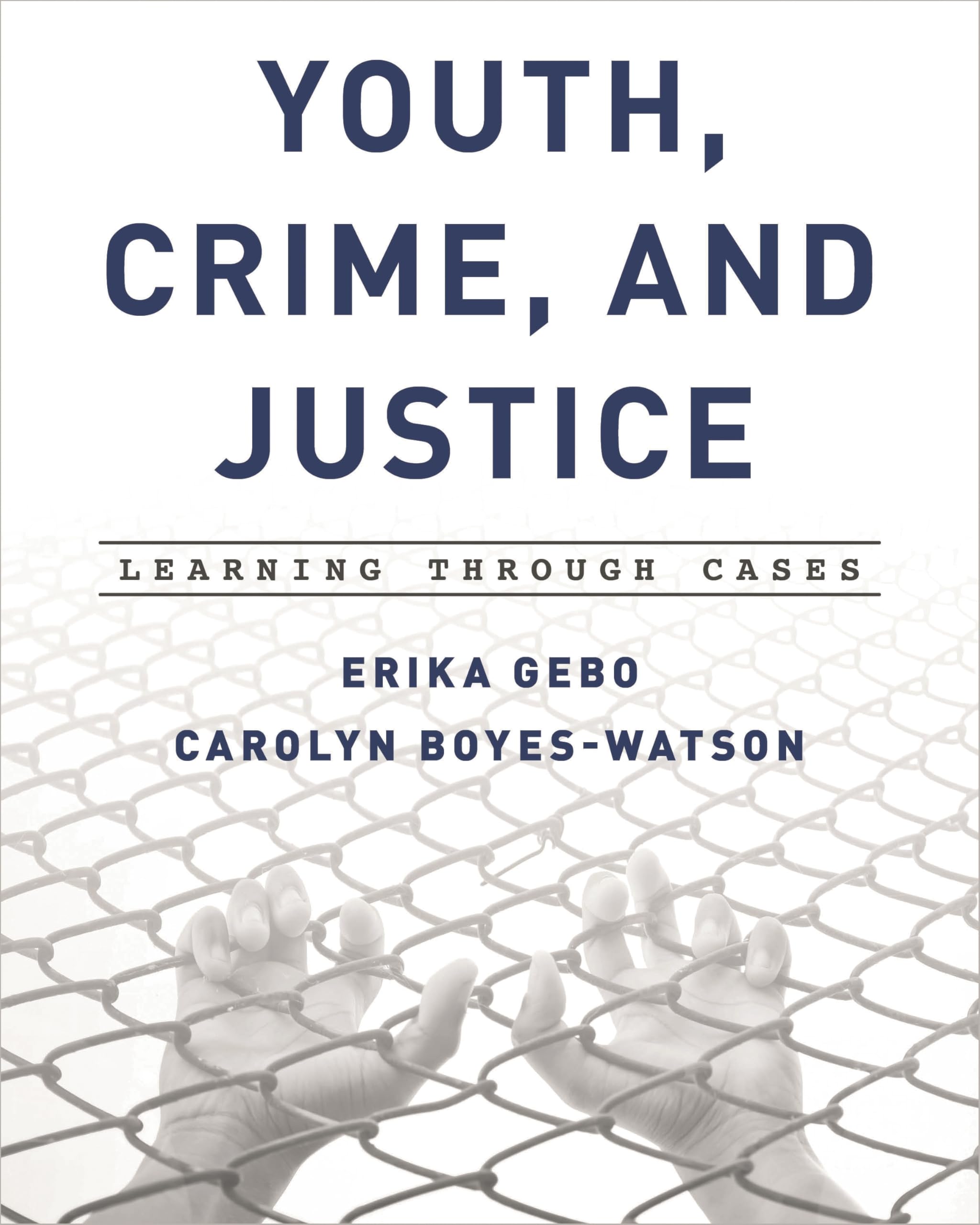
Youth: Learning Through Cases
Related Products
View All
Law
Human Rights Diplomacy | by Rein Mullerson | Routledge | by Rein Mullerson | Routledge | by Rein Mullerson | Routledge | by Rein Mullerson | Routledge | by Rein Mullerson | Routledge | by Rein Mullerson | Routledge | by Rein Mullerson | Routledge | by Rein Mullerson | Routledge | by Rein Mullerson | Routledge | by Rein Mullerson | Routledge | by Rein Mullerson | Routledge | by Rein Mullerson | Routledge | by Rein Mullerson | Routledge | by Rein Mullerson | Routledge | by Rein Mullerson | Routled
Law
Rome the Law-Giver | by Declareuil J. | Routledge | by Declareuil J. | Routledge | by Declareuil J. | Routledge | by Declareuil J. | Routledge | by Declareuil J. | Routledge | by Declareuil J. | Routledge | by Declareuil J. | Routledge | by Declareuil J. | Routledge | by Declareuil J. | Routledge | by Declareuil J. | Routledge | by Declareuil J. | Routledge | by Declareuil J. | Routledge | by Declareuil J. | Routledge | by Declareuil J. | Routledge | by Declareuil J. | Routledge | by Declareuil
Law
Human Rights and Gender Politics | by Anne-Marie Hilsdon | Martha MacIntyre | Vera MacKie | Routledge | by Anne-Marie Hilsdon | Martha MacIntyre | Vera MacKie | Routledge | by Anne-Marie Hilsdon | Martha MacIntyre | Vera MacKie | Routledge | by Anne-Marie Hilsdon | Martha MacIntyre | Vera MacKie | Routledge | by Anne-Marie Hilsdon | Martha MacIntyre | Vera MacKie | Routledge | by Anne-Marie Hilsdon | Martha MacIntyre | Vera MacKie | Routledge | by Anne-Marie Hilsdon | Martha MacIntyre | Vera Mac
Law
Politics of Human Rights in Southeast Asia | by Philip J. Eldridge | Routledge | by Philip J. Eldridge | Routledge | by Philip J. Eldridge | Routledge | by Philip J. Eldridge | Routledge | by Philip J. Eldridge | Routledge | by Philip J. Eldridge | Routledge | by Philip J. Eldridge | Routledge | by Philip J. Eldridge | Routledge | by Philip J. Eldridge | Routledge | by Philip J. Eldridge | Routledge | by Philip J. Eldridge | Routledge | by Philip J. Eldridge | Routledge | by Philip J. Eldridge |
Law
Rerouting the Postcolonial | by Janet Wilson | Cristina Sandru | Sarah Lawson Welsh | Routledge | by Janet Wilson | Cristina Sandru | Sarah Lawson Welsh | Routledge | by Janet Wilson | Cristina Sandru | Sarah Lawson Welsh | Routledge | by Janet Wilson | Cristina Sandru | Sarah Lawson Welsh | Routledge | by Janet Wilson | Cristina Sandru | Sarah Lawson Welsh | Routledge | by Janet Wilson | Cristina Sandru | Sarah Lawson Welsh | Routledge | by Janet Wilson | Cristina Sandru | Sarah Lawson Welsh |
Law