
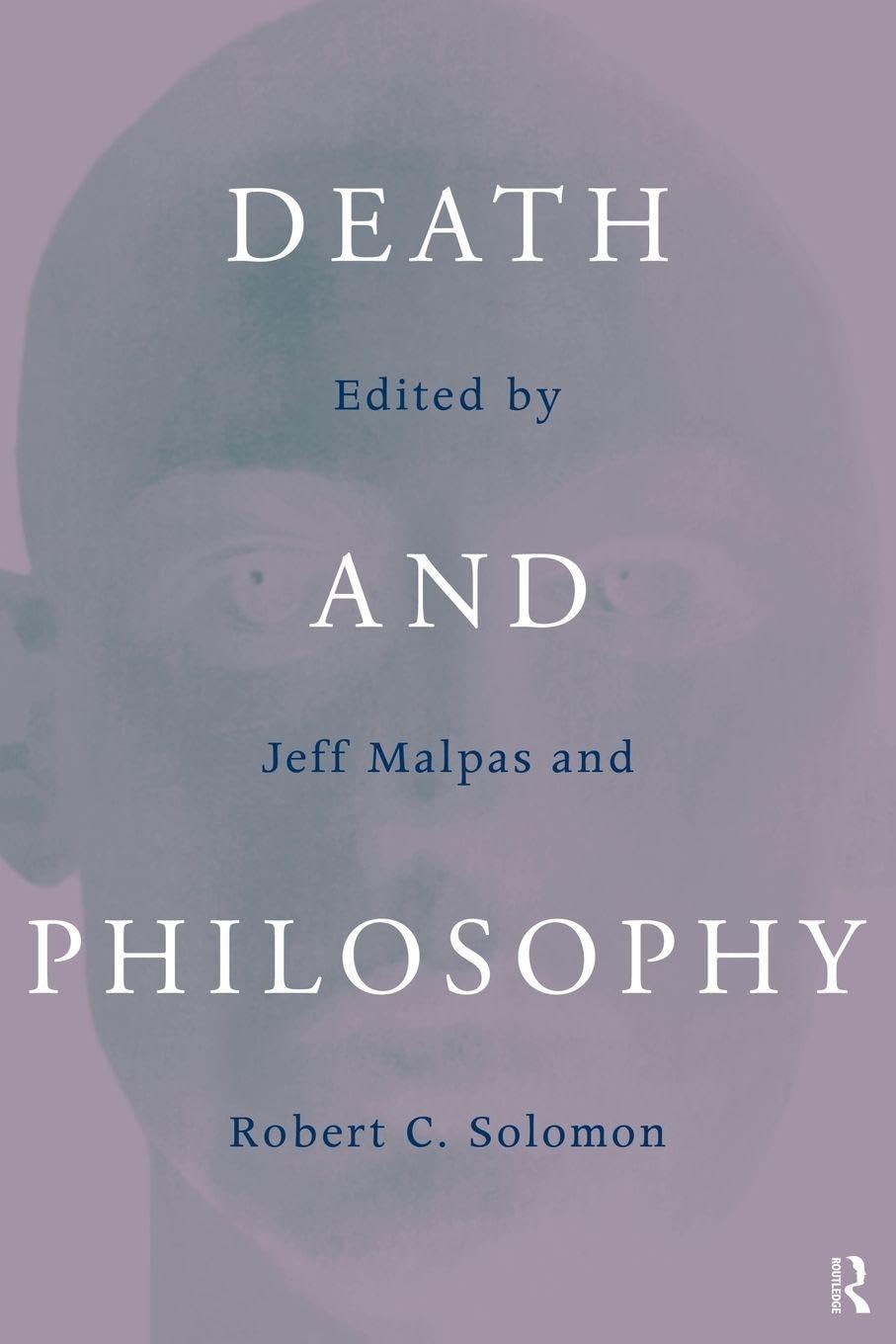
Death and Philosophy: Exploring Mortality Through Existentialist, Analytic, and Eastern Lenses by J. E. Malpas
Inclusive of all applicable taxes. FREE shipping on all orders.
Available Offers
- 🚚Free Delivery — Free shipping on all orders
- 💵Cash on Delivery — Pay when your order arrives
- ↩️15-Day Easy Returns — Hassle-free return policy
- 🔒Cash on Delivery — Pay safely when your order arrives
Check Delivery
Product Description
Introduction
What does it mean to be mortal? How do we confront the inevitable end that awaits every living being? Death and Philosophy by J. E. Malpas is a profound exploration of one of humanity's most enduring questions. Published by Routledge, this hardcover edition offers a rich, multi-perspective inquiry into death—not merely as an event, but as a concept that shapes our ethics, existence, and understanding of life itself. Written with clarity and depth, this book bridges Eastern and Western thought, making it an essential read for Indian students, scholars, and anyone who has ever pondered the meaning of finitude.
Book Overview
This volume brings together diverse philosophical traditions to examine death from existentialist, analytic, and non-Western viewpoints. Drawing on thinkers like Camus, Heidegger, Sartre, Bernard Williams, Thomas Nagel, Lucretius, Epicurus, and Nietzsche, the book also delves into the Tibetan Book of the Dead and Daoist philosophy. It does not offer easy answers but invites readers to engage with death as a fundamental aspect of human existence. The book is structured to be accessible to general readers while retaining academic rigour, making it suitable for philosophy students, theology scholars, and curious minds alike.
Key Highlights
- Multidisciplinary approach: Combines existentialist, analytic, and non-Western perspectives in one cohesive volume.
- Global philosophical traditions: Includes insights from Tibetan Buddhism, Daoism, and ancient Greek thought.
- Engaging with major thinkers: Features analyses of Camus, Heidegger, Sartre, Nietzsche, Epicurus, and more.
- Accessible yet profound: Written for both academic readers and the general public interested in life's ultimate questions.
- Hardcover quality: A durable edition from Routledge, ideal for libraries, classrooms, and personal collections.
Inside the Book
The book is divided into chapters that each tackle a distinct philosophical approach to death. Readers will find detailed discussions on the concept of mortality in existentialist thought, where death is seen as a defining feature of authentic existence. The analytic tradition is represented through rigorous arguments about personal identity and the value of life. Non-Western chapters introduce the Tibetan Book of the Dead's teachings on consciousness after death and Daoist ideas of natural cycles. Each chapter is self-contained, allowing readers to explore specific traditions without losing context.
Key Topics
- Existentialist views on death and authenticity (Camus, Heidegger, Sartre)
- Analytic philosophy of death: Bernard Williams and Thomas Nagel
- Ancient perspectives: Lucretius, Epicurus, and the fear of death
- Nietzsche's eternal recurrence and the affirmation of life
- Tibetan Book of the Dead: death as a transition of consciousness
- Daoist thought: death as part of the natural order
- The ethics of mortality and the meaning of a finite life
Reader Benefits
This book helps readers develop a deeper understanding of their own mortality without inducing fear. It provides intellectual tools to engage with death as a subject of philosophical inquiry, enriching one's perspective on life. Indian readers, in particular, will appreciate the inclusion of Eastern traditions that resonate with local spiritual and philosophical heritage. The book also serves as a bridge between academic philosophy and everyday reflection, making it a valuable addition to any personal library.
Learning Outcomes
- Gain a comprehensive understanding of how different philosophical traditions approach death.
- Learn to critically evaluate existentialist, analytic, and non-Western arguments about mortality.
- Develop the ability to articulate personal reflections on death using philosophical frameworks.
- Appreciate the cultural and historical contexts that shape our views on finitude.
- Enhance analytical thinking skills through engagement with complex philosophical texts.
Who Should Read
This book is ideal for undergraduate and postgraduate students of philosophy, religion, and theology. It is also highly relevant for educators teaching courses on death and dying, existentialism, or comparative philosophy. Beyond academia, anyone who has ever wondered about the purpose of life in the face of death will find this book enlightening. Indian readers with an interest in Buddhist or Daoist thought will discover valuable cross-cultural insights.
About the Author
J. E. Malpas is a distinguished philosopher known for his work on the philosophy of place, mind, and death. He has contributed extensively to contemporary philosophy, particularly in the areas of hermeneutics and existential thought. His writing is marked by clarity and a commitment to making complex ideas accessible without oversimplification. This book reflects his deep engagement with both Western and Eastern traditions, offering readers a balanced and insightful guide to one of philosophy's most challenging topics.
About the Publisher
Routledge is a globally respected academic publisher with a long history of producing high-quality books in philosophy, social sciences, and humanities. Known for rigorous editorial standards, Routledge brings together leading scholars and emerging voices alike. This hardcover edition reflects the publisher's commitment to durable, beautifully produced books that stand the test of time—both in content and craftsmanship.
Conclusion
Death and Philosophy is not a morbid book; it is a celebration of inquiry into the very condition that gives life its urgency and meaning. By exploring death through multiple lenses—existentialist, analytic, Tibetan, Daoist, and ancient—J. E. Malpas offers readers a rare opportunity to reflect deeply on what it means to be human. Whether you are a student, a teacher, or simply a seeker of wisdom, this hardcover edition belongs on your shelf. Order your copy from Bookshops.in today and embark on a journey that will transform how you think about life, death, and everything in between.
Quick Summary
Death and Philosophy by J. E. Malpas is a profound exploration of mortality that bridges Western and Eastern philosophical traditions. The book examines death through existentialist lenses (Camus, Heidegger, Sartre), analytic philosophy (Bernard Williams, Thomas Nagel), and non-Western perspectives such as the Tibetan Book of the Dead and Daoist thought. It also draws on ancient thinkers like Lucretius, Epicurus, and Nietzsche. Written with clarity and depth, this volume is ideal for Indian philosophy students, scholars of religion, and general readers seeking to understand what it means to be mortal. By engaging with diverse cultural and philosophical frameworks, readers will gain a richer appreciation of life's finitude and the questions it raises. Published by Routledge in a durable hardcover edition, Death and Philosophy is a valuable addition to any academic or personal library. Purchase from Bookshops.in for authentic imported copies and prompt service across India.
Book Highlights
Book Specifications
| ISBN-13 | 9780415191449 |
| ISBN-10 | 0415191440 |
| Publisher | Routledge |
| Language | English |
| Dimensions | 15.6 x 1.3 x 23.39 cm |
| Weight | 363 g |
| Category | Philosophy › History & Surveys |
| Genre | Philosophy |
| Original Language | English |
Frequently Asked Questions
What is Death and Philosophy about?
Who is the author of Death and Philosophy?
Which philosophers are discussed in this book?
Does the book cover Eastern philosophies?
Is this book suitable for beginners in philosophy?
What format is this book available in?
Can I use this book for my university course?
Does the book address the meaning of life?
Is there a focus on Indian philosophy?
What is the ISBN?
Is this book only for philosophy experts?
Why buy from Bookshops.in?
Readers Also Search For
Customers Also Bought
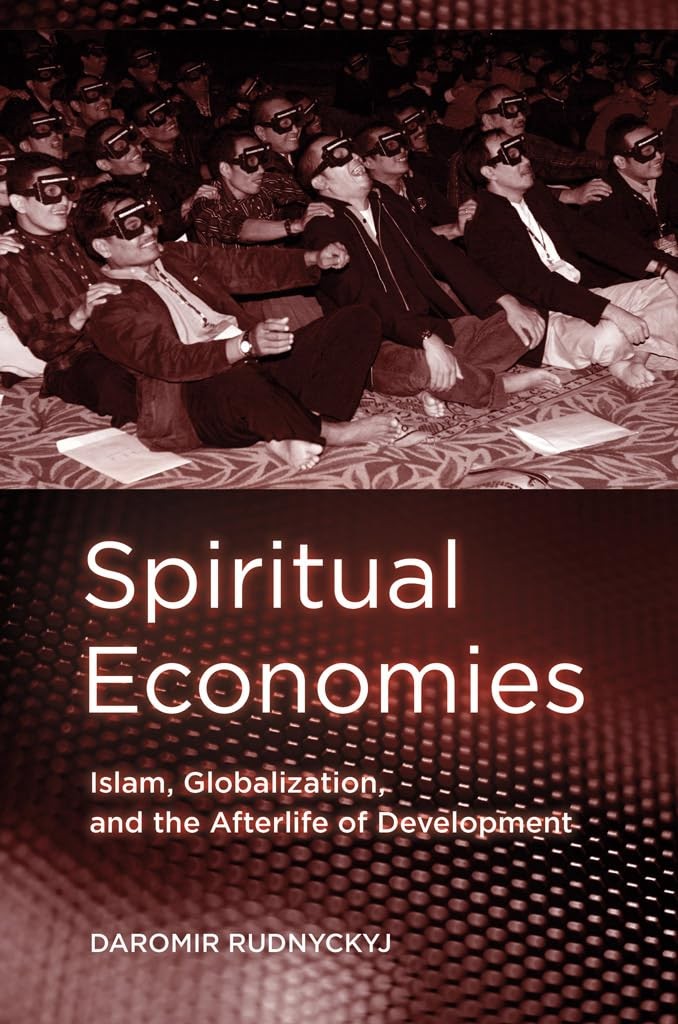
Islam
Spiritual Economies (English, Daromir Rudnyckyj)

Islam
Who Is Allah? (English, Bruce B. Lawrence)
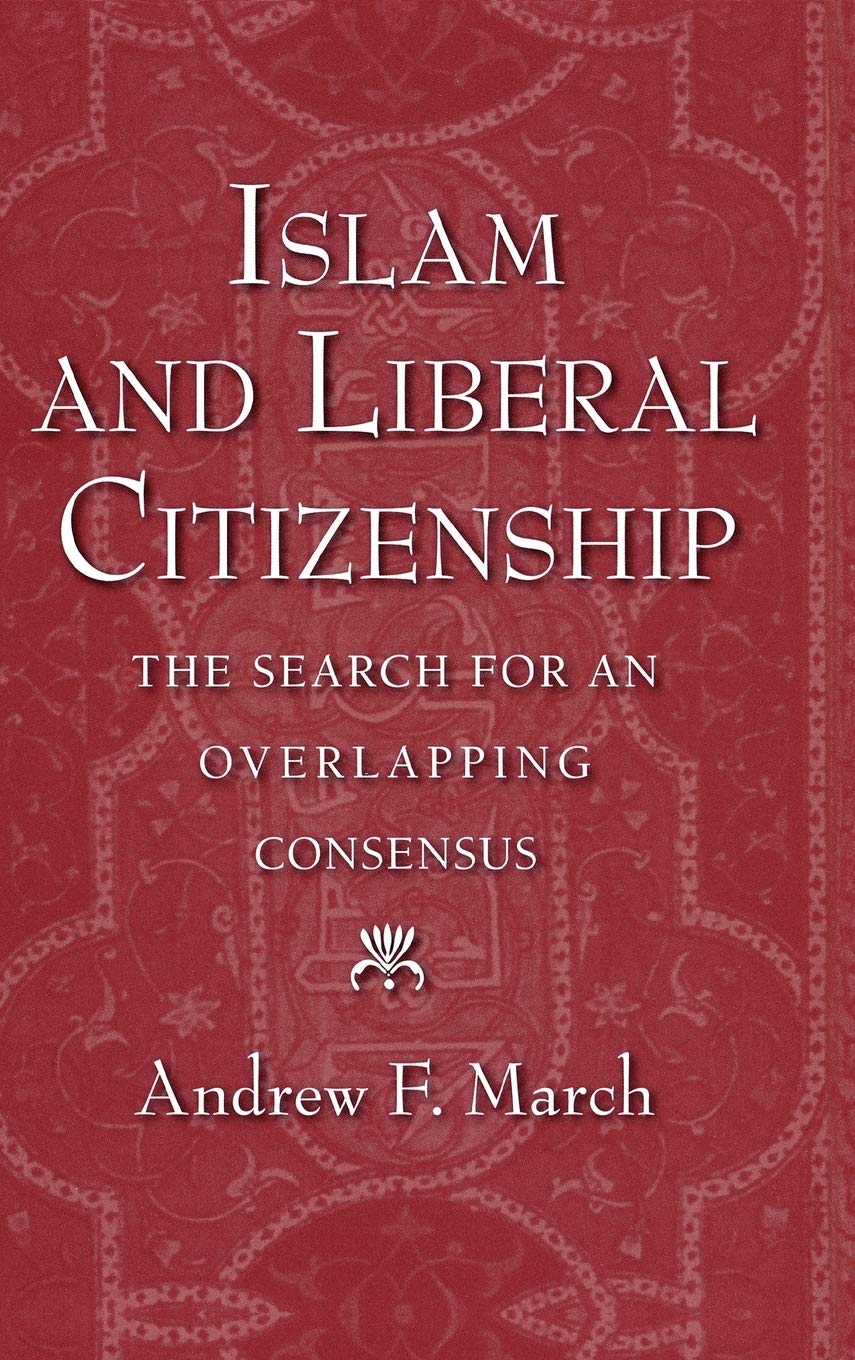
Islam
Islam and Liberal Citizenship: The Search for an Overlapping Consensus by Andrew F. March
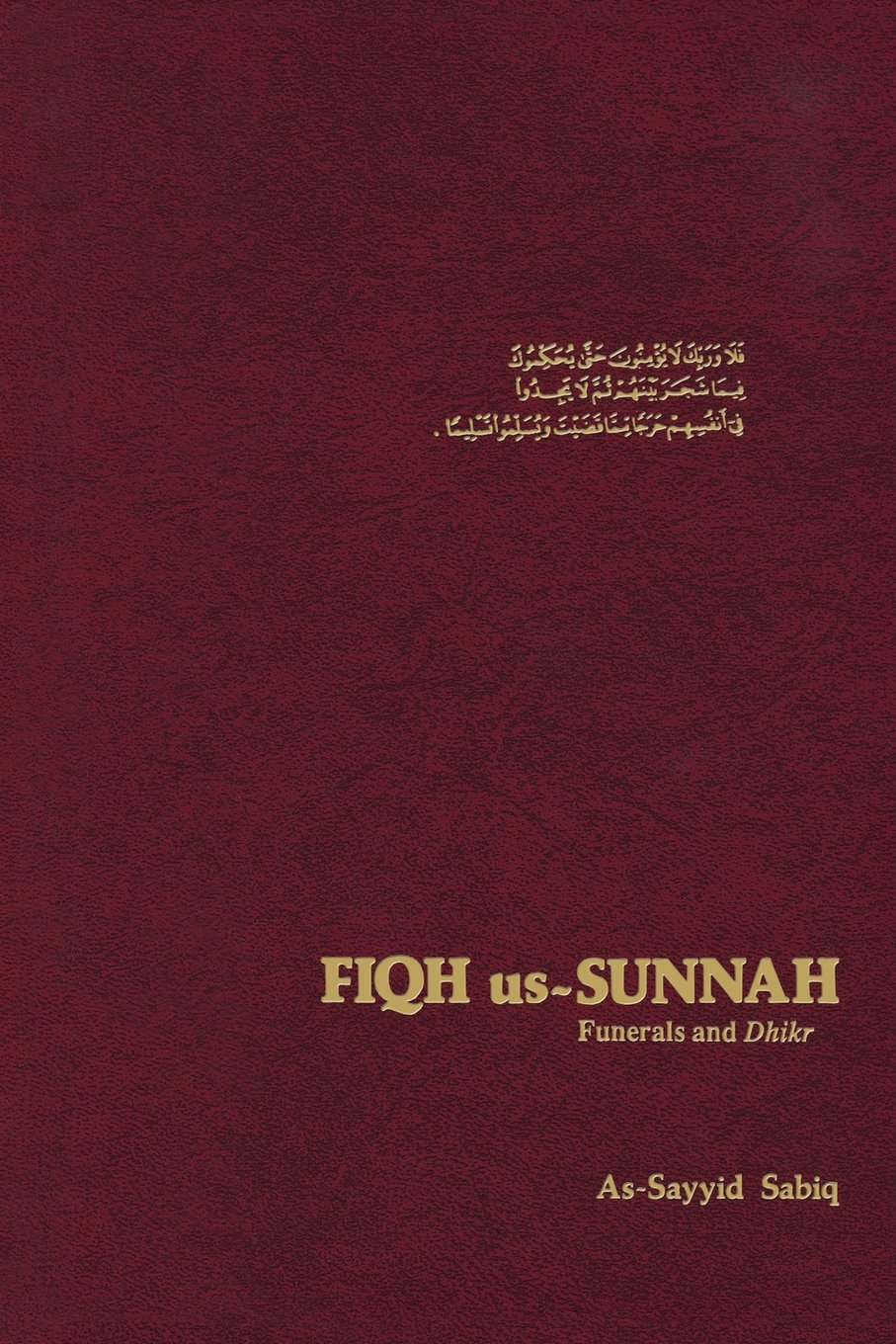
Islam
Fiqh Us-Sunnah: Funerals and Diggers by Al-Sayyid Sabiq – Islamic Funeral Guide

Christianity
Genetics (English, Thomas a. Shannon | Mark P. Aulisio | Françoise Baylis)

Hinduism
Karma and Creativity by Christopher Key Chapple – Indian Philosophy
Related Products
View All
Philosophy
Latin American Philosophy: Currents, Issues, Debates by Eduardo Mendieta

Philosophy
Al-Farabi's Short Commentary on Aristotle's Prior Analytics by Nicholas Rescher – Philosophy
Philosophy
Poetics of Imagining: Modern to Post-modern by Richard Kearney

Philosophy
The Metaphysics of Extrinsic Properties: 11 (Metaphysical Research, 11)
Philosophy
Dialogues on Metaphysics and on Religion by Nicolas Malebranche – Philosophy
Philosophy