
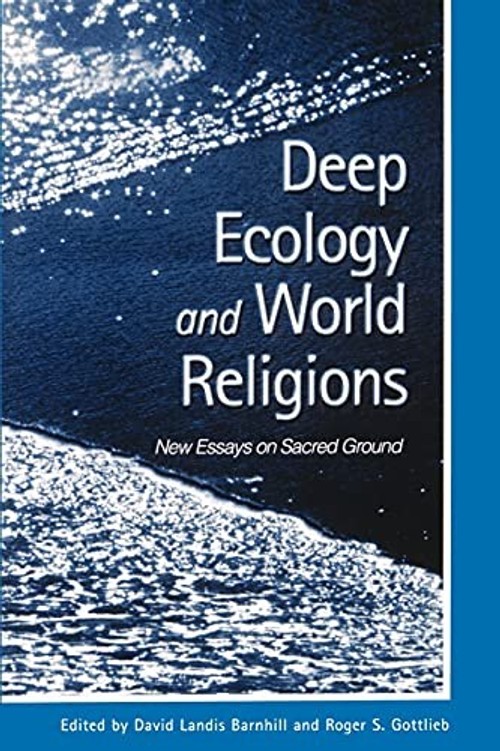
Deep Ecology and World Religions: New Essays on Sacred Ground by David Landis Barnhill – A Scholarly Examination of Envi
Inclusive of all applicable taxes. FREE shipping on all orders.
Available Offers
- 🚚Free Delivery — Free shipping on all orders
- 💵Cash on Delivery — Pay when your order arrives
- ↩️15-Day Easy Returns — Hassle-free return policy
- 🔒Cash on Delivery — Pay safely when your order arrives
Check Delivery
Product Description
Introduction
In an era defined by escalating environmental crises, the need for a profound shift in human consciousness has never been more urgent. Deep Ecology and World Religions: New Essays on Sacred Ground, edited by David Landis Barnhill, offers a compelling exploration of how the ancient wisdom of the world’s spiritual traditions can inform and enrich the contemporary ecological movement. This hardcover volume, published by the State University of New York Press, brings together thirteen original essays that bridge the gap between deep ecology—a philosophy that advocates for the intrinsic value of all living beings—and the diverse religious landscapes of our planet. For Indian readers, students, and scholars, this book is an invaluable resource that resonates deeply with the subcontinent’s own rich tapestry of spiritual and ecological thought.
Book Overview
This landmark collection delves into the critical relationship between traditional world spirituality and the radical environmental perspective of deep ecology. Rather than merely juxtaposing these two domains, the essays engage in a dynamic dialogue, exploring both the parallels and the tensions that exist between religious values and deep ecological principles. The book examines how deep ecologists and followers of various faiths can learn from one another, while also offering constructive critique. The traditions covered are remarkably diverse, including indigenous cultures, Hinduism, Buddhism, Taoism, Confucianism, Judaism, Catholicism, Islam, Protestantism, Christian ecofeminism, and New Age spirituality. Each essay provides a fresh lens through which to understand our place in the natural world, making this a truly global and interdisciplinary work.
Key Highlights
- Interdisciplinary Approach: Seamlessly integrates environmental philosophy, religious studies, and ethics.
- Global Perspective: Covers a wide array of traditions from Eastern and Western spirituality, including indigenous and New Age perspectives.
- Original Essays: Features thirteen newly commissioned essays from leading scholars in their respective fields.
- Critical Dialogue: Encourages mutual learning and respectful critique between deep ecology and religious traditions.
- Relevant to Contemporary Issues: Addresses pressing environmental challenges through a spiritual and philosophical lens.
Inside the Book
The book is structured around a series of thoughtful essays that examine specific religious traditions in relation to deep ecology. For instance, the essays on Hinduism and Buddhism explore concepts like ahimsa (non-violence) and interdependence, which resonate strongly with deep ecological ideas. The chapters on indigenous cultures highlight the sacredness of land and the importance of living in harmony with nature. Meanwhile, the essays on Abrahamic faiths—Judaism, Christianity, and Islam—reinterpret traditional doctrines to foster environmental stewardship. The inclusion of Taoism and Confucianism adds a East Asian dimension, while Christian ecofeminism and New Age spirituality offer modern, transformative perspectives. Each chapter is rigorous yet accessible, making the book suitable for both academic study and personal enrichment.
Key Topics
- Deep ecology and its core principles: biocentric equality, self-realization, and ecological consciousness.
- The concept of sacredness in nature across different faiths.
- Environmental ethics rooted in Hindu, Buddhist, and Jain traditions.
- The Islamic principle of khalifa (stewardship) and its ecological implications.
- Christian ecofeminism and the critique of patriarchal domination over nature.
- Taoist harmony with the Tao and Confucian relational ethics.
- Indigenous worldviews and their holistic understanding of ecosystems.
- The potential for interfaith dialogue in addressing climate change.
Reader Benefits
Readers will gain a nuanced understanding of how spiritual traditions can inspire ecological action. The book challenges the notion that religion is separate from environmental concerns, showing instead that many faiths offer profound insights into living sustainably. By engaging with these essays, you will develop a deeper appreciation for the diversity of human thought on nature, and you will be equipped to think critically about your own worldview. The book also serves as a practical guide for fostering a sense of sacred responsibility toward the Earth, encouraging readers to move beyond anthropocentric attitudes.
Learning Outcomes
- Understand the foundational principles of deep ecology and how they compare with religious teachings.
- Analyze the ways in which Hinduism, Buddhism, and other traditions contribute to ecological thought.
- Critically evaluate the strengths and limitations of both deep ecology and religious perspectives.
- Develop skills in interdisciplinary analysis, bridging philosophy, theology, and environmental science.
- Apply insights from the book to real-world environmental issues and personal lifestyle choices.
Who Should Read
This book is ideal for students and scholars of environmental studies, religious studies, philosophy, and ethics. It is also highly recommended for environmental activists, spiritual seekers, and anyone interested in the intersection of faith and ecology. Indian readers, in particular, will find the chapters on Hinduism, Buddhism, and indigenous cultures especially relevant, as these traditions are deeply embedded in the subcontinent’s cultural fabric. The book is suitable for undergraduate and postgraduate courses, as well as for book clubs focused on environmental spirituality.
About the Author
David Landis Barnhill is a distinguished scholar in the field of environmental studies and religious thought. He has edited and authored several works on the relationship between spirituality and ecology, with a particular focus on Asian traditions. Barnhill’s academic background includes a deep engagement with Buddhism, Taoism, and the philosophy of nature. His editorial vision for this volume brings together a diverse group of experts, ensuring a rich and balanced exploration of the subject.
About the Publisher
State University of New York Press (SUNY Press) is a leading academic publisher known for its rigorous scholarship in the humanities and social sciences. With a commitment to publishing works that advance knowledge and foster critical dialogue, SUNY Press has produced numerous influential titles in environmental philosophy, religious studies, and cultural theory. This hardcover edition reflects the publisher’s dedication to quality production and lasting value.
Conclusion
Deep Ecology and World Religions: New Essays on Sacred Ground is an essential addition to the library of anyone concerned about the future of our planet. By weaving together the threads of ancient wisdom and contemporary ecological thought, this book offers a path toward a more harmonious relationship with the Earth. It is a call to recognize the sacredness of all life and to act from a place of deep respect and responsibility. For Indian readers, this volume is particularly meaningful, as it echoes the timeless teachings of the land itself—reminding us that the Earth is not just a resource, but a living, sacred presence. Order your copy today from Bookshops.in and embark on a transformative intellectual journey.
Quick Summary
Deep Ecology and World Religions: New Essays on Sacred Ground, edited by David Landis Barnhill, is a groundbreaking collection of thirteen scholarly essays that examine the vital relationship between traditional world spirituality and the contemporary environmental perspective of deep ecology. The book explores how deep ecologists and various religious traditions—including indigenous cultures, Hinduism, Buddhism, Taoism, Confucianism, Judaism, Catholicism, Islam, Protestantism, Christian ecofeminism, and New Age spirituality—can both learn from and critique one another. This work is ideal for Indian students, researchers, and general readers interested in environmental ethics, comparative religion, and eco-spirituality. Readers will gain a nuanced understanding of how ancient wisdom and modern ecological thought can inform each other, offering a holistic approach to environmental stewardship. By purchasing from Bookshops.in, you support a trusted Indian bookstore that delivers authentic physical copies, ensuring a lasting reference for your library.
Book Highlights
Book Specifications
| ISBN-13 | 9780791448847 |
| ISBN-10 | 0791448843 |
| Publisher | State Univ of New York Pr |
| Language | English |
| Dimensions | 15.24 x 1.78 x 22.86 cm |
| Weight | 408 g |
| Category | Philosophy › Ethics |
| Genre | Nonfiction |
| Reading Age | Adult |
| Original Language | English |
Frequently Asked Questions
What is Deep Ecology and World Religions about?
Who edited Deep Ecology and World Religions?
Which religions are covered in this book?
Is this book suitable for Indian readers?
What is deep ecology?
How many essays are in this book?
What is the ISBN of this book?
Is this book available in hardcover?
What is the price of this book?
What is the language of the book?
Can this book be used for academic courses?
Does the book include Christian ecofeminism?
Why buy from Bookshops.in?
Readers Also Search For
Customers Also Bought
Islam
Spiritual Economies (English, Daromir Rudnyckyj)

Islam
Who Is Allah? (English, Bruce B. Lawrence)
Islam
Islam and Liberal Citizenship: The Search for an Overlapping Consensus by Andrew F. March
Islam
Fiqh Us-Sunnah: Funerals and Diggers by Al-Sayyid Sabiq – Islamic Funeral Guide

Christianity
Genetics (English, Thomas a. Shannon | Mark P. Aulisio | Françoise Baylis)

Hinduism
Karma and Creativity by Christopher Key Chapple – Indian Philosophy
Related Products
View All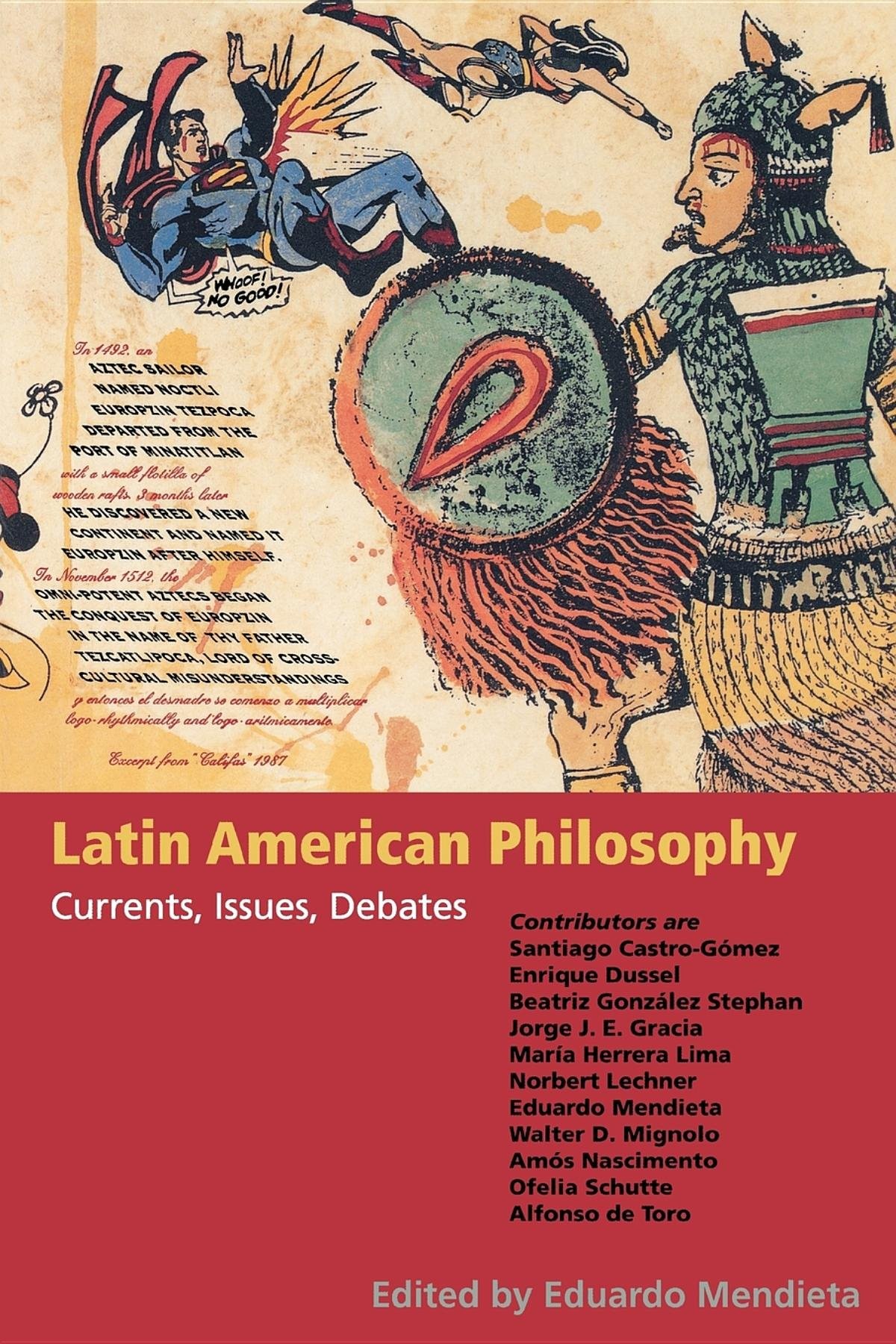
Philosophy
Latin American Philosophy: Currents, Issues, Debates by Eduardo Mendieta

Philosophy
Al-Farabi's Short Commentary on Aristotle's Prior Analytics by Nicholas Rescher – Philosophy
Philosophy
Poetics of Imagining: Modern to Post-modern by Richard Kearney
Philosophy
The Metaphysics of Extrinsic Properties: 11 (Metaphysical Research, 11)
Philosophy
Dialogues on Metaphysics and on Religion by Nicolas Malebranche – Philosophy
Philosophy