
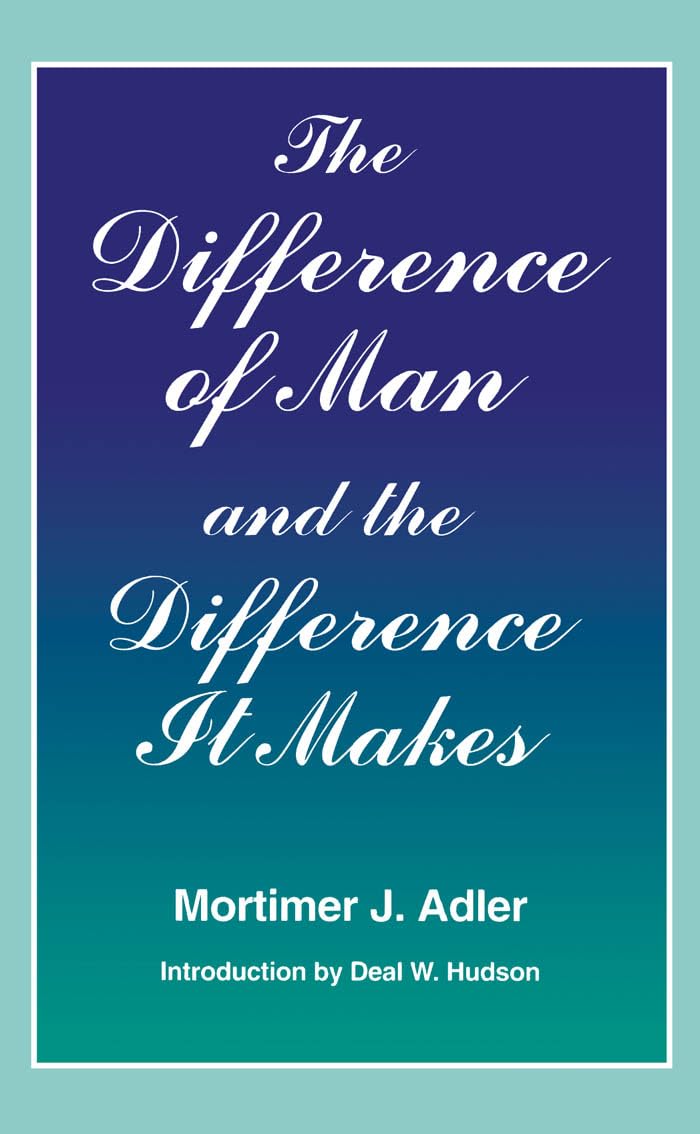
The Difference of Man and the Difference It Makes by Mortimer J. Adler – A Classic Study of Human Nature, Science, and P
Inclusive of all applicable taxes. FREE shipping on all orders.
Available Offers
- 🚚Free Delivery — Free shipping on all orders
- 💵Cash on Delivery — Pay when your order arrives
- ↩️15-Day Easy Returns — Hassle-free return policy
- 🔒Cash on Delivery — Pay safely when your order arrives
Check Delivery
Product Description
Introduction
What truly sets human beings apart from every other entity in the cosmos? Is it our capacity for reason, our moral sense, or something deeper? In The Difference of Man and the Difference It Makes, the legendary philosopher Mortimer J. Adler tackles one of the most profound questions ever asked. This hardcover edition, published by Fordham University Press, offers Indian readers a timeless philosophical inquiry into human uniqueness, bridging the gap between ancient wisdom and modern science. Whether you are a student of philosophy, a curious thinker, or a seeker of meaning, this book challenges you to rethink what it means to be human in a rapidly changing world.
Book Overview
First published as part of Adler’s monumental Great Books project, this work remains a cornerstone of Western philosophical anthropology. Adler systematically examines the biological, psychological, and metaphysical dimensions that distinguish humans from animals, plants, and machines. He engages with scientific discoveries from evolutionary biology and physics, yet never loses sight of the philosophical questions that give life its depth. The book is not merely an academic exercise—it is a passionate exploration of human dignity, freedom, and purpose. Adler argues that understanding our unique nature is essential for answering ethical dilemmas, political conflicts, and the search for a meaningful existence. For Indian readers, this perspective offers a rich dialogue with traditions like Vedanta and Buddhism, which also grapple with the essence of self and consciousness.
Key Highlights
- Timeless Philosophical Inquiry: A rigorous yet accessible examination of human nature by one of the 20th century’s greatest thinkers.
- Interdisciplinary Approach: Blends philosophy with biology, psychology, and physics to create a holistic understanding.
- Relevance to Modern India: Addresses clashes of culture, technology’s impact on values, and the quest for identity in a globalized world.
- Authoritative Scholarship: Mortimer J. Adler, co-editor of the Encyclopaedia Britannica and the Great Books series, brings decades of wisdom.
- Hardcover Quality: A durable edition perfect for libraries, students, and lifelong learners.
Inside the Book
The book unfolds in three major parts. First, Adler defines the problem of human difference by reviewing historical and contemporary theories—from Aristotle to Darwin. He then scrutinizes empirical evidence about human language, tool use, self-awareness, and moral judgment. Finally, he draws profound conclusions about the implications of these differences for ethics, law, education, and religion. Each chapter builds on the last, using clear arguments and thought experiments. Readers will encounter discussions on the nature of the soul, the limits of artificial intelligence, and the relationship between mind and brain. Adler’s prose is both elegant and precise, making complex ideas accessible without oversimplification. This is a book that rewards slow, reflective reading—ideal for Indian students preparing for competitive exams or anyone seeking intellectual enrichment.
Key Topics
- The concept of man in Western philosophy vs. Eastern thought
- Biological and behavioral characteristics unique to humans
- The impact of industrialization and technology on human values
- Clash of cultures in a globally connected world
- Scientific achievements in biology and physics and their philosophical implications
- The struggle to define humanity’s place in nature
- Ethical and spiritual dimensions of human uniqueness
Reader Benefits
- Sharpen Critical Thinking: Learn to evaluate arguments about human nature with logical rigor.
- Broaden Worldview: Gain a comparative perspective that enriches your understanding of Indian and Western philosophies.
- Enhance Academic Performance: Ideal for philosophy, sociology, psychology, and humanities students seeking deep insights.
- Personal Growth: Reflect on your own life’s purpose and moral choices through Adler’s lens.
- Conversation Starter: Equip yourself with ideas that spark meaningful discussions with friends, teachers, and peers.
Learning Outcomes
By the end of this book, readers will be able to: articulate the key philosophical arguments for human uniqueness; critically evaluate scientific claims about human nature; understand the historical development of the concept of “man”; apply these insights to contemporary issues like AI ethics, environmental ethics, and cultural identity; and engage in informed debates about the value of human life in a materialistic age. These outcomes are especially valuable for Indian students appearing for UPSC, NET, or university exams where philosophical and ethical reasoning is tested.
Who Should Read
- Students of Philosophy and Humanities: Essential reading for undergraduate and postgraduate courses in Western philosophy.
- Psychology and Sociology Enthusiasts: Understand the foundations of human behavior and social structures.
- Teachers and Academics: A reliable source for lectures and research on philosophical anthropology.
- General Readers with a Curious Mind: Anyone interested in the big questions of existence, identity, and meaning.
- Book Club Members: A thought-provoking choice for group discussions on ethics and human nature.
About the Author
Mortimer J. Adler (1902–2001) was an American philosopher, educator, and author. He served as the director of the Institute for Philosophical Research and was the driving force behind the Great Books of the Western World series. Adler’s works, including How to Read a Book and The Syntopicon, have influenced millions of readers worldwide. He believed that philosophy should be accessible to everyone, not just academics. His legacy continues through the Great Books Foundation and his many writings on truth, justice, and human nature. Adler’s clarity of thought and passion for learning make him a beloved figure among Indian students and intellectuals alike.
About the Publisher
Fordham University Press, based in New York, is a prestigious academic publisher known for its contributions to philosophy, theology, and the humanities. With a history dating back to 1907, the press upholds the highest standards of scholarship and editorial excellence. This hardcover edition of The Difference of Man and the Difference It Makes reflects Fordham’s commitment to preserving and disseminating transformative ideas. Indian readers can trust the quality and authenticity of this edition for serious study and lifelong reference.
Conclusion
In an age of artificial intelligence, genetic engineering, and cultural upheaval, understanding what makes us human has never been more urgent. The Difference of Man and the Difference It Makes is not just a book—it is a compass for navigating the moral and intellectual challenges of our time. Mortimer J. Adler’s masterful synthesis of philosophy and science offers Indian readers a rare opportunity to engage with timeless wisdom while reflecting on their own place in the universe. Add this hardcover edition to your library today and join the conversation that has shaped human thought for centuries. Available now at Bookshops.in, your trusted destination for premium books in India.
Quick Summary
The Difference of Man and the Difference It Makes by Mortimer J. Adler is a landmark philosophical work that investigates what truly sets humans apart from all other entities in the universe. Adler masterfully combines rigorous philosophical reasoning with informed scientific hypotheses from biology and physics to explore the nature of human consciousness, free will, and moral responsibility. The book also examines how rapid industrialization, technological progress, and increased intercultural communication challenge and reshape human value systems. This edition, published by Fordham University Press, is ideal for Indian students and scholars of philosophy, anthropology, and ethics who seek a deep, nuanced understanding of human uniqueness. Readers will learn to critically evaluate both scientific and philosophical arguments about human nature, and appreciate the enduring relevance of classical thought in modern debates. By purchasing from Bookshops.in, you receive a premium hardcover copy with fast delivery across India, perfect for academic study or personal enrichment.
Book Highlights
Book Specifications
| ISBN-13 | 9780823215348 |
| ISBN-10 | 0823215342 |
| Publisher | Fordham University Press |
| Language | English |
| Dimensions | 14.61 x 3.18 x 22.23 cm |
| Weight | 680 g |
| Country | India |
| Category | Philosophy › Ethics |
| Genre | Philosophy |
| Original Language | English |
Frequently Asked Questions
What is The Difference of Man and the Difference It Makes about?
Who is the author of this book?
Is this book suitable for undergraduate students?
Does the book address modern scientific discoveries?
What philosophical traditions does Adler draw on?
How is this book relevant to Indian readers?
Can I use this book for academic research?
Does the book discuss free will?
Is this book part of a series?
What is the price of this book?
Where can I buy this book in India?
Does the book include references or bibliography?
Readers Also Search For
Customers Also Bought

Islam
Spiritual Economies (English, Daromir Rudnyckyj)

Islam
Who Is Allah? (English, Bruce B. Lawrence)
Islam
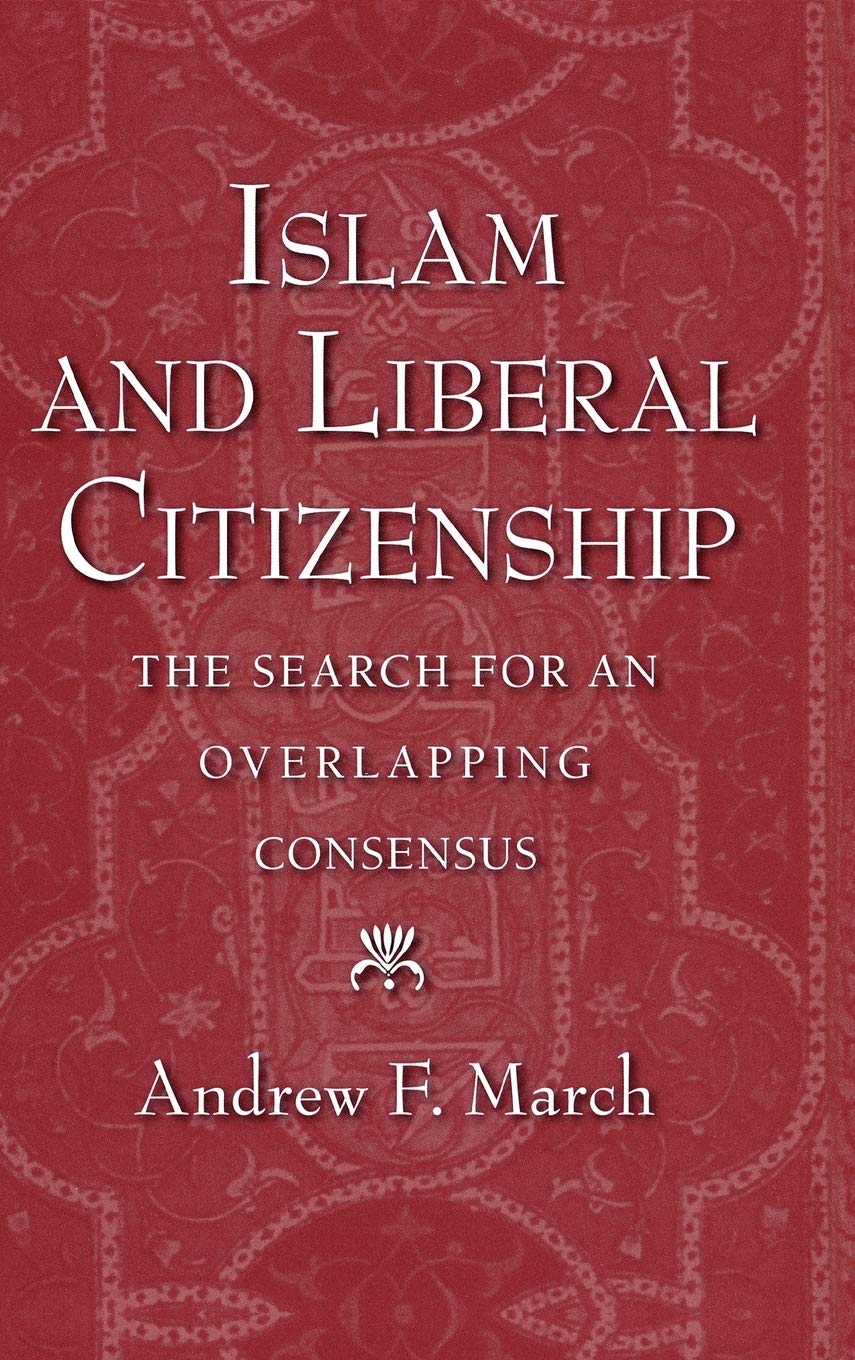
Islam and Liberal Citizenship: The Search for an Overlapping Consensus by Andrew F. March

Islam
Fiqh Us-Sunnah: Funerals and Diggers by Al-Sayyid Sabiq – Islamic Funeral Guide

Christianity
Genetics (English, Thomas a. Shannon | Mark P. Aulisio | Françoise Baylis)

Hinduism
Karma and Creativity by Christopher Key Chapple – Indian Philosophy
Related Products
View All
Philosophy
Latin American Philosophy: Currents, Issues, Debates by Eduardo Mendieta

Philosophy
Al-Farabi's Short Commentary on Aristotle's Prior Analytics by Nicholas Rescher – Philosophy
Philosophy
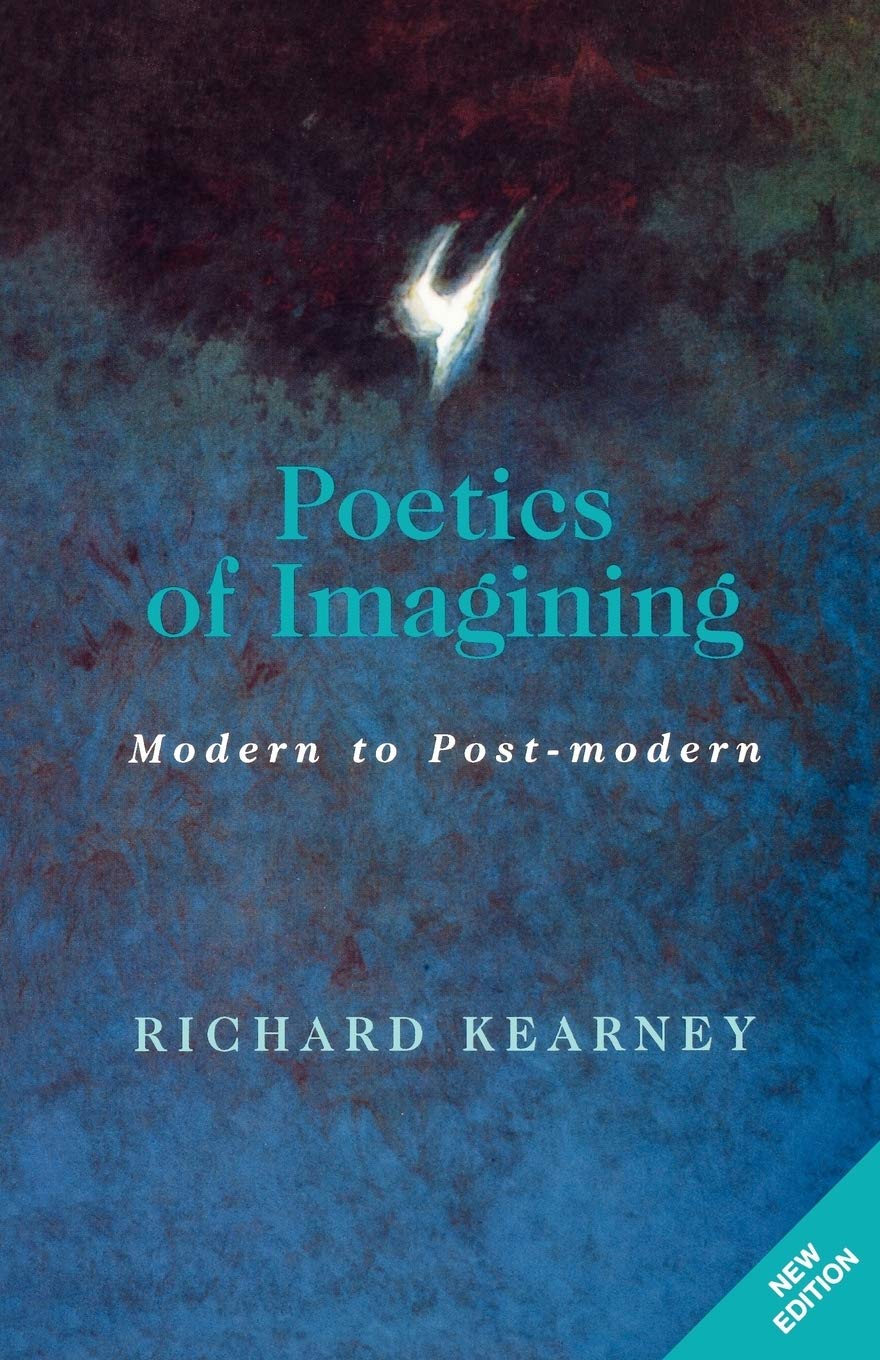
Poetics of Imagining: Modern to Post-modern by Richard Kearney

Philosophy
The Metaphysics of Extrinsic Properties: 11 (Metaphysical Research, 11)
Philosophy
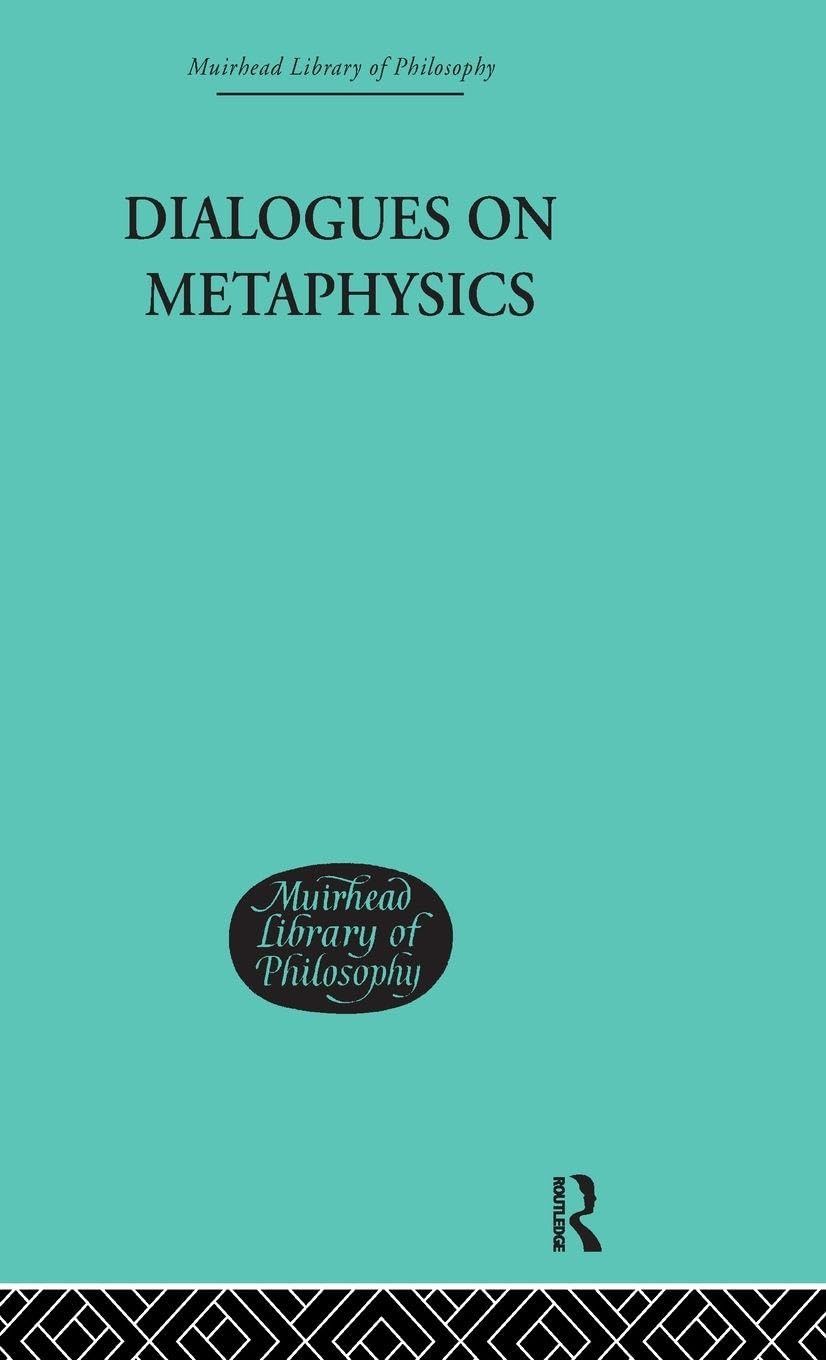
Dialogues on Metaphysics and on Religion by Nicolas Malebranche – Philosophy
Philosophy