
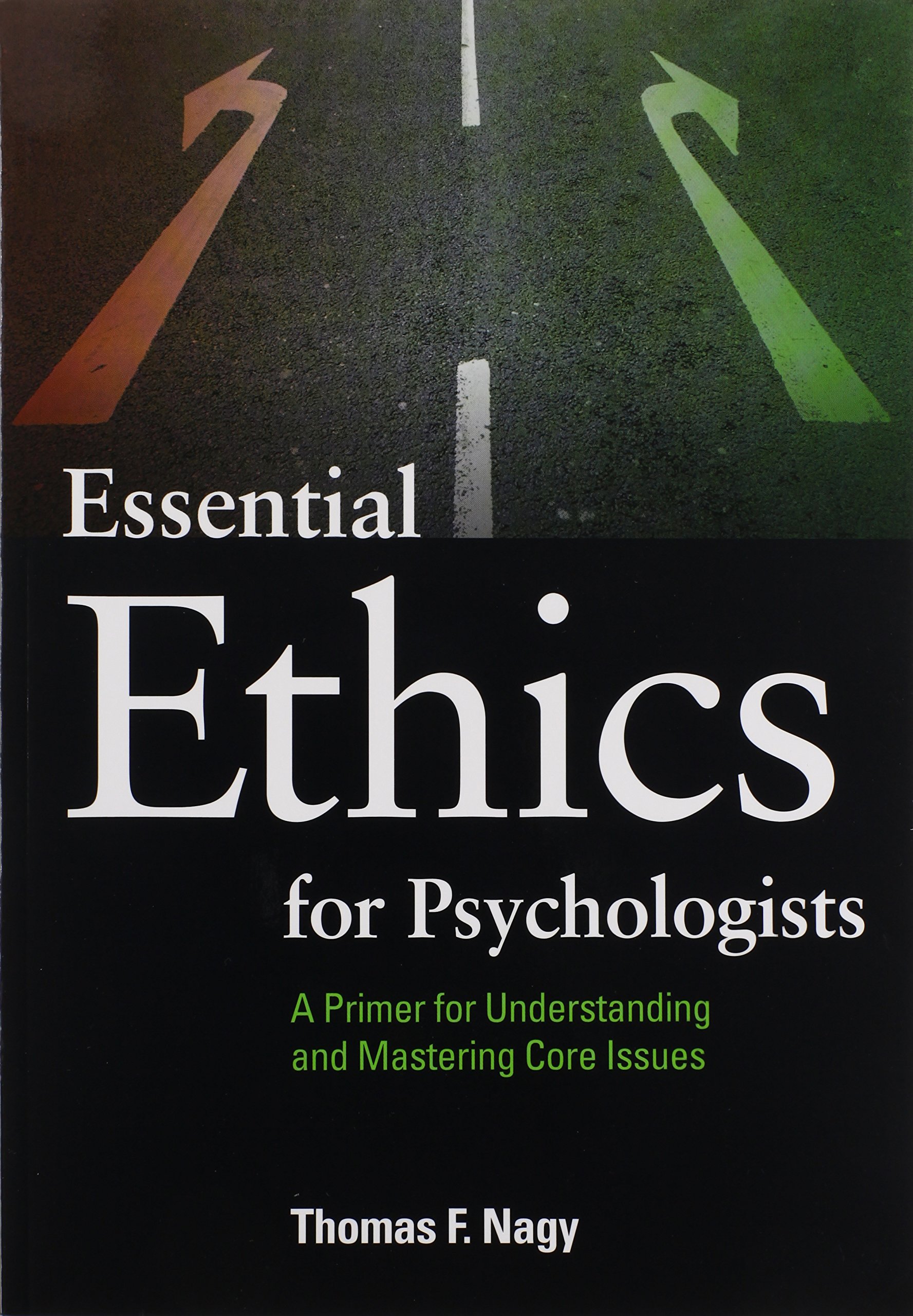
Essential Ethics for Psychologists: A Primer for Understanding and Mastering Core Issues
Inclusive of all applicable taxes. FREE shipping on all orders.
Available Offers
- 🚚Free Delivery — Free shipping on all orders
- 💵Cash on Delivery — Pay when your order arrives
- ↩️15-Day Easy Returns — Hassle-free return policy
- 🔒Cash on Delivery — Pay safely when your order arrives
Check Delivery
Product Description
Introduction
For psychology students and early-career professionals in India, navigating the ethical landscape of clinical practice, research, and teaching can be both daunting and essential. The American Psychological Association (APA) Ethics Code is a comprehensive document, but understanding its spirit—not just its letter—requires a deeper, more conceptual approach. Essential Ethics for Psychologists: A Primer for Understanding and Mastering Core Issues by Dr. Nagy Thomas F. is a transformative guide that moves beyond rote memorisation of standards. It helps readers internalise the core ethical principles that underpin every decision a psychologist makes, from the consulting room to the classroom. This hardbound edition from APA is an indispensable resource for Indian students and professionals seeking to build a robust ethical foundation in a culturally sensitive manner.
Book Overview
This primer is designed to acculturate readers into ethical practice by enhancing critical thinking skills. Instead of explaining each of the 80-plus standards of the APA Ethics Code line by line, the book examines the code's underlying principles. It begins with a brief history and an overview of general ethical concepts, then dives deep into four fundamental pillars: competence, informed consent, privacy and confidentiality, and avoiding harm and exploitation. Finally, it demonstrates how these key concepts apply to specific professional roles, including assessment, treatment, research and publication, and teaching and supervision. The result is a cohesive, principle-driven understanding that empowers psychologists to handle ethical dilemmas with confidence and integrity.
Key Highlights
- Concept-Focused Approach: Moves beyond listing standards to explore the ethical reasoning behind them, making the code more accessible and memorable.
- Real-World Application: Each section connects ethical principles to practical scenarios in clinical, academic, and research settings, relevant to Indian psychology contexts.
- Critical Thinking Emphasis: Encourages readers to analyse ethical issues from multiple perspectives, fostering independent judgment rather than simple rule-following.
- Comprehensive Coverage: Addresses all major roles of a psychologist—practitioner, researcher, educator, and supervisor—in one cohesive volume.
Inside the Book
The book is structured in three clear parts. Part I introduces the APA Ethics Code, its history, and foundational concepts such as ethical decision-making models. Part II examines the four core ethical concepts in depth, dedicating entire chapters to competence, informed consent, privacy and confidentiality, and avoiding harm and exploitation. Each chapter includes illustrative vignettes that bring the principles to life. Part III applies these concepts to specific professional functions, including psychological assessment, therapeutic interventions, research with human participants, publication ethics, and teaching and supervision. The appendixes provide quick-reference resources, including a glossary of ethical terms and a guide to ethical problem-solving.
Key Topics
- Historical evolution of the APA Ethics Code
- Ethical decision-making models and frameworks
- Competence: boundaries, continuing education, and cultural awareness
- Informed consent: process, documentation, and special populations
- Privacy and confidentiality: limits, exceptions, and digital considerations
- Avoiding harm and exploitation in therapy and research
- Ethical issues in psychological assessment and testing
- Ethics in treatment, including multicultural and online therapy
- Research ethics: IRBs, deception, and data integrity
- Publication ethics: authorship, plagiarism, and peer review
- Ethical responsibilities in teaching and supervision
Reader Benefits
By reading this book, you will develop a deep, intuitive understanding of why ethical standards exist, not just what they say. You will learn to identify ethical issues before they become problems, apply principles to novel situations, and communicate ethical reasoning clearly to clients, colleagues, and regulatory bodies. The book’s emphasis on critical thinking prepares you for the messy, real-world dilemmas that standard checklists cannot address. For Indian readers, the principles—such as informed consent and confidentiality—are universally applicable, yet the book’s conceptual focus allows you to adapt them to local cultural norms and legal frameworks.
Learning Outcomes
- Articulate the historical and philosophical foundations of the APA Ethics Code
- Apply ethical decision-making models to complex professional scenarios
- Demonstrate competence in obtaining informed consent from diverse populations
- Implement strategies to protect client privacy and confidentiality within legal limits
- Recognise and mitigate risks of harm and exploitation in all professional roles
- Integrate ethical principles into assessment, therapy, research, teaching, and supervision
- Evaluate ethical dilemmas using a principle-based framework rather than a rule-based checklist
Who Should Read
This book is essential for undergraduate and postgraduate psychology students in India who are preparing for clinical or research careers. It is equally valuable for early-career psychologists, counsellors, and psychotherapists seeking to strengthen their ethical reasoning. Faculty members teaching ethics courses will find it an excellent primary or supplementary text. Researchers, especially those working with human participants, will benefit from the clear guidance on informed consent, confidentiality, and avoiding harm. Finally, supervisors and trainers in psychology programmes can use this primer to foster ethical awareness in their trainees.
About the Author
Dr. Nagy Thomas F. is a respected clinical psychologist and ethics educator with decades of experience in teaching, practice, and supervision. He has served on ethics committees and contributed to the development of ethical guidelines within the American Psychological Association. Dr. Nagy’s writing is known for its clarity, practicality, and deep respect for the complexities of ethical decision-making. His work has helped countless psychology students and professionals move from confusion to confidence when facing ethical challenges.
About the Publisher
The American Psychological Association (APA) is the leading scientific and professional organisation representing psychology in the United States. With a publishing programme that spans books, journals, and databases, APA is renowned for setting the gold standard in psychological literature. This hardbound edition is produced to the highest quality, ensuring durability for years of reference and study. APA’s commitment to advancing the discipline and promoting ethical practice makes this book a trusted resource worldwide, including in India’s growing psychology community.
Conclusion
Essential Ethics for Psychologists is more than a textbook—it is a mentor in print. By focusing on the core principles that guide ethical behaviour, it equips you with the tools to think critically, act responsibly, and grow professionally. For Indian students and psychologists navigating the evolving landscape of mental health care, research, and education, this primer offers a solid, principle-based foundation that will serve you throughout your career. Order your copy from Bookshops.in today and take the first step toward mastering ethical practice in psychology.
Quick Summary
Essential Ethics for Psychologists: A Primer for Understanding and Mastering Core Issues by Thomas F. Nagy, PhD, is a vital resource for anyone entering or practicing in the field of psychology. Rather than simply listing the 80+ standards of the APA Ethics Code, this book takes a deeper approach by exploring the underlying ethical principles—competence, informed consent, privacy, and confidentiality—that form the foundation of ethical practice. It is designed to acculturate readers into the ethical mindset of a psychologist, enhancing critical thinking and decision-making skills. The book begins with a brief history and overview of the code, then delves into each core concept with clarity and real-world relevance. This primer is ideal for Indian psychology students, early-career professionals, and educators who want to move beyond rote memorization to truly understand and apply ethics in clinical, counseling, research, and academic settings. By choosing Bookshops.in, you receive an authentic hardcover copy delivered across India, backed by a trusted bookstore dedicated to academic and professional excellence.
Book Highlights
Book Specifications
| ISBN-13 | 9781433808630 |
| ISBN-10 | 1433808633 |
| Publisher | Amer Psychological Assn |
| Language | English |
| Dimensions | 17.78 x 1.27 x 25.4 cm |
| Weight | 476 g |
| Category | Philosophy › Ethics |
| Genre | Non-fiction |
| Original Language | English |
Frequently Asked Questions
Who is the author of Essential Ethics for Psychologists?
What is the main focus of this book?
Is this book suitable for Indian psychology students?
Does this book cover the entire APA Ethics Code?
What topics are covered in depth?
Is this book a textbook or a reference guide?
What is the ISBN-13?
Is this book available in hardcover?
What is the language of the book?
Can this book help with licensing exams?
Does the book include case studies?
Why should I buy from Bookshops.in?
Readers Also Search For
Customers Also Bought

Islam
Spiritual Economies (English, Daromir Rudnyckyj)

Islam
Who Is Allah? (English, Bruce B. Lawrence)
Islam
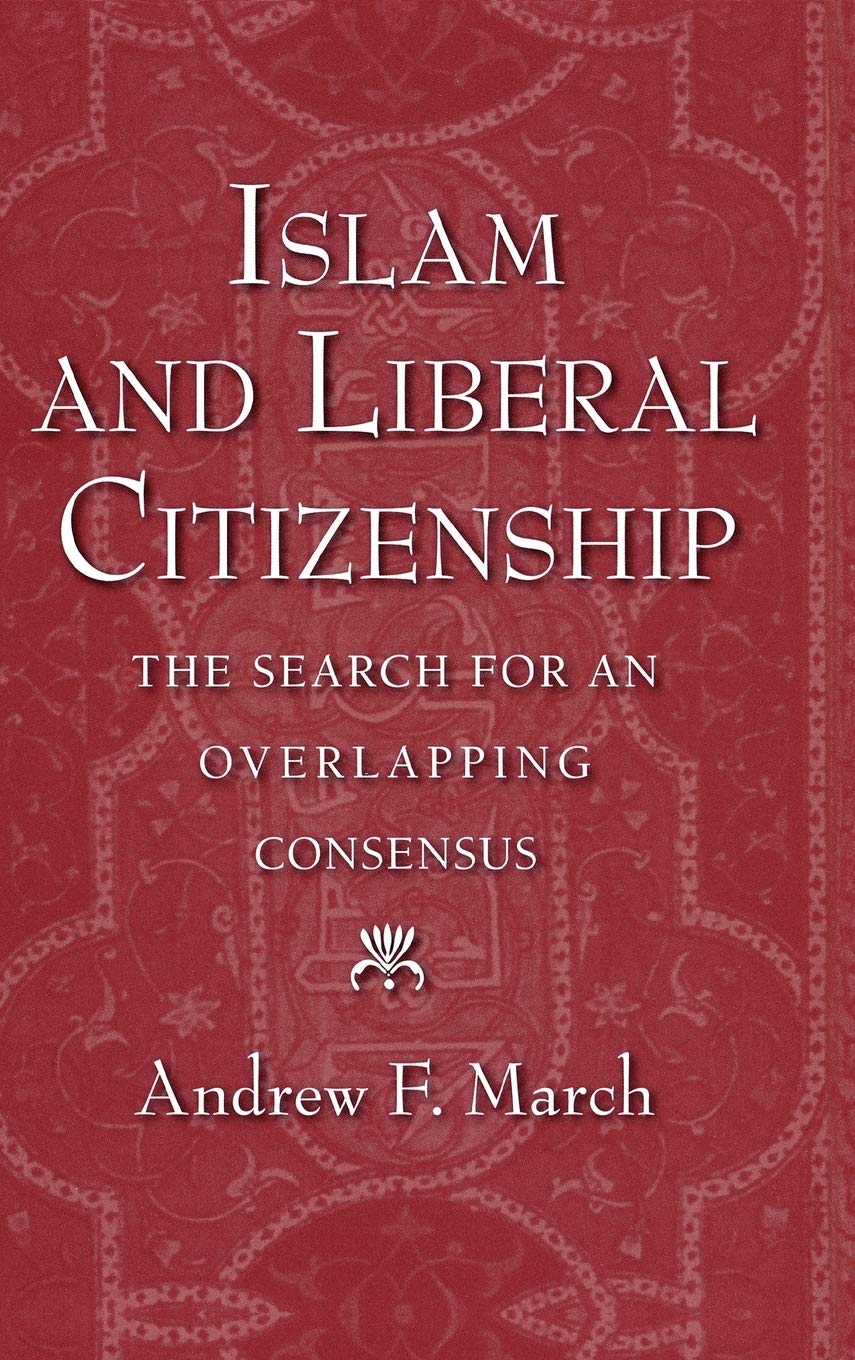
Islam and Liberal Citizenship: The Search for an Overlapping Consensus by Andrew F. March

Islam
Fiqh Us-Sunnah: Funerals and Diggers by Al-Sayyid Sabiq – Islamic Funeral Guide

Christianity
Genetics (English, Thomas a. Shannon | Mark P. Aulisio | Françoise Baylis)

Hinduism
Karma and Creativity by Christopher Key Chapple – Indian Philosophy
Related Products
View All
Philosophy
Latin American Philosophy: Currents, Issues, Debates by Eduardo Mendieta

Philosophy
Al-Farabi's Short Commentary on Aristotle's Prior Analytics by Nicholas Rescher – Philosophy

Philosophy
Poetics of Imagining: Modern to Post-modern by Richard Kearney

Philosophy
The Metaphysics of Extrinsic Properties: 11 (Metaphysical Research, 11)

Philosophy
Dialogues on Metaphysics and on Religion by Nicolas Malebranche – Philosophy

Philosophy