
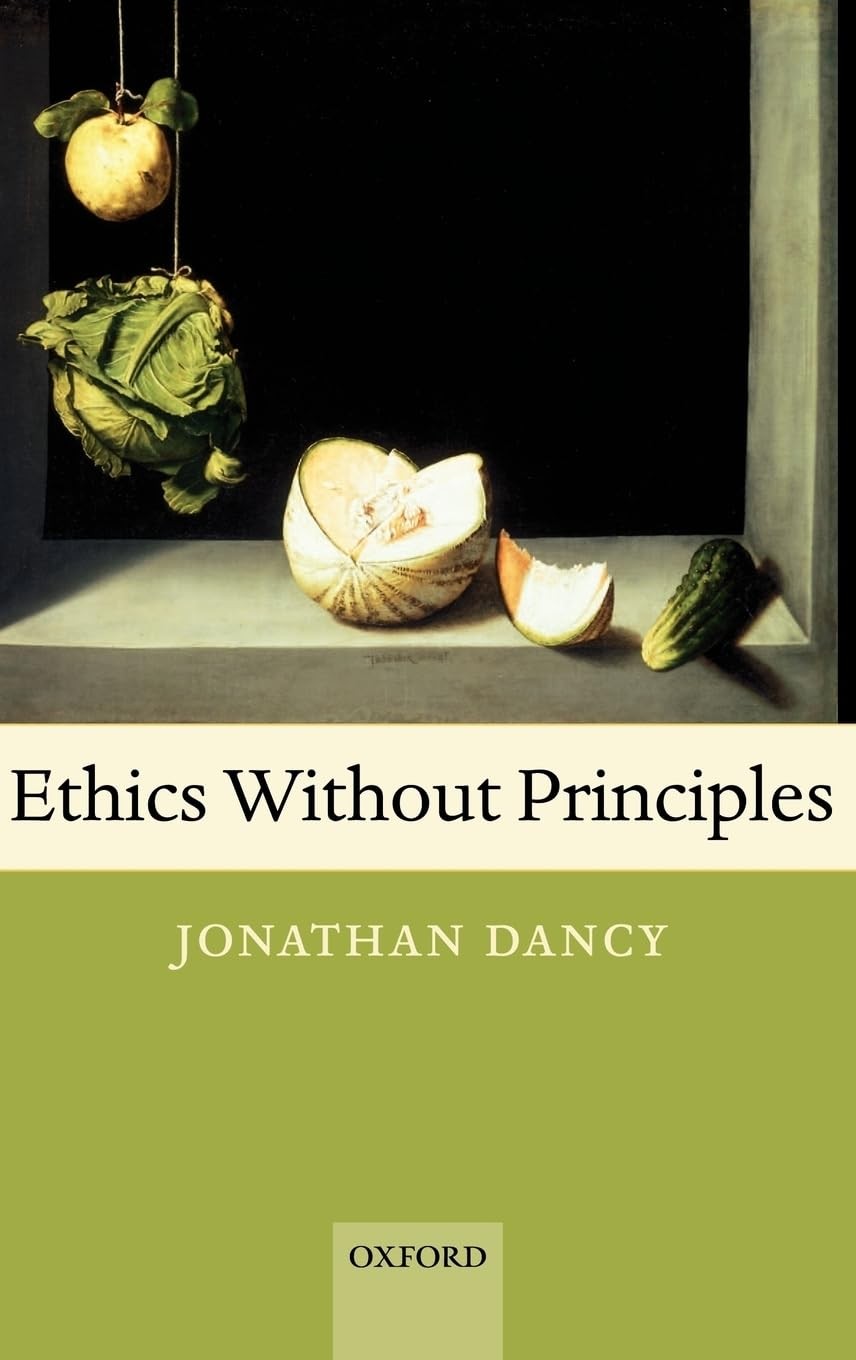
Ethics Without Principles: Jonathan Dancy’s Groundbreaking Study of Moral Particularism and Ethical Theory
Inclusive of all applicable taxes. FREE shipping on all orders.
Available Offers
- 🚚Free Delivery — Free shipping on all orders
- 💵Cash on Delivery — Pay when your order arrives
- ↩️15-Day Easy Returns — Hassle-free return policy
- 🔒Cash on Delivery — Pay safely when your order arrives
Check Delivery
Product Description
Introduction
In the world of moral philosophy, few questions are as fundamental as: What is the role of moral principles in ethical decision-making? Jonathan Dancy's Ethics Without Principles challenges the very foundation of how we think about morality. Published by OUP Oxford, this hardcover volume is a must-have for students, scholars, and anyone curious about the nature of right and wrong. It presents a bold, original argument that morality does not require a set of fixed rules—a stance that has reshaped contemporary ethical theory.
Book Overview
This book is a comprehensive exploration of moral particularism, the idea that moral judgment is not governed by principles but is instead context-dependent. Dancy systematically dismantles the traditional view that ethics must be based on universal rules. Instead, he proposes that we can make sound moral decisions without relying on any overarching principles. The work is both a rigorous philosophical treatise and an accessible guide for those new to the debate. It is essential reading for anyone studying ethics, philosophy, or social sciences.
Key Highlights
- Groundbreaking Thesis: Argues that moral principles are not necessary for ethical reasoning.
- Authoritative Voice: Jonathan Dancy is a leading figure in moral philosophy and the primary proponent of particularism.
- Comprehensive Coverage: Addresses objections, defends the view, and explores implications for moral epistemology.
- Clear Structure: Divided into logical sections that build the argument step by step.
- Critical Engagement: Engages with Kantian, utilitarian, and common-sense moral theories.
Inside the Book
The book is divided into three parts. The first part lays out the case against moral principles, showing how they often fail in real-world contexts. The second part develops a positive account of moral particularism, explaining how moral reasons work without general rules. The third part addresses potential objections and extends the theory to topics like moral knowledge and moral education. Dancy uses clear examples and avoids unnecessary jargon, making complex ideas accessible.
Key Topics
- Moral Particularism: The core theory that ethics can function without principles.
- Holism in Moral Reasons: The idea that a reason's moral significance can change with context.
- Defeasibility: How moral judgments can be overridden by new circumstances.
- Moral Knowledge: How we can know what is right without relying on rules.
- Critique of Generalism: A thorough examination of why principle-based ethics fails.
Reader Benefits
- Deepen Your Understanding: Gain a fresh perspective on age-old ethical questions.
- Improve Critical Thinking: Learn to evaluate moral arguments with greater nuance.
- Academic Excellence: Ideal for coursework, research, or personal study in philosophy and social sciences.
- Engage with Contemporary Debates: Stay updated on one of the most influential movements in modern ethics.
- Practical Insight: Understand how moral decisions are made in real life, beyond abstract rules.
Learning Outcomes
By reading this book, you will be able to articulate the case for and against moral principles. You will understand the key arguments of particularism and how they challenge traditional ethical theories. You will also develop the ability to analyze moral situations contextually, recognizing that what is right in one case may not be right in another. This book equips you with the tools to think independently about morality, without being bound by rigid formulas.
Who Should Read
- Philosophy Students: Essential for courses in ethics, metaethics, and moral theory.
- Social Science Researchers: Those studying human behavior, law, or political theory will find the arguments highly relevant.
- Curious Readers: Anyone interested in the foundations of morality and how we make ethical choices.
- Teachers and Academics: A valuable resource for lectures, seminars, and personal scholarship.
About the Author
Jonathan Dancy is a distinguished British philosopher and Professor of Philosophy at the University of Texas at Austin and the University of Reading. He is widely recognized as the leading advocate of moral particularism. His work has influenced generations of philosophers, and he is known for his clear, rigorous writing style. Dancy has written several influential books, including Practical Reality and Moral Reasons.
About the Publisher
OUP Oxford (Oxford University Press) is one of the oldest and most respected academic publishers in the world. Known for its high-quality scholarly works, OUP publishes books that set the standard in philosophy, science, and the humanities. This hardcover edition is produced with the care and precision that OUP is famous for, ensuring durability and a premium reading experience.
Conclusion
Ethics Without Principles is more than a book—it is a paradigm shift in moral philosophy. Jonathan Dancy makes a compelling case that we can be ethical without being bound by rules. Whether you are a student, a teacher, or a lifelong learner, this volume will challenge your assumptions and expand your thinking. Order your copy today from Bookshops.in and join the conversation that is redefining ethics for the 21st century.
Quick Summary
Ethics Without Principles by Jonathan Dancy is a landmark work in moral philosophy that challenges the traditional assumption that morality requires principles. Dancy, a leading advocate of moral particularism, argues that ethical judgment can and should be based on the specific features of each situation rather than on universal rules. The book systematically dismantles the case for principle-based ethics, using counter-examples to show that even the most plausible principles fail. Dancy then builds a positive case for particularism, drawing on moral holism and intuitionism. This book is essential reading for philosophy students, academics, and anyone interested in the foundations of ethics. It is especially valuable for Indian readers seeking a rigorous yet accessible introduction to one of the most important debates in contemporary ethics. By purchasing from Bookshops.in, you get a genuine imported hardcover edition with reliable service.
Book Highlights
Book Specifications
| ISBN-13 | 9780199270026 |
| ISBN-10 | 0199270023 |
| Publisher | Clarendon Pr |
| Language | English |
| Dimensions | 24.23 x 1.85 x 15.54 cm |
| Weight | 522 g |
| Category | Philosophy › Ethics |
| Genre | Non-fiction |
| Original Language | English |
Frequently Asked Questions
What is the main argument of Ethics Without Principles?
Who is Jonathan Dancy?
Is this book suitable for beginners in philosophy?
What does 'particularism' mean in ethics?
How does Dancy respond to objections to particularism?
Does this book reject all moral principles?
What is the relationship between particularism and moral holism?
Is Ethics Without Principles a textbook?
Can this book help me in my career?
What are the main topics covered in the book?
How does this book compare to other works by Dancy?
Is the book available in Indian bookstores?
Why should I buy from Bookshops.in?
Readers Also Search For
Customers Also Bought
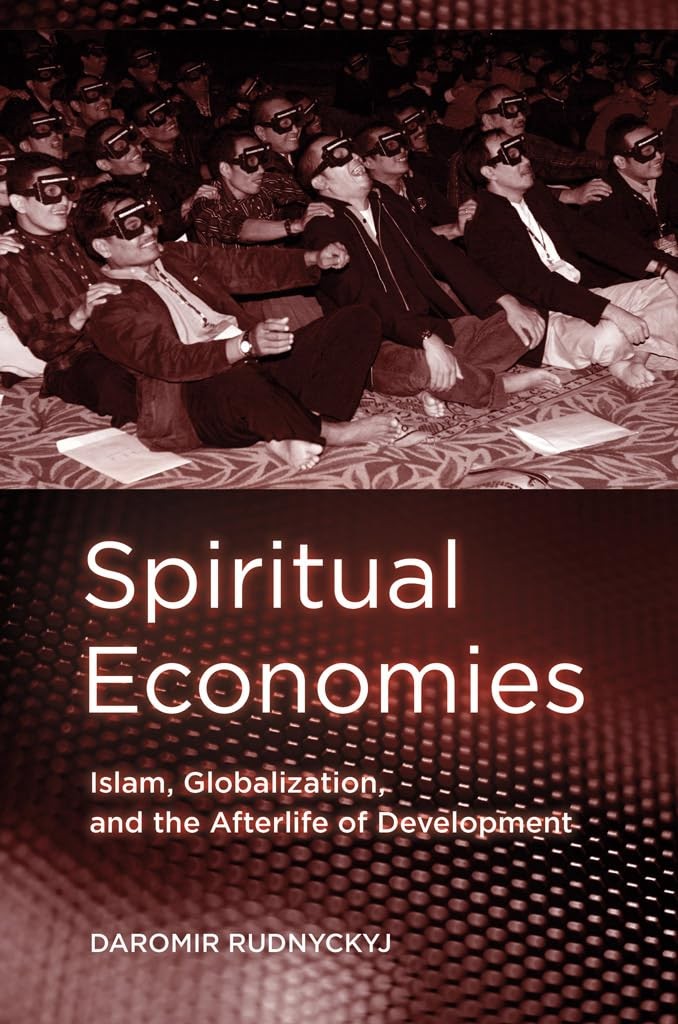
Islam
Spiritual Economies (English, Daromir Rudnyckyj)

Islam
Who Is Allah? (English, Bruce B. Lawrence)
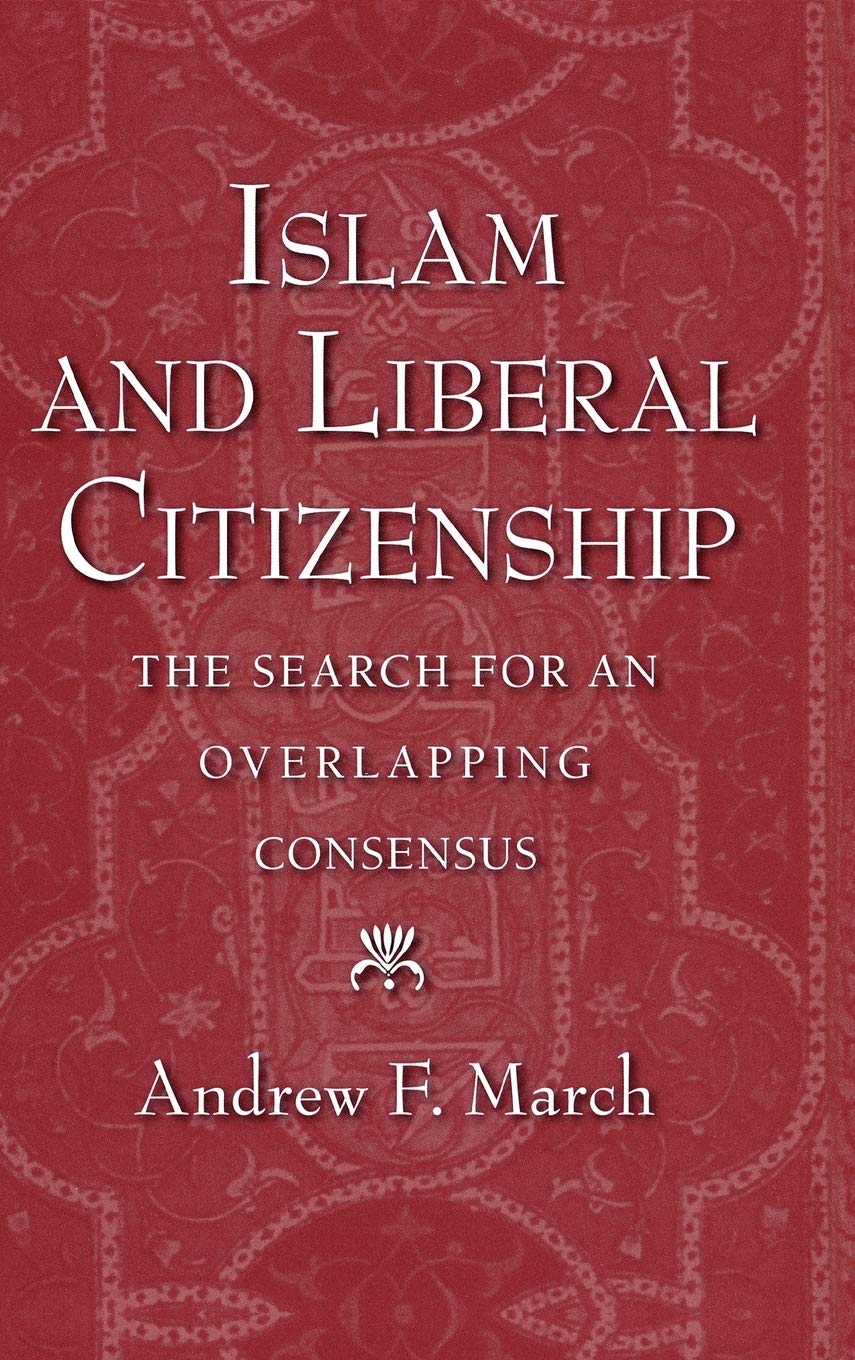
Islam
Islam and Liberal Citizenship: The Search for an Overlapping Consensus by Andrew F. March

Islam
Fiqh Us-Sunnah: Funerals and Diggers by Al-Sayyid Sabiq – Islamic Funeral Guide

Christianity
Genetics (English, Thomas a. Shannon | Mark P. Aulisio | Françoise Baylis)

Hinduism
Karma and Creativity by Christopher Key Chapple – Indian Philosophy
Related Products
View All
Philosophy
Latin American Philosophy: Currents, Issues, Debates by Eduardo Mendieta

Philosophy
Al-Farabi's Short Commentary on Aristotle's Prior Analytics by Nicholas Rescher – Philosophy

Philosophy
Poetics of Imagining: Modern to Post-modern by Richard Kearney

Philosophy
The Metaphysics of Extrinsic Properties: 11 (Metaphysical Research, 11)

Philosophy
Dialogues on Metaphysics and on Religion by Nicolas Malebranche – Philosophy

Philosophy