
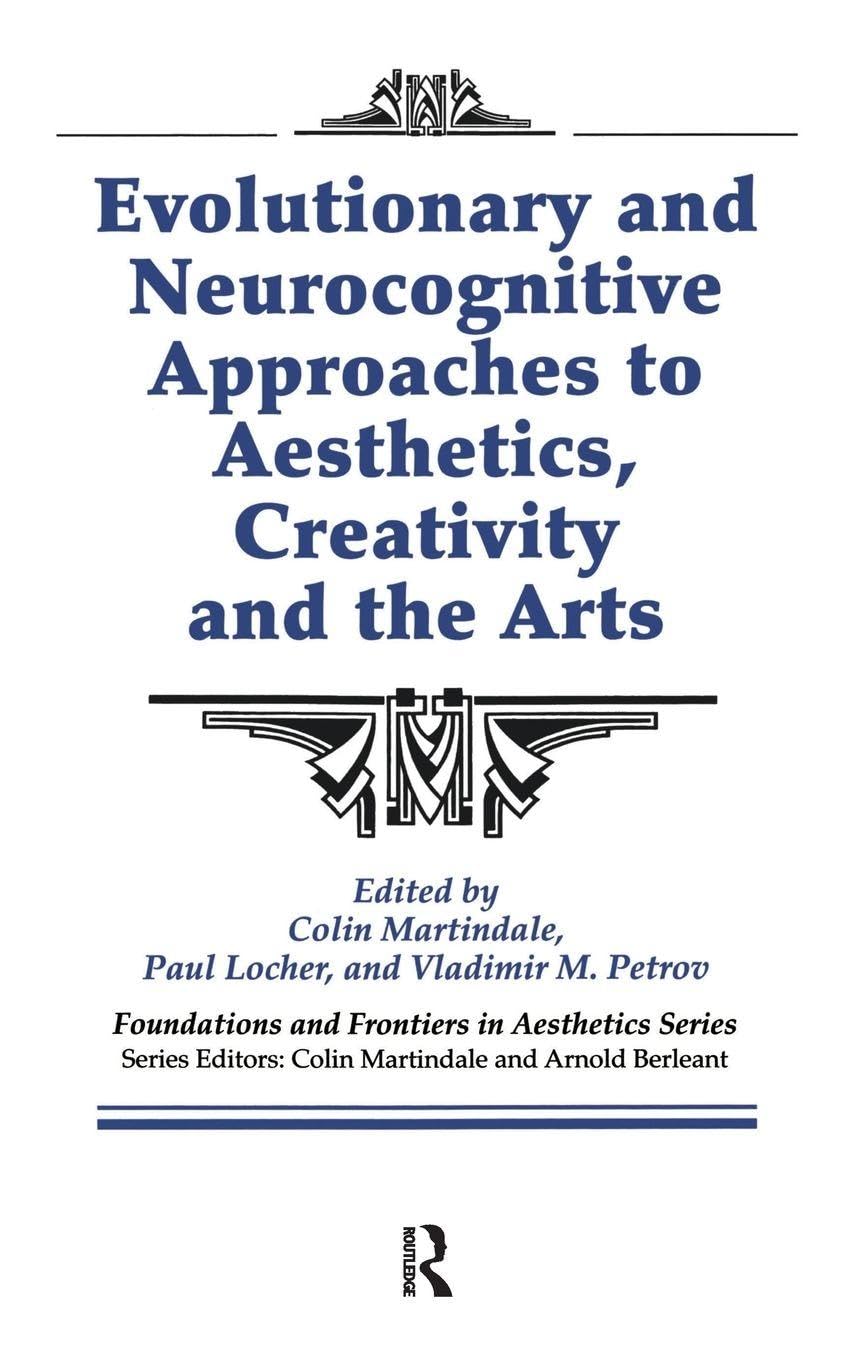
Evolutionary and Neurocognitive Approaches to Aesthetics, Creativity and the Arts by Colin Martindale – A Scientific Inq
Inclusive of all applicable taxes. FREE shipping on all orders.
Available Offers
- 🚚Free Delivery — Free shipping on all orders
- 💵Cash on Delivery — Pay when your order arrives
- ↩️15-Day Easy Returns — Hassle-free return policy
- 🔒Cash on Delivery — Pay safely when your order arrives
Check Delivery
Product Description
Introduction
Why do humans create and enjoy art? Is there a biological basis for our love of music, literature, and visual beauty? In Evolutionary and Neurocognitive Approaches to Aesthetics, Creativity and the Arts, editor Colin Martindale brings together leading scholars to explore these profound questions through the lens of evolution and neuroscience. This hardcover volume from Routledge offers a rigorous yet accessible journey into the origins of human creativity, making it an essential read for Indian students, researchers, and anyone curious about the science behind art.
Book Overview
This book challenges traditional views by arguing that aesthetics and creativity are not mere cultural inventions but are deeply rooted in our biology. Drawing on evolutionary theory and neurocognitive research, the contributors examine how the arts may have evolved as adaptive behaviors. The volume begins with ten distinct theories on the evolutionary function of specific art forms like music and literature, then moves into neurocognitive studies that reveal how our brains process beauty and novelty. Written for an academic audience yet clear enough for interested lay readers, this work bridges the gap between the humanities and the sciences.
Key Highlights
- Pioneering perspectives: Features ten original theories on why the arts evolved, offering a comprehensive overview of current debates.
- Interdisciplinary approach: Combines evolutionary biology, cognitive psychology, and neuroscience to explain creativity and aesthetic experience.
- Global relevance: Includes cross-cultural examples and archaeological evidence, showing that art is a universal human trait.
- Authoritative contributors: Written by renowned scholars including Colin Martindale, a pioneer in the psychology of aesthetics.
Inside the Book
The book is structured into three parts. Part I presents evolutionary theories, from Darwin's insights to modern hypotheses about music's role in mate selection or storytelling's function in social bonding. Part II delves into neurocognitive experiments, using brain imaging and behavioral studies to understand how we perceive art. Part III synthesizes these findings, proposing new directions for research. Each chapter is self-contained, allowing readers to dip into topics of interest—whether the evolution of visual decoration or the neural basis of creative insight.
Key Topics
- Evolutionary functions of music, literature, and visual arts
- Neurocognitive mechanisms of aesthetic judgment
- Creativity as an adaptive trait in human evolution
- Cross-cultural universals in art and decoration
- Darwinian aesthetics and animal sensitivity to beauty
- Archaeological evidence for early artistic behavior
- Brain networks involved in creative cognition
Reader Benefits
Indian readers will find this book particularly valuable as it offers a scientific framework to understand India's rich artistic traditions—from classical music and dance to ancient temple carvings. Students of psychology, neuroscience, or art history gain a multidisciplinary toolkit for research. Academics can use it as a reference for courses on evolutionary psychology or cognitive science. General readers will enjoy the clear explanations and thought-provoking ideas that connect everyday experiences of art to our deepest biological roots.
Learning Outcomes
- Understand the major evolutionary theories explaining why humans create art
- Identify the neurocognitive processes underlying aesthetic appreciation
- Analyze how creativity may have provided survival advantages
- Evaluate evidence from archaeology, neuroscience, and cross-cultural studies
- Apply these insights to real-world contexts like education, therapy, or design
Who Should Read
This book is ideal for postgraduate and undergraduate students in psychology, neuroscience, anthropology, and art studies. It also appeals to practicing psychologists, artists, and educators seeking a deeper understanding of creativity. Literature enthusiasts and musicians interested in the science behind their craft will find the chapters on music and narrative especially rewarding. Anyone pondering why a sunset, a melody, or a painting moves us will discover compelling answers here.
About the Author
Colin Martindale (1943–2021) was a professor of psychology at the University of Maine and a leading figure in the empirical study of aesthetics and creativity. He authored numerous books and articles, including The Clockwork Muse and Psychological Foundations of the Arts. His work pioneered the use of quantitative methods to analyze artistic evolution, and he served as editor of the journal Empirical Studies of the Arts. Martindale's research continues to inspire scholars worldwide.
About the Publisher
Routledge is a globally respected academic publisher, known for its high-quality books in the social sciences, humanities, and behavioral sciences. With a history dating back to the 19th century, Routledge publishes works that shape scholarly discourse. This hardcover edition reflects their commitment to rigorous scholarship and durable production, making it a lasting addition to any library.
Conclusion
Evolutionary and Neurocognitive Approaches to Aesthetics, Creativity and the Arts is a landmark volume that reshapes how we think about art and the human mind. By grounding creativity in biology, it offers fresh insights into why we are drawn to beauty and innovation. Whether you are a student, researcher, or lifelong learner, this book will deepen your appreciation of the arts and their place in our evolutionary story. Add this thought-provoking work to your collection and explore the science behind the sublime.
Quick Summary
Evolutionary and Neurocognitive Approaches to Aesthetics, Creativity and the Arts, edited by Colin Martindale, is a landmark scholarly work that brings together leading researchers to examine the biological and evolutionary underpinnings of artistic behaviour. The book challenges traditional humanistic views by arguing that aesthetics and creativity are deeply rooted in our evolutionary past, with evidence from prehistoric archaeology and comparative animal behaviour. It covers a wide range of art forms including literature, music, and visual decoration, and employs neurocognitive methods to understand how the brain creates and appreciates art. The intended audience includes graduate students, academics, and researchers in psychology, neuroscience, art history, and evolutionary biology. Readers will learn about Darwinian perspectives on aesthetic sensitivity, the adaptive functions of art, and cutting-edge neuroimaging studies of creativity. This hardcover edition from Routledge is a valuable resource for anyone seeking a scientific understanding of why humans are driven to create and enjoy art. Purchasing from Bookshops.in ensures you receive a genuine print copy with prompt service across India.
Book Highlights
Book Specifications
| ISBN-13 | 9780895033062 |
| ISBN-10 | 0895033062 |
| Publisher | Routledge |
| Language | English |
| Dimensions | 15.84 x 1.96 x 23.46 cm |
| Weight | 476 g |
| Country | India |
| Category | Psychology › Cognitive Psychology |
| Genre | Non-fiction |
| Original Language | English |
Frequently Asked Questions
What is this book about?
Who is the author?
Is this book suitable for Indian students?
Does the book cover music and literature?
What makes this book different from other aesthetics books?
Is the book technical or accessible?
Does it include recent neuroscience research?
Can I use this book for a university course?
Is this a hardcover edition?
Does the book discuss Darwin's views on aesthetics?
What is the ISBN?
Why should I buy from Bookshops.in?
Readers Also Search For
Customers Also Bought
Psychology
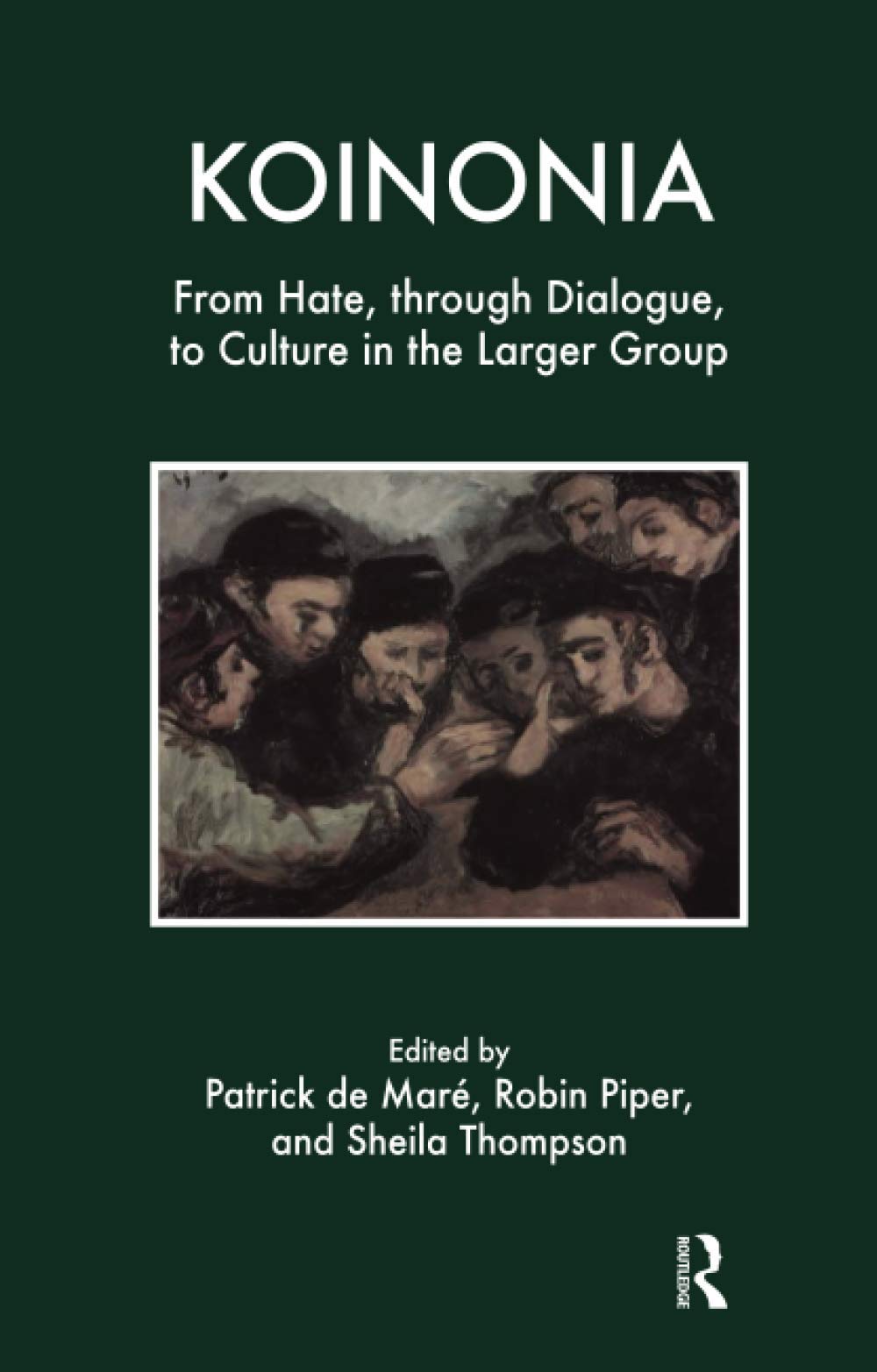
Koinonia: From Hate, Through Dialogue, to Culture in the Large Group by Patrick B. Demare
Psychology
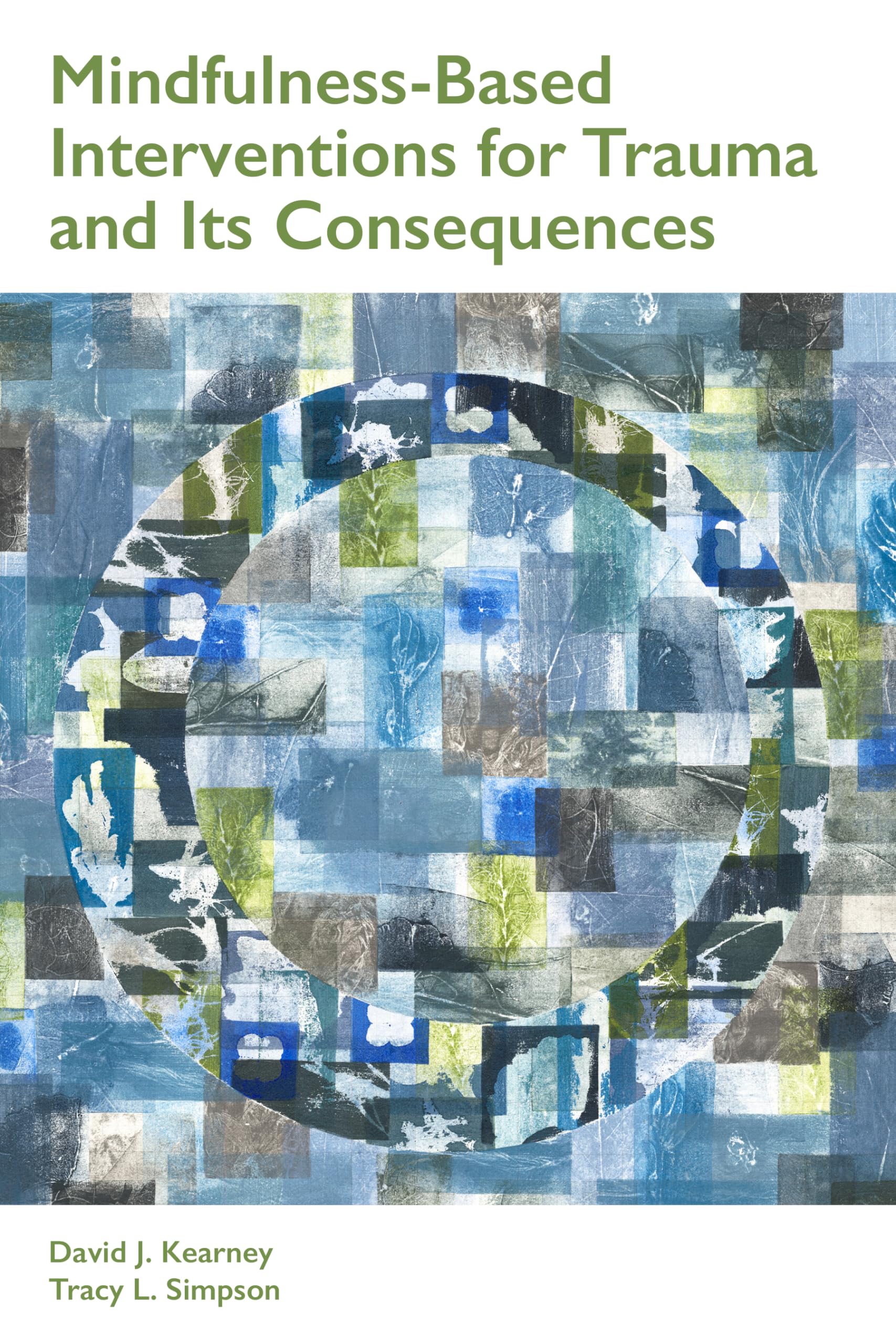
Mindfulness-Based Interventions for Trauma and Its Consequences (Concise Guides on Trauma Care, 4)

Psychology
Handbook for Teaching Statistics and Research Methods by Mark E. Ware

Psychology
Psychoanalysis and the Nuclear Threat: Clinical and Theoretical Studies
Psychology
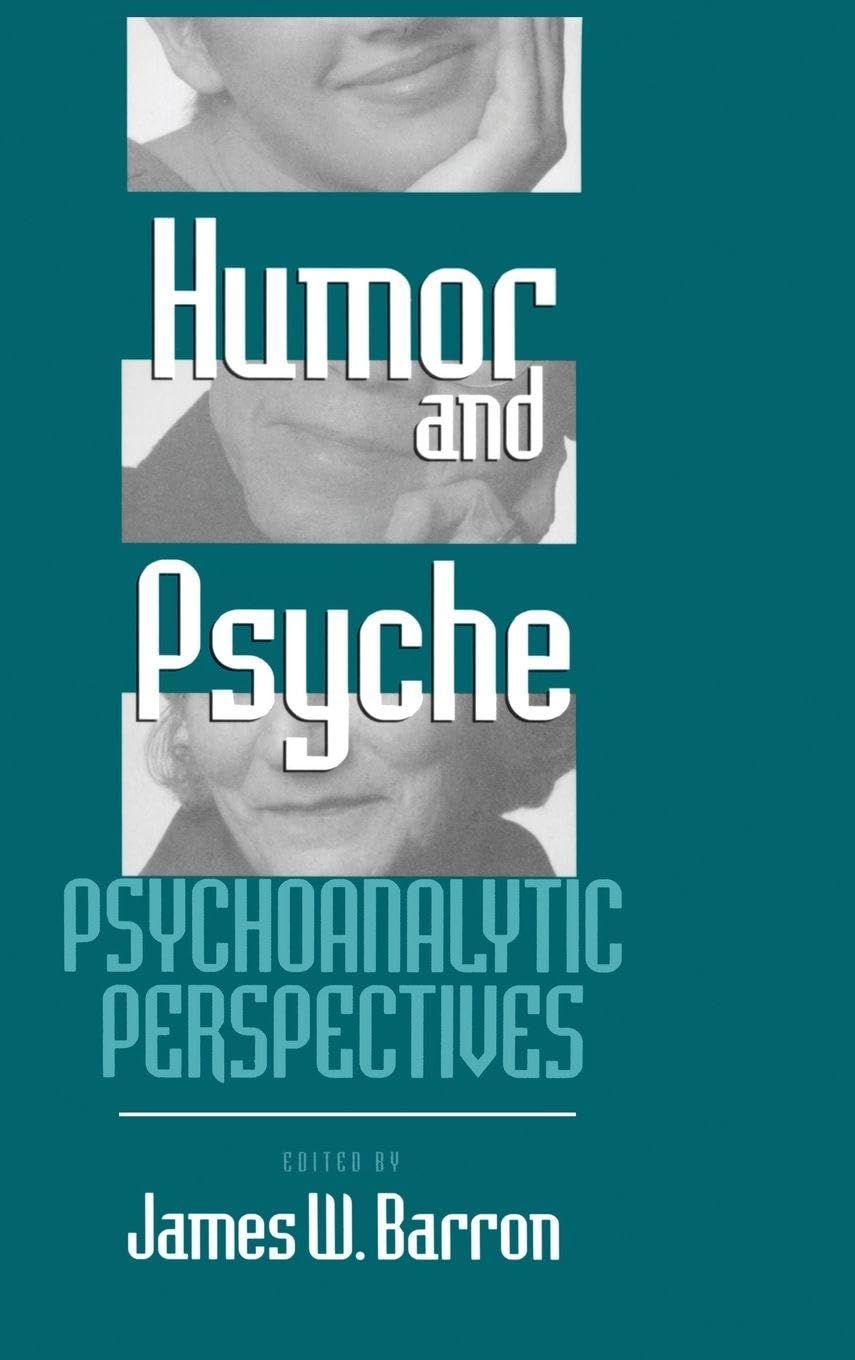
Humor and Psyche: Psychoanalytic Perspectives by James W. Barron

Relationships
The Experience and Expression of Uncertainty in Close Relationships by Jennifer A. Theiss
Related Products
View AllPsychology
Mindfulness-Based Interventions for Trauma and Its Consequences (Concise Guides on Trauma Care, 4)
Psychology
Handbook for Teaching Statistics and Research Methods by Mark E. Ware
Psychology
Psychoanalysis and the Nuclear Threat: Clinical and Theoretical Studies
Psychology
Humor and Psyche: Psychoanalytic Perspectives by James W. Barron

Psychology
Proceedings of the First International Conference on Genetic Algorithms and Their Applications
Psychology