
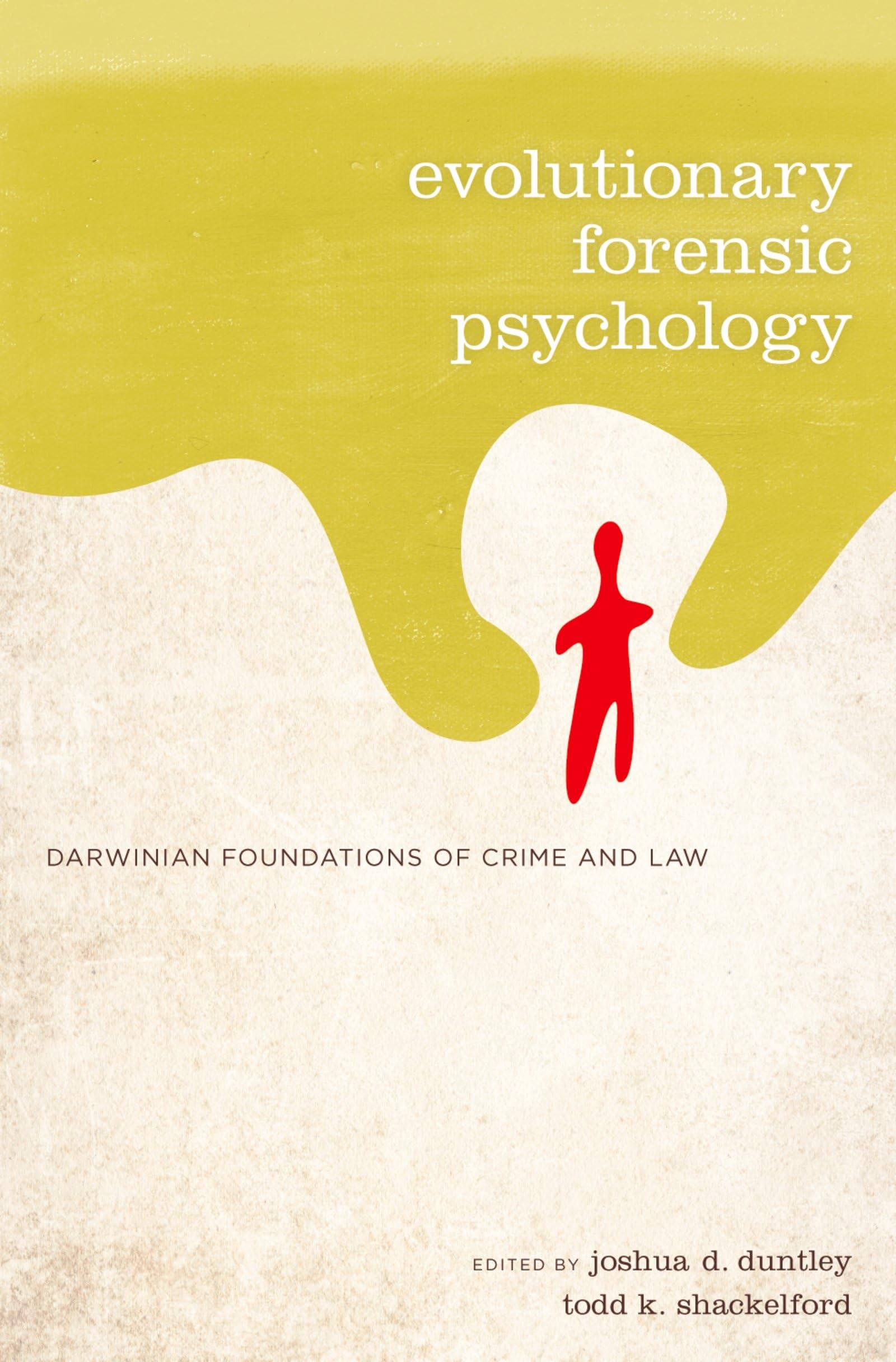
Evolutionary Forensic Psychology: Darwinian Foundations of Crime and Law by Joshua Duntley – An Oxford University Press
Inclusive of all applicable taxes. FREE shipping on all orders.
Available Offers
- 🚚Free Delivery — Free shipping on all orders
- 💵Cash on Delivery — Pay when your order arrives
- ↩️15-Day Easy Returns — Hassle-free return policy
- 🔒Cash on Delivery — Pay safely when your order arrives
Check Delivery
Product Description
Introduction
Why do humans commit crimes? What evolutionary pressures shaped the minds of offenders, victims, and even lawmakers? Evolutionary Forensic Psychology: Darwinian Foundations of Crime and Law by Joshua Duntley offers a groundbreaking perspective that bridges biology, psychology, and jurisprudence. This hardcover volume from Oxford University Press is a must-read for Indian students, researchers, and legal professionals seeking a deeper, science-driven understanding of criminal behaviour.
Book Overview
This book applies Charles Darwin’s theory of evolution by natural selection to the field of forensic psychology. It argues that many criminal behaviours—from theft to violence—are not random aberrations but may have roots in ancestral survival and reproductive strategies. By viewing the human mind as a product of millions of years of adaptation, Duntley reinterprets crime, punishment, and justice through a biological lens. The book systematically examines how evolved psychological mechanisms influence everything from witness memory to judicial decision-making.
Key Highlights
- Darwinian Framework: Unifies forensic psychology with evolutionary biology, offering a meta-theory that explains why certain behaviours are universal across cultures.
- Original Research: Presents cutting-edge studies on mate competition, parental investment, and coalitional psychology as drivers of criminal acts.
- Interdisciplinary Approach: Integrates insights from anthropology, neuroscience, and criminology to provide a holistic view of law and order.
- Practical Relevance: Discusses implications for profiling, interrogation, eyewitness testimony, and rehabilitation programmes.
Inside the Book
The text is divided into thematic sections that first establish the evolutionary logic behind human behaviour. It then delves into specific forensic topics: why men commit more violent crimes than women, how jealousy can trigger homicidal ideation, and why certain individuals become repeat offenders. Each chapter is supported by empirical data, case studies, and cross-cultural comparisons. The writing is rigorous yet accessible, making complex evolutionary concepts understandable for readers without a biology background.
Key Topics
- Evolutionary roots of aggression, deception, and theft
- Sex differences in criminal behaviour and victimisation
- Parent-offspring conflict and child abuse
- Evolutionary psychology of lying and false confessions
- Adaptive functions of punishment and legal systems
- Mating strategies and sexual offences
- Evolutionary perspectives on addiction and substance abuse
Reader Benefits
Indian readers will find this book particularly valuable as it moves beyond Western-centric theories to offer a universal framework that applies to diverse cultural contexts. It helps forensic practitioners understand the ‘why’ behind criminal actions, not just the ‘what’. Students will gain a solid foundation for advanced research, while legal professionals can use evolutionary insights to refine arguments about intent, responsibility, and sentencing. The book also encourages critical thinking about morality and justice in a rapidly changing society.
Learning Outcomes
- Understand how natural selection shapes criminal and legal behaviours
- Identify evolved psychological mechanisms that increase risk of offending
- Analyse legal doctrines through an evolutionary lens
- Critically evaluate forensic methods and their biological underpinnings
- Apply Darwinian principles to real-world cases and policy debates
Who Should Read
This book is ideal for undergraduate and postgraduate students of psychology, criminology, law, and sociology. It is also essential reading for forensic psychologists, criminal profilers, judges, and policymakers. Anyone curious about why humans break rules—and how our ancient past still shapes modern justice—will find this work enlightening.
About the Author
Joshua Duntley is a prominent evolutionary psychologist and professor at Stockton University, New Jersey. He has published extensively on the evolutionary origins of homicide, stalking, and antisocial behaviour. His research combines theoretical rigour with empirical testing, making him a leading voice in applying Darwinian principles to forensic science.
About the Publisher
Oxford University Press (OUP) is a globally respected academic publisher known for its authoritative texts in science, law, and humanities. With a history spanning over 500 years, OUP ensures that each title meets the highest standards of scholarship and editorial excellence. This hardcover edition is built to last, making it a valuable addition to any library.
Conclusion
Evolutionary Forensic Psychology: Darwinian Foundations of Crime and Law is not just another textbook—it is a paradigm shift. By grounding forensic psychology in the bedrock of evolutionary theory, Joshua Duntley offers readers a powerful new toolkit for understanding crime and justice. Whether you are a student in Delhi, a researcher in Mumbai, or a legal professional in Bengaluru, this book will challenge your assumptions and expand your horizons. Order your hardcover copy today from Bookshops.in and explore the primal roots of human behaviour.
Quick Summary
Evolutionary Forensic Psychology: Darwinian Foundations of Crime and Law by Joshua Duntley is a pioneering work that applies Charles Darwin's theory of evolution by natural selection to the field of forensic psychology. The book argues that just as evolutionary biology has unified the life sciences, it can provide a powerful meta-theoretical framework for understanding criminal behavior, legal systems, and the human mind. Readers will explore how criminal strategies may have adaptive origins, how legal institutions are shaped by evolved psychology, and how interdisciplinary integration can advance both theory and practice. This Oxford University Press hardcover is written for advanced students, researchers, and professionals in forensic psychology, criminology, law, and evolutionary biology. It challenges conventional approaches and offers fresh insights into crime prevention, justice, and human nature. By purchasing from Bookshops.in, Indian readers receive a genuine, high-quality edition delivered to their doorstep, supporting a trusted local bookstore.
Book Highlights
Book Specifications
| ISBN-13 | 9780195325188 |
| ISBN-10 | 0195325184 |
| Publisher | OUP USA |
| Language | English |
| Dimensions | 16.2 x 2.39 x 23.99 cm |
| Weight | 599 g |
| Category | Psychology › Psychopathology |
| Genre | Non-fiction |
| Original Language | English |
Frequently Asked Questions
What is Evolutionary Forensic Psychology about?
Who is the author of this book?
Is this book suitable for Indian students?
What is the ISBN-13 of this book?
What language is the book written in?
What is the price of this book in India?
Does this book include case studies?
Can this book help in criminal profiling?
Is this book part of a series?
What is the main argument of the book?
Who is the target audience for this book?
Why should I buy this book from Bookshops.in?
Readers Also Search For
Customers Also Bought
Psychology
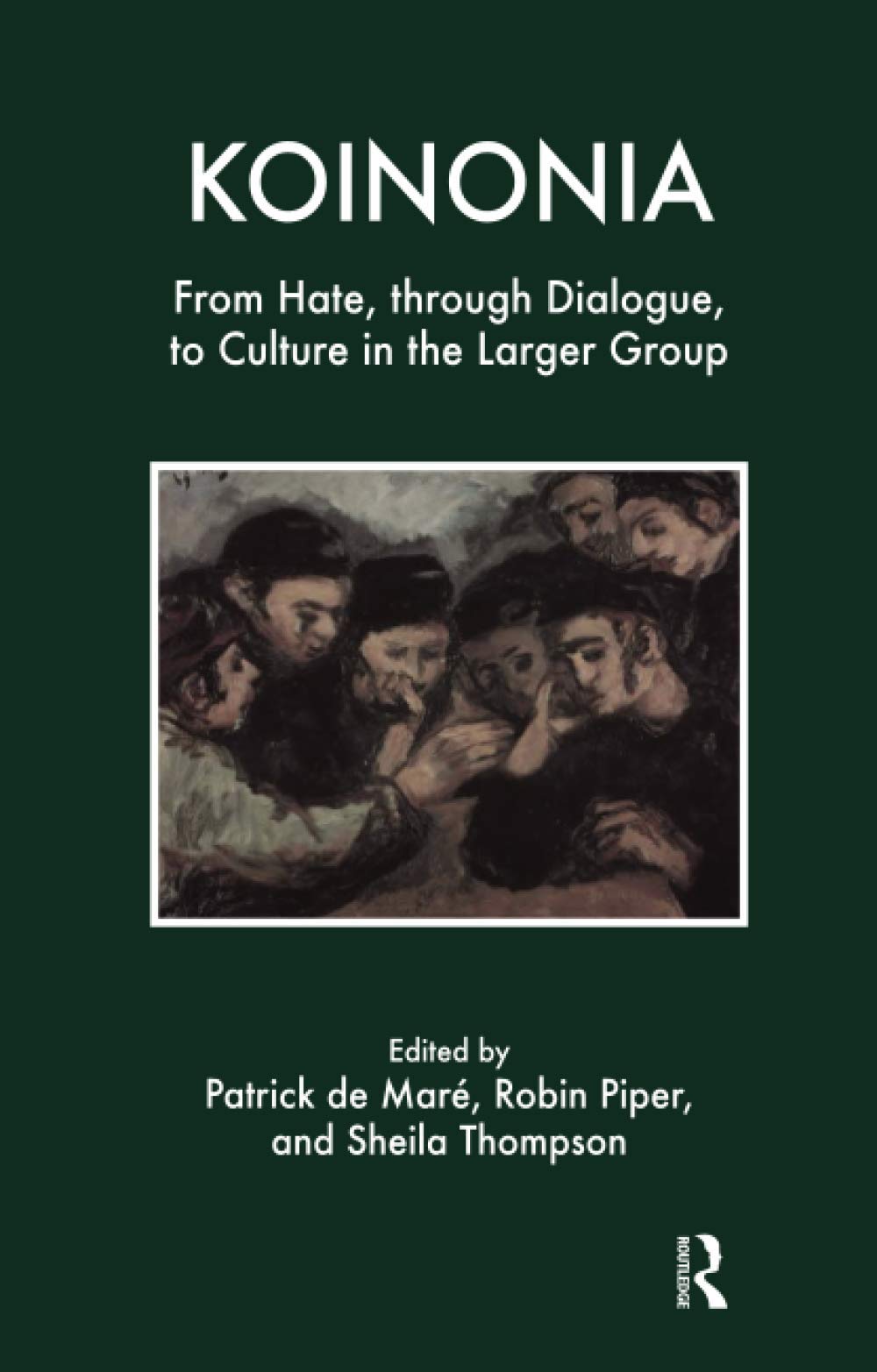
Koinonia: From Hate, Through Dialogue, to Culture in the Large Group by Patrick B. Demare
Psychology
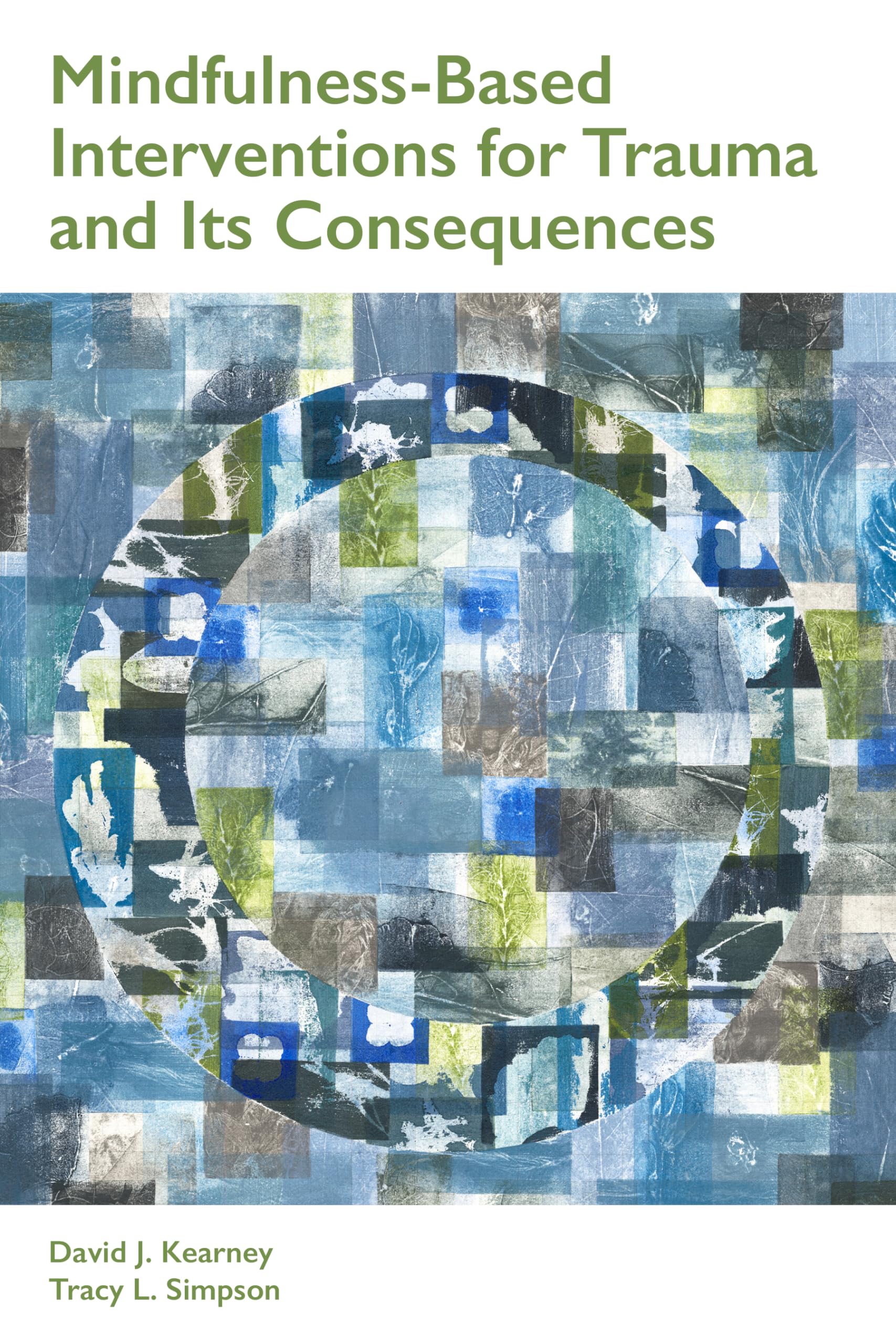
Mindfulness-Based Interventions for Trauma and Its Consequences (Concise Guides on Trauma Care, 4)

Psychology
Handbook for Teaching Statistics and Research Methods by Mark E. Ware

Psychology
Psychoanalysis and the Nuclear Threat: Clinical and Theoretical Studies
Psychology
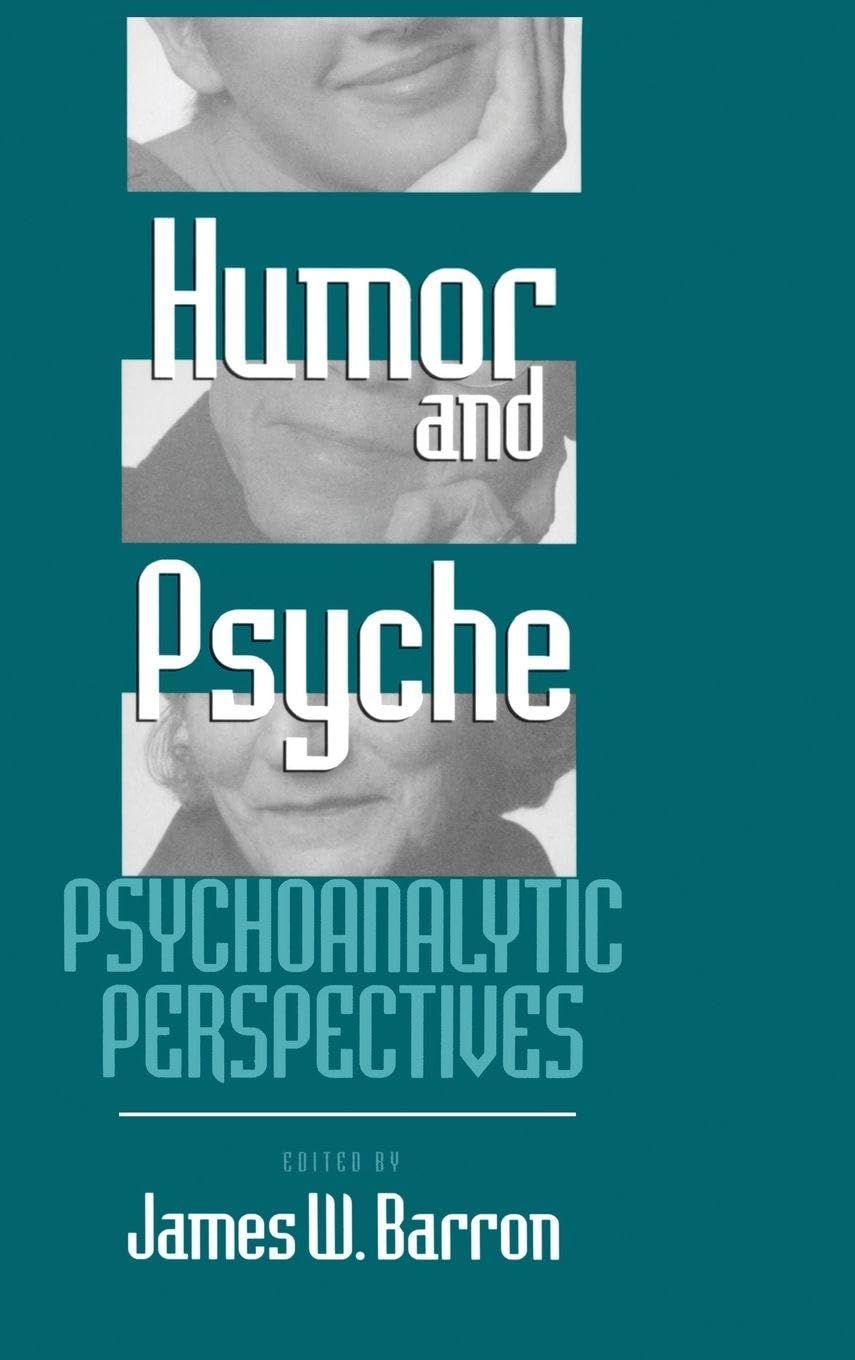
Humor and Psyche: Psychoanalytic Perspectives by James W. Barron

Relationships
The Experience and Expression of Uncertainty in Close Relationships by Jennifer A. Theiss
Related Products
View AllPsychology
Mindfulness-Based Interventions for Trauma and Its Consequences (Concise Guides on Trauma Care, 4)
Psychology
Handbook for Teaching Statistics and Research Methods by Mark E. Ware
Psychology
Psychoanalysis and the Nuclear Threat: Clinical and Theoretical Studies
Psychology
Humor and Psyche: Psychoanalytic Perspectives by James W. Barron

Psychology
Proceedings of the First International Conference on Genetic Algorithms and Their Applications
Psychology