
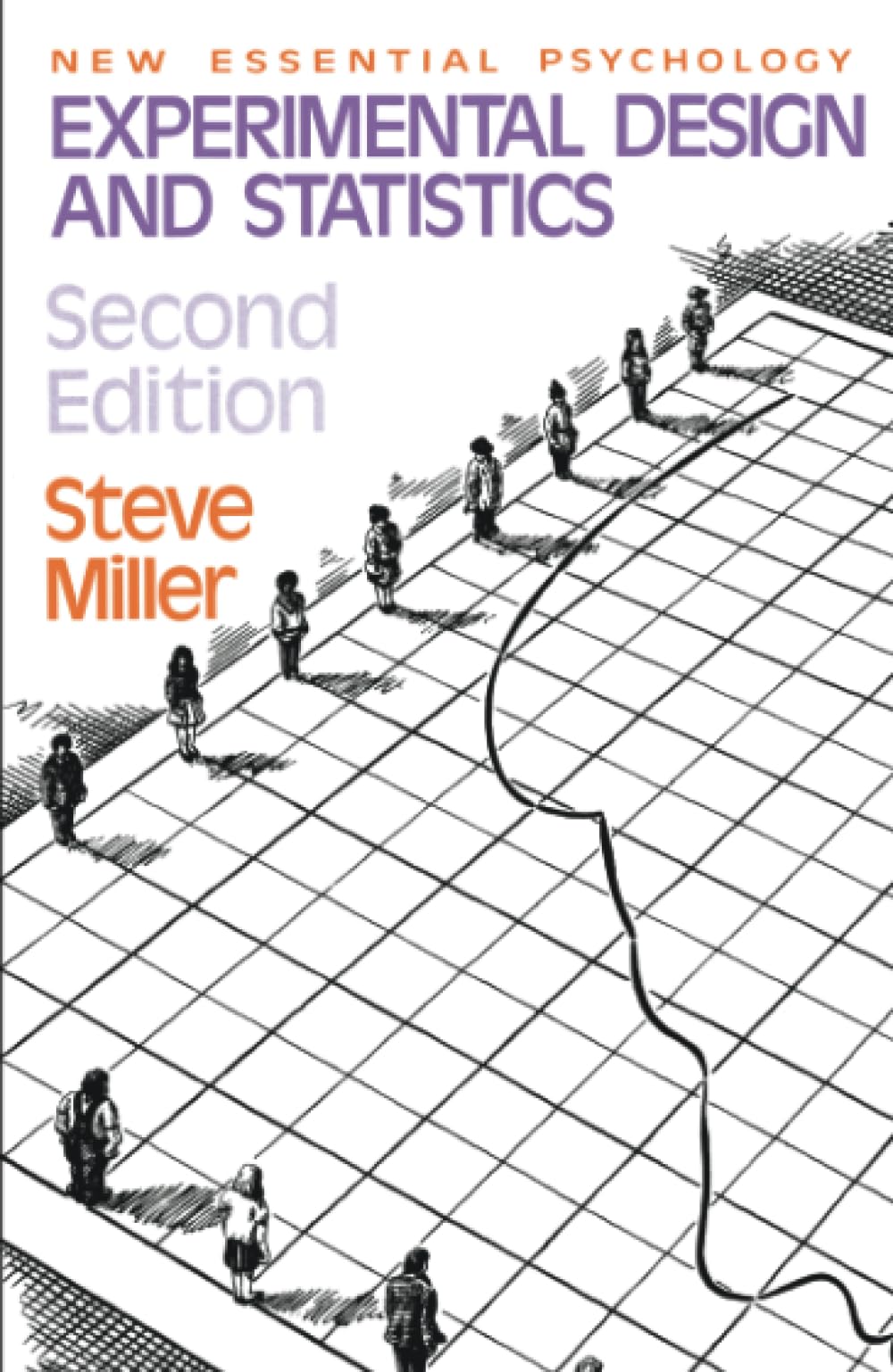
Experimental Design and Statistics: A Practical Guide to Research Methods and Statistical Analysis for Psychology Studen
Inclusive of all applicable taxes. FREE shipping on all orders.
Available Offers
- 🚚Free Delivery — Free shipping on all orders
- 💵Cash on Delivery — Pay when your order arrives
- ↩️15-Day Easy Returns — Hassle-free return policy
- 🔒Cash on Delivery — Pay safely when your order arrives
Check Delivery
Product Description
Introduction
Understanding the scientific method is the bedrock of psychology, and few skills are as crucial as designing experiments and interpreting data. For Indian students pursuing psychology, neuroscience, or behavioural sciences, a solid grasp of experimental design and statistics can transform how you analyse human behaviour. Steve Miller’s Experimental Design and Statistics (Routledge, hardcover) is a trusted companion that demystifies these essential tools. Whether you are preparing for university exams, writing your first research paper, or simply curious about how psychologists test theories, this book offers a clear, step-by-step guide. It avoids unnecessary jargon and focuses on practical understanding — making it an ideal resource for undergraduate and postgraduate learners across India.
Book Overview
This revised and expanded edition builds on the strengths of the original classic. Miller begins by explaining why experimental psychology relies on rigorous methods rather than mere speculation. He then walks readers through the entire process — from formulating hypotheses to choosing the right statistical test. New sections on one-sample tests, linear regression, and the product-moment correlation coefficient have been added, ensuring the book stays relevant to modern research practices. The text is structured to help students connect theory with real-world experiments, using examples drawn from everyday psychological studies. Each chapter reinforces learning through worked examples and clear explanations, making even complex concepts accessible.
Key Highlights
- Comprehensive revision: Updated content including one-sample tests, linear regression, and Pearson’s r.
- Practical focus: Emphasises how to apply experimental design and statistics to actual behavioural research.
- Student-friendly approach: Clear language, step-by-step procedures, and plenty of illustrative examples.
- Exam-oriented: Ideal for Indian university syllabi in psychology, applied statistics, and research methodology.
- Hardcover quality: Durable binding perfect for frequent reference throughout your academic journey.
Inside the Book
The book is organised into logical sections that mirror the research process. Early chapters introduce the philosophy of experimental design, explaining why control groups, randomisation, and replication matter. Subsequent chapters cover descriptive statistics, probability, and inferential tests. The expanded coverage of two-sample tests helps students compare groups effectively, while the new material on regression and correlation equips them to explore relationships between variables. Every chapter ends with practice questions and summaries that reinforce key takeaways. Miller also addresses common pitfalls — such as misinterpreting p-values or choosing the wrong test — so readers can avoid errors in their own work.
Key Topics
- Fundamentals of experimental design in psychology
- One-sample and two-sample hypothesis tests
- Linear regression and correlation analysis
- Product-moment correlation coefficient (Pearson’s r)
- Analysis of variance (ANOVA) basics
- Non-parametric alternatives
- Interpreting statistical significance and effect sizes
- Ethical considerations in experimental research
Reader Benefits
By working through this book, you will gain confidence in designing your own experiments and analysing results without relying on rote memorisation. You will learn to think critically about research articles — a skill invaluable for literature reviews and dissertations. The practical exercises help you transition from theory to application, whether you plan to conduct lab studies, field experiments, or surveys. Indian students will appreciate the book’s emphasis on foundational concepts that are universally applicable, yet presented in a way that doesn’t assume prior statistical training. It bridges the gap between introductory psychology and advanced research methods.
Learning Outcomes
- Formulate testable hypotheses and design controlled experiments
- Select appropriate statistical tests based on data type and research question
- Calculate and interpret descriptive and inferential statistics manually
- Understand the logic behind p-values, confidence intervals, and effect sizes
- Critically evaluate published psychological research for methodological rigour
- Apply linear regression and correlation techniques to real data sets
Who Should Read
This book is primarily aimed at undergraduate and postgraduate students of psychology, but it is equally valuable for those studying sociology, education, nursing, or any field that involves human behaviour research. Teachers and research supervisors will find it a useful reference for guiding students through their first projects. If you are a self-learner or a professional looking to refresh your statistical skills, Miller’s clear exposition makes it an excellent choice. The book assumes no prior knowledge of statistics, making it suitable for beginners while still offering depth for more advanced readers.
About the Author
Steve Miller is a respected academic with years of experience teaching experimental psychology and statistics to university students. His writing reflects a deep understanding of the challenges learners face when grappling with numbers and methodology. Miller’s ability to explain complex ideas in simple, relatable terms has made his textbooks popular across the UK, India, and other Commonwealth countries. He believes that statistics should empower rather than intimidate, and this philosophy shines through every chapter.
About the Publisher
Routledge is a globally renowned publisher of academic books, particularly in the social sciences, humanities, and behavioural sciences. With a legacy spanning over a century, Routledge is known for producing high-quality, peer-reviewed content that meets the needs of students and researchers alike. Their commitment to accessible yet rigorous scholarship makes them a trusted name in Indian universities and libraries. This hardcover edition ensures longevity, so you can refer to it throughout your academic career.
Conclusion
Experimental Design and Statistics by Steve Miller is more than just a textbook — it is a roadmap to thinking like a scientist. For Indian students navigating the demands of psychology courses, this book provides the clarity and confidence needed to excel. Whether you are preparing for exams, writing your first research report, or simply curious about how we know what we know about behaviour, this revised edition is an investment that will pay dividends for years. Order your copy from Bookshops.in today and take the first step toward mastering the art and science of psychological research.
Quick Summary
Experimental Design and Statistics by Steve Miller is a foundational textbook for psychology students and researchers seeking to understand the methods behind experimental psychology. The book demystifies the statistical techniques and experimental designs used to test psychological theories, making it an indispensable resource for anyone studying or working in behavioral research. It covers essential topics such as one-sample and two-sample tests, linear regression, and the product-moment correlation coefficient, all explained in a clear and accessible manner. This revised edition expands on earlier content to provide more comprehensive coverage. Readers will learn how to design valid experiments, analyze data effectively, and interpret results with confidence. Ideal for Indian undergraduate and postgraduate psychology courses, the book bridges theory and practice. By purchasing from Bookshops.in, customers receive a high-quality physical copy delivered to their doorstep, supporting local bookstores and ensuring a reliable shopping experience.
Book Highlights
Book Specifications
| ISBN-13 | 9780415040112 |
| ISBN-10 | 0415040116 |
| Publisher | Routledge |
| Language | English |
| Dimensions | 12.9 x 1.12 x 19.81 cm |
| Weight | 181 g |
| Country | India |
| Category | Social Sciences › Psychology |
| Genre | Non-fiction |
| Reading Age | Adult |
| Original Language | English |
Frequently Asked Questions
What is Experimental Design and Statistics about?
Who is the author of this book?
Is this book suitable for beginners?
Does the book cover statistical tests?
Can this book help with research projects?
What is the language of the book?
Is this book used in Indian universities?
Does it include examples from real research?
What is the ISBN of this book?
Is this book available in hardcover?
How is this book different from other statistics books?
Why should I buy from Bookshops.in?
Readers Also Search For
Customers Also Bought
Psychology
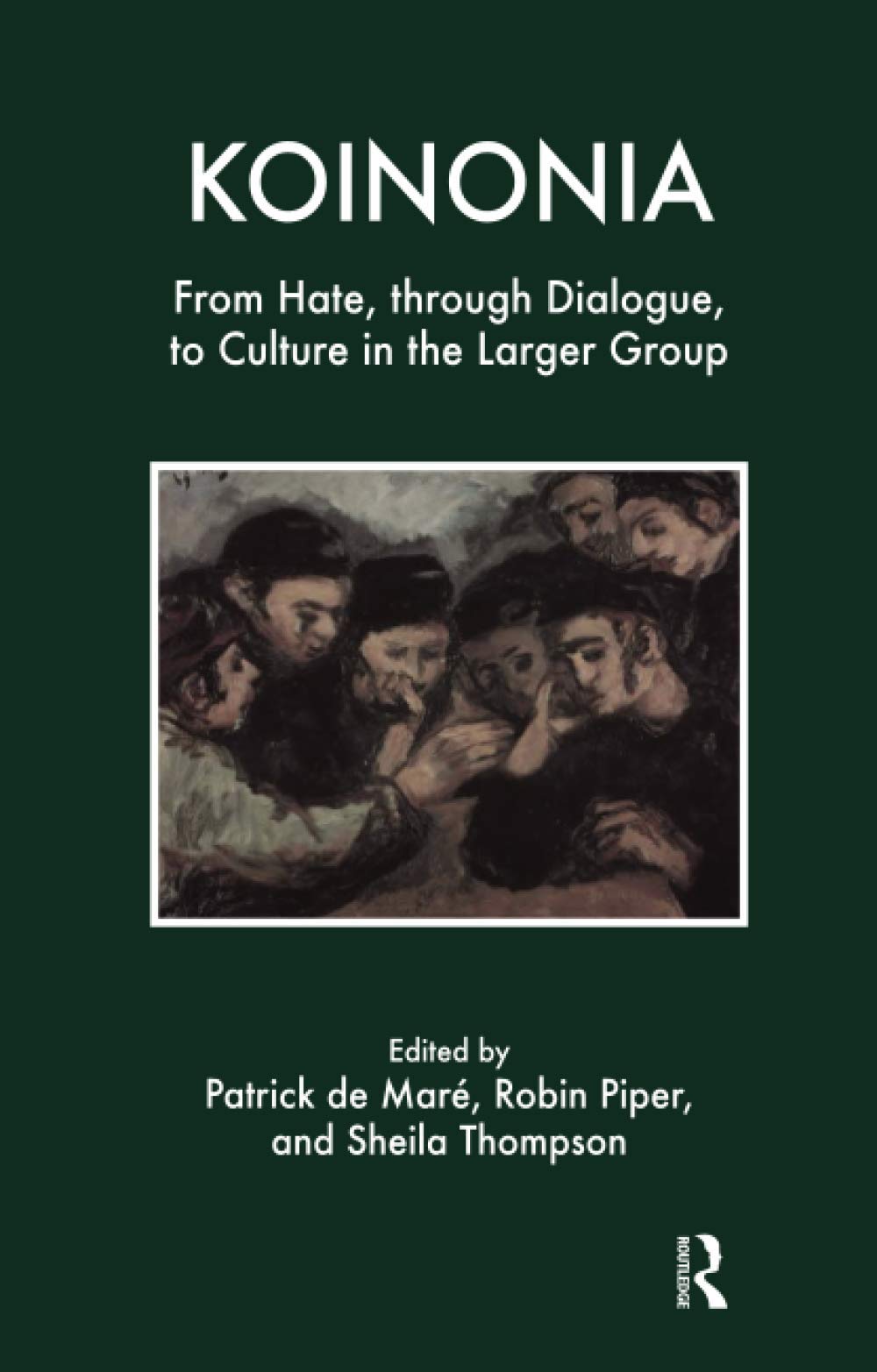
Koinonia: From Hate, Through Dialogue, to Culture in the Large Group by Patrick B. Demare
Psychology
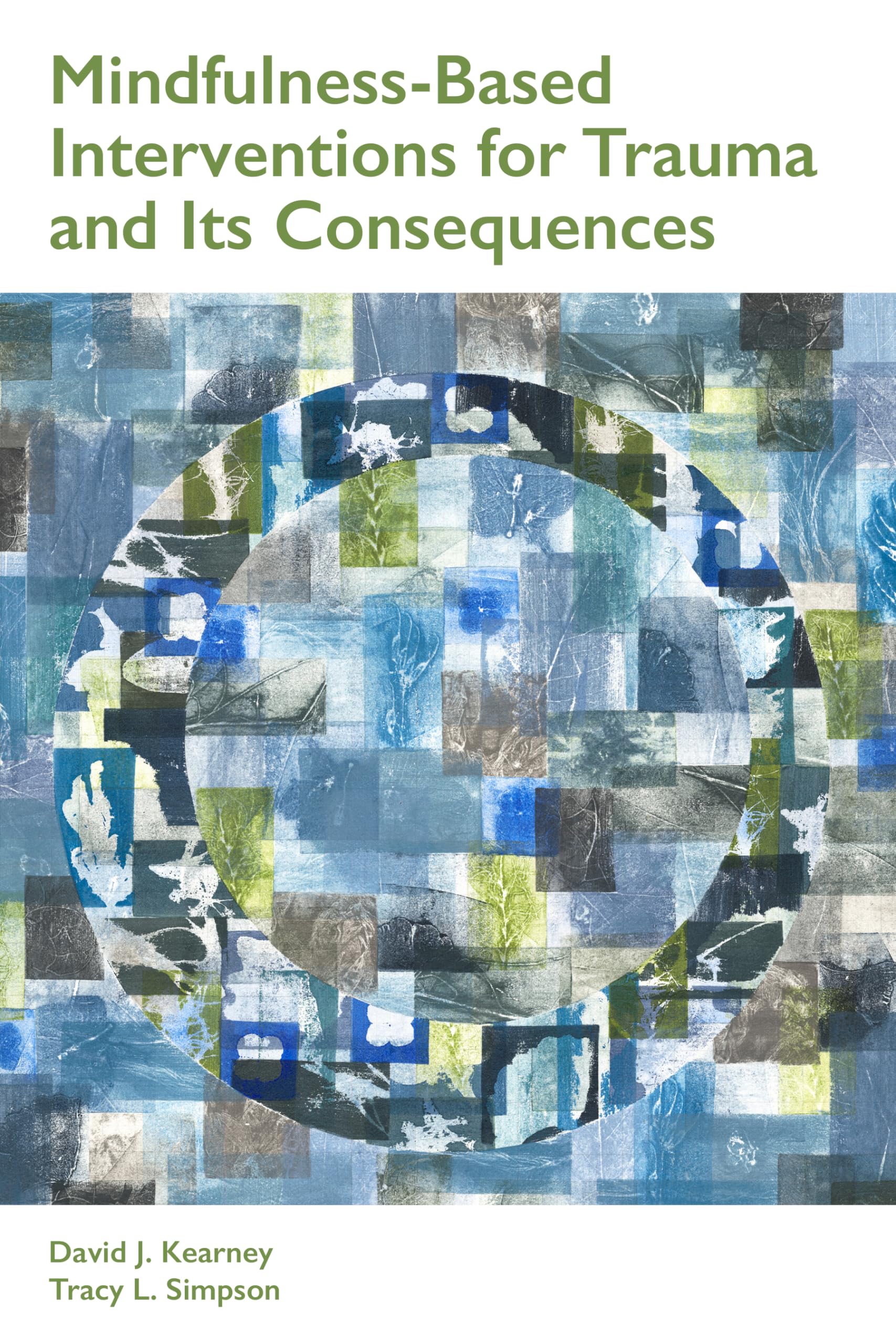
Mindfulness-Based Interventions for Trauma and Its Consequences (Concise Guides on Trauma Care, 4)

Psychology
Handbook for Teaching Statistics and Research Methods by Mark E. Ware

Psychology
Psychoanalysis and the Nuclear Threat: Clinical and Theoretical Studies

Psychology
Humor and Psyche: Psychoanalytic Perspectives by James W. Barron

Relationships
The Experience and Expression of Uncertainty in Close Relationships by Jennifer A. Theiss
Related Products
View AllPsychology
Mindfulness-Based Interventions for Trauma and Its Consequences (Concise Guides on Trauma Care, 4)
Psychology
Handbook for Teaching Statistics and Research Methods by Mark E. Ware
Psychology
Psychoanalysis and the Nuclear Threat: Clinical and Theoretical Studies
Psychology
Humor and Psyche: Psychoanalytic Perspectives by James W. Barron

Psychology
Proceedings of the First International Conference on Genetic Algorithms and Their Applications
Psychology