

Fiction and Metaphysics by Amie L. Thomasson – A Philosophy Book on Fictional Characters as Abstract Artifacts
Inclusive of all applicable taxes. FREE shipping on all orders.
Available Offers
- 🚚Free Delivery — Free shipping on all orders
- 💵Cash on Delivery — Pay when your order arrives
- ↩️15-Day Easy Returns — Hassle-free return policy
- 🔒Cash on Delivery — Pay safely when your order arrives
Check Delivery
Product Description
Introduction
Fiction and Metaphysics by Amie L. Thomasson is a groundbreaking work that repositions fiction from a peripheral topic in logic and philosophy of language to a central pillar of metaphysical inquiry. Published by Cambridge University Press, this hardcover edition offers Indian students, researchers, and philosophy enthusiasts a rigorous yet accessible exploration of how fictional entities shape our understanding of reality, culture, and social constructs. Thomasson’s ‘artifactual’ theory challenges conventional boundaries, making this book an essential addition to any serious metaphysical library.
Book Overview
In this compelling study, Thomasson argues that fictional characters—like Sherlock Holmes or Ganesha—are not mere illusions or linguistic tricks but abstract artifacts, as real as laws, symphonies, or literary works. She demonstrates how these entities emerge from human intentions and cultural practices, bridging the gap between the physical world and the mental states of individuals. By treating fiction as a model for understanding other social and cultural objects, the book opens new pathways for metaphysics, ontology, and philosophy of art. This is not just a book about fiction; it is a profound examination of how we create and interact with the abstract realm.
Key Highlights
- Original Artifactual Theory: Proposes that fictional characters are abstract artifacts created through human actions and intentions.
- Metaphysical Implications: Shows how fiction solves long-standing problems in metaphysics, including the nature of nonexistent objects.
- Interdisciplinary Relevance: Bridges philosophy of language, ontology, aesthetics, and social philosophy.
- Clear and Systematic: Written in an accessible style suitable for advanced undergraduates, postgraduates, and scholars.
- Critical Engagement: Engages with major figures like Quine, Meinong, Kripke, and Searle, offering fresh critiques.
Inside the Book
The book is divided into three parts. Part One establishes the artifactual view, arguing that fictional characters are created when authors compose stories, and they depend on both physical copies and mental acts for their existence. Part Two explores the ontological status of these entities, addressing questions about identity, persistence, and the boundaries of fiction. Part Three extends the theory to broader metaphysical issues, such as the nature of cultural objects, the role of intentionality, and the relationship between language and reality. Each chapter builds logically, with concrete examples from Indian and Western literature to ground abstract concepts.
Key Topics
- Artifactual theory of fiction and its foundations
- Ontology of fictional characters and nonexistent objects
- Creation, dependence, and persistence of abstract artifacts
- Fictional discourse, reference, and truth
- Social ontology and cultural objects
- Intentionality and the mind-world relationship
- Critique of metaphysical realism and nominalism
Reader Benefits
- Deepen Philosophical Understanding: Gain a robust framework for analyzing fiction, art, and social constructs.
- Enhance Critical Thinking: Develop skills to evaluate arguments about existence, creation, and reality.
- Bridge Theory and Practice: Connect abstract metaphysics to everyday phenomena like literature, law, and culture.
- Academic Edge: Ideal for exam preparation, research papers, and seminar discussions in Indian universities.
- Cultural Relevance: Apply concepts to Indian contexts—mythology, cinema, and oral traditions—making philosophy relatable.
Learning Outcomes
- Understand the artifactual theory and its contrast with traditional views.
- Analyze how fictional entities are created, sustained, and identified.
- Evaluate metaphysical arguments about abstract objects and social reality.
- Apply the theory to new cases, including Indian literary and cultural artifacts.
- Critique contemporary positions in ontology and philosophy of language.
Who Should Read
This book is ideal for undergraduate and postgraduate students of philosophy, especially those specializing in metaphysics, philosophy of language, or aesthetics. It is also highly valuable for scholars of literary theory, cultural studies, and social ontology. Indian readers engaged with debates about the reality of mythological figures, cinematic characters, or legal entities will find Thomasson’s framework particularly illuminating. Researchers in interdisciplinary fields like cognitive science, anthropology, and digital humanities will also benefit from its clear methodology.
About the Author
Amie L. Thomasson is a distinguished professor of philosophy known for her work in metaphysics, philosophy of mind, and philosophy of art. She has taught at the University of Miami and other leading institutions, and her research focuses on the nature of existence, intentionality, and social objects. Her writings are celebrated for their clarity, originality, and ability to make complex ideas accessible. Fiction and Metaphysics remains her most influential contribution to ontological debates.
About the Publisher
Cambridge University Press is one of the world’s oldest and most respected academic publishers, with a history dating back to 1534. Known for rigorous peer review and high editorial standards, Cambridge produces authoritative texts across all disciplines. This hardcover edition reflects the Press’s commitment to durable, high-quality academic books that support lifelong learning and research.
Conclusion
Fiction and Metaphysics is not merely a book about stories—it is a transformative lens through which to view reality itself. By placing fiction at the heart of metaphysics, Amie L. Thomasson offers Indian readers a powerful tool to understand how abstract objects shape our world. Whether you are a philosophy student, a curious intellectual, or a lover of literature, this book will change how you think about existence, creation, and the boundaries of the real. Add this essential volume to your collection from Bookshops.in and embark on a journey where fiction meets the foundations of being.
Quick Summary
Fiction and Metaphysics by Amie L. Thomasson is a groundbreaking work that repositions fiction from a peripheral topic in logic to a central concern of metaphysics. The book develops the 'artifactual theory' of fiction, arguing that fictional characters are abstract artifacts—real entities created through human mental states and cultural practices, much like laws, symphonies, or works of literature. Thomasson demonstrates how understanding fictional objects illuminates broader metaphysical questions about the nature of social and cultural reality, the relationship between mind and world, and the ontology of abstract entities. Written in a clear, analytical style, the book is ideal for advanced undergraduate and graduate philosophy students in India, as well as researchers in metaphysics, philosophy of language, and literary theory. By challenging traditional views, it offers a fresh framework that bridges literature and philosophy. Purchasing from Bookshops.in ensures you receive an authentic Cambridge University Press hardcover edition, delivered across India with reliable service.
Book Highlights
Book Specifications
| ISBN-13 | 9780521640800 |
| ISBN-10 | 0521640806 |
| Publisher | Cambridge University Press |
| Language | English |
| Dimensions | 15.24 x 1.91 x 22.86 cm |
| Weight | 363 g |
| Country | India |
| Category | Literature › Literary Theory |
| Genre | Philosophy |
| Original Language | English |
Frequently Asked Questions
What is the main argument of Fiction and Metaphysics?
Who is Amie L. Thomasson?
Is this book suitable for undergraduate students?
How does this book differ from other works on fiction?
What is the artifactual theory of fiction?
Does the book cover Indian philosophical perspectives?
What are some key concepts discussed?
Is this book only for philosophy students?
How is the book structured?
Can I use this book for a research paper?
Does the book include examples from Indian literature?
What is the price of this book on Bookshops.in?
Is this book available in paperback?
How does this book relate to social ontology?
Readers Also Search For
Related Products
View All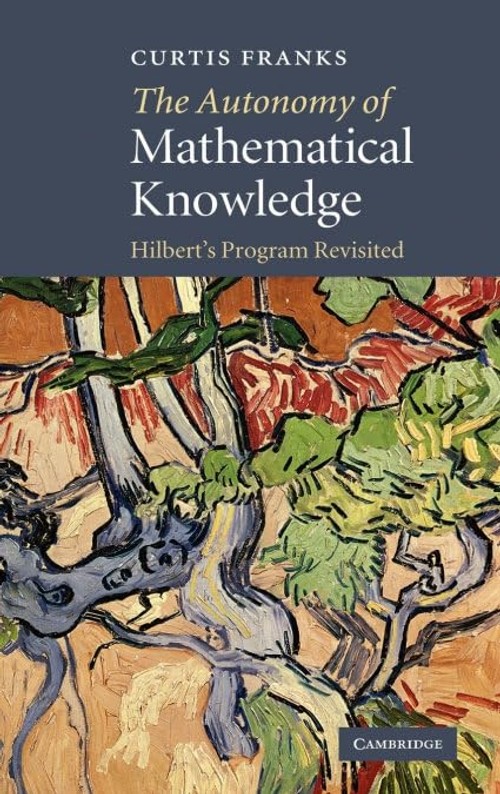
Science & Mathematics
The Autonomy of Mathematical Knowledge by Curtis Franks – Philosophy of Mathematics
Science & Mathematics
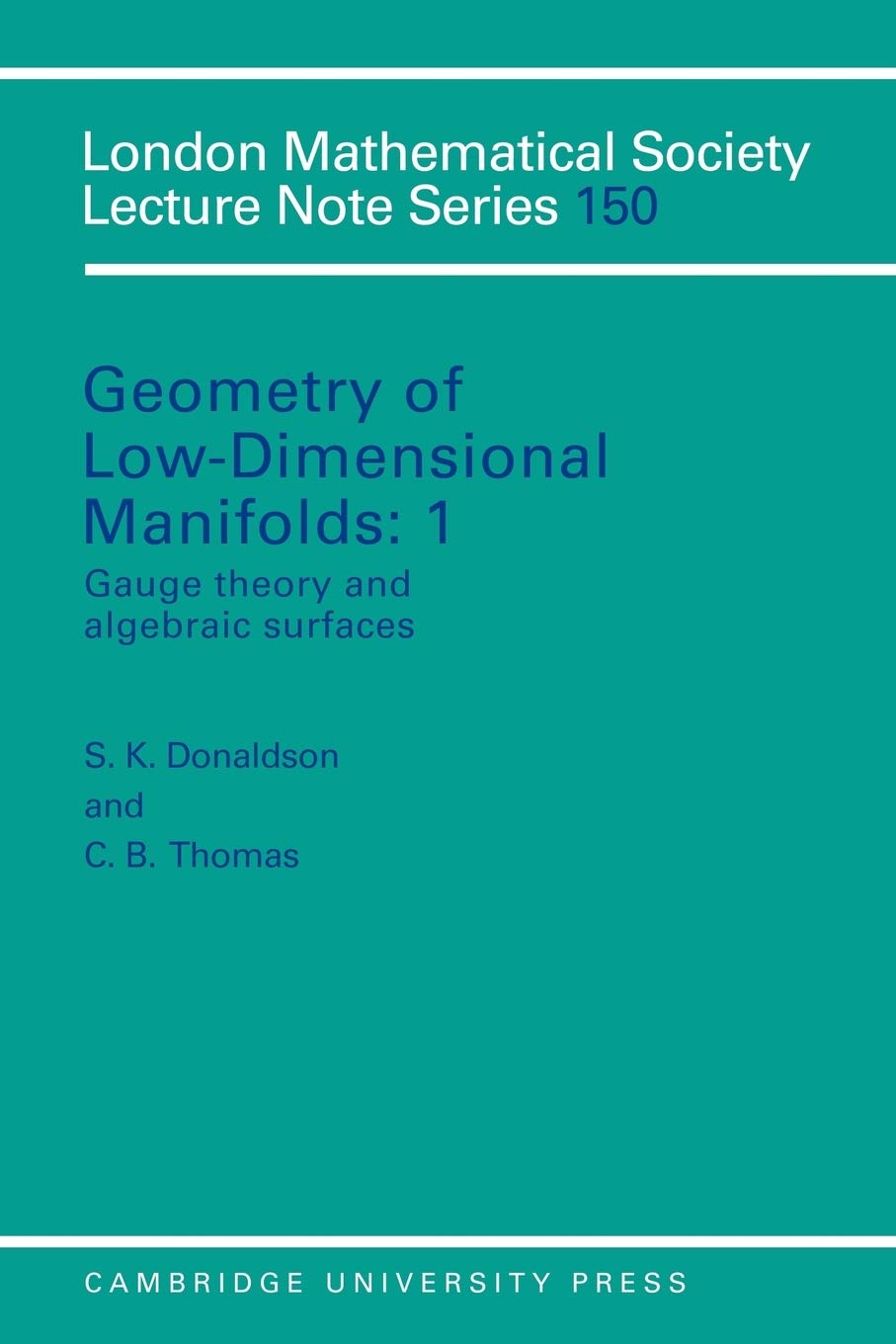
Geometry of Low-Dimensional Manifolds: Gauge Theory and Algebraic Surfaces by S. K. Donaldson
Science & Mathematics
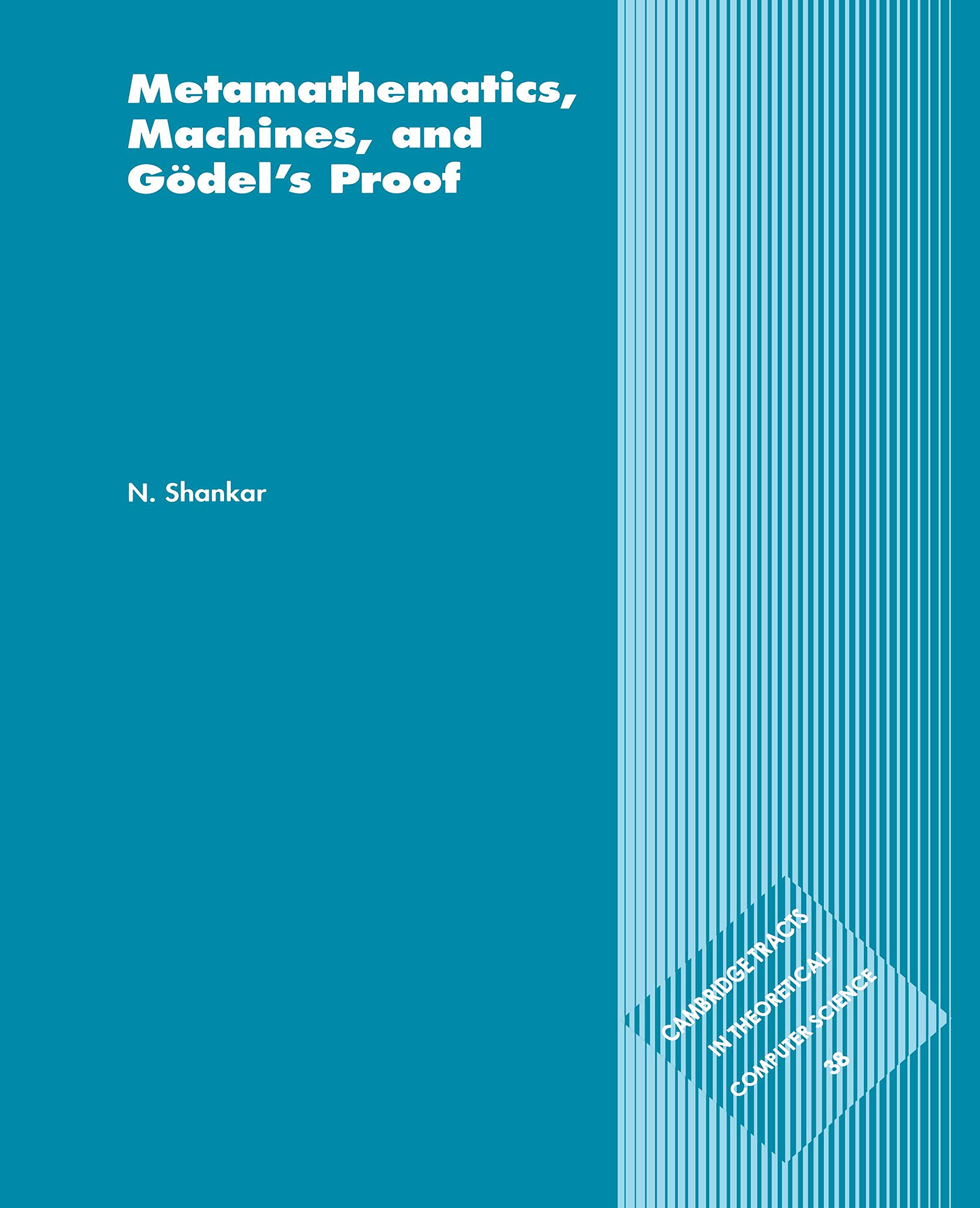
Metamathematics, Machines and Gödel's Proof by Natarajan Shankar

Science & Mathematics
Die enttäuschten Revolutionäre: Politisches Engagement vor und nach der Wende (Fragen Der Gesellschaft)

Science & Mathematics
Urbanism, Health and Human Biology in Industrialised Countries by Lawrence M. Schell

Science & Mathematics