
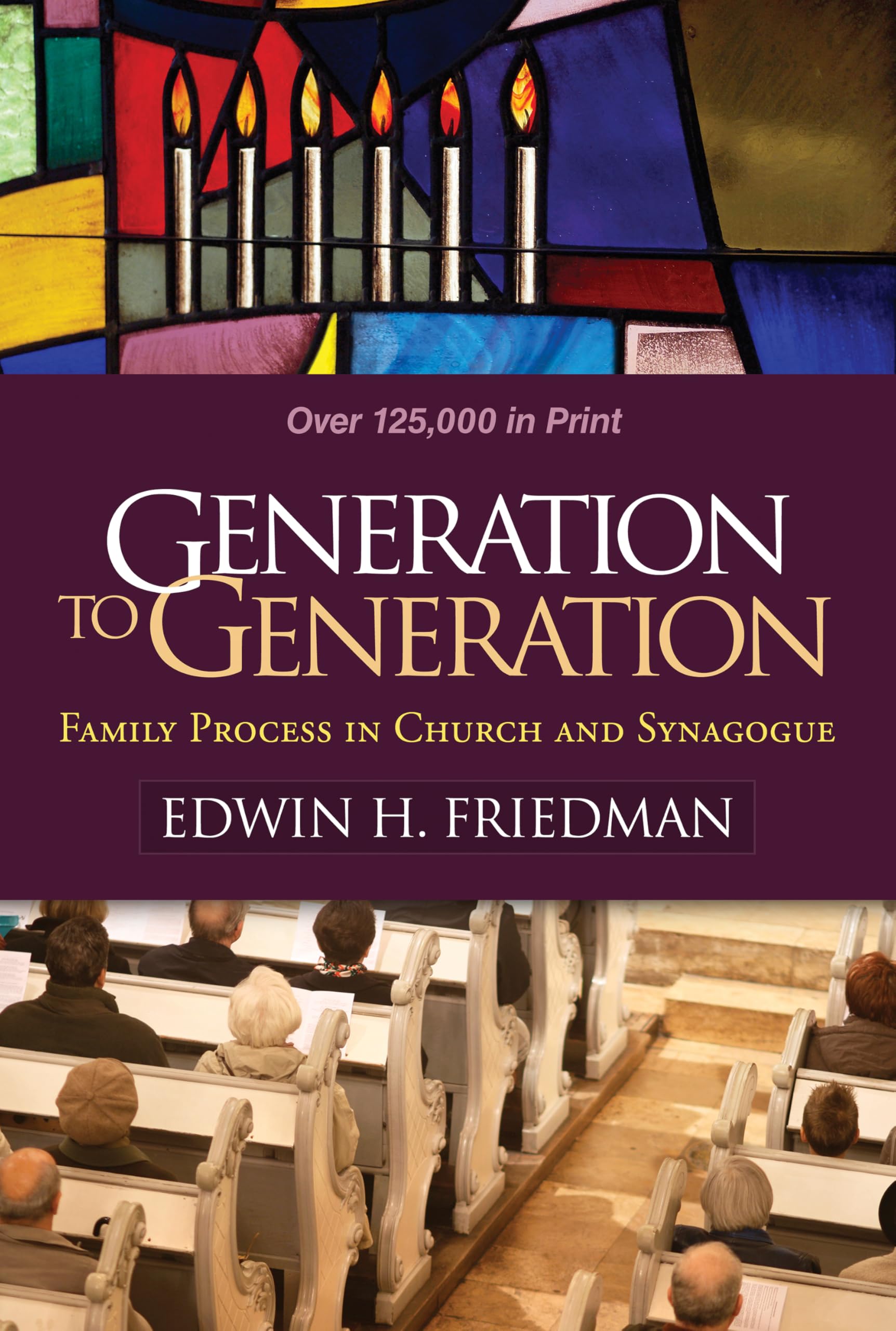
Generation to Generation: Family Process in Church and Synagogue by Edwin H. Friedman – A Transformative Guide for Congr
Inclusive of all applicable taxes. FREE shipping on all orders.
Available Offers
- 🚚Free Delivery — Free shipping on all orders
- 💵Cash on Delivery — Pay when your order arrives
- ↩️15-Day Easy Returns — Hassle-free return policy
- 🔒Cash on Delivery — Pay safely when your order arrives
Check Delivery
Product Description
Introduction
In the intricate dance between faith and human relationships, few books have offered as profound and practical a lens as Edwin H. Friedman's Generation to Generation: Family Process in Church and Synagogue. This classic work, published by Guilford Publications, bridges the worlds of family therapy and congregational life, providing clergy, counsellors, and students of pastoral care with a revolutionary framework for understanding the emotional systems within religious communities. For Indian readers navigating the rich tapestry of family traditions and spiritual institutions, this book offers timeless insights into how the patterns we inherit shape the congregations we lead.
Book Overview
First published in 1985 and now a standard text in seminaries and counselling programmes, Generation to Generation applies the core principles of systemic family therapy to the emotional dynamics of churches and synagogues. Edwin H. Friedman, a renowned family therapist and rabbi, argues that congregations function as emotional systems much like families, complete with multigenerational patterns, triangles, and anxious reactivity. The book explores how leaders can use their own self-differentiation to navigate conflict, reduce anxiety, and foster healthier communities. With a blend of clinical theory, theological reflection, and vivid case studies, Friedman presents a compelling case for understanding leadership as a function of emotional maturity rather than mere technique.
Key Highlights
- Pioneering integration of family systems theory with congregational life, making it a foundational text in pastoral theology.
- Practical case examples drawn from real congregations and families, illustrating how emotional processes play out in religious settings.
- Focus on the leader's own family of origin and how unresolved patterns can sabotage ministry and community health.
- Timeless relevance for Indian contexts where joint families, intergenerational expectations, and community bonds are deeply woven into religious practice.
Inside the Book
Friedman organises the book into three major parts. The first section introduces the core concepts of family systems theory—differentiation of self, triangles, emotional cutoffs, and multigenerational transmission—and translates them for a religious audience. The second section applies these ideas directly to pastoral situations: managing conflict, handling chronic anxiety, and working with families in crisis. The final section turns to leadership, exploring how clergy can function as non-anxious presences in anxious systems. Throughout, Friedman uses the metaphor of the leader as a ‘self-differentiated’ presence who can stay connected without being consumed by the emotional field.
Key Topics
- Family systems theory and its application to congregations
- Emotional triangles and how they create conflict in church and synagogue
- The role of the leader's own family history in shaping ministry
- Managing anxiety and reactivity in community settings
- Multigenerational patterns and their transmission across time
- Differentiation of self as a leadership skill
- Pastoral care as a systemic intervention
Reader Benefits
- Gain a new lens for understanding why congregations behave the way they do, especially during times of stress or change.
- Improve pastoral effectiveness by learning to see beyond surface issues to underlying emotional processes.
- Reduce personal burnout by recognising how your own family patterns may be triggered in ministry.
- Enhance counselling skills with a framework that works across cultures, including the family-centric traditions of India.
Learning Outcomes
Readers will be able to identify emotional triangles and their impact on congregational dynamics. They will understand how to increase their own self-differentiation to remain calm and clear in the midst of conflict. The book equips students and practitioners to assess multigenerational patterns in both families and congregations, and to design interventions that address the system rather than just the symptom. Ultimately, it fosters a deeper awareness of how leadership is shaped by emotional maturity, not just theological knowledge or administrative skill.
Who Should Read
- Clergy, pastors, and religious leaders from all traditions
- Students of pastoral care, counselling, and theology
- Family therapists and counsellors working with religious clients
- Lay leaders and church committee members seeking to understand congregational dynamics
- Anyone interested in the intersection of family systems, spirituality, and leadership
About the Author
Edwin H. Friedman (1932–1996) was a pioneering family therapist, rabbi, and educator. He served as a congregational rabbi for over two decades before becoming a leading figure in the field of family systems theory. A student of Murray Bowen, Friedman was known for his wit, clarity, and ability to translate complex psychological concepts into accessible language for clergy and laypeople alike. His other works include Friedman's Fables and A Failure of Nerve: Leadership in the Age of the Quick Fix, which continue to influence leaders across disciplines.
About the Publisher
Guilford Publications is a distinguished academic and professional publisher based in New York, specialising in psychology, psychiatry, and social work. Known for its rigorous editorial standards and influential authors, Guilford has been a trusted source for mental health professionals and educators since 1973. Their commitment to bridging theory and practice makes them the ideal home for a work as integrative and enduring as Generation to Generation.
Conclusion
Generation to Generation: Family Process in Church and Synagogue is more than a book—it is a companion for anyone who leads, counsels, or cares within a faith community. Edwin H. Friedman’s wisdom speaks directly to the emotional realities that shape our congregations and families, offering a path toward greater clarity, resilience, and connection. For Indian readers, where family and religion are deeply intertwined, this book provides a uniquely valuable framework for nurturing healthier spiritual communities across generations.
Quick Summary
Generation to Generation: Family Process in Church and Synagogue by Edwin H. Friedman is a groundbreaking work that applies family systems theory to the emotional life of religious congregations. Drawing on the pioneering work of Murray Bowen, Friedman shows how the same dynamics that shape families—triangles, differentiation, multigenerational patterns, and emotional reactivity—also operate in churches and synagogues. The book is written primarily for clergy, pastoral counselors, and family therapists, offering practical strategies for leading with a non-anxious presence and managing conflict effectively. Readers will learn to see congregational challenges through a systemic lens, reduce personal burnout, and foster healthier community relationships. This hardcover edition from Guilford Publications is a classic text in pastoral care and leadership courses. By choosing Bookshops.in, Indian readers receive a genuine, high-quality copy with reliable service. Whether you are a minister, rabbi, therapist, or seminary student, this book will transform how you understand and lead your faith community.
Book Highlights
Book Specifications
| ISBN-13 | 9780898620597 |
| ISBN-10 | 0898620597 |
| Publisher | Guilford Press |
| Language | English |
| Dimensions | 15.88 x 3.18 x 23.5 cm |
| Weight | 612 g |
| Category | Psychology › Psychotherapy |
| Genre | Religion & Spirituality |
| Original Language | English |
Frequently Asked Questions
What is Generation to Generation about?
Who is Edwin H. Friedman?
Is this book only for Christian clergy?
Can family therapists benefit from this book?
Does the book include case studies?
Is this book used in academic courses?
What is the main concept of the book?
How does this book help with pastoral burnout?
Is the book easy to read for non-therapists?
Does the book cover conflict resolution?
Is this a hardcover edition?
Can I use this book for a book club?
Why buy from Bookshops.in?
Readers Also Search For
Customers Also Bought
Psychology
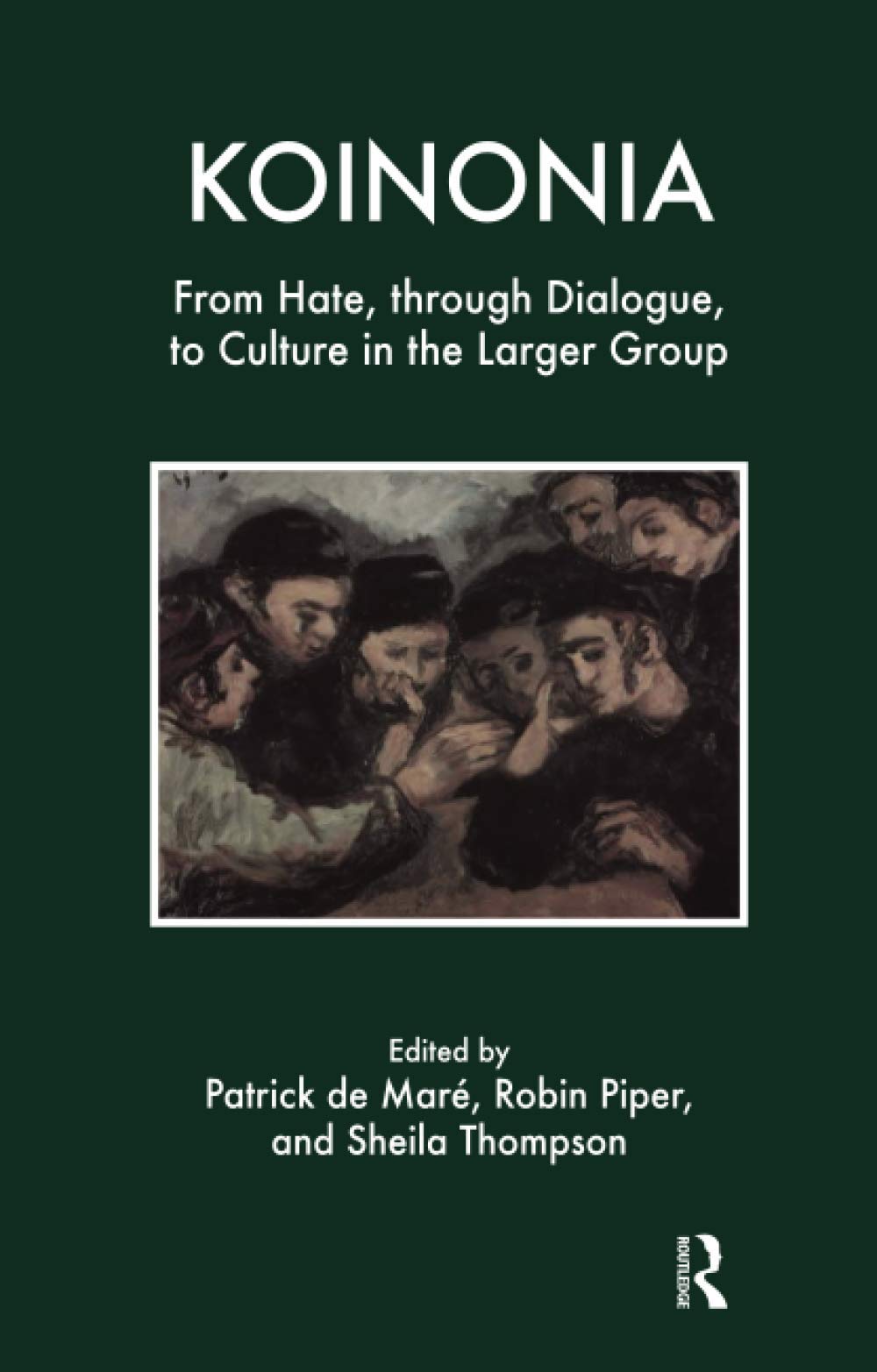
Koinonia: From Hate, Through Dialogue, to Culture in the Large Group by Patrick B. Demare
Psychology
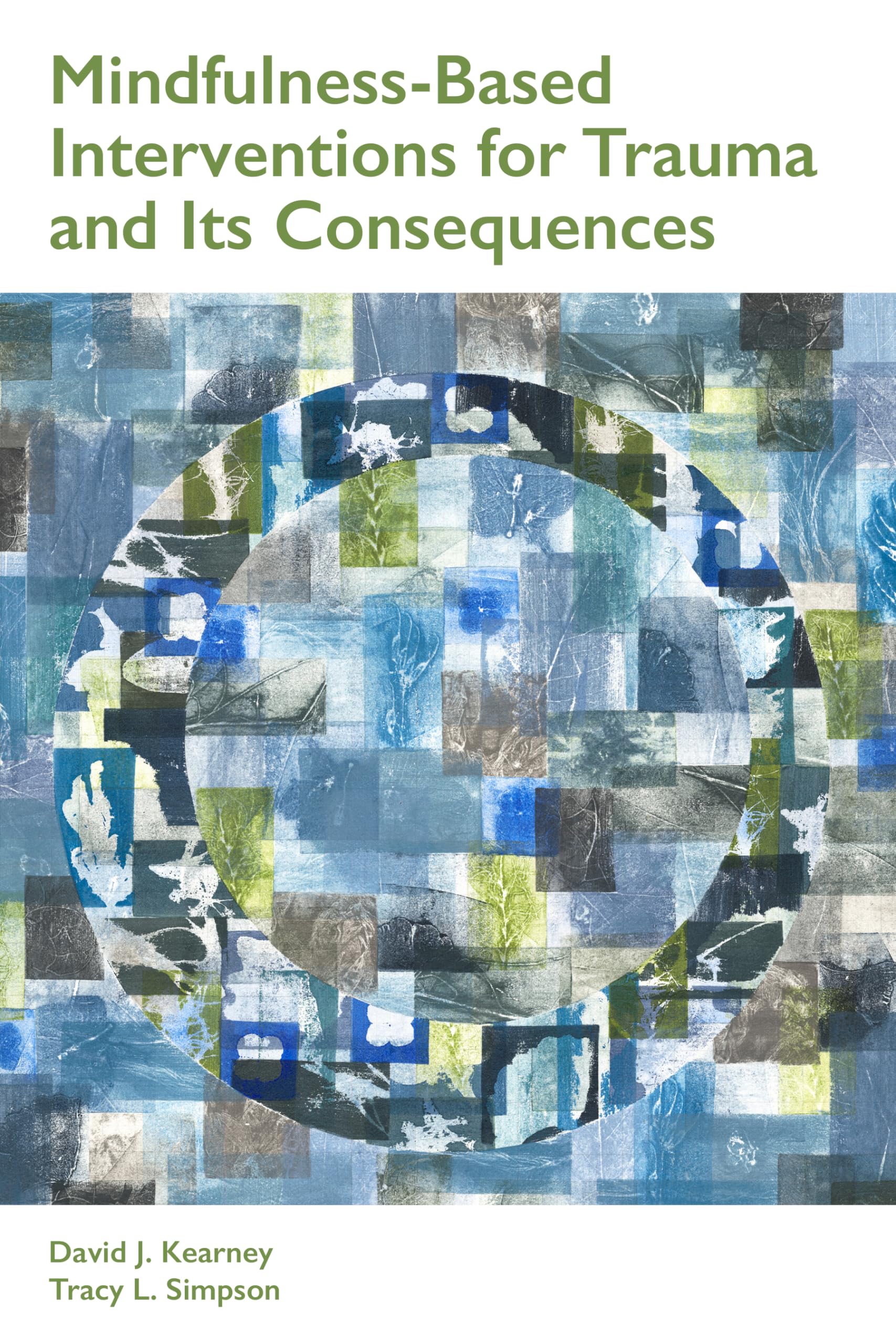
Mindfulness-Based Interventions for Trauma and Its Consequences (Concise Guides on Trauma Care, 4)

Psychology
Handbook for Teaching Statistics and Research Methods by Mark E. Ware

Psychology
Psychoanalysis and the Nuclear Threat: Clinical and Theoretical Studies
Psychology
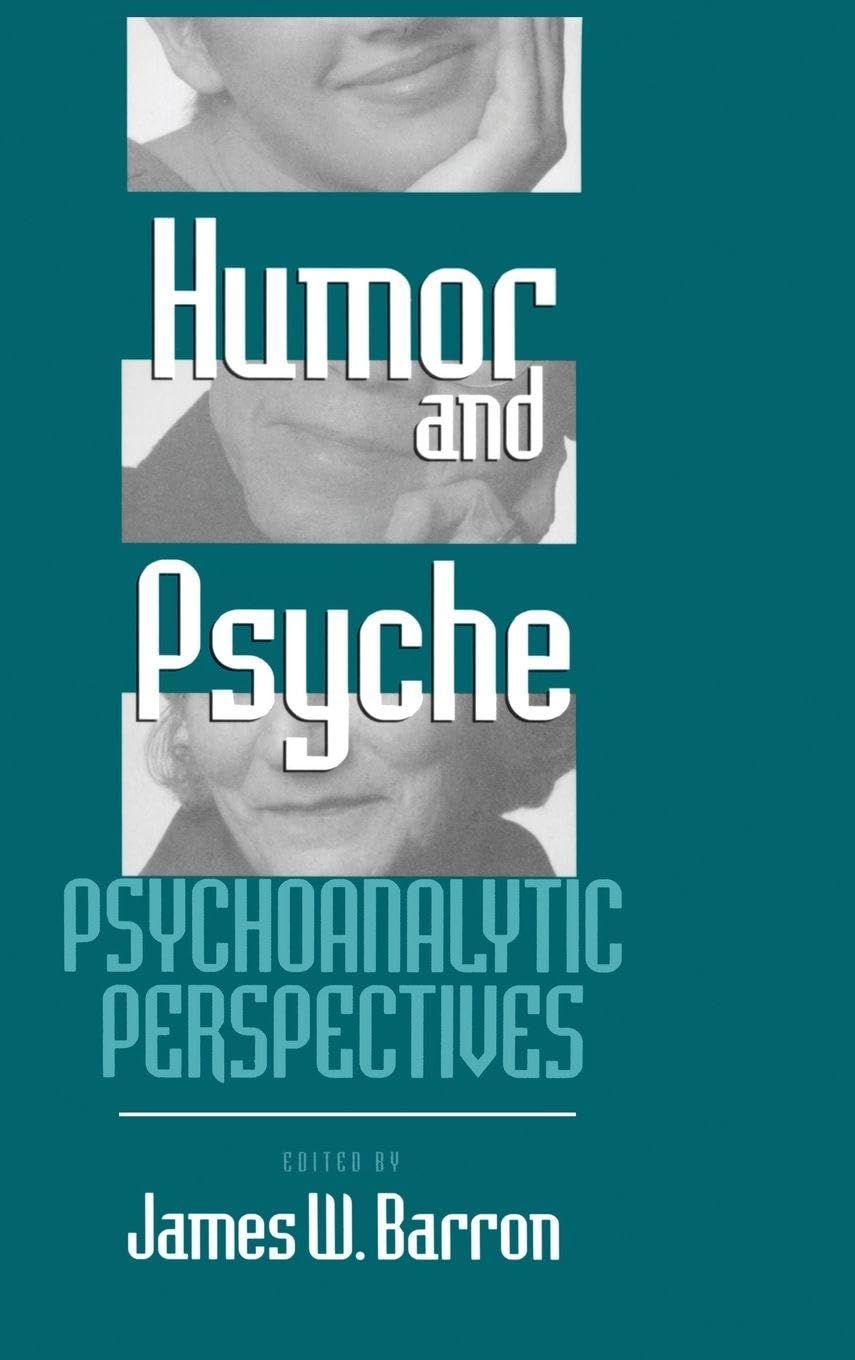
Humor and Psyche: Psychoanalytic Perspectives by James W. Barron

Relationships
The Experience and Expression of Uncertainty in Close Relationships by Jennifer A. Theiss
Related Products
View AllPsychology
Mindfulness-Based Interventions for Trauma and Its Consequences (Concise Guides on Trauma Care, 4)
Psychology
Handbook for Teaching Statistics and Research Methods by Mark E. Ware
Psychology
Psychoanalysis and the Nuclear Threat: Clinical and Theoretical Studies
Psychology
Humor and Psyche: Psychoanalytic Perspectives by James W. Barron

Psychology
Proceedings of the First International Conference on Genetic Algorithms and Their Applications
Psychology