
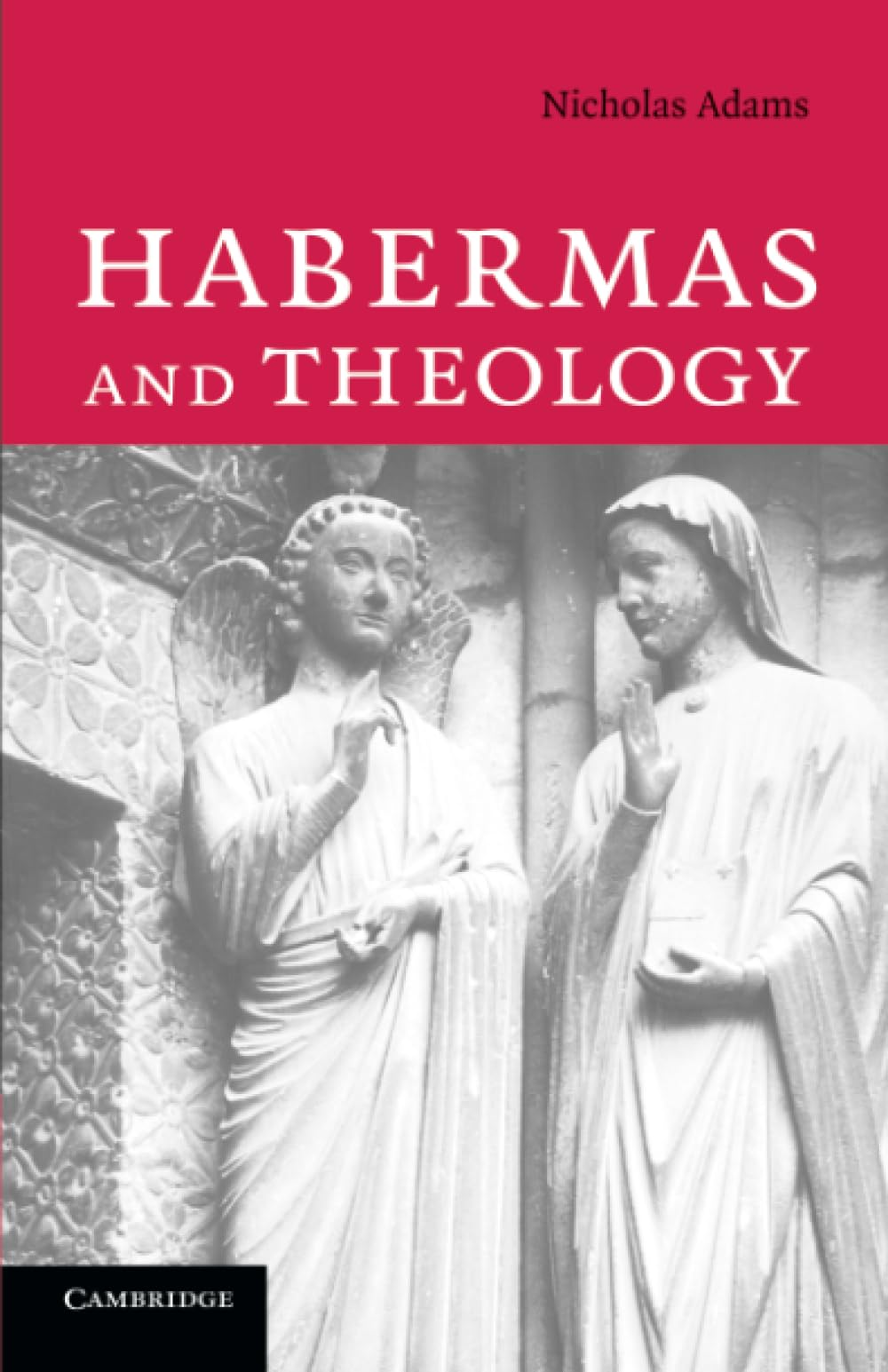
Habermas and Theology: A Critical Engagement with Public Reason and Religious Ethics by Nicholas Adams
Inclusive of all applicable taxes. FREE shipping on all orders.
Available Offers
- 🚚Free Delivery — Free shipping on all orders
- 💵Cash on Delivery — Pay when your order arrives
- ↩️15-Day Easy Returns — Hassle-free return policy
- 🔒Cash on Delivery — Pay safely when your order arrives
Check Delivery
Product Description
Introduction
In an increasingly interconnected world, the question of how religious traditions can engage in meaningful public debate is more urgent than ever. Habermas and Theology by Nicholas Adams offers a rigorous and accessible exploration of this critical issue. Published by Cambridge University Press, this hardcover volume is an essential resource for students, scholars, and anyone interested in the intersection of philosophy, religion, and public life. Adams brings a fresh perspective to the work of Jürgen Habermas, one of the most influential thinkers of our time, and challenges conventional assumptions about the role of faith in democratic discourse.
Book Overview
This book provides a comprehensive examination of Habermas’s evolving thought on religion and public reason. Nicholas Adams carefully unpacks Habermas’s key texts, from his early work on communicative action to his later writings on post-secular society. Rather than simply summarizing, Adams engages critically with Habermas’s arguments, particularly those that portray religious traditions as either irrational or static. The book proposes a bold alternative: instead of asking believers to set aside their deepest convictions when entering public debate, Adams argues that religious traditions should make their reasoning public and transparent. He introduces ‘scriptural reasoning’ as a practical model for interfaith dialogue that respects difference while fostering genuine understanding.
Key Highlights
- Critical Engagement with Habermas: Adams offers a detailed and fair critique of Habermas’s views on religion, rebutting claims about the irrationality of faith.
- Original Argument: The book presents a compelling case for why religious traditions must bring their full reasoning into the public sphere, rather than suspending it.
- Scriptural Reasoning Model: Introduces a practical, dialogical approach where members of different faiths learn from each other’s patterns of disagreement.
- Accessible Yet Scholarly: Complex philosophical ideas are explained clearly, making the book suitable for both advanced students and general readers.
- Timely Relevance: Addresses contemporary debates about secularism, pluralism, and the place of religion in democracy.
Inside the Book
Structured around key themes in Habermas’s career, the book moves from his early theory of communicative rationality to his later reflections on religion in the public square. Adams provides detailed commentary on difficult texts, ensuring that readers can follow the argument even if they are new to Habermas. The second half of the book develops Adams’s own constructive proposal, drawing on examples from Jewish, Christian, and Islamic traditions. The writing is engaging and avoids unnecessary jargon, making it a pleasure to read for anyone interested in philosophy of religion or political theory.
Key Topics
- Habermas’s theory of communicative action and its implications for religion
- The concept of the public sphere and religious discourse
- Post-secular society and the role of faith in democracy
- Critique of the ‘privatization’ of religious reasoning
- Scriptural reasoning as a model for interfaith dialogue
- Disagreement and moral development within religious traditions
Reader Benefits
- Deepen Understanding: Gain a thorough grasp of Habermas’s complex ideas on religion and public reason.
- Critical Thinking: Learn to evaluate arguments about secularism and religious rationality from multiple perspectives.
- Practical Insights: Discover how scriptural reasoning can be applied in real-world interfaith settings.
- Academic Edge: Ideal for students writing papers or preparing for exams in theology, philosophy, or political science.
- Broaden Horizons: Engage with a thought-provoking approach that challenges both secular and religious assumptions.
Learning Outcomes
By reading this book, you will be able to: articulate Habermas’s key arguments about religion in the public sphere; critically assess the strengths and weaknesses of his position; explain why religious traditions are not static or inherently irrational; describe the practice of scriptural reasoning and its potential for fostering dialogue; and apply these insights to contemporary debates about faith, reason, and democracy in India and beyond.
Who Should Read
- Students and scholars of theology, philosophy, and religious studies
- Political scientists and sociologists interested in religion and public life
- Religious leaders and interfaith practitioners seeking new models for dialogue
- General readers curious about the role of faith in a pluralistic society
- Anyone who wants to understand how different traditions can debate without losing their identity
About the Author
Nicholas Adams is a professor of philosophical theology at the University of Birmingham, UK. He has written extensively on the intersection of philosophy and theology, with a particular focus on German thought and interfaith dialogue. His work is known for its clarity, fairness, and willingness to challenge established positions. Adams is also actively involved in the practice of scriptural reasoning, bringing his academic insights into real-world conversations between Jews, Christians, and Muslims.
About the Publisher
Cambridge University Press is one of the world’s oldest and most respected academic publishers. Founded in 1534, it has a long tradition of producing high-quality scholarly works that shape intellectual discourse across disciplines. This hardcover edition reflects the Press’s commitment to rigorous scholarship and elegant production, making it a durable addition to any library.
Conclusion
Habermas and Theology is a vital contribution to the ongoing conversation about religion and public reason. Nicholas Adams offers a nuanced, original, and deeply humane vision for how religious traditions can participate in democratic debate without sacrificing their integrity. Whether you are a student, a scholar, or a curious reader, this book will challenge your assumptions and enrich your understanding of faith in the modern world. Order your copy from Bookshops.in today and join the dialogue.
Quick Summary
Habermas and Theology by Nicholas Adams is a rigorous academic work that examines Jürgen Habermas's influential ideas about the role of religion in the public sphere. Adams provides a detailed commentary on Habermas's entire corpus, from his early critical theory to his later writings on post-secular society. The book critically rebuts Habermas's assumptions that religious thought is inherently irrational or static. Instead, Adams argues that religious traditions possess dynamic ethical frameworks that evolve through ongoing disagreement. He proposes that authentic public debate requires participants to understand each other's patterns of disagreement, not merely to seek consensus by suspending deep convictions. This book is ideally suited for Indian students and scholars of theology, philosophy, political science, and religious studies who are interested in interfaith dialogue, secularism, and democratic theory. By purchasing from Bookshops.in, readers receive a high-quality hardcover edition from Cambridge University Press, ensuring a durable reference for years of study.
Book Highlights
Book Specifications
| ISBN-13 | 9780521681148 |
| ISBN-10 | 0521681146 |
| Publisher | Cambridge University Press |
| Language | English |
| Dimensions | 13.97 x 1.6 x 21.59 cm |
| Weight | 330 g |
| Country | India |
| Category | Philosophy › History & Surveys |
| Genre | Non-fiction |
| Original Language | English |
Frequently Asked Questions
What is Habermas and Theology about?
Who is the author of this book?
Is this book suitable for Indian readers?
What is the main argument of the book?
Does the book cover all of Habermas's work?
Is this a textbook?
What format is the book available in?
What is the ISBN?
What language is the book in?
Is this book part of a series?
Can this book help with interfaith dialogue?
What is the price of the book?
Where can I buy this book in India?
Readers Also Search For
Customers Also Bought
Islam
Spiritual Economies (English, Daromir Rudnyckyj)

Islam
Who Is Allah? (English, Bruce B. Lawrence)
Islam
Islam and Liberal Citizenship: The Search for an Overlapping Consensus by Andrew F. March
Islam
Fiqh Us-Sunnah: Funerals and Diggers by Al-Sayyid Sabiq – Islamic Funeral Guide

Christianity
Genetics (English, Thomas a. Shannon | Mark P. Aulisio | Françoise Baylis)

Hinduism
Karma and Creativity by Christopher Key Chapple – Indian Philosophy
Related Products
View All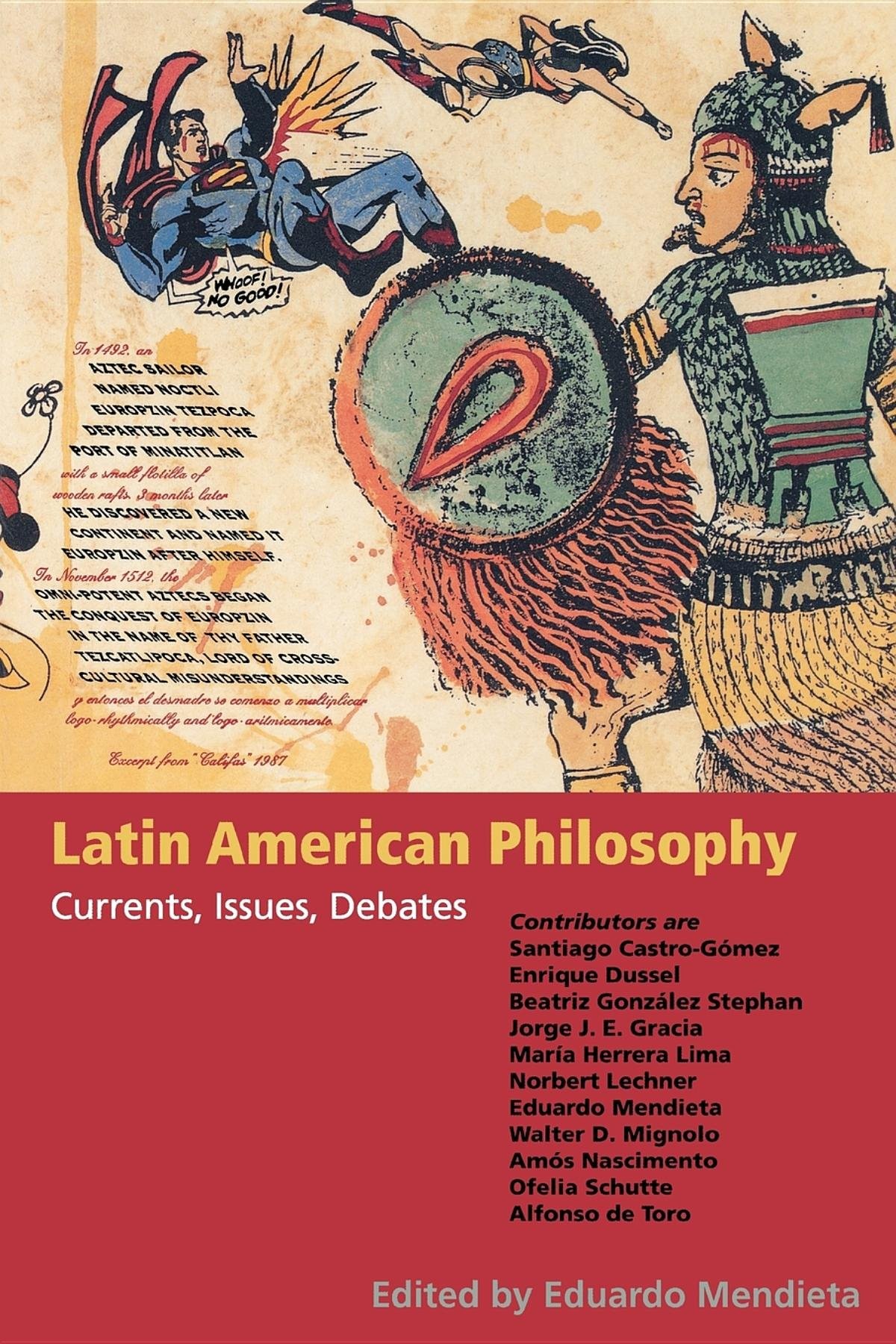
Philosophy
Latin American Philosophy: Currents, Issues, Debates by Eduardo Mendieta

Philosophy
Al-Farabi's Short Commentary on Aristotle's Prior Analytics by Nicholas Rescher – Philosophy
Philosophy
Poetics of Imagining: Modern to Post-modern by Richard Kearney
Philosophy
The Metaphysics of Extrinsic Properties: 11 (Metaphysical Research, 11)
Philosophy
Dialogues on Metaphysics and on Religion by Nicolas Malebranche – Philosophy
Philosophy