
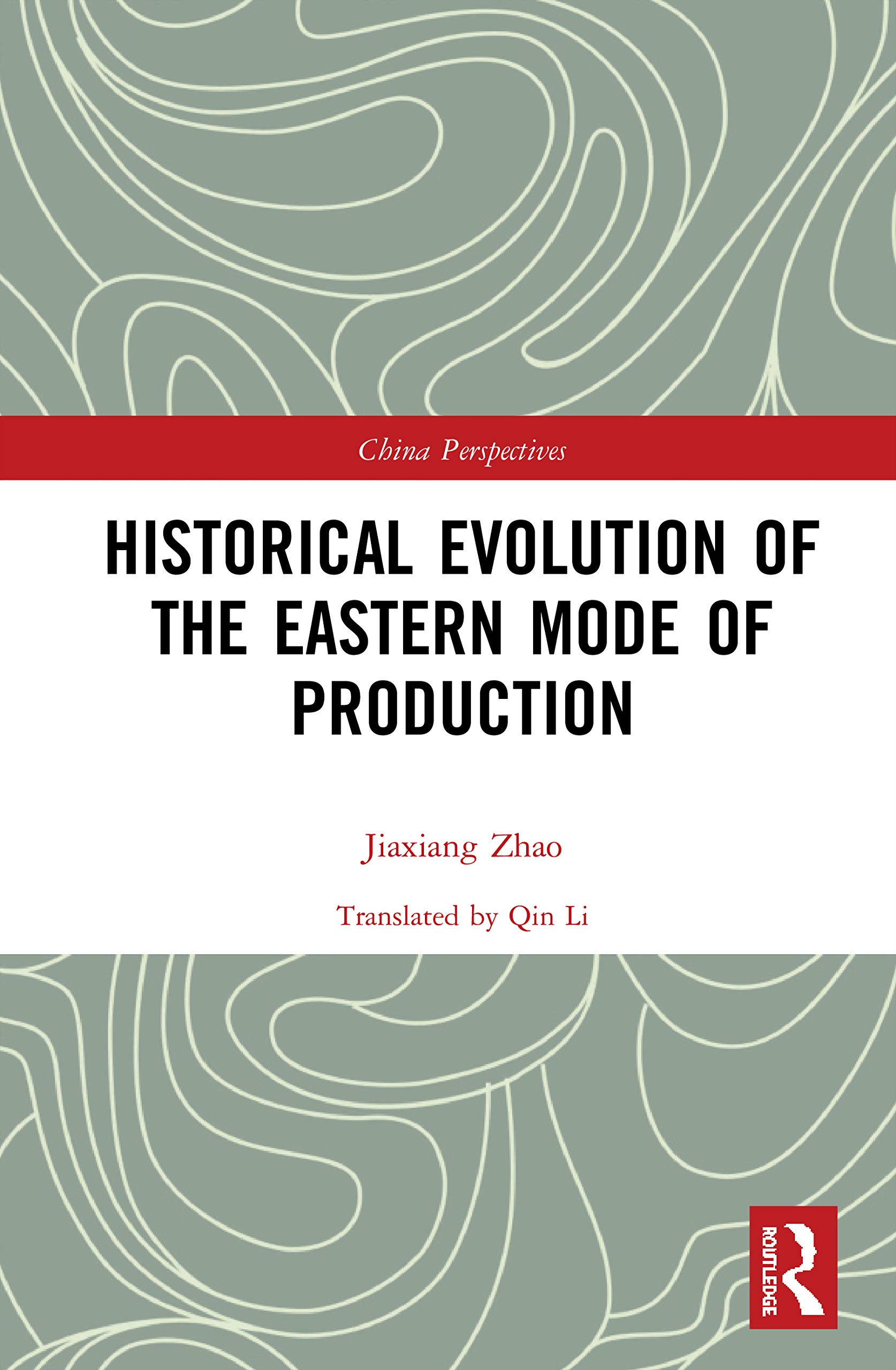
Historical Evolution of the Eastern Mode of Production by Jiaxiang Zhao: Marxist Perspectives on Eastern Societies and H
Inclusive of all applicable taxes. FREE shipping on all orders.
Available Offers
- 🚚Free Delivery — Free shipping on all orders
- 💵Cash on Delivery — Pay when your order arrives
- ↩️15-Day Easy Returns — Hassle-free return policy
- 🔒Cash on Delivery — Pay safely when your order arrives
Check Delivery
Product Description
Introduction
Dive deep into the foundational debates of Marxist theory with Jiaxiang Zhao's Historical Evolution of the Eastern Mode of Production, a rigorous academic work that re-examines the development trajectory of Eastern societies. Published by Routledge, this hardcover volume is an essential resource for scholars, students, and researchers in political science, history, and sociology. It offers a fresh lens on Marx and Engels' historical materialism, specifically how the 'Asiatic mode of production' shaped the path of non-Western civilizations. For Indian readers, this book is particularly relevant as it addresses the unique socio-economic structures of Eastern societies, including the Indian subcontinent, providing a critical framework to understand our own historical evolution.
Book Overview
This second volume in Zhao's four-part series focuses on the interplay between Marx and Engels' general laws of historical development and their specific theories on Eastern societies. The author argues that historical materialism and the theory of the 'Asiatic mode of production' are not contradictory but deeply interconnected. By tracing the evolution of this concept from Marx's early writings to later interpretations, Zhao reveals how Eastern societies followed a distinct developmental logic—one that challenges simplistic linear models of history. The book systematically unpacks the relationship between the 'five social forms' theory and the Eastern mode, offering a nuanced understanding of how class, state, and property relations evolved outside the Western European context.
Key Highlights
- Original Theoretical Synthesis: Integrates Marx and Engels' scattered writings on Eastern societies into a coherent analytical framework.
- Critical Re-examination: Challenges conventional Marxist interpretations that dismiss the 'Asiatic mode' as a minor deviation.
- Comparative Historical Analysis: Draws on examples from India, China, and other Asian civilizations to illustrate the theory's applicability.
- Rigorous Scholarly Approach: Combines close textual analysis of original Marxist texts with empirical historical evidence.
- Relevance to Contemporary Debates: Provides tools for understanding modern state formations and developmental paths in the Global South.
Inside the Book
The book is structured to guide readers from foundational concepts to advanced theoretical debates. The opening chapters establish the core principles of historical materialism as laid out by Marx and Engels, emphasizing the role of productive forces and relations of production. Subsequent sections delve into the specific characteristics of the 'Asiatic mode'—the absence of private property in land, the centrality of the state in irrigation and public works, and the persistence of village communities. Zhao then traces how these features were debated among later Marxist thinkers, from Lenin to contemporary scholars. The final chapters synthesize these insights to argue for a more flexible, multilinear model of historical development that accommodates the unique trajectories of Eastern societies.
Key Topics
- Marx and Engels' historical materialism and its universal applicability
- The 'Asiatic mode of production' as a distinct socio-economic formation
- Relationship between the 'five social forms' theory and Eastern development
- Role of the state, property, and class in pre-colonial Asian societies
- Debates on the transition from feudalism to capitalism in the East
- Implications for understanding socialist revolutions in Russia, China, and India
- Critique of Eurocentric interpretations of world history
Reader Benefits
- Deepen Your Marxist Theory: Gain a sophisticated understanding of how historical materialism applies beyond Europe.
- Contextualize Indian History: Use the 'Asiatic mode' framework to analyze India's pre-colonial and colonial economic structures.
- Enhance Academic Research: Access a comprehensive reference for debates on Eastern societies and development studies.
- Critical Thinking Skills: Learn to question linear historical narratives and appreciate diverse developmental paths.
- Bridge Theory and Practice: Connect classical Marxist theory to contemporary issues of state formation and economic development.
Learning Outcomes
By engaging with this book, readers will be able to: articulate the core principles of Marx and Engels' historical materialism and their specific application to Eastern societies; critically evaluate the debates surrounding the 'Asiatic mode of production' and its relevance to non-Western history; analyze the relationship between the 'five social forms' theory and the Eastern developmental trajectory; apply the concept of the Eastern mode of production to case studies from India, China, and other Asian regions; and assess the implications of these theories for understanding modern socialist movements and state-building projects in the Global South.
Who Should Read
This book is ideal for postgraduate students and researchers in Marxist theory, political economy, historical sociology, and Asian studies. It is also highly recommended for faculty teaching courses on social theory, comparative history, or development studies. Additionally, activists and intellectuals interested in the theoretical foundations of socialism in non-Western contexts will find it invaluable. For Indian readers, the book offers a rare opportunity to explore how classical Marxist categories can be adapted to understand the subcontinent's unique historical path—from the Mauryan state to the Mughal Empire and beyond.
About the Author
Jiaxiang Zhao is a distinguished Marxist scholar whose work focuses on the historical development of Eastern societies. With a deep command of both classical Marxist texts and the historical records of Asian civilizations, Zhao brings a unique interdisciplinary perspective to the study of social formations. His four-volume series, of which this book is a part, represents a landmark contribution to the field, challenging orthodox interpretations and opening new avenues for research. Zhao's writing is characterized by meticulous scholarship, clear argumentation, and a commitment to making complex theoretical ideas accessible to a broad academic audience.
About the Publisher
Routledge is one of the world's leading academic publishers, renowned for its extensive catalogue in the humanities and social sciences. With a history spanning over 150 years, Routledge is committed to publishing cutting-edge research that advances scholarly discourse. This volume is part of their China Perspectives series, which brings influential Chinese academic works to a global readership. The publisher's rigorous peer-review process ensures that every title meets the highest standards of academic excellence. For Indian students and researchers, Routledge books are a trusted source of authoritative knowledge in fields such as political theory, history, and sociology.
Conclusion
Historical Evolution of the Eastern Mode of Production is more than a scholarly monograph; it is a vital intervention in debates about the nature of historical development. By restoring the 'Asiatic mode of production' to its rightful place within Marxist theory, Jiaxiang Zhao provides readers with the conceptual tools to understand the distinct paths taken by Eastern societies—including India. This hardcover edition from Routledge is a must-have for any serious academic library. Whether you are a student grappling with Marxist theory or a researcher exploring comparative history, this book will deepen your understanding and challenge your assumptions. Order your copy today from Bookshops.in and add this essential work to your collection.
Quick Summary
This book, 'Historical Evolution of the Eastern Mode of Production' by Jiaxiang Zhao, is a critical academic work that re-examines Marx and Engels' theories on the development trajectory of Eastern societies. It focuses on historical materialism and the Asiatic mode of production, arguing that these concepts are compatible and interconnected when applied to Eastern contexts. The author integrates theoretical analysis with historical investigation of socialist revolutions and construction worldwide, offering a nuanced perspective for scholars. The book is ideal for Indian postgraduate students, researchers, and academics in political science, sociology, and history who want to deepen their understanding of Marxist theory outside Western frameworks. Readers will learn about the general laws of historical development, the evolution of pre-capitalist formations in the East, and the practical implications of socialist thought. By purchasing from Bookshops.in, you get a genuine Routledge hardcover edition delivered to your doorstep in India, backed by a trusted online bookstore that specializes in academic and scholarly books.
Book Highlights
Book Specifications
| ISBN-13 | 9780367476878 |
| ISBN-10 | 0367476878 |
| Publisher | Taylor & Francis |
| Language | English |
| Dimensions | 15.88 x 1.27 x 24.13 cm |
| Weight | 295 g |
| Category | Philosophy › History & Surveys |
| Series | The Development Trajectory of Eastern Societies and the Theories and Practices of Socialism |
| Genre | Academic |
| Reading Age | Adult |
| Original Language | English |
Frequently Asked Questions
What is the main focus of this book?
Who is the author Jiaxiang Zhao?
Is this book suitable for Indian students?
Does this book cover the Asiatic mode of production?
Is this book part of a series?
What language is the book written in?
What is the ISBN of this book?
Who is the publisher?
What binding is available?
What is the price of this book in India?
Can I use this book for my PhD research?
Does the book discuss socialist revolutions in Asia?
Why should I buy this book from Bookshops.in?
Readers Also Search For
Customers Also Bought
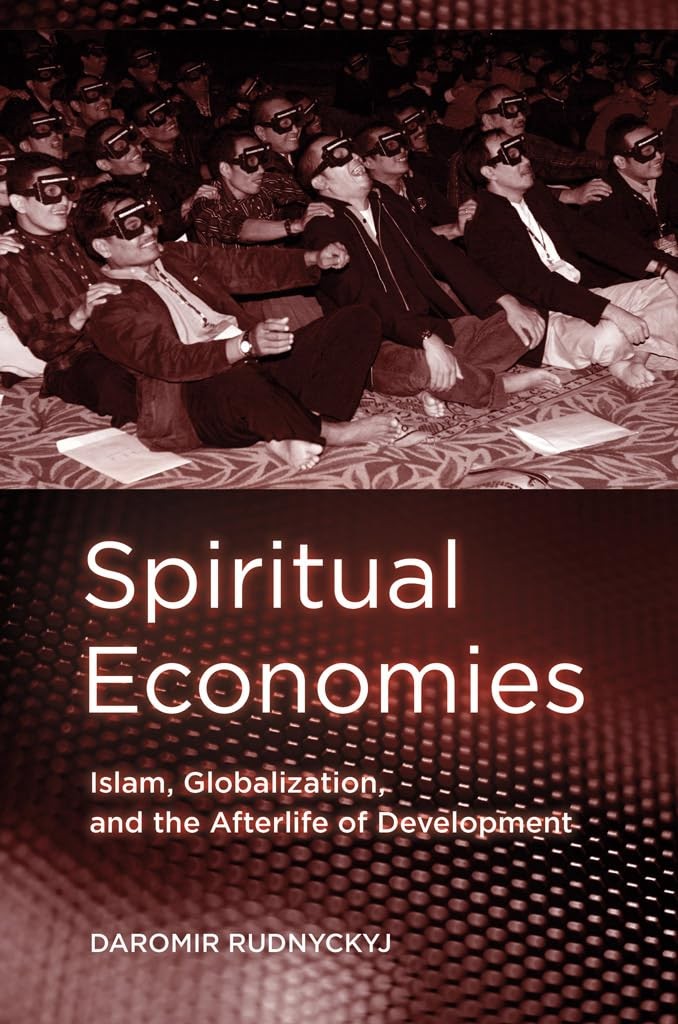
Islam
Spiritual Economies (English, Daromir Rudnyckyj)

Islam
Who Is Allah? (English, Bruce B. Lawrence)
Islam
Islam and Liberal Citizenship: The Search for an Overlapping Consensus by Andrew F. March
Islam
Fiqh Us-Sunnah: Funerals and Diggers by Al-Sayyid Sabiq – Islamic Funeral Guide

Christianity
Genetics (English, Thomas a. Shannon | Mark P. Aulisio | Françoise Baylis)

Hinduism
Karma and Creativity by Christopher Key Chapple – Indian Philosophy
Related Products
View All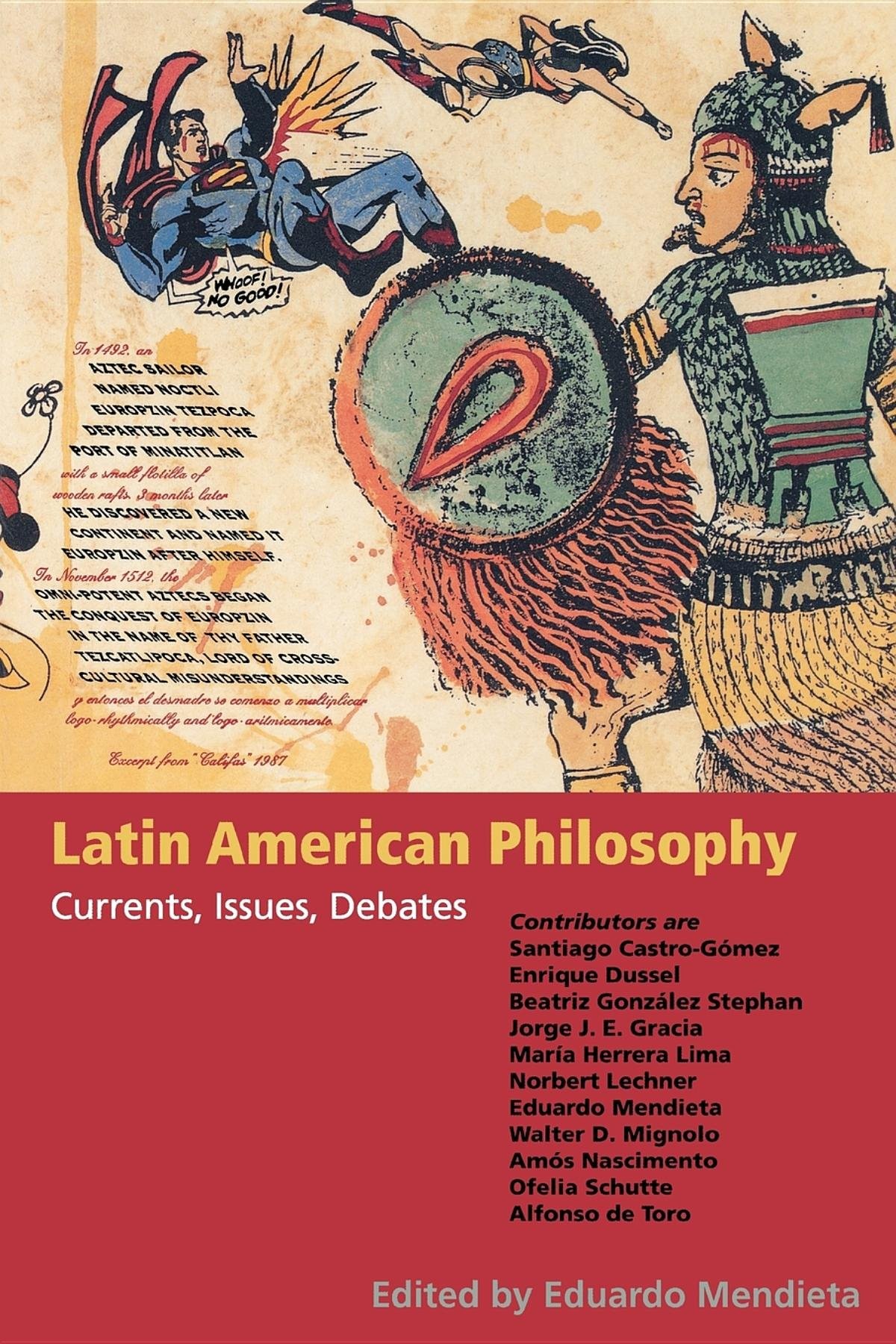
Philosophy
Latin American Philosophy: Currents, Issues, Debates by Eduardo Mendieta

Philosophy
Al-Farabi's Short Commentary on Aristotle's Prior Analytics by Nicholas Rescher – Philosophy
Philosophy
Poetics of Imagining: Modern to Post-modern by Richard Kearney
Philosophy
The Metaphysics of Extrinsic Properties: 11 (Metaphysical Research, 11)
Philosophy
Dialogues on Metaphysics and on Religion by Nicolas Malebranche – Philosophy
Philosophy