
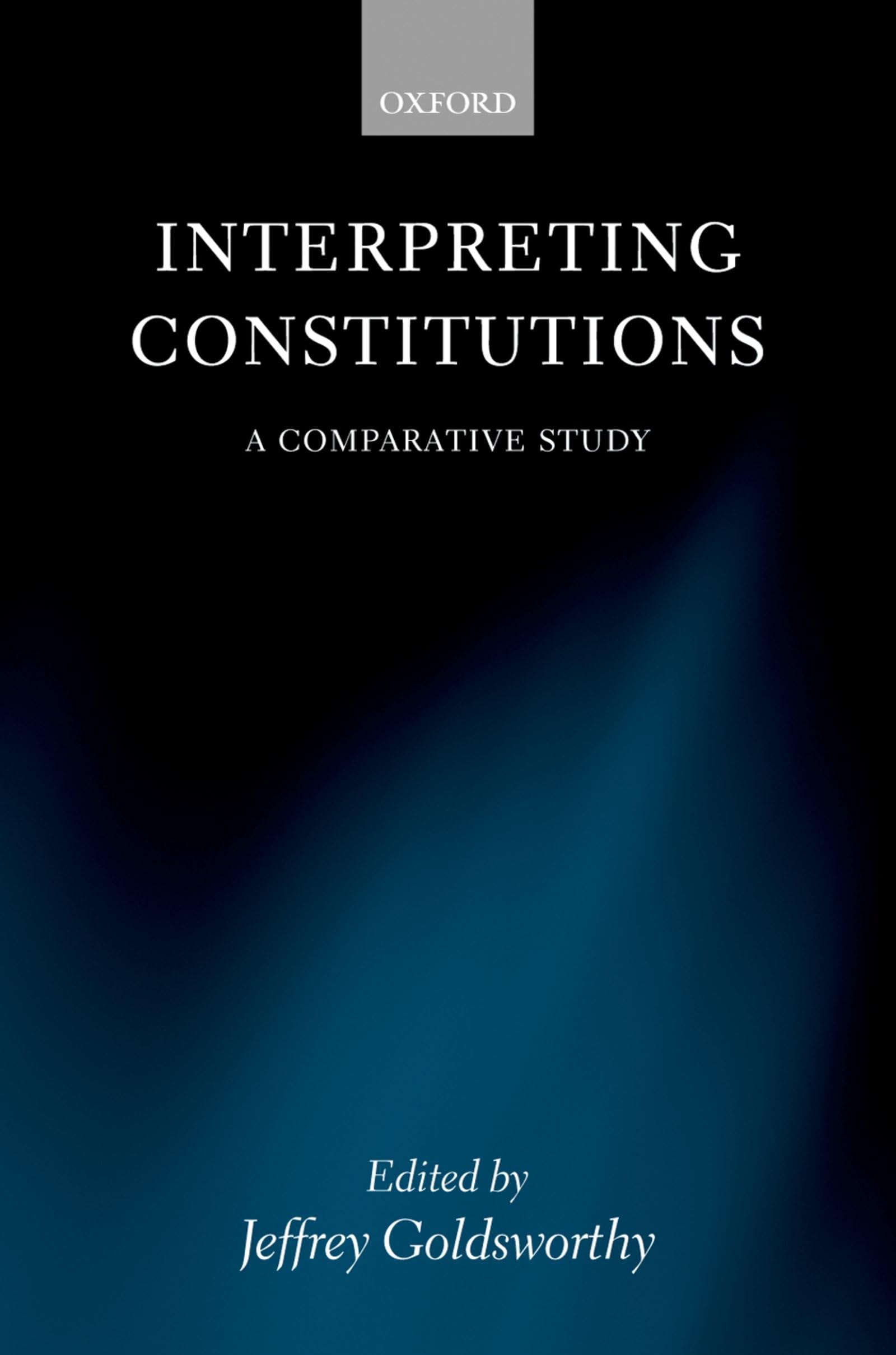
Interpreting Constitutions: A Comparative Study by Jeffrey Goldsworthy – A Comprehensive Legal Analysis for Indian Law S
Inclusive of all applicable taxes. FREE shipping on all orders.
Available Offers
- 🚚Free Delivery — Free shipping on all orders
- 💵Cash on Delivery — Pay when your order arrives
- ↩️15-Day Easy Returns — Hassle-free return policy
- 🔒Cash on Delivery — Pay safely when your order arrives
Check Delivery
Product Description
Introduction
In a world where constitutional interpretation often shapes the very fabric of governance, Interpreting Constitutions: A Comparative Study emerges as a definitive guide for understanding how supreme courts across major federations breathe life into their foundational documents. Edited by the distinguished scholar Jeffrey Goldsworthy, this hardbound volume offers Indian law students, academics, and practitioners a rare comparative lens through which to examine the interpretive methods that have evolved in six influential federations. Rather than merely describing legal provisions, the book delves into the dynamic interplay between history, society, and judicial reasoning, making it an indispensable resource for anyone seeking to comprehend the art and science of constitutional interpretation.
Book Overview
This meticulously crafted work brings together six leading constitutional authorities, each contributing a dedicated chapter on a major federation—covering countries such as the United States, Canada, Australia, Germany, India, and South Africa. The book traces the evolution of interpretive methodologies from the inception of each constitution to contemporary practice, revealing how courts have adapted their approaches to meet changing social, political, and institutional circumstances. A concluding chapter by the editor synthesises these diverse methodologies, offering a compelling comparative analysis that highlights both convergences and divergences. For Indian readers, the chapter on India’s constitutional interpretation offers particularly valuable insights, contextualising the Supreme Court’s journey from literalist beginnings to a more purposive and rights-oriented approach.
Key Highlights
- Comparative Framework: Six major federations examined side by side, enabling cross-jurisdictional learning and critical reflection.
- Evolving Methodologies: Traces the historical development of interpretive techniques, from originalism to living constitutionalism.
- Expert Contributions: Each chapter authored by a leading scholar with deep knowledge of the respective constitution.
- Socio-Political Context: Explains how different social, historical, and political factors shape judicial interpretation.
- Comprehensive Synthesis: A concluding chapter that draws together threads, offering a holistic comparative perspective.
Inside the Book
The book opens with a foundational discussion on the nature of constitutional interpretation, setting the stage for the six country-specific studies. Each chapter begins with the historical backdrop against which the constitution was enacted, then examines landmark cases and doctrinal shifts. Readers will encounter detailed analyses of how courts have grappled with federalism, fundamental rights, separation of powers, and judicial review. The Indian chapter, for instance, explores the transition from the ‘basic structure’ doctrine to contemporary debates on privacy and social justice. The concluding comparative chapter is particularly rich, using tables and thematic discussions to highlight how similar constitutional questions receive different answers across jurisdictions.
Key Topics
- Originalism versus living constitutionalism in federal systems
- The role of text, history, and precedent in judicial reasoning
- Impact of political and institutional contexts on interpretive choices
- Comparative analysis of the ‘basic structure’ doctrine in India and other federations
- Interpretation of federal-state relations and fundamental rights
- Methodological shifts in response to social movements and crises
Reader Benefits
By engaging with this book, readers will gain a nuanced understanding of how constitutions are not static texts but living instruments shaped by judicial wisdom and societal needs. Law students will find it invaluable for developing comparative constitutional law knowledge, while researchers can draw on its rich case law and doctrinal analysis. Practitioners will appreciate the practical insights into how different courts approach similar interpretive dilemmas. The book also fosters critical thinking about the legitimacy and limits of judicial power, a topic of enduring relevance in India’s constitutional discourse.
Learning Outcomes
- Ability to compare and contrast interpretive methodologies across major federations
- Deepened understanding of the historical evolution of constitutional interpretation
- Capacity to analyse how social and political contexts influence judicial reasoning
- Enhanced skills in evaluating landmark constitutional cases from multiple jurisdictions
- Insight into the strengths and weaknesses of different interpretive approaches
Who Should Read
This book is ideal for law students enrolled in constitutional law or comparative constitutional law courses, legal academics and researchers specialising in public law, judges and lawyers involved in constitutional litigation, policymakers seeking to understand comparative judicial practices, and anyone with a keen interest in the philosophical and practical dimensions of constitutional governance. Indian readers, in particular, will find the comparative perspective enriching for understanding the unique features of their own constitutional jurisprudence.
About the Author
Jeffrey Goldsworthy is a pre-eminent scholar in constitutional law and legal philosophy. He is a Professor of Law at Monash University, Australia, and has authored several influential works on constitutional interpretation, including The Sovereignty of Parliament and Philosophical Foundations of Constitutional Law. His expertise spans comparative constitutionalism, judicial review, and the history of legal ideas. Goldsworthy’s editorial stewardship ensures that each chapter maintains the highest scholarly rigour while remaining accessible to a broad readership.
About the Publisher
Oxford University Press (OUP) is a globally respected academic publisher with a distinguished history of producing authoritative works in law, humanities, and social sciences. OUP Oxford’s commitment to excellence is evident in this volume’s thorough editing, clear presentation, and durable hardcover binding—qualities that make it a lasting addition to any library. For Indian readers, OUP’s reputation for quality ensures that this book meets the rigorous standards expected by the legal academic community.
Conclusion
Interpreting Constitutions: A Comparative Study is more than a textbook—it is a gateway to understanding the soul of constitutional governance across the world’s leading federations. Whether you are a student preparing for competitive exams, a researcher exploring interpretive theories, or a judge seeking comparative insights, this book offers a treasure trove of knowledge. Its balanced treatment of diverse methodologies, combined with a focus on real-world judicial practices, makes it an essential acquisition for any serious law library. Add this hardcover volume to your collection and embark on a journey through the fascinating landscape of constitutional interpretation.
Quick Summary
Interpreting Constitutions: A Comparative Study, edited by Jeffrey Goldsworthy and published by OUP Oxford, is a definitive academic work that examines how six major federal constitutions are interpreted by their highest courts. The book features separate chapters on the United States, Canada, Australia, Germany, India, and South Africa, each written by a leading authority on that country's constitutional law. These chapters trace the evolution of interpretive methods from the enactment of each constitution to the present day. A concluding chapter compares these methodologies and explores the social, historical, institutional, and political circumstances that explain major differences. This book is ideal for Indian law students, scholars, judges, and legal practitioners seeking a deep comparative understanding of constitutional interpretation. It offers valuable insights into the Indian constitutional framework and its place in global federal systems. By purchasing from Bookshops.in, readers receive a high-quality hardcover edition from a trusted Indian bookstore, ensuring prompt delivery and authentic products.
Book Highlights
Book Specifications
| ISBN-13 | 9780199274130 |
| ISBN-10 | 0199274134 |
| Publisher | Oxford Univ Pr on Demand |
| Language | English |
| Dimensions | 23.62 x 2.79 x 15.49 cm |
| Weight | 726 g |
| Category | Political Science › Political History |
| Genre | Non-fiction |
| Original Language | English |
Frequently Asked Questions
What is Interpreting Constitutions: A Comparative Study about?
Who is the author of this book?
Which countries are covered in this book?
Is this book suitable for Indian law students?
What is the ISBN of this book?
What is the price of this book on Bookshops.in?
Is this book available in hardcover?
What is the rating of this book?
Can I use this book for my LLM dissertation?
Does the book discuss the Indian Constitution in detail?
What makes this book different from other constitutional law texts?
Is this book only for legal professionals?
Readers Also Search For
Customers Also Bought
Constitutional Law
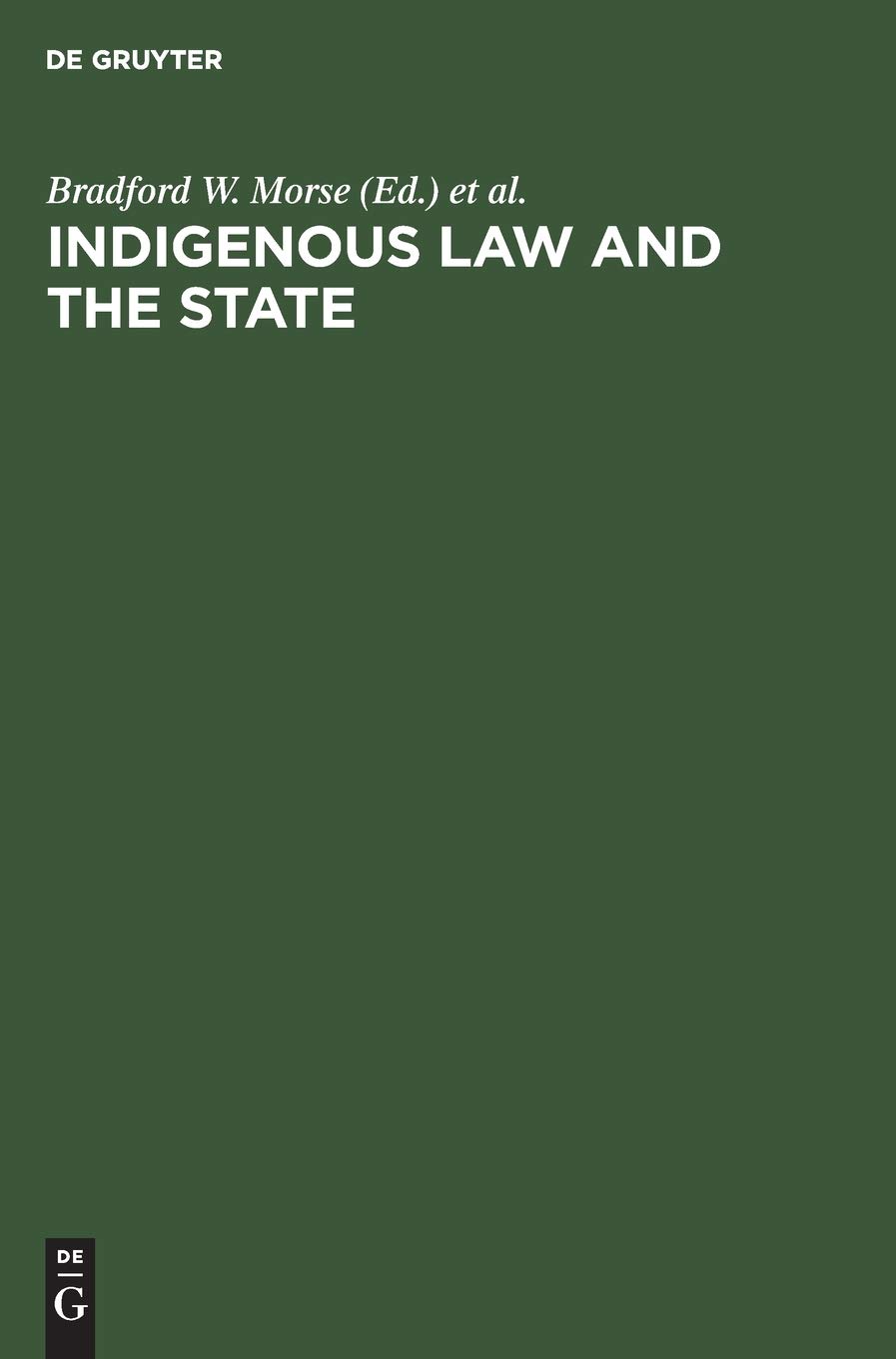
Indigenous law and the state
Constitutional Law
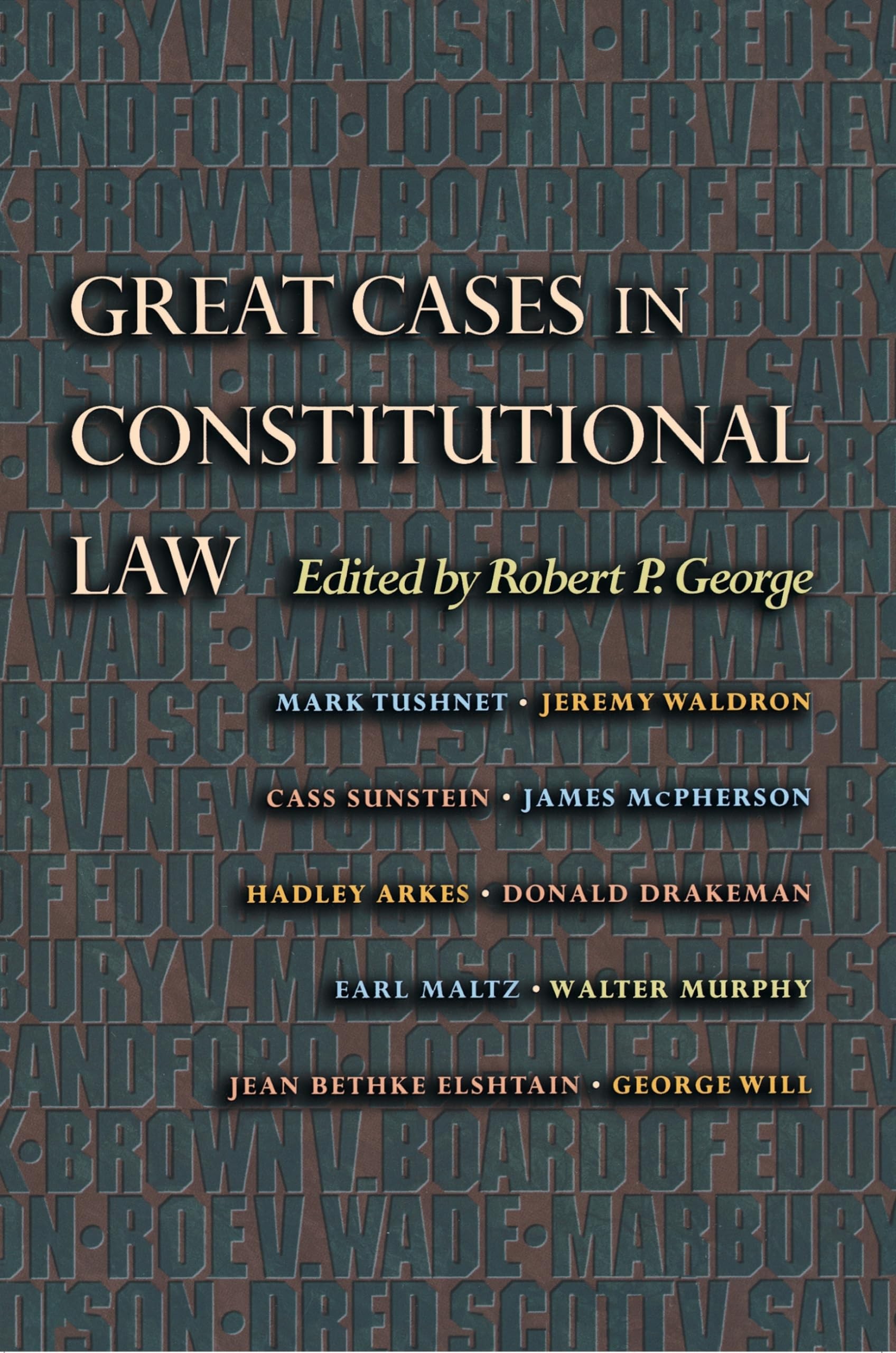
Great Cases in Constitutional Law (English, Robert P. George)

Constitutional Law
Guilty Pleas in International Criminal Law (English, Nancy Amoury Combs)

Constitutional Law
The Growth of the Law by Benjamin N. Cardozo – Jurisprudence
Constitutional Law
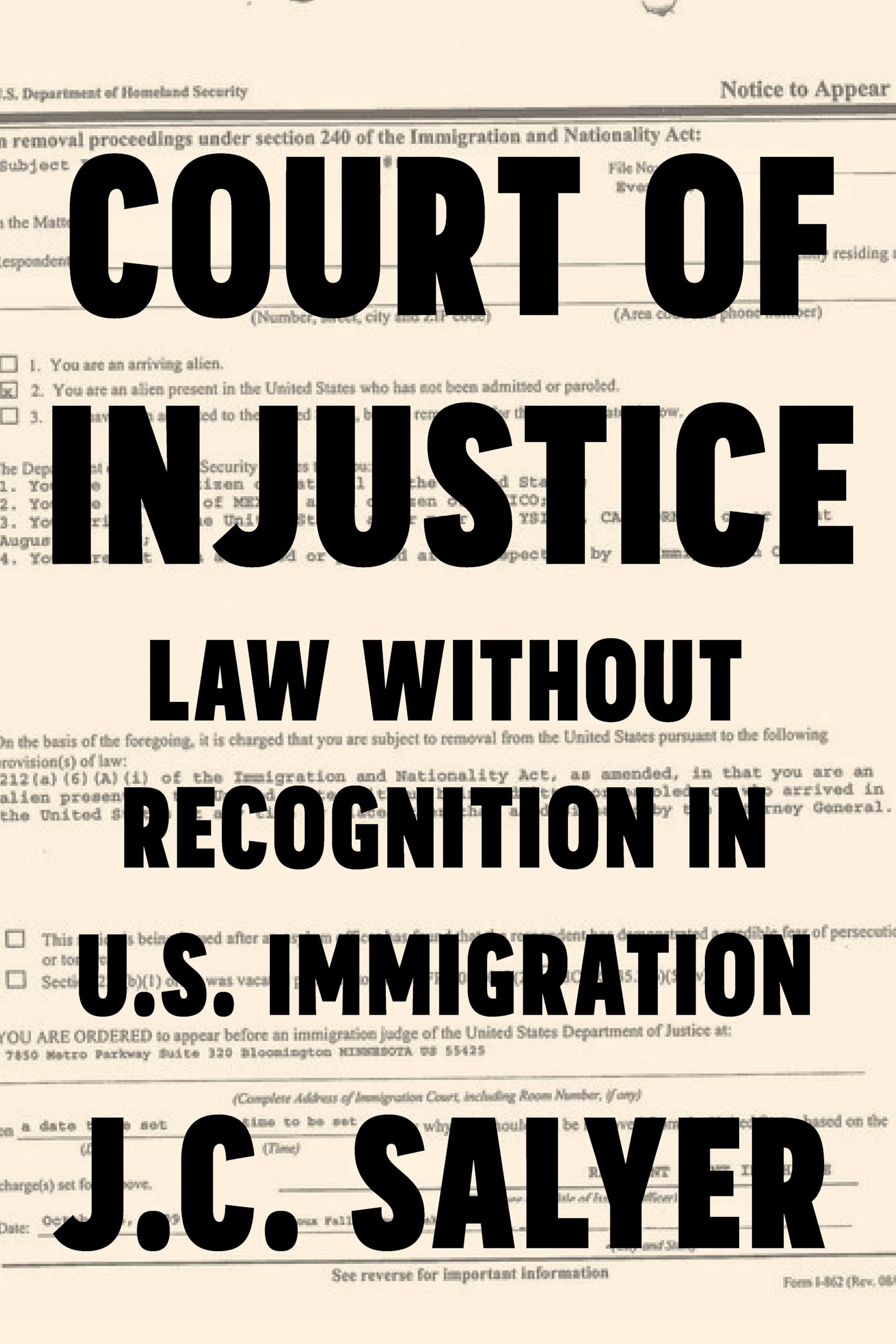
Court of Injustice: Law Without Recognition in U.S. Immigration by J. C. Salyer
Constitutional Law
Youth: Learning Through Cases
Related Products
View All
Law
Mediasport | by Lawrence Wenner | Routledge | by Lawrence Wenner | Routledge | by Lawrence Wenner | Routledge | by Lawrence Wenner | Routledge | by Lawrence Wenner | Routledge | by Lawrence Wenner | Routledge | by Lawrence Wenner | Routledge | by Lawrence Wenner | Routledge | by Lawrence Wenner | Routledge | by Lawrence Wenner | Routledge | by Lawrence Wenner | Routledge | by Lawrence Wenner | Routledge | by Lawrence Wenner | Routledge | by Lawrence Wenner | Routledge | by Lawrence Wenner | Rout
Law
Human Rights Diplomacy | by Rein Mullerson | Routledge | by Rein Mullerson | Routledge | by Rein Mullerson | Routledge | by Rein Mullerson | Routledge | by Rein Mullerson | Routledge | by Rein Mullerson | Routledge | by Rein Mullerson | Routledge | by Rein Mullerson | Routledge | by Rein Mullerson | Routledge | by Rein Mullerson | Routledge | by Rein Mullerson | Routledge | by Rein Mullerson | Routledge | by Rein Mullerson | Routledge | by Rein Mullerson | Routledge | by Rein Mullerson | Routled
Law
Rome the Law-Giver | by Declareuil J. | Routledge | by Declareuil J. | Routledge | by Declareuil J. | Routledge | by Declareuil J. | Routledge | by Declareuil J. | Routledge | by Declareuil J. | Routledge | by Declareuil J. | Routledge | by Declareuil J. | Routledge | by Declareuil J. | Routledge | by Declareuil J. | Routledge | by Declareuil J. | Routledge | by Declareuil J. | Routledge | by Declareuil J. | Routledge | by Declareuil J. | Routledge | by Declareuil J. | Routledge | by Declareuil
Law
Human Rights and Gender Politics | by Anne-Marie Hilsdon | Martha MacIntyre | Vera MacKie | Routledge | by Anne-Marie Hilsdon | Martha MacIntyre | Vera MacKie | Routledge | by Anne-Marie Hilsdon | Martha MacIntyre | Vera MacKie | Routledge | by Anne-Marie Hilsdon | Martha MacIntyre | Vera MacKie | Routledge | by Anne-Marie Hilsdon | Martha MacIntyre | Vera MacKie | Routledge | by Anne-Marie Hilsdon | Martha MacIntyre | Vera MacKie | Routledge | by Anne-Marie Hilsdon | Martha MacIntyre | Vera Mac
Law
Politics of Human Rights in Southeast Asia | by Philip J. Eldridge | Routledge | by Philip J. Eldridge | Routledge | by Philip J. Eldridge | Routledge | by Philip J. Eldridge | Routledge | by Philip J. Eldridge | Routledge | by Philip J. Eldridge | Routledge | by Philip J. Eldridge | Routledge | by Philip J. Eldridge | Routledge | by Philip J. Eldridge | Routledge | by Philip J. Eldridge | Routledge | by Philip J. Eldridge | Routledge | by Philip J. Eldridge | Routledge | by Philip J. Eldridge |
Law