
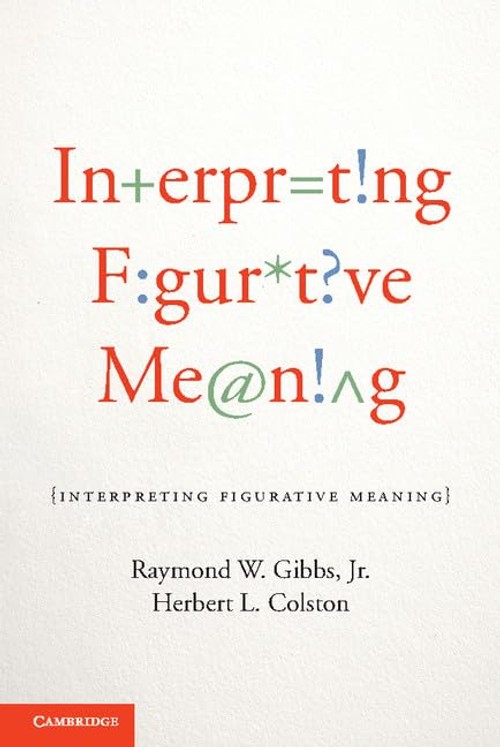
Interpreting Figurative Meaning: A Psycholinguistic and Neuroscience Perspective by Jr. Gibbs Raymond W. – Cambridge Uni
Inclusive of all applicable taxes. FREE shipping on all orders.
Available Offers
- 🚚Free Delivery — Free shipping on all orders
- 💵Cash on Delivery — Pay when your order arrives
- ↩️15-Day Easy Returns — Hassle-free return policy
- 🔒Cash on Delivery — Pay safely when your order arrives
Check Delivery
Product Description
Introduction
Language is not always literal. Every day, we encounter metaphors, irony, sarcasm, idioms, and proverbs that colour our conversations and shape our understanding. But how do our minds make sense of these figurative expressions? Interpreting Figurative Meaning, authored by Raymond W. Gibbs Jr. and Herbert L. Colston, offers a deep and critical exploration of this fascinating cognitive process. Published by Cambridge University Press, this hardcover volume is an essential resource for students, researchers, and anyone curious about the psychology behind figurative language.
Book Overview
This book provides a comprehensive and critical evaluation of recent empirical work from psycholinguistics and neuroscience on how people interpret figures of speech. Gibbs and Colston navigate through the vast, often contradictory literature, examining both the successes and the difficulties associated with figurative language comprehension. Rather than advocating for a single, all-encompassing theory, the authors propose a novel framework inspired by dynamical systems theory. This perspective highlights the multiple, interacting influences—from context and culture to cognitive biases—that shape our moment-to-moment experiences of figurative meaning in real discourse.
Key Highlights
- Critical synthesis of decades of psycholinguistic and neuroscientific research on figurative language.
- Dynamical systems approach that challenges traditional static models of meaning interpretation.
- In-depth analysis of metaphor, irony, sarcasm, idioms, proverbs, and other non-literal forms.
- Empirical focus grounded in experimental studies, with careful attention to methodological issues.
- Interdisciplinary relevance for psychology, linguistics, philosophy, and cognitive science.
Inside the Book
The book is structured to guide readers from foundational concepts to advanced theoretical debates. Early chapters lay the groundwork by defining figurative meaning and reviewing classical theories. Subsequent chapters delve into specific types of figurative language, presenting experimental evidence and discussing competing explanations. The latter part of the book introduces the dynamical systems framework, illustrating how context, emotion, and embodied experience collectively influence interpretation. Each chapter includes detailed summaries, critical questions, and pointers for future research.
Key Topics
- Metaphor comprehension and the role of conceptual mappings.
- Irony and sarcasm detection and the role of speaker intention.
- Idiom processing and the debate between literal and figurative primacy.
- Proverb understanding and cultural variation.
- Embodied cognition and the grounding of figurative meaning in bodily experience.
- Dynamical systems theory as an alternative to traditional modular models.
- Neuroimaging findings and what they reveal about brain regions involved in figurative language.
Reader Benefits
- Deepen your understanding of how figurative language works in everyday communication.
- Gain critical insight into the strengths and limitations of current experimental paradigms.
- Learn a new theoretical lens (dynamical systems) to analyse complex cognitive phenomena.
- Enhance your research skills by examining detailed critiques of methodology and interpretation.
- Bridge disciplines by connecting psychology, linguistics, and philosophy in a coherent narrative.
Learning Outcomes
- Ability to critically evaluate theories of figurative language comprehension.
- Understanding of how context, culture, and individual differences shape meaning.
- Knowledge of key experimental findings and their implications for cognitive science.
- Familiarity with dynamical systems concepts and their application to language processing.
- Capacity to identify open questions and design future research studies.
Who Should Read
- Psychology students specialising in cognitive psychology or psycholinguistics.
- Linguistics researchers interested in semantics, pragmatics, and discourse analysis.
- Neuroscientists studying language and the brain.
- Philosophy scholars exploring meaning, intention, and interpretation.
- Educators and communicators who want to understand the nuances of figurative expression.
About the Author
Raymond W. Gibbs Jr. is a distinguished professor of psychology at the University of California, Santa Cruz, renowned for his pioneering work on metaphor, embodied cognition, and figurative language. He has authored numerous influential books and articles that have shaped modern psycholinguistics. Herbert L. Colston is a professor of psychology at the University of Alberta, with expertise in language comprehension, irony, and discourse processing. Together, they bring decades of collaborative research and critical thinking to this volume.
About the Publisher
Cambridge University Press is one of the world's oldest and most respected academic publishers. Known for its rigorous peer-review process and high-quality scholarly works, Cambridge University Press has been advancing knowledge across disciplines since 1534. This hardcover edition reflects the Press's commitment to excellence in academic publishing, making it a trusted source for students and researchers in India and around the globe.
Conclusion
Interpreting Figurative Meaning is not just a book about language—it is a window into the dynamic, ever-shifting nature of human cognition. Whether you are a student embarking on a research project or a seasoned scholar seeking fresh perspectives, this volume will challenge your assumptions and expand your intellectual horizons. With its rigorous analysis, innovative framework, and accessible yet scholarly tone, it is an indispensable addition to any serious library. Order your hardcover copy today from Bookshops.in and embark on a journey through the fascinating world of figurative language.
Quick Summary
Interpreting Figurative Meaning by Raymond W. Gibbs Jr. is an essential academic work that critically examines the vast experimental literature on how people understand figurative language, including metaphors, irony, and idioms. The book synthesizes findings from psycholinguistics and neuroscience, highlighting the successes and difficulties in interpreting nonliteral speech. Gibbs argues that no single theory can adequately explain the complex processes and products of figurative meaning, and he proposes a dynamical systems theory framework that embraces multiple interacting factors. This volume is ideal for advanced students and researchers in linguistics, psychology, and cognitive science who seek a rigorous, balanced overview of the field. By purchasing from Bookshops.in, Indian readers gain access to an authoritative hardcover edition from Cambridge University Press with fast, reliable delivery.
Book Highlights
Book Specifications
| ISBN-13 | 9781107024359 |
| ISBN-10 | 1107024358 |
| Publisher | Cambridge University Press |
| Language | English |
| Dimensions | 15.88 x 1.91 x 22.86 cm |
| Weight | 640 g |
| Country | India |
| Category | Psychology › Cognitive Psychology |
| Genre | Nonfiction |
| Original Language | English |
Frequently Asked Questions
What is the main focus of Interpreting Figurative Meaning?
Who is the author of this book?
Is this book suitable for undergraduate students?
Does the book propose a new theory of figurative language?
What types of figurative language are covered?
Is this book based on experimental research?
Can this book help with my research on figurative meaning?
Does the book include cross-cultural perspectives?
Is this book available in hardcover?
What is the price of this book?
Is the book written in English?
Why should I buy this book from Bookshops.in?
Readers Also Search For
Customers Also Bought
Psychology
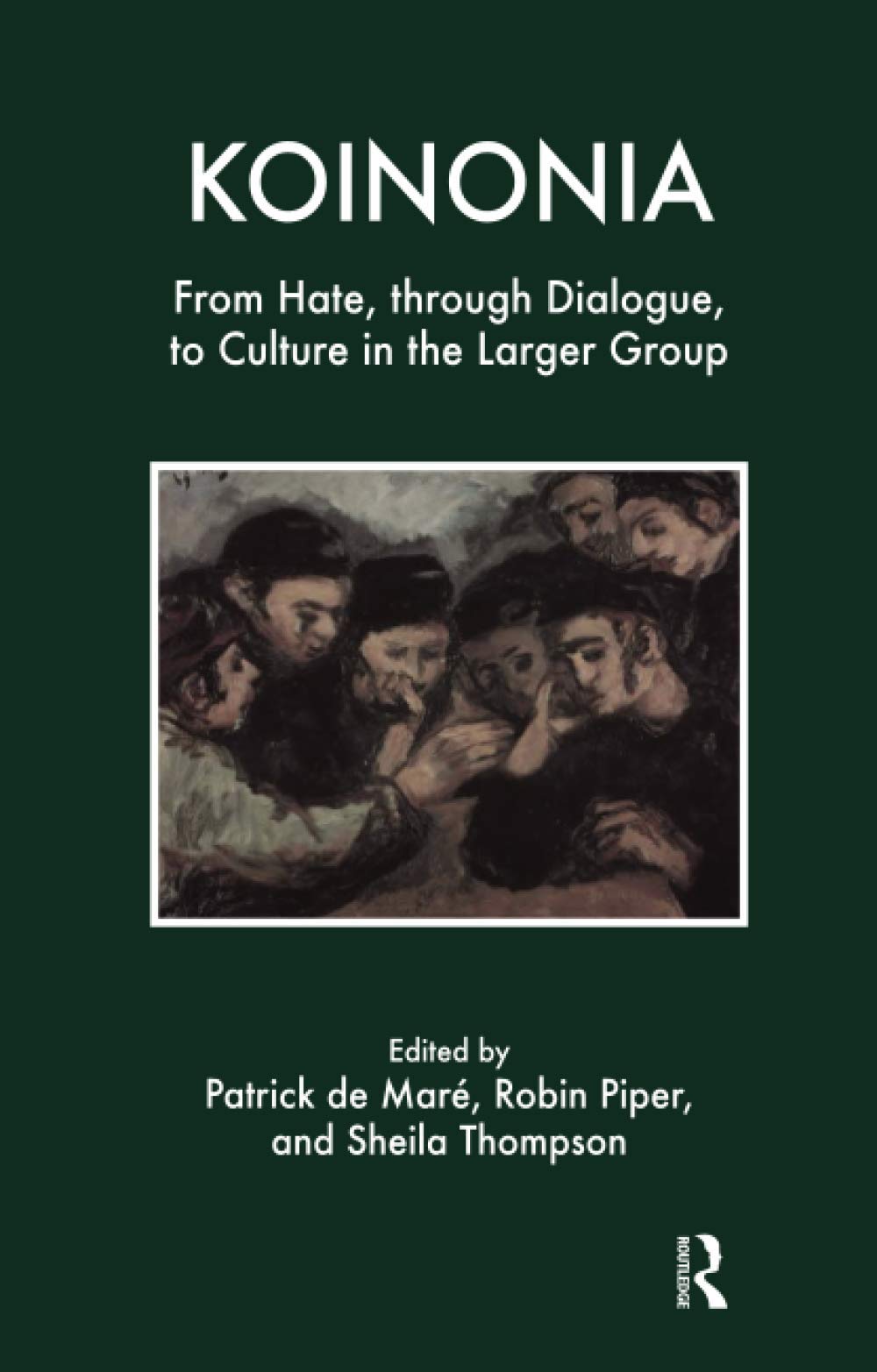
Koinonia: From Hate, Through Dialogue, to Culture in the Large Group by Patrick B. Demare

Psychology
Mindfulness-Based Interventions for Trauma and Its Consequences (Concise Guides on Trauma Care, 4)

Psychology
Handbook for Teaching Statistics and Research Methods by Mark E. Ware

Psychology
Psychoanalysis and the Nuclear Threat: Clinical and Theoretical Studies
Psychology
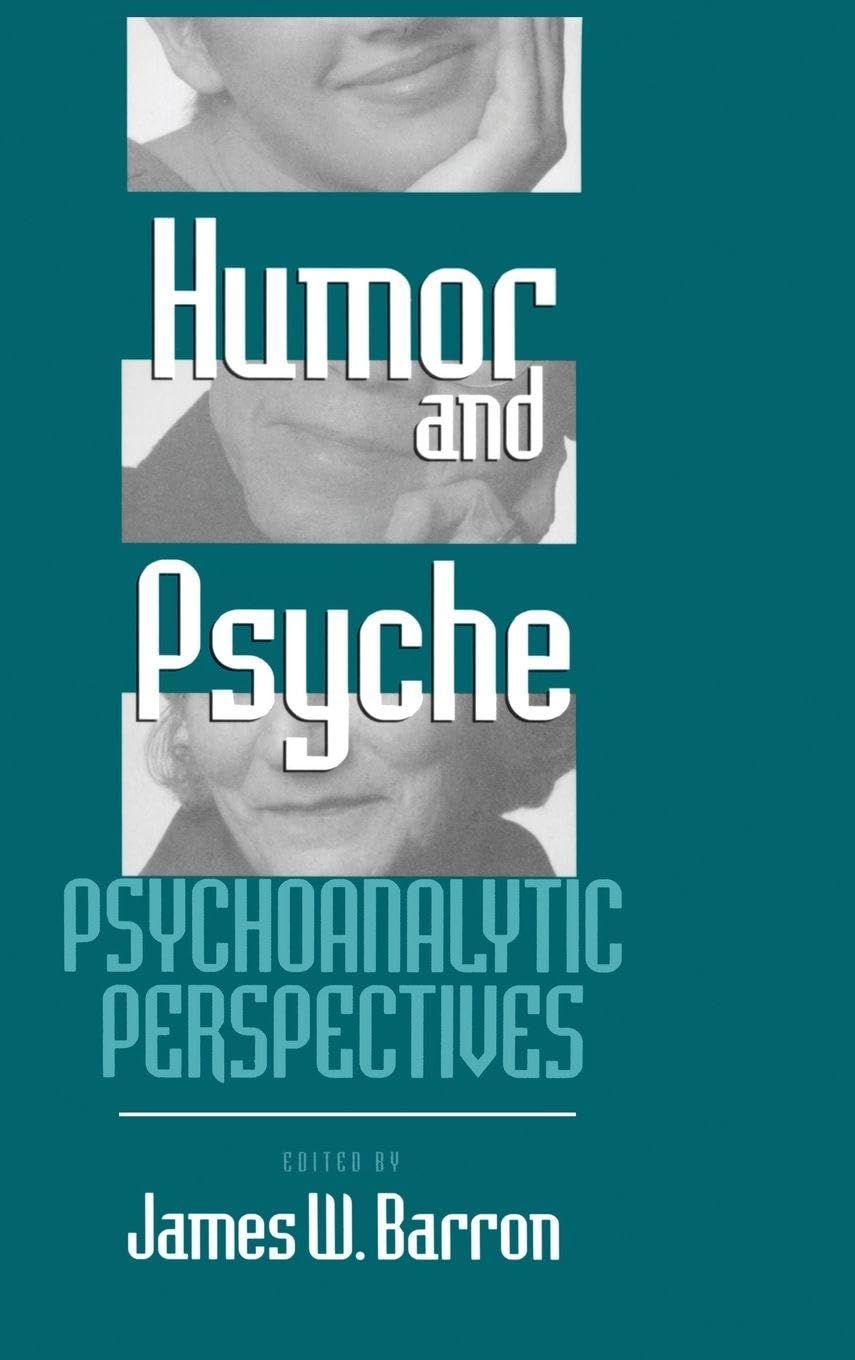
Humor and Psyche: Psychoanalytic Perspectives by James W. Barron

Relationships
The Experience and Expression of Uncertainty in Close Relationships by Jennifer A. Theiss
Related Products
View AllPsychology
Mindfulness-Based Interventions for Trauma and Its Consequences (Concise Guides on Trauma Care, 4)
Psychology
Handbook for Teaching Statistics and Research Methods by Mark E. Ware
Psychology
Psychoanalysis and the Nuclear Threat: Clinical and Theoretical Studies
Psychology
Humor and Psyche: Psychoanalytic Perspectives by James W. Barron

Psychology
Proceedings of the First International Conference on Genetic Algorithms and Their Applications
Psychology