

Japan's Commission on the Constitution, the Final Report by John M. Maki – A Landmark Study in Constitutional Law and Ja
Inclusive of all applicable taxes. FREE shipping on all orders.
Available Offers
- 🚚Free Delivery — Free shipping on all orders
- 💵Cash on Delivery — Pay when your order arrives
- ↩️15-Day Easy Returns — Hassle-free return policy
- 🔒Cash on Delivery — Pay safely when your order arrives
Check Delivery
Product Description
Introduction
Japan's post-war constitutional journey is a subject of profound legal and political significance. Japan's Commission on the Constitution, the Final Report, edited and translated by John M. Maki, presents the definitive English-language record of the commission that deliberated on Japan's foundational legal document. This hardcover volume from the University of Washington Press is an indispensable resource for legal scholars, historians, and students of comparative constitutional law. It offers a rare window into the debates, analyses, and conclusions that shaped modern Japan's constitutional identity.
Book Overview
First published as part of a prestigious academic series, this book compiles the final report of Japan's Commission on the Constitution, a body established to review the 1947 Constitution imposed after World War II. The commission's work spanned years of intense discussion, covering everything from the symbolic role of the Emperor to the pacifist Article 9 and the structure of the judiciary. John M. Maki's translation and editorial commentary make this complex material accessible to English-speaking readers, preserving the nuance of original Japanese deliberations. The result is a scholarly treasure that captures a pivotal moment in legal history.
Key Highlights
- Authoritative Translation: John M. Maki, a renowned Japanologist, provides a faithful and readable English version of the official report.
- Rare Historical Document: This is one of the few complete English accounts of the commission's findings, offering insights unavailable elsewhere.
- Comprehensive Scope: Covers all major constitutional articles and proposed amendments debated by the commission.
- Academic Rigour: Includes detailed footnotes, contextual introductions, and explanatory notes for non-specialist readers.
- Hardcover Durability: A library-quality edition suitable for long-term reference and study.
Inside the Book
The volume opens with an extensive introduction by Maki, outlining the historical background of Japan's post-war constitution and the commission's mandate. The main body presents the final report in a structured format, with each chapter addressing a specific constitutional topic—such as the rights and duties of the people, the imperial system, the Diet, the cabinet, and judicial review. Appendices include supplementary documents, dissenting opinions, and a glossary of key terms. The translation retains the formal yet deliberative tone of the original, making it feel like a direct conversation with history.
Key Topics
- The role of the Emperor in a democratic Japan
- Article 9 and the renunciation of war
- Separation of powers and judicial independence
- Fundamental human rights under the constitution
- Federalism versus centralised governance
- Amendment procedures and constitutional flexibility
- Comparative perspectives on constitutional review
Reader Benefits
This book equips readers with a deep understanding of how constitutional frameworks evolve under political pressure. Lawyers and legal researchers gain primary source material for comparative constitutional analysis. History students benefit from a first-hand account of Japan's struggle to reconcile tradition with modern democratic ideals. For policy analysts, the report offers lessons on institutional design and constitutional resilience. Moreover, the clear translation and editorial guidance save countless hours of searching through fragmented archives.
Learning Outcomes
- Understand the historical context of Japan's 1947 Constitution and the commission's objectives.
- Analyse the arguments for and against constitutional revision in post-war Japan.
- Identify the key legal and political actors who shaped the final recommendations.
- Evaluate the commission's impact on Japan's subsequent constitutional debates.
- Apply comparative constitutional methods to other post-conflict societies.
Who Should Read
Law Students and Academics: Those studying constitutional law, comparative politics, or Japanese legal systems will find this book essential. Historians: Scholars of modern Japan, the Allied Occupation, and Cold War Asia will value its primary source content. Policy Professionals: Individuals working in governance, human rights, or international relations can draw parallels to contemporary constitutional challenges. General Readers: Anyone curious about how nations rebuild after war and reshape their legal foundations will be captivated by this detailed record.
About the Author
John M. Maki (1909–2001) was a distinguished professor of political science and Asian studies at the University of Washington. A leading expert on Japanese government and law, he authored numerous works on Japan's political system and translated key legal documents. His scholarship bridged Western and Japanese academic traditions, making him uniquely qualified to present this report to an international audience. Maki's careful attention to linguistic and cultural nuance ensures that the original meaning is preserved without sacrificing readability.
About the Publisher
The University of Washington Press is a venerable academic publisher known for its rigorous editorial standards and contributions to Asian studies. With a history spanning over a century, it has published seminal works on East Asian history, politics, and law. This volume is part of its series on Japanese legal and political thought, reflecting the press's commitment to making rare scholarly resources available to a global readership.
Conclusion
Japan's Commission on the Constitution, the Final Report is more than a historical artifact—it is a living document that continues to inform debates on constitutionalism, democracy, and national identity. John M. Maki's expert translation and commentary open a door to one of the most consequential legal reviews of the 20th century. For Indian readers and students interested in how constitutions are tested and transformed, this book offers timeless insights. Add this hardcover edition to your library and explore the foundations of modern Japanese law.
Quick Summary
Japan's Commission on the Constitution, the Final Report by John M. Maki is a seminal academic work that presents the complete findings of Japan's post-war constitutional commission. The book delves into the debates, recommendations, and political context surrounding the potential revision of Japan's 1947 Constitution, which was imposed after World War II. Maki, a leading expert on Japanese politics, provides a detailed analysis of the commission's proceedings, offering readers a rare window into how Japan grappled with constitutional identity, sovereignty, and democratic governance. This hardcover volume is ideal for law students, researchers, and scholars interested in comparative constitutional law, Asian legal systems, and Japanese political history. Readers will gain a nuanced understanding of constitutional reform processes, the role of commissions in shaping law, and the unique challenges faced by Japan in balancing tradition with modern governance. By purchasing from Bookshops.in, Indian readers can access this authoritative reference with ease, supporting their academic or professional pursuits in law and political science.
Book Highlights
Book Specifications
| ISBN-13 | 9780295957678 |
| ISBN-10 | 0295957670 |
| Publisher | Univ of Washington Pr |
| Language | English |
| Dimensions | 16.51 x 3.18 x 24.13 cm |
| Weight | 726 g |
| Category | Political Science › Government |
| Genre | Non-fiction |
| Original Language | English |
Frequently Asked Questions
What is Japan's Commission on the Constitution, the Final Report about?
Who is the author of this book?
Is this book suitable for Indian law students?
Which publisher released this book?
What is the ISBN of this book?
What language is the book written in?
What is the price of this book?
Is this book a primary source for constitutional studies?
Can this book help with research on Japanese politics?
What format is the book available in?
Does the book include the full commission report?
Is this book used in university courses?
Why should I buy this book from Bookshops.in?
Readers Also Search For
Customers Also Bought
Constitutional Law
Indigenous law and the state
Constitutional Law
Great Cases in Constitutional Law (English, Robert P. George)
Constitutional Law
Guilty Pleas in International Criminal Law (English, Nancy Amoury Combs)
Constitutional Law
The Growth of the Law by Benjamin N. Cardozo – Jurisprudence
Constitutional Law
Court of Injustice: Law Without Recognition in U.S. Immigration by J. C. Salyer
Constitutional Law
Youth: Learning Through Cases
Related Products
View All
Law
Mediasport | by Lawrence Wenner | Routledge | by Lawrence Wenner | Routledge | by Lawrence Wenner | Routledge | by Lawrence Wenner | Routledge | by Lawrence Wenner | Routledge | by Lawrence Wenner | Routledge | by Lawrence Wenner | Routledge | by Lawrence Wenner | Routledge | by Lawrence Wenner | Routledge | by Lawrence Wenner | Routledge | by Lawrence Wenner | Routledge | by Lawrence Wenner | Routledge | by Lawrence Wenner | Routledge | by Lawrence Wenner | Routledge | by Lawrence Wenner | Rout
Law
Human Rights Diplomacy | by Rein Mullerson | Routledge | by Rein Mullerson | Routledge | by Rein Mullerson | Routledge | by Rein Mullerson | Routledge | by Rein Mullerson | Routledge | by Rein Mullerson | Routledge | by Rein Mullerson | Routledge | by Rein Mullerson | Routledge | by Rein Mullerson | Routledge | by Rein Mullerson | Routledge | by Rein Mullerson | Routledge | by Rein Mullerson | Routledge | by Rein Mullerson | Routledge | by Rein Mullerson | Routledge | by Rein Mullerson | Routled
Law
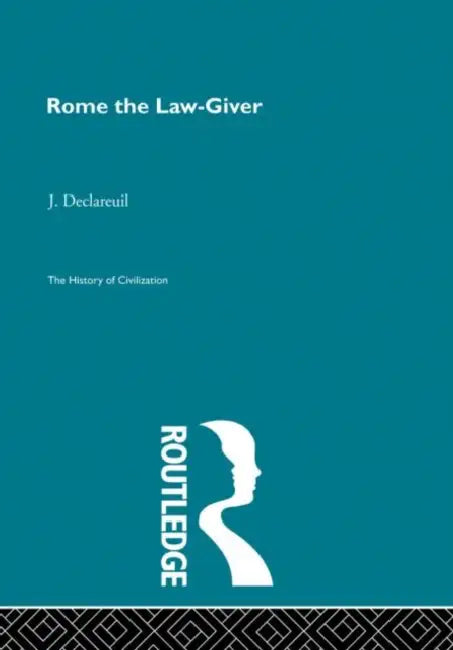
Rome the Law-Giver | by Declareuil J. | Routledge | by Declareuil J. | Routledge | by Declareuil J. | Routledge | by Declareuil J. | Routledge | by Declareuil J. | Routledge | by Declareuil J. | Routledge | by Declareuil J. | Routledge | by Declareuil J. | Routledge | by Declareuil J. | Routledge | by Declareuil J. | Routledge | by Declareuil J. | Routledge | by Declareuil J. | Routledge | by Declareuil J. | Routledge | by Declareuil J. | Routledge | by Declareuil J. | Routledge | by Declareuil
Law
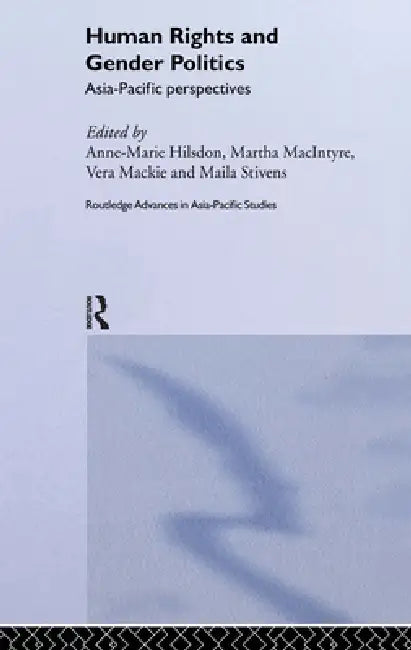
Human Rights and Gender Politics | by Anne-Marie Hilsdon | Martha MacIntyre | Vera MacKie | Routledge | by Anne-Marie Hilsdon | Martha MacIntyre | Vera MacKie | Routledge | by Anne-Marie Hilsdon | Martha MacIntyre | Vera MacKie | Routledge | by Anne-Marie Hilsdon | Martha MacIntyre | Vera MacKie | Routledge | by Anne-Marie Hilsdon | Martha MacIntyre | Vera MacKie | Routledge | by Anne-Marie Hilsdon | Martha MacIntyre | Vera MacKie | Routledge | by Anne-Marie Hilsdon | Martha MacIntyre | Vera Mac
Law
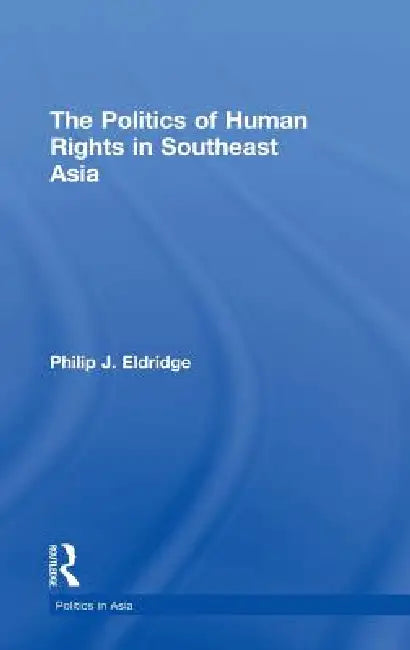
Politics of Human Rights in Southeast Asia | by Philip J. Eldridge | Routledge | by Philip J. Eldridge | Routledge | by Philip J. Eldridge | Routledge | by Philip J. Eldridge | Routledge | by Philip J. Eldridge | Routledge | by Philip J. Eldridge | Routledge | by Philip J. Eldridge | Routledge | by Philip J. Eldridge | Routledge | by Philip J. Eldridge | Routledge | by Philip J. Eldridge | Routledge | by Philip J. Eldridge | Routledge | by Philip J. Eldridge | Routledge | by Philip J. Eldridge |
Law