

Jewish Philosophy: The Basics by T. M. Rudavsky – A Comprehensive Introduction to Jewish Thought from Antiquity to Moder
Inclusive of all applicable taxes. FREE shipping on all orders.
Available Offers
- 🚚Free Delivery — Free shipping on all orders
- 💵Cash on Delivery — Pay when your order arrives
- ↩️15-Day Easy Returns — Hassle-free return policy
- 🔒Cash on Delivery — Pay safely when your order arrives
Check Delivery
Product Description
Introduction
Jewish philosophy is one of the richest and most enduring intellectual traditions in human history, spanning over two millennia of profound inquiry into faith, reason, ethics, and existence. In Jewish Philosophy: The Basics, renowned scholar T. M. Rudavsky offers a clear and engaging gateway into this vast tradition, making it accessible to students, curious readers, and anyone seeking to understand how Jewish thinkers have grappled with life's deepest questions. This hardcover volume from Routledge is an essential addition to any serious reader's library, especially for those in India who wish to explore global philosophical thought beyond the Western canon.
Book Overview
This comprehensive yet concise volume introduces readers to the full sweep of Jewish philosophical thought, from its earliest roots in the biblical and rabbinic periods through the medieval golden age and into modern and contemporary debates. Rudavsky carefully balances historical coverage with thematic depth, ensuring that both newcomers and those with some background can follow the evolution of key ideas. The book does not merely list thinkers and dates; it invites readers to engage with the central questions that have animated Jewish philosophy for centuries: the nature of God, the problem of evil, free will versus determinism, the relationship between faith and reason, and the meaning of Jewish identity in a changing world.
Key Highlights
- Comprehensive chronological scope: Covers over two thousand years of Jewish philosophy, from Philo of Alexandria to contemporary thinkers like Emmanuel Levinas and Joseph Soloveitchik.
- Thematic depth: Explores perennial questions such as the harmony (or conflict) between science and religion, the role of secular knowledge, and the possibility of a distinctly Jewish philosophical method.
- Accessible writing style: Rudavsky avoids unnecessary jargon, making complex ideas understandable without oversimplifying them.
- Structured for learning: Each chapter includes clear summaries and suggestions for further reading, ideal for self-study or classroom use.
- Hardcover durability: A sturdy edition meant for years of reference and rereading.
Inside the Book
The book is organized into fourteen well-structured chapters, each focusing on a major figure, school, or theme. The journey begins with the foundational question 'What is Jewish philosophy?' and then moves through the medieval giants—Saadia Gaon, Maimonides, Gersonides, and Crescas—who wrestled with Aristotelianism and Islamic thought. The modern section introduces Spinoza, Mendelssohn, and the challenges of the Enlightenment, while the contemporary chapters cover existentialist, ethical, and feminist perspectives. Rudavsky also includes discussions of less commonly covered topics, such as Jewish philosophical responses to the Holocaust and the impact of Zionism on philosophical reflection.
Key Topics
- The nature of God and divine attributes in Jewish thought
- Creation, eternity, and the relationship between science and religion
- Free will, determinism, and moral responsibility
- Prophecy, revelation, and the limits of human reason
- The problem of evil and theodicy in Jewish philosophy
- Jewish ethics and the concept of the good life
- Modernity, secularism, and Jewish identity
- Feminist Jewish philosophy and gender perspectives
Reader Benefits
Readers will come away with a solid grounding in the major thinkers and arguments that have shaped Jewish philosophy. The book is designed to help you understand not only what these philosophers said but why their ideas matter today. You will learn how Jewish thinkers have navigated the tension between particular religious traditions and universal philosophical inquiry—a tension that resonates with Indian philosophical traditions as well. The suggestions for further reading at the end of each chapter make it easy to dive deeper into any topic that sparks your interest.
Learning Outcomes
- Gain a clear understanding of the historical development of Jewish philosophy from antiquity to the present.
- Identify and explain the key arguments of major Jewish philosophers, including Maimonides, Spinoza, and Buber.
- Analyze how Jewish thinkers have addressed the relationship between faith and reason, science and religion.
- Critically evaluate the role of secular knowledge within a religious worldview.
- Recognize the diversity of Jewish philosophical thought across different periods and cultural contexts.
Who Should Read
This book is ideal for undergraduate and postgraduate students of philosophy, religious studies, or Jewish studies. It is also perfect for general readers in India who are curious about world philosophies and want to expand their intellectual horizons beyond the usual curriculum. Teachers and scholars looking for a reliable, up-to-date introductory text will find it invaluable. Anyone interested in the dialogue between religion and philosophy—whether from a Hindu, Muslim, Christian, or secular background—will discover rich comparative insights in these pages.
About the Author
T. M. Rudavsky is a distinguished professor of philosophy at The Ohio State University, where she has taught for decades. Her research focuses on medieval Jewish and Islamic philosophy, as well as the intersection of philosophy with science and religion. She is the author of several acclaimed books, including Maimonides and Time Matters: Time, Creation, and Cosmology in Medieval Jewish Philosophy. Her writing is known for its clarity, depth, and ability to make complex ideas accessible to a broad audience.
About the Publisher
Routledge is a world-leading academic publisher of books and journals in the humanities and social sciences. With a reputation for scholarly excellence and rigorous editorial standards, Routledge has been a trusted name for students and researchers since the nineteenth century. This hardcover edition is produced to the highest quality, ensuring that it will be a lasting resource in your personal or institutional library.
Conclusion
Jewish Philosophy: The Basics is more than an introduction—it is an invitation to join a conversation that has been ongoing for two thousand years. Whether you are a student looking for a textbook, a scholar seeking a reliable reference, or a curious reader wanting to explore a rich intellectual tradition, this book offers a rewarding and thought-provoking experience. Order your copy from Bookshops.in today and begin your journey into the heart of Jewish philosophical thought.
Quick Summary
Jewish Philosophy: The Basics by T. M. Rudavsky is an accessible yet comprehensive introduction to two thousand years of Jewish philosophical thought. Written for students and general readers, the book covers major medieval figures like Maimonides and Gersonides, modern thinkers such as Spinoza and Buber, and contemporary philosophers including Levinas. Key themes include the relationship between faith and reason, the impact of secular knowledge on Jewish tradition, and the harmonization of science and religion. Each chapter provides further reading suggestions, making it an ideal textbook for university courses in philosophy, religious studies, or Jewish studies. Indian readers will find this book a valuable gateway to understanding Jewish intellectual history and its relevance to global philosophical conversations. By purchasing from Bookshops.in, you support a premium Indian bookstore that offers authentic editions with fast delivery across the country.
Book Highlights
Book Specifications
| ISBN-13 | 9781032823249 |
| ISBN-10 | 1032823240 |
| Publisher | Routledge |
| Language | English |
| Dimensions | 20 x 26 x 5 cm |
| Weight | 440 g |
| Country | India |
| Category | Philosophy › History & Surveys |
| Genre | Philosophy |
| Original Language | English |
Frequently Asked Questions
What is Jewish Philosophy: The Basics about?
Who is the author of this book?
Is this book suitable for beginners?
What time period does the book cover?
Does the book include study aids?
Can I use this book for a university course?
Does the book discuss science and religion?
Which major philosophers are covered?
Is there a focus on modern Jewish philosophy?
Does the book address Jewish ethics?
Is this book available in India?
Who publishes this book?
Does the book include feminist perspectives?
How is this book different from other introductions?
Readers Also Search For
Customers Also Bought

Islam
Spiritual Economies (English, Daromir Rudnyckyj)

Islam
Who Is Allah? (English, Bruce B. Lawrence)
Islam
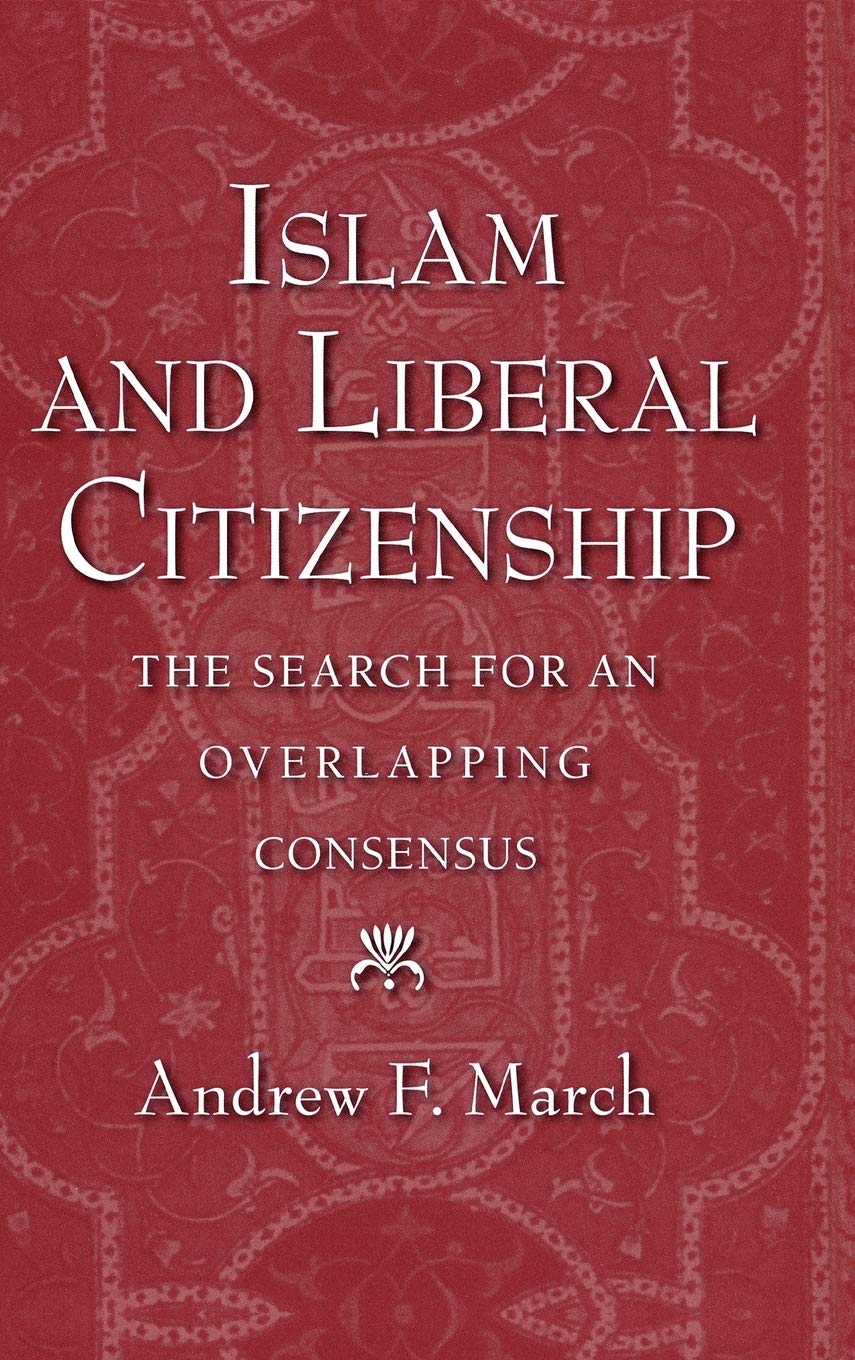
Islam and Liberal Citizenship: The Search for an Overlapping Consensus by Andrew F. March

Islam
Fiqh Us-Sunnah: Funerals and Diggers by Al-Sayyid Sabiq – Islamic Funeral Guide

Christianity
Genetics (English, Thomas a. Shannon | Mark P. Aulisio | Françoise Baylis)

Hinduism
Karma and Creativity by Christopher Key Chapple – Indian Philosophy
Related Products
View All
Philosophy
Latin American Philosophy: Currents, Issues, Debates by Eduardo Mendieta

Philosophy
Al-Farabi's Short Commentary on Aristotle's Prior Analytics by Nicholas Rescher – Philosophy

Philosophy
Poetics of Imagining: Modern to Post-modern by Richard Kearney

Philosophy
The Metaphysics of Extrinsic Properties: 11 (Metaphysical Research, 11)

Philosophy
Dialogues on Metaphysics and on Religion by Nicolas Malebranche – Philosophy

Philosophy