

Jungian Psychotherapy: A Study in Analytical Psychology by Michael Fordham – Routledge Classic on Jungian Analysis and T
Inclusive of all applicable taxes. FREE shipping on all orders.
Available Offers
- 🚚Free Delivery — Free shipping on all orders
- 💵Cash on Delivery — Pay when your order arrives
- ↩️15-Day Easy Returns — Hassle-free return policy
- 🔒Cash on Delivery — Pay safely when your order arrives
Check Delivery
Product Description
Introduction
In the vast landscape of psychological thought, few figures cast as long a shadow as Carl Gustav Jung. Yet, the practical application of his profound theories in the consulting room has often remained a mystery to students and practitioners alike. Jungian Psychotherapy: A Study in Analytical Psychology, authored by the eminent Michael Fordham, bridges this gap with clarity and depth. This hardcover edition, published by Routledge, is an indispensable resource for Indian students of psychology, practicing therapists, and anyone seeking to understand the transformative power of analytical psychotherapy. Fordham, a close collaborator of Jung, offers a rare insider’s perspective that is both scholarly and deeply human.
Book Overview
This volume is not merely a theoretical treatise; it is a practical guide rooted in decades of clinical experience. Michael Fordham systematically unpacks the therapeutic methods developed by Jung and expanded upon by subsequent analytical psychologists. The book explores how the therapist’s own personality becomes an instrument of healing—a concept that sets analytical psychology apart from more experimental, detached scientific approaches. Fordham navigates the delicate interplay between the analyst’s subjective influence and the objective field of the unconscious, offering a balanced view that respects both the art and science of psychotherapy. Written in clear, accessible prose, this work is a cornerstone for understanding how Jungian concepts like the collective unconscious, archetypes, and individuation are applied in real therapeutic settings.
Key Highlights
- Authoritative Voice: Written by Michael Fordham, a leading figure who worked directly with C.G. Jung, ensuring authenticity and depth.
- Practical Focus: Moves beyond abstract theory to detail actual therapeutic procedures, including dream analysis, active imagination, and transference dynamics.
- Historical Context: Provides insight into the evolution of Jungian thought from its origins to mid-20th-century developments.
- Routledge Quality: Published by Routledge, a globally respected academic publisher, guaranteeing scholarly rigor.
- Hardbound Durability: A sturdy hardcover edition suitable for repeated reference in libraries, clinics, or personal study.
Inside the Book
The book opens with a foundational discussion of Jung’s concept of the objective psyche and the role of the therapist. Fordham then delves into the stages of the analytical process, from initial consultation to the deeper work of confronting the shadow and integrating archetypal material. Each chapter is illustrated with clinical vignettes that bring abstract ideas to life. The author does not shy away from controversial topics, such as the therapist’s personal involvement and the ethical complexities of the analytic relationship. Readers will find detailed explorations of how the analyst’s own unconscious responses—what Jung called the “wounded healer”—can either hinder or facilitate healing. The final sections address the training of analysts and the enduring legacy of Jung’s methods in modern psychotherapy.
Key Topics
- The objective psyche and the structure of the unconscious
- Techniques for dream interpretation and active imagination
- The dynamics of transference and countertransference
- Individuation as a therapeutic goal
- The role of archetypes in shaping personal and collective conflicts
- Ethical considerations in the analytic relationship
- The influence of the therapist’s personality on treatment outcomes
- Comparative perspectives: Jungian vs. Freudian and other schools
Reader Benefits
By engaging with this text, readers will gain a nuanced understanding of how analytical psychology operates in practice. Indian students, in particular, will find value in the way Fordham addresses the universal yet culturally adaptable nature of Jungian concepts. The book equips readers with a framework to understand their own psychological processes and those of their clients. It fosters a reflective attitude essential for any serious therapist, encouraging personal growth alongside professional competence. Moreover, the hardcover format ensures that this classic work remains a lasting addition to any library, ready to be consulted for years to come.
Learning Outcomes
Upon completing this book, readers will be able to:
- Describe the core principles of Jungian analytical psychotherapy.
- Identify and apply key therapeutic techniques such as dream analysis and active imagination.
- Understand the critical role of the therapist’s personality and unconscious in the healing process.
- Critically evaluate the differences between analytical psychology and other therapeutic models.
- Recognize archetypal patterns in clinical material and everyday life.
- Develop a deeper awareness of the ethical dimensions of the therapeutic relationship.
Who Should Read
This book is essential reading for postgraduate students of clinical psychology, counselling, and psychotherapy in India. Practicing psychologists and psychiatrists seeking to broaden their therapeutic repertoire will find it invaluable. Additionally, scholars of Jungian studies, philosophy of mind, and depth psychology will appreciate its rigorous yet accessible approach. Anyone with a serious interest in the inner workings of the human psyche—whether a student, teacher, or lifelong learner—will benefit from Fordham’s lucid exposition.
About the Author
Michael Fordham (1905–1995) was a British child psychiatrist and analytical psychologist who worked closely with Carl Jung. A founding editor of the Journal of Analytical Psychology, Fordham was instrumental in developing Jungian theory, particularly in the areas of child development and the individuation process. His clinical work and writings have influenced generations of therapists worldwide. This book represents the culmination of his lifelong dedication to making Jung’s ideas clinically accessible.
About the Publisher
Routledge is a premier global academic publisher, renowned for its extensive catalogue in the humanities and social sciences. With a history dating back to the 19th century, Routledge has been a trusted source for authoritative texts in psychology, philosophy, and education. This edition upholds the publisher’s commitment to scholarly excellence and is a proud addition to the collection available at Bookshops.in.
Conclusion
Jungian Psychotherapy: A Study in Analytical Psychology is more than a textbook; it is a window into the soul of therapeutic practice. Michael Fordham’s masterful synthesis of theory and technique offers readers a rare opportunity to learn from a true pioneer. Whether you are a student embarking on your psychological journey or a seasoned professional seeking deeper insights, this hardcover volume from Routledge will enrich your understanding and practice. Order your copy today from Bookshops.in and take a meaningful step toward mastering the art of analytical psychotherapy.
Quick Summary
Jungian Psychotherapy: A Study in Analytical Psychology by Michael Fordham is a seminal work that delves into the therapeutic methods of analytical psychology, building on Carl Jung's original investigations and incorporating later developments by other practitioners. The book uniquely highlights how the therapist's personality and personal engagement are central to the therapeutic process, setting analytical psychotherapy apart from experimental scientific methods. Fordham explores key Jungian concepts such as transference, countertransference, individuation, dream analysis, and active imagination, providing clinical examples to illustrate their application. This Routledge hardcover is an indispensable resource for psychology students, clinical therapists, researchers, and anyone seeking a deeper understanding of Jungian analysis. Readers will learn how to apply these techniques in practice, appreciate the relational nature of therapy, and grasp the philosophical underpinnings of analytical psychology. Purchasing from Bookshops.in ensures access to a trusted academic text, delivered reliably across India, supporting your professional or academic journey in depth psychology.
Book Highlights
Book Specifications
| ISBN-13 | 9780946439195 |
| ISBN-10 | 0946439192 |
| Publisher | Karnac Books |
| Language | English |
| Dimensions | 15.24 x 1.12 x 22.86 cm |
| Weight | 318 g |
| Country | India |
| Category | Psychology › Psychotherapy |
| Genre | Psychology |
| Original Language | English |
Frequently Asked Questions
What is Jungian Psychotherapy about?
Who is the author of Jungian Psychotherapy?
Who should read this book?
Is this book suitable for beginners in Jungian psychology?
What makes this book different from other Jungian texts?
Does the book include case studies?
What topics are covered?
Is this a textbook or a general interest book?
What is the ISBN?
Is this book available in India?
What is the price in INR?
What binding is available?
Does the book discuss the therapist's personality?
Is this book part of a series?
Readers Also Search For
Customers Also Bought
Psychology
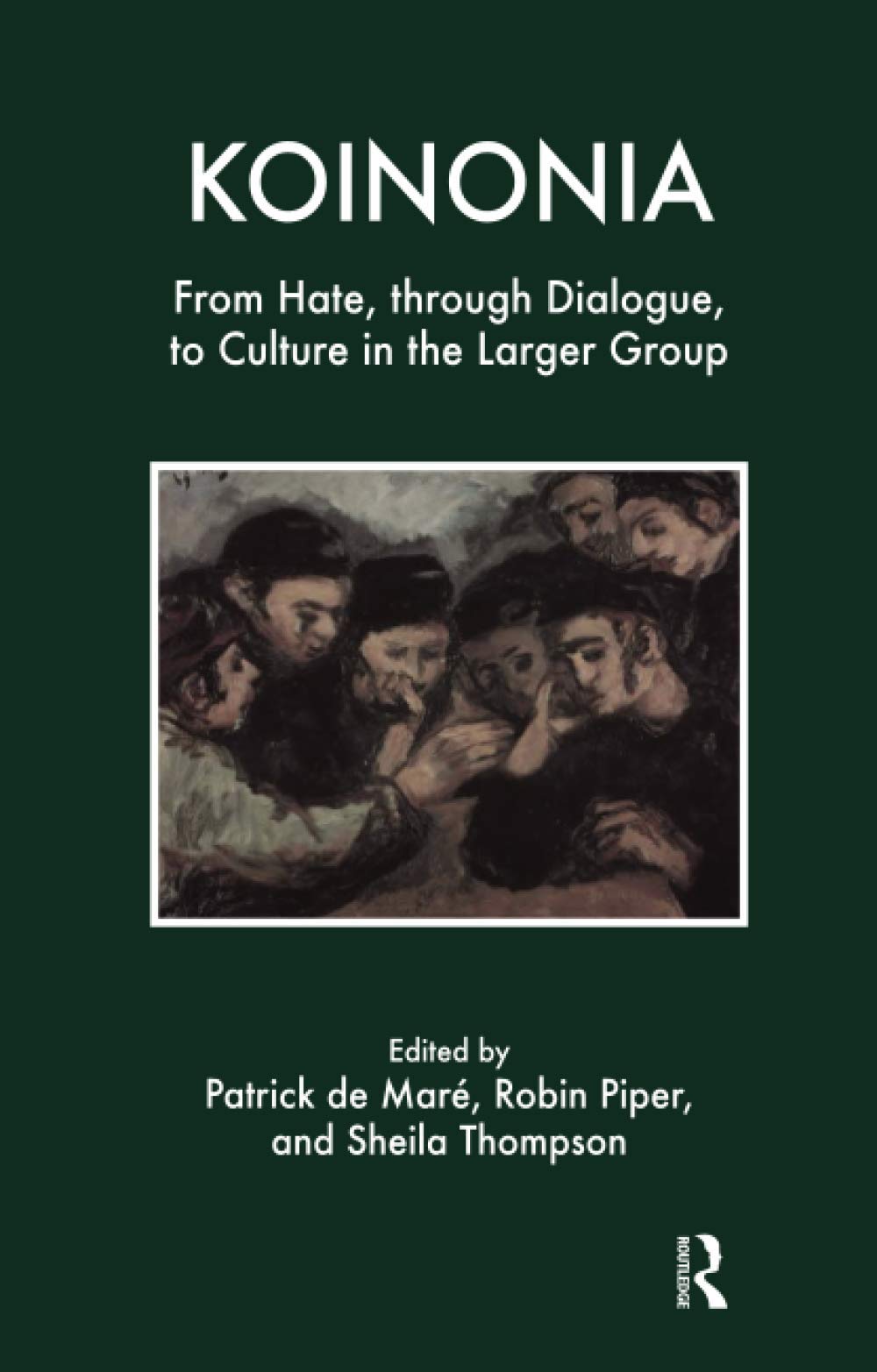
Koinonia: From Hate, Through Dialogue, to Culture in the Large Group by Patrick B. Demare

Psychology
Mindfulness-Based Interventions for Trauma and Its Consequences (Concise Guides on Trauma Care, 4)

Psychology
Handbook for Teaching Statistics and Research Methods by Mark E. Ware

Psychology
Psychoanalysis and the Nuclear Threat: Clinical and Theoretical Studies
Psychology
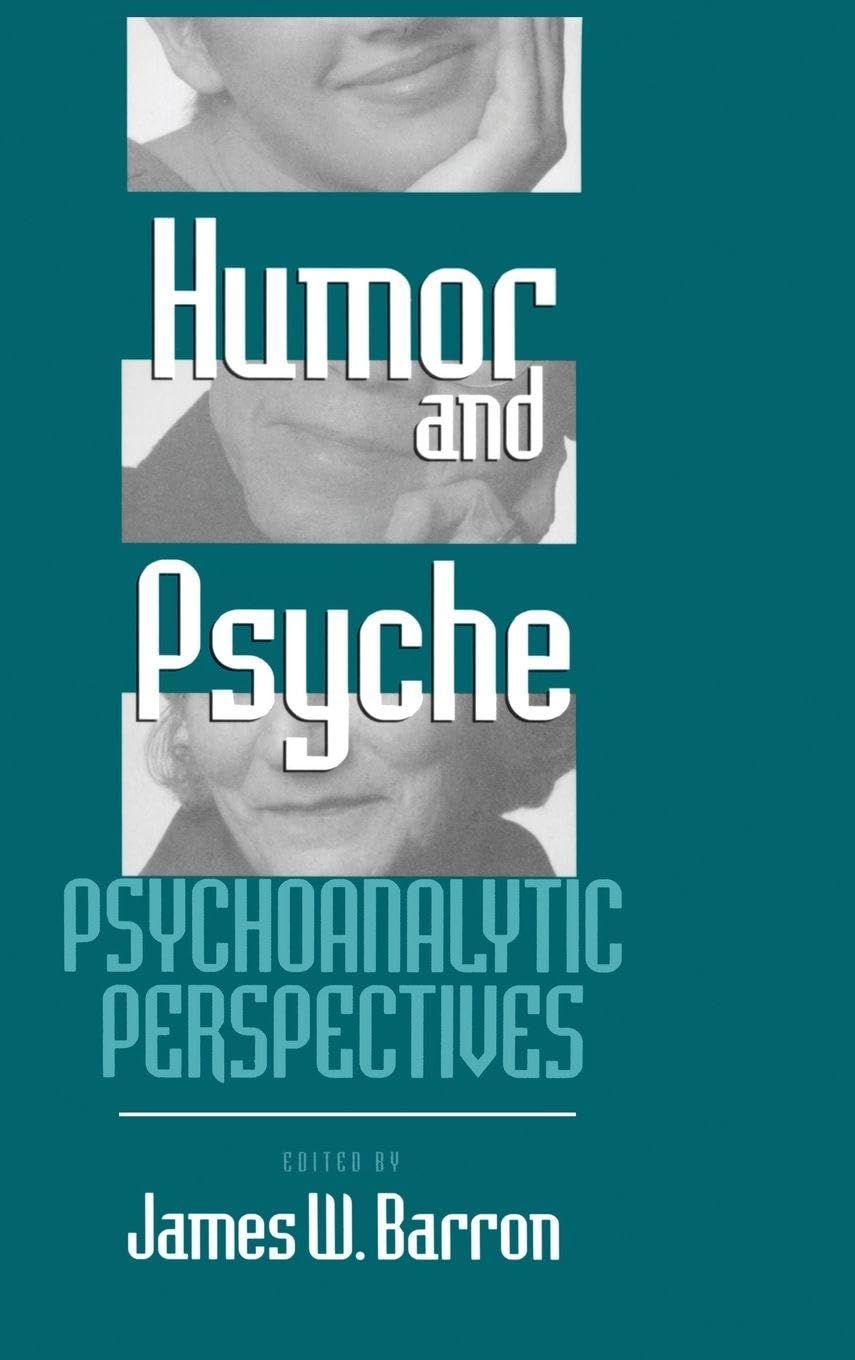
Humor and Psyche: Psychoanalytic Perspectives by James W. Barron

Relationships
The Experience and Expression of Uncertainty in Close Relationships by Jennifer A. Theiss
Related Products
View AllPsychology
Mindfulness-Based Interventions for Trauma and Its Consequences (Concise Guides on Trauma Care, 4)
Psychology
Handbook for Teaching Statistics and Research Methods by Mark E. Ware
Psychology
Psychoanalysis and the Nuclear Threat: Clinical and Theoretical Studies
Psychology
Humor and Psyche: Psychoanalytic Perspectives by James W. Barron

Psychology
Proceedings of the First International Conference on Genetic Algorithms and Their Applications
Psychology