
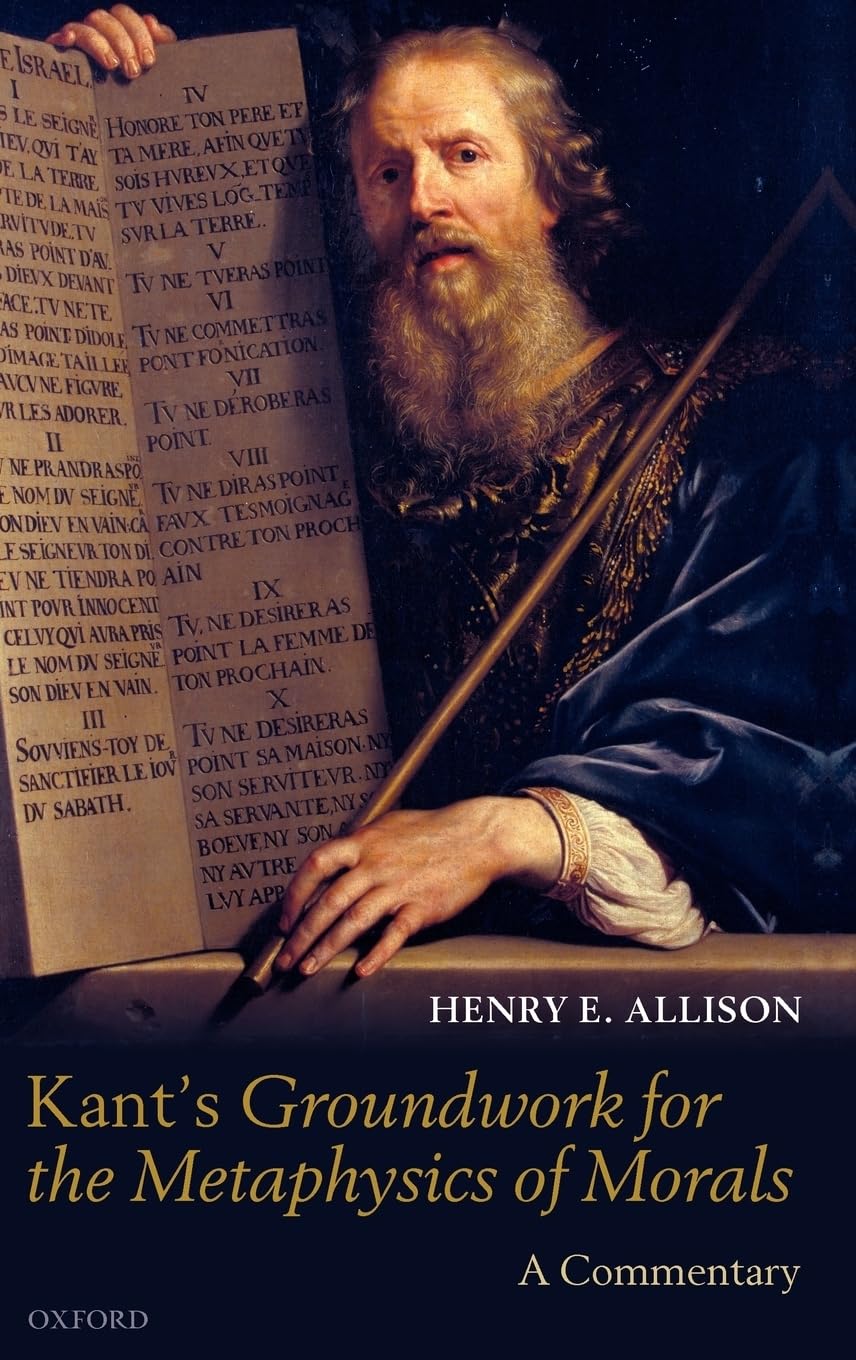
Kant's Groundwork for the Metaphysics of Morals: A Commentary by Henry E. Allison – A Detailed Philosophical Analysis of
Inclusive of all applicable taxes. FREE shipping on all orders.
Available Offers
- 🚚Free Delivery — Free shipping on all orders
- 💵Cash on Delivery — Pay when your order arrives
- ↩️15-Day Easy Returns — Hassle-free return policy
- 🔒Cash on Delivery — Pay safely when your order arrives
Check Delivery
Product Description
Introduction
Henry E. Allison’s Kant's Groundwork for the Metaphysics of Morals: A Commentary is an indispensable resource for anyone seeking a rigorous yet accessible understanding of Immanuel Kant’s foundational work in moral philosophy. Published by OUP Oxford, this hardcover edition offers a deep, scholarly exploration of the Groundwork (1785), widely regarded as the single most important text in modern ethics. Allison, a leading Kant scholar, unpacks the revolutionary principle of the autonomy of the will—the idea that moral duties are self-imposed and unconditionally binding precisely because they originate from within the rational agent. This commentary is not a mere summary; it is a critical engagement that illuminates the structure, historical context, and philosophical stakes of Kant’s project. For Indian students, researchers, and philosophy enthusiasts, this book bridges the gap between Kant’s dense prose and contemporary ethical debates, making it a must-have addition to any serious library.
Book Overview
This commentary stands out from other works on Kant by paying meticulous attention to the structural architecture of the Groundwork and the historical debates that shaped it. Allison argues that Kant’s text is best understood as a response to earlier moral theories—particularly those of Hobbes, Hutcheson, and Wolff—which grounded morality in objects of desire (the good) rather than in the will itself. By contrast, Kant’s revolutionary move is to locate the source of moral law within the rational will, a position Allison terms “heteronomy” versus “autonomy.” The book systematically walks through each section of the Groundwork: from the transition from common rational moral knowledge to philosophical moral knowledge, through the formulation of the categorical imperative, to the final step from metaphysics to a critique of pure practical reason. Allison’s analysis is both historically informed and philosophically rigorous, making it an essential companion for first-time readers and seasoned scholars alike.
Key Highlights
- Comprehensive Structure Analysis: A section-by-section breakdown of Kant’s argument, clarifying transitions and logical connections.
- Historical Contextualization: Explores the philosophical landscape of 18th-century Germany, including Kant’s responses to rationalism and empiricism.
- Focus on Autonomy: Highlights how Kant’s principle of self-legislation redefines moral obligation and freedom.
- Critical Engagement: Allison does not shy away from addressing interpretative controversies, offering his own well-argued positions.
- Accessible Prose: While scholarly, the writing is clear and avoids unnecessary jargon, making it suitable for advanced undergraduates and postgraduates.
Inside the Book
The commentary is organized to mirror the Groundwork’s own structure. It begins with an introductory chapter that situates Kant’s work within the broader context of modern moral philosophy. Subsequent chapters delve into the three main sections of the Groundwork: the transition from common rational moral knowledge to the supreme principle of morality; the transition from popular moral philosophy to a metaphysics of morals; and the final transition from a metaphysics of morals to a critique of pure practical reason. Each chapter includes detailed exegesis, critical notes, and references to secondary literature. Allison also provides an extensive bibliography and index, making it easy to locate specific themes such as the categorical imperative, the formula of universal law, the formula of humanity as an end in itself, and the concept of the kingdom of ends.
Key Topics
- The principle of autonomy versus heteronomy in moral reasoning
- The categorical imperative and its various formulations
- The role of the will in Kant’s ethical system
- Freedom, morality, and the possibility of a metaphysics of morals
- Kant’s critique of traditional moral theories (e.g., eudaimonism, sentimentalism)
- The relationship between reason and moral motivation
Reader Benefits
- Deepened Understanding: Gain a thorough grasp of one of philosophy’s most challenging texts.
- Enhanced Critical Thinking: Develop the ability to engage with complex moral arguments and evaluate them on their own terms.
- Academic Support: Ideal for writing essays, preparing for exams, or conducting research in ethics and Kantian philosophy.
- Historical Insight: Understand how Kant’s ideas emerged from and reacted to the Enlightenment intellectual milieu.
- Practical Relevance: Explore how Kantian ethics applies to contemporary issues such as human rights, dignity, and moral obligation.
Learning Outcomes
By the end of this commentary, readers will be able to: articulate the central thesis of Kant’s Groundwork with precision; distinguish between hypothetical and categorical imperatives; explain the concept of autonomy and why Kant considers it revolutionary; critically analyze the strengths and weaknesses of Kant’s moral framework; and connect Kant’s ideas to later developments in ethics, including deontology, constructivism, and discourse ethics. This book transforms passive reading into active philosophical engagement, equipping students with the tools to think independently about moral problems.
Who Should Read
- Philosophy Students: Undergraduate and postgraduate students taking courses in ethics, modern philosophy, or Kantian thought.
- Academic Researchers: Scholars seeking a reliable, up-to-date commentary for reference and citation.
- Teachers and Professors: Educators designing syllabi or preparing lectures on Kant’s moral philosophy.
- Self-Learners: Anyone with a serious interest in philosophy who wants to tackle Kant’s Groundwork with expert guidance.
- Indian Readers: Those interested in cross-cultural philosophical dialogue, as Kant’s ideas on universal moral law resonate with Indian ethical traditions like dharma and karma.
About the Author
Henry E. Allison is one of the most distinguished Kant scholars of the late 20th and early 21st centuries. He is Professor Emeritus of Philosophy at the University of California, San Diego, and has authored seminal works such as Kant’s Transcendental Idealism and Kant’s Theory of Freedom. His expertise spans epistemology, metaphysics, and ethics, and his commentaries are celebrated for their clarity, depth, and fairness to opposing interpretations. Allison’s lifelong dedication to Kantian philosophy ensures that this commentary is both authoritative and accessible, making it a trusted guide for generations of students.
About the Publisher
OUP Oxford (Oxford University Press) is a globally respected academic publisher with a rich history dating back to 1586. Renowned for its rigorous editorial standards, OUP produces scholarly works that set the benchmark in philosophy, science, and the humanities. This hardcover edition reflects the publisher’s commitment to quality—featuring durable binding, clear type, and archival-quality paper. For Indian readers, OUP titles are widely available through Bookshops.in, ensuring authentic copies and timely delivery across the country.
Conclusion
Henry E. Allison’s Kant's Groundwork for the Metaphysics of Morals: A Commentary is more than just a guide—it is a philosophical companion that invites readers to wrestle with the deepest questions of morality, freedom, and reason. Whether you are a student grappling with Kant for the first time or a seasoned scholar seeking fresh insights, this book offers a rewarding and intellectually enriching experience. By illuminating the Groundwork’s revolutionary vision, Allison helps us understand why Kant’s ethics remain as vital today as they were over two centuries ago. Add this essential volume to your collection and embark on a journey into the heart of modern moral philosophy.
Quick Summary
Kant's Groundwork for the Metaphysics of Morals: A Commentary by Henry E. Allison is a definitive scholarly work that unpacks one of the most influential texts in modern moral philosophy. Written by a leading Kant expert, this commentary goes beyond surface-level explanation to explore the Groundwork's intricate structure, historical backdrop, and the philosophical debates Kant engaged with. Allison's central thesis is that Kant's principle of autonomy of the will—the idea that moral duties are self-legislated—is revolutionary and forms the core of Kant's ethical system. The book guides readers through each section of the Groundwork, clarifying the categorical imperative, the concept of good will, and the nature of moral obligation. It is ideal for advanced philosophy students, researchers, and academics who want a rigorous yet accessible companion to Kant's text. By reading this commentary, you will gain a deeper appreciation of Kant's moral philosophy and its enduring relevance. Purchase your copy from Bookshops.in, India's trusted online bookstore for academic and scholarly works, and enjoy reliable delivery and authentic editions.
Book Highlights
Book Specifications
| ISBN-13 | 9780199691531 |
| ISBN-10 | 0199691533 |
| Publisher | OUP Oxford |
| Language | English |
| Dimensions | 23.62 x 3.05 x 16.26 cm |
| Weight | 748 g |
| Category | Philosophy › Ethics |
| Genre | Philosophy |
| Reading Age | Adult |
| Original Language | English |
Frequently Asked Questions
What is Kant's Groundwork for the Metaphysics of Morals about?
Who is Henry E. Allison?
Is this book suitable for beginners in philosophy?
What makes this commentary different from others?
Does the book cover all sections of the Groundwork?
Is this book used in Indian university courses?
What is the price of this book in India?
Does this book include an index or bibliography?
Can I use this book for self-study?
What is the binding of this book?
Is there a paperback edition available?
How does this commentary help in understanding Kant's categorical imperative?
Why buy from Bookshops.in?
Readers Also Search For
Customers Also Bought
Islam
Spiritual Economies (English, Daromir Rudnyckyj)

Islam
Who Is Allah? (English, Bruce B. Lawrence)
Islam
Islam and Liberal Citizenship: The Search for an Overlapping Consensus by Andrew F. March

Islam
Fiqh Us-Sunnah: Funerals and Diggers by Al-Sayyid Sabiq – Islamic Funeral Guide

Christianity
Genetics (English, Thomas a. Shannon | Mark P. Aulisio | Françoise Baylis)

Hinduism
Karma and Creativity by Christopher Key Chapple – Indian Philosophy
Related Products
View All
Philosophy
Latin American Philosophy: Currents, Issues, Debates by Eduardo Mendieta

Philosophy
Al-Farabi's Short Commentary on Aristotle's Prior Analytics by Nicholas Rescher – Philosophy
Philosophy
Poetics of Imagining: Modern to Post-modern by Richard Kearney
Philosophy
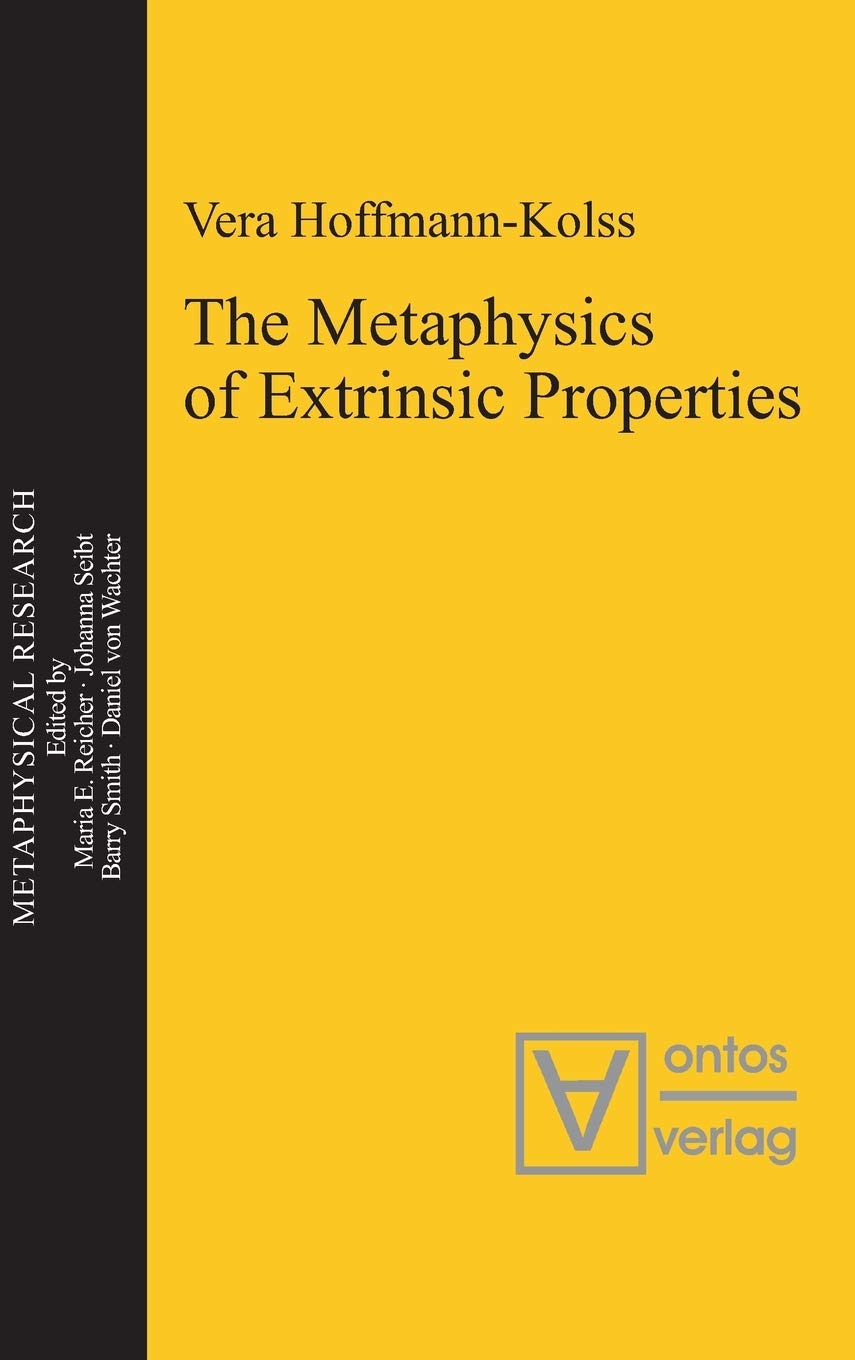
The Metaphysics of Extrinsic Properties: 11 (Metaphysical Research, 11)
Philosophy
Dialogues on Metaphysics and on Religion by Nicolas Malebranche – Philosophy
Philosophy