

Learning from Asian Philosophy: How Eastern Ethical Traditions Enrich Western Moral Discourse by Joel J. Kupperman
Inclusive of all applicable taxes. FREE shipping on all orders.
Available Offers
- 🚚Free Delivery — Free shipping on all orders
- 💵Cash on Delivery — Pay when your order arrives
- ↩️15-Day Easy Returns — Hassle-free return policy
- 🔒Cash on Delivery — Pay safely when your order arrives
Check Delivery
Product Description
Introduction
In a world where philosophical inquiry is often dominated by Western paradigms, Learning from Asian Philosophy by Joel J. Kupperman offers a refreshing and intellectually rigorous bridge between Eastern and Western ethical thought. Published by Oxford University Press, this hardcover volume invites Indian readers, students, and scholars alike to explore how ancient Asian traditions can illuminate and enrich contemporary philosophical debates. Whether you are a student of philosophy, a researcher in ethics, or simply a curious mind seeking deeper understanding of the self and society, this book promises to expand your horizons and challenge your assumptions.
Book Overview
Learning from Asian Philosophy is a compelling work that examines six pivotal philosophical topics—ranging from the formation of the self to the nature of philosophy itself—through the lens of Asian traditions such as Confucianism, Daoism, and Buddhism. Kupperman, a distinguished philosopher, does not merely present these traditions as historical curiosities; instead, he argues that they offer powerful, applicable insights for modern ethical problems. The book builds a thoughtful bridge across two important disciplines, showing how Asian philosophical perspectives can reshape our understanding of choice, moral responsibility, and the very scope of ethical concern. This is not a dry academic text but a lively, accessible dialogue that respects both Eastern and Western philosophical heritage.
Key Highlights
- Original Synthesis: Combines Western philosophical rigor with Asian wisdom to address contemporary ethical dilemmas.
- Focus on Six Core Topics: The self as an ethical problem, fluidity of self, ethical nature of choice, scope of ethics, demands of ethics, and philosophy as an enterprise.
- Accessible Yet Scholarly: Written for both students and professionals, with clear explanations of complex ideas.
- Relevant to Indian Readers: Engages with concepts like karma, dharma, and the non-dual self, which resonate deeply with Indian philosophical traditions.
- Oxford University Press Quality: A premium hardcover edition that is durable and ideal for academic or personal libraries.
Inside the Book
The book is structured around six thematic chapters, each dedicated to one of the key topics. Kupperman introduces relevant Asian sources—including texts like the Analects, the Dao De Jing, and Buddhist sutras—and demonstrates how they can enrich our understanding of ethics. For instance, he explores how the Confucian emphasis on relational selfhood challenges Western notions of the autonomous individual, and how Buddhist ideas of impermanence can inform contemporary debates on moral responsibility. Each chapter is filled with nuanced arguments, illustrative examples, and thoughtful comparisons that make the material come alive. The writing is clear and engaging, avoiding unnecessary jargon while maintaining intellectual depth.
Key Topics
- Formation of the Self as an Ethical Problem: How do we become ethical beings? Asian philosophies offer unique perspectives on character development and moral cultivation.
- Fluidity of the Self: Challenging fixed identities, this topic examines the self as a dynamic, evolving entity in traditions like Buddhism.
- Ethical Nature of Choice: Are our choices truly free? Kupperman explores how Asian thought complicates Western notions of agency.
- Scope of Ethics: Does ethics apply only to humans, or to all beings? Insights from Jain and Buddhist traditions expand the moral circle.
- Demands of Ethics: What does morality truly require of us? The book examines the rigorous ethical ideals found in Confucianism and Daoism.
- Nature of Philosophy as an Enterprise: Is philosophy purely theoretical, or is it a way of life? Asian traditions offer a transformative vision of philosophical practice.
Reader Benefits
- Broadened Perspective: Gain a deeper appreciation for the diversity of philosophical thought across cultures.
- Enhanced Critical Thinking: Learn to question assumptions and engage with complex ethical issues from multiple angles.
- Practical Wisdom: Discover how ancient Asian ideas can be applied to modern life, from personal decision-making to social ethics.
- Academic Edge: Ideal for students writing essays, preparing for exams, or pursuing research in comparative philosophy or ethics.
- Cultural Connection: For Indian readers, the book offers a chance to see familiar concepts like dharma and karma in a new, globally relevant light.
Learning Outcomes
- Understand Key Asian Philosophical Concepts: Grasp the core ideas of Confucianism, Daoism, and Buddhism as they relate to ethics.
- Analyze Ethical Problems from a Comparative Perspective: Develop the ability to evaluate moral issues using both Eastern and Western frameworks.
- Critique Western Philosophical Assumptions: Learn to identify and challenge the cultural biases inherent in many ethical theories.
- Apply Asian Insights to Contemporary Issues: Use philosophical tools from the book to address real-world problems like identity, responsibility, and social harmony.
- Articulate a More Integrated Ethical Vision: Synthesize diverse philosophical traditions to form a richer, more nuanced understanding of morality.
Who Should Read
- Students of Philosophy and Ethics: Both undergraduate and postgraduate students will find this book an invaluable resource for courses on comparative philosophy, Asian thought, or moral theory.
- Scholars and Researchers: Academics working in philosophy, religious studies, or cultural studies will appreciate the book's rigorous yet accessible approach.
- General Readers with an Interest in Asian Culture: If you are curious about how ancient wisdom can inform modern life, this book offers a rewarding journey.
- Indian Readers Especially: Given India's rich philosophical heritage, this book provides a unique opportunity to engage with Asian traditions in a global context.
About the Author
Joel J. Kupperman was a highly respected professor of philosophy at the University of Connecticut, known for his work in ethics, comparative philosophy, and the philosophy of the self. He authored numerous books and articles that bridge Western and Eastern thought, earning acclaim for his clarity, depth, and intellectual generosity. His scholarship has been instrumental in bringing Asian philosophical perspectives into mainstream ethical debates.
About the Publisher
Oxford University Press (OUP) is a world-renowned academic publisher with a legacy of excellence spanning over five centuries. Known for its rigorous editorial standards and commitment to scholarly quality, OUP publishes works that shape intellectual discourse globally. This hardcover edition of Learning from Asian Philosophy reflects OUP's dedication to producing enduring, beautifully crafted books that serve both academic and general readers.
Conclusion
Learning from Asian Philosophy is more than just a book—it is an invitation to rethink the foundations of ethics and the self. Joel J. Kupperman masterfully demonstrates that Asian philosophical traditions are not relics of the past but living sources of insight that can address some of the most pressing ethical questions of our time. For Indian readers, this book offers a particularly resonant journey, connecting familiar cultural ideas with global philosophical conversations. Whether you are a student, a scholar, or a lifelong learner, this Oxford University Press hardcover deserves a place on your shelf. Order your copy from Bookshops.in today and embark on a transformative intellectual adventure.
Quick Summary
Learning from Asian Philosophy by Joel J. Kupperman is a groundbreaking work that brings Eastern philosophical traditions into conversation with Western ethical thought. The book focuses on six key topics: the formation of the self as an ethical problem, the fluidity of the self, the ethical nature of choice, the scope of ethics, the demands of ethics, and the nature of philosophy itself. Drawing on Confucian, Buddhist, and Hindu sources, Kupperman shows how these traditions offer fresh insights that challenge and enrich conventional Western approaches. For Indian students and scholars, this book is particularly valuable as it bridges two important disciplines—philosophy and Asian studies—and provides a framework for understanding moral issues from a cross-cultural perspective. Readers will learn to see ethics not as a set of abstract rules but as a lived practice deeply connected to self-cultivation and community. By purchasing from Bookshops.in, you get a genuine Oxford University Press hardcover edition delivered to your doorstep, supporting a premium Indian bookstore that values intellectual exploration.
Book Highlights
Book Specifications
| ISBN-13 | 9780195128321 |
| ISBN-10 | 019512832X |
| Publisher | OUP USA |
| Language | English |
| Dimensions | 15.24 x 1.45 x 23.5 cm |
| Weight | 363 g |
| Category | Religious Studies › Theology & Philosophy of Religion |
| Genre | Philosophy |
| Original Language | English |
Frequently Asked Questions
What is Learning from Asian Philosophy about?
Who is the author of this book?
Is this book suitable for beginners in philosophy?
Which Asian philosophies are covered?
How does this book differ from standard Western ethics texts?
Can this book be used for university courses?
Does the book include original texts from Asian sources?
Is this book available in Indian bookstores?
What is the price of the book?
Does the book address contemporary ethical issues?
What is the author's main argument?
Is there a glossary of terms?
Why should I buy this book from Bookshops.in?
Readers Also Search For
Customers Also Bought

Islam
Spiritual Economies (English, Daromir Rudnyckyj)

Islam
Who Is Allah? (English, Bruce B. Lawrence)
Islam
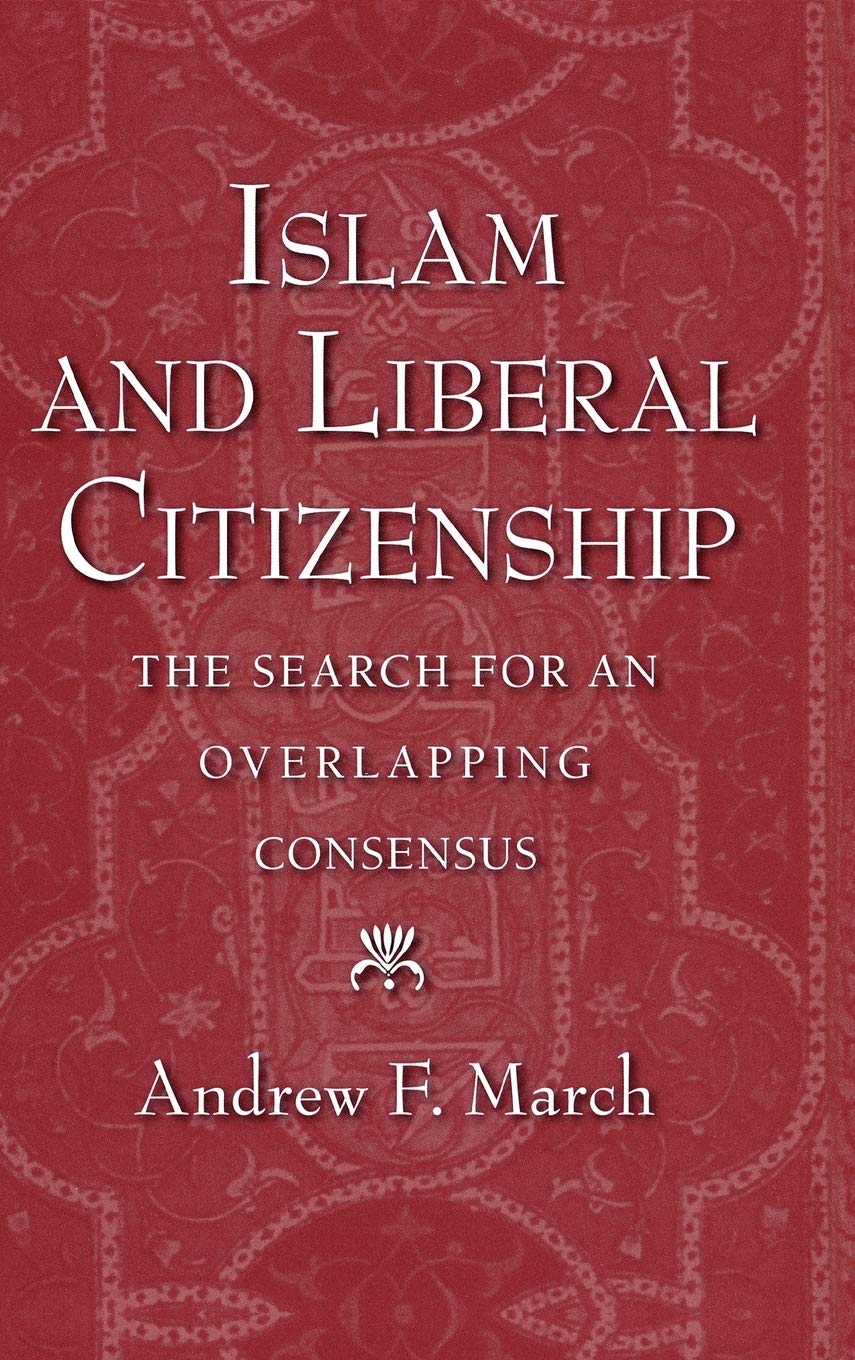
Islam and Liberal Citizenship: The Search for an Overlapping Consensus by Andrew F. March

Islam
Fiqh Us-Sunnah: Funerals and Diggers by Al-Sayyid Sabiq – Islamic Funeral Guide

Christianity
Genetics (English, Thomas a. Shannon | Mark P. Aulisio | Françoise Baylis)

Hinduism
Karma and Creativity by Christopher Key Chapple – Indian Philosophy
Related Products
View All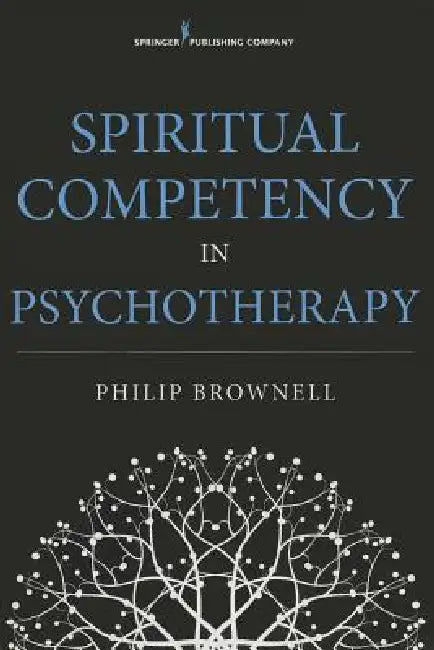
Religion & Spirituality
Spiritual Competency in Psychotherapy | by Philip Brownell | Springer Publishing Company | by Philip Brownell | Springer Publishing Company | by Philip Brownell | Springer Publishing Company | by Philip Brownell | Springer Publishing Company | by Philip Brownell | Springer Publishing Company | by Philip Brownell | Springer Publishing Company | by Philip Brownell | Springer Publishing Company | by Philip Brownell | Springer Publishing Company | by Philip Brownell | Springer Publishing Company | b

Religion & Spirituality
Religion as a Conversation Starter | by Ina Merdjanova | Continuum | by Ina Merdjanova | Continuum | by Ina Merdjanova | Continuum | by Ina Merdjanova | Continuum | by Ina Merdjanova | Continuum | by Ina Merdjanova | Continuum | by Ina Merdjanova | Continuum | by Ina Merdjanova | Continuum | by Ina Merdjanova | Continuum | by Ina Merdjanova | Continuum | by Ina Merdjanova | Continuum | by Ina Merdjanova | Continuum | by Ina Merdjanova | Continuum | by Ina Merdjanova | Continuum | by Ina Merdjano

Religion & Spirituality
The Other Jewish Question: Identifying the Jew and Making Sense of Modernity

Religion & Spirituality
The Oxford Guide to People & Places of the Bible | by Bruce M. Metzger | Michael D. Coogan | Oxford University Press | by Bruce M. Metzger | Michael D. Coogan | Oxford University Press | by Bruce M. Metzger | Michael D. Coogan | Oxford University Press | by Bruce M. Metzger | Michael D. Coogan | Oxford University Press | by Bruce M. Metzger | Michael D. Coogan | Oxford University Press | by Bruce M. Metzger | Michael D. Coogan | Oxford University Press | by Bruce M. Metzger | Michael D. Coogan |

Religion & Spirituality
Anti-Judaism in Early Christianity | by Stephen G. Wilson | Wilfrid Laurier University Press | by Stephen G. Wilson | Wilfrid Laurier University Press | by Stephen G. Wilson | Wilfrid Laurier University Press | by Stephen G. Wilson | Wilfrid Laurier University Press | by Stephen G. Wilson | Wilfrid Laurier University Press | by Stephen G. Wilson | Wilfrid Laurier University Press | by Stephen G. Wilson | Wilfrid Laurier University Press | by Stephen G. Wilson | Wilfrid Laurier University Press |
Religion & Spirituality