
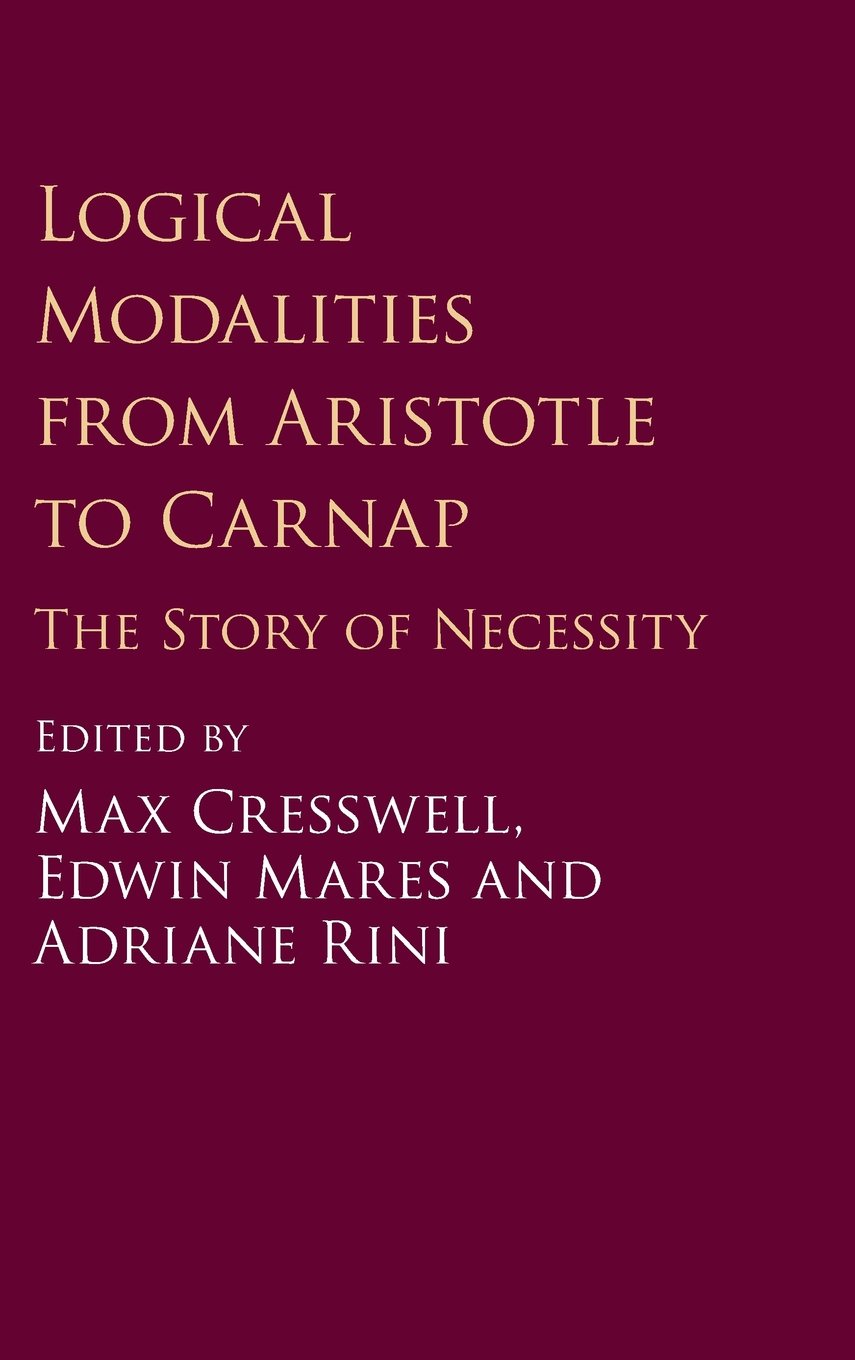
Logical Modalities from Aristotle to Carnap: The Story of Necessity by Max Cresswell – A Comprehensive History of Modal
Inclusive of all applicable taxes. FREE shipping on all orders.
Available Offers
- 🚚Free Delivery — Free shipping on all orders
- 💵Cash on Delivery — Pay when your order arrives
- ↩️15-Day Easy Returns — Hassle-free return policy
- 🔒Cash on Delivery — Pay safely when your order arrives
Check Delivery
Product Description
Introduction
What does it mean for something to be necessary or merely possible? These questions have fascinated philosophers and logicians for over two millennia. Logical Modalities from Aristotle to Carnap: The Story of Necessity by Max Cresswell offers a sweeping intellectual journey through the history of modal logic—the study of necessity, possibility, and related concepts. Published by Cambridge University Press, this hardcover volume is an essential resource for anyone curious about how thinkers from ancient Greece to the twentieth century have grappled with the nature of possibility and necessity.
Book Overview
This book is not just a dry chronological survey; it is a vibrant narrative that traces the evolution of modal logic from its earliest roots in Aristotle’s works, through the Stoic and medieval traditions (including Arabic philosophy), into the early modern period with figures like Locke and Leibniz, and finally to modern thinkers such as Kant, Peirce, C. I. Lewis, and Rudolf Carnap. Each chapter connects historical insights with contemporary debates in the philosophy of modality, making the past relevant to current research.
Key Highlights
- Comprehensive historical scope: Covers over 2,000 years of philosophical thought on necessity and possibility.
- Expert contributors: Essays from leading scholars in logic and metaphysics, edited by Max Cresswell.
- Bridges past and present: Shows how ancient and medieval ideas still influence modern modal logic.
- Rigorous yet accessible: Written for advanced students and researchers, but clear enough for motivated readers new to the topic.
Inside the Book
The volume opens with a detailed analysis of Aristotle’s views on the connection between logic and metaphysics, particularly his treatment of future contingents and the sea-battle argument. It then moves to Stoic logic and medieval Arabic contributions, highlighting often-overlooked figures. The early modern section explores Locke’s empiricist approach to necessity and Leibniz’s pioneering work on possible worlds. The final part covers Kant’s synthetic a priori, Peirce’s pragmatic modal logic, C. I. Lewis’s strict implication, and Carnap’s formal semantics. Each essay is self-contained yet contributes to the overarching story.
Key Topics
- Aristotle’s modal syllogistic and the problem of future contingents
- Stoic and medieval Arabic theories of necessity
- Locke’s empiricist account of modalities
- Leibniz’s possible worlds and divine necessity
- Kant’s modal categories and synthetic a priori judgments
- Peirce’s triadic logic and modal realism
- C. I. Lewis’s strict implication and modal systems
- Carnap’s logical syntax and semantics of modality
Reader Benefits
Reading this book will deepen your understanding of one of philosophy’s most persistent puzzles. You will gain a clear sense of how modal logic evolved from informal metaphysical speculation into a formal discipline. The essays are written to be engaging, not merely informative, and they often draw surprising connections between historical figures and contemporary debates. Whether you are a student preparing for exams, a researcher looking for historical context, or a curious reader, this book will reward your attention.
Learning Outcomes
- Trace the development of modal concepts from Aristotle to Carnap
- Understand key arguments about necessity and possibility across different traditions
- Appreciate how historical figures anticipated modern modal logic
- Critically engage with the relationship between logic and metaphysics
- Apply historical insights to current philosophical problems
Who Should Read
This book is ideal for undergraduate and postgraduate students of philosophy, especially those studying logic, metaphysics, or the history of philosophy. Researchers in formal semantics, theoretical linguistics, and computer science interested in the foundations of modal logic will also find it valuable. Anyone with a serious interest in the history of ideas—from curious general readers to professional academics—will benefit from this rich collection.
About the Author
Max Cresswell is a distinguished philosopher and logician, known for his work in modal logic and the semantics of natural language. He has taught at universities in New Zealand, Canada, and the United States, and has authored several influential books on logic and language. His expertise ensures that each essay in this volume is both historically accurate and philosophically insightful.
About the Publisher
Cambridge University Press is one of the world’s oldest and most respected academic publishers. With a reputation for rigorous scholarship and high-quality production, Cambridge books are trusted by students and scholars globally. This hardcover edition is built to last, with a sturdy binding and clear typesetting that makes extended reading comfortable.
Conclusion
Logical Modalities from Aristotle to Carnap: The Story of Necessity is more than a history book—it is an invitation to think deeply about the very structure of reality and thought. By tracing the thread of necessity through the ages, Max Cresswell and his contributors show that the questions posed by Aristotle are still alive today. Whether you are beginning your journey into modal logic or looking to fill gaps in your historical knowledge, this volume is an indispensable companion. Order your copy from Bookshops.in today and add a landmark work to your philosophy collection.
Quick Summary
Logical Modalities from Aristotle to Carnap: The Story of Necessity, edited by Max Cresswell, is a scholarly volume that traces the historical development of the concepts of necessity and possibility in logic and metaphysics. Starting with Aristotle's foundational ideas, the book moves through Stoic and medieval (including Arabic) traditions, then to early modern thinkers like Locke and Leibniz, and finally to Kant, Peirce, C. I. Lewis, and Rudolf Carnap. Each chapter is written by an expert and illuminates how different eras grappled with modal notions. This book is ideal for Indian postgraduate and research students in philosophy, logic, and metaphysics, as well as academics seeking a comprehensive historical reference. Readers will gain a deep understanding of how modal logic evolved from ancient debates to formal systems. By purchasing from Bookshops.in, Indian customers receive an authentic Cambridge University Press hardcover with prompt delivery and competitive pricing.
Book Highlights
Book Specifications
| ISBN-13 | 9781107077881 |
| ISBN-10 | 1107077885 |
| Publisher | Cambridge University Press |
| Language | English |
| Dimensions | 16.51 x 2.54 x 23.5 cm |
| Weight | 660 g |
| Country | India |
| Category | Philosophy › Metaphysics |
| Genre | Non-fiction |
| Original Language | English |
Frequently Asked Questions
What is the main theme of Logical Modalities from Aristotle to Carnap?
Who is the author of this book?
Is this book suitable for Indian philosophy students?
Does the book cover Indian or Eastern philosophers?
What time period does the book cover?
Is this a textbook or a collection of essays?
What is the binding of this book?
Can I use this book for my PhD research?
Does the book include diagrams or illustrations?
What is the price of this book in India?
Is this book available in paperback?
What language is the book written in?
Does the book discuss possible worlds semantics?
Why should I buy from Bookshops.in?
Readers Also Search For
Customers Also Bought
Islam
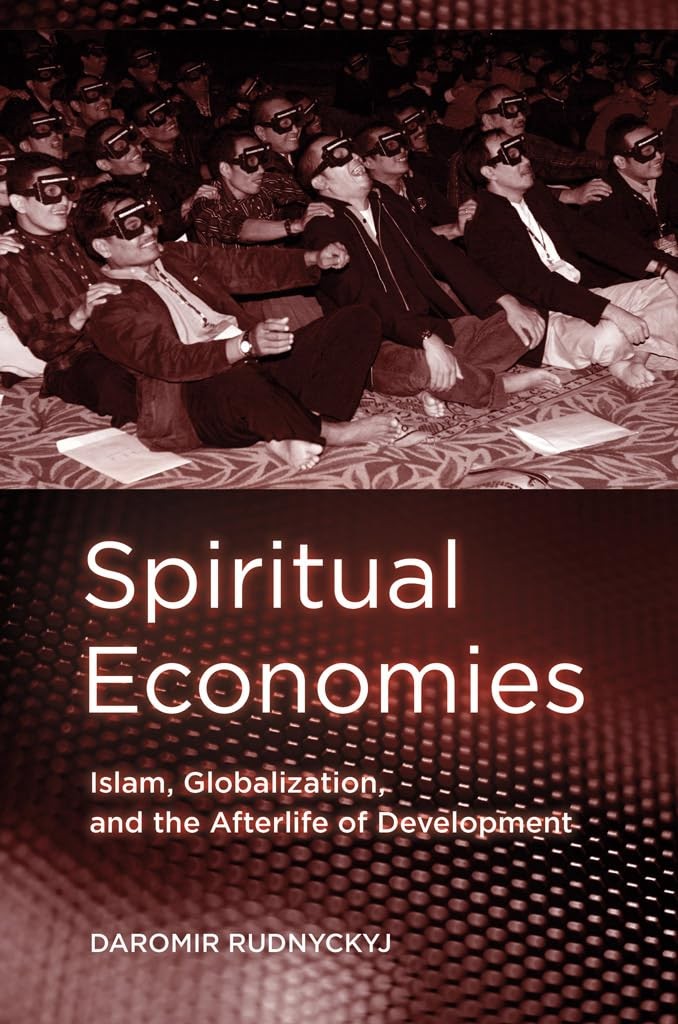
Spiritual Economies (English, Daromir Rudnyckyj)

Islam
Who Is Allah? (English, Bruce B. Lawrence)
Islam
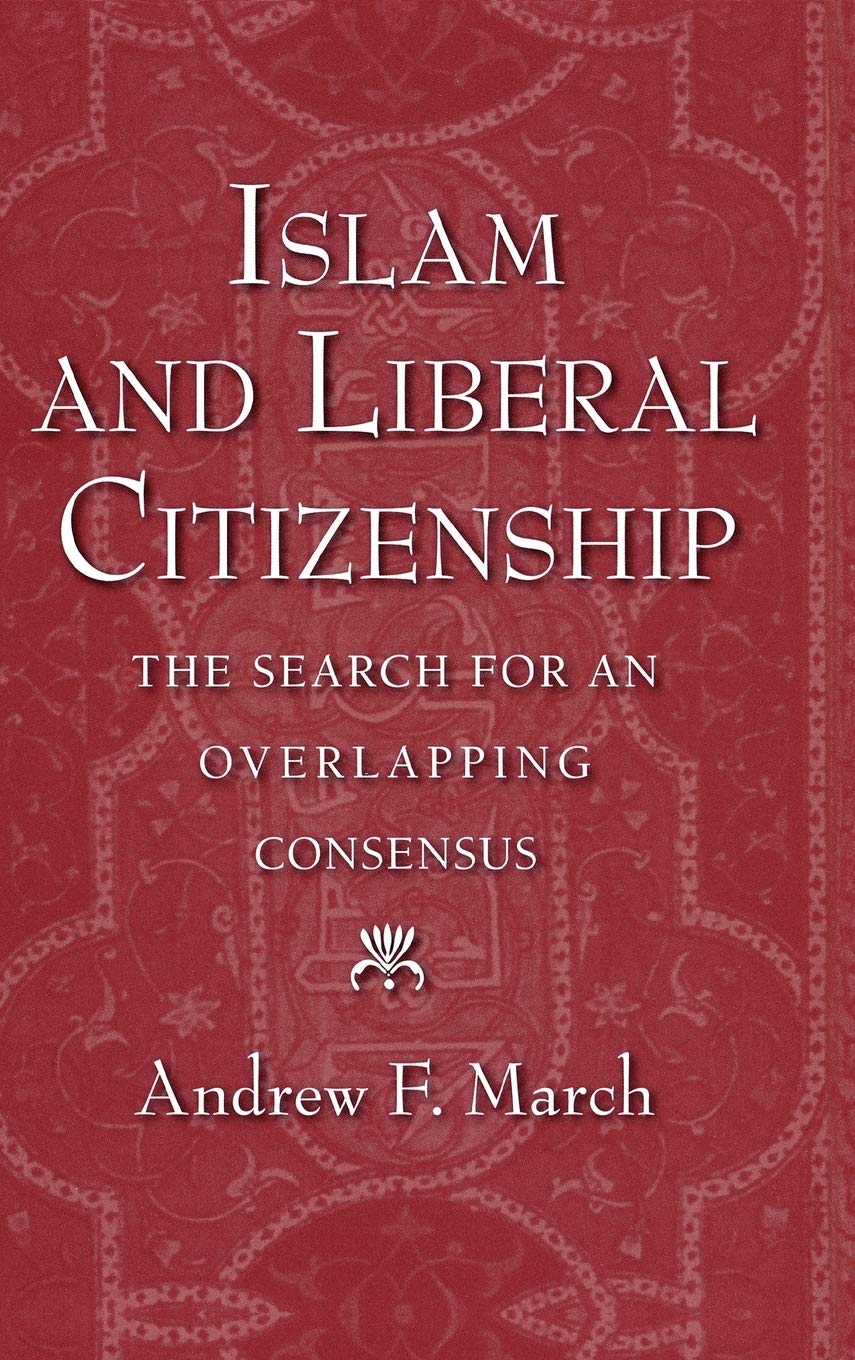
Islam and Liberal Citizenship: The Search for an Overlapping Consensus by Andrew F. March
Islam
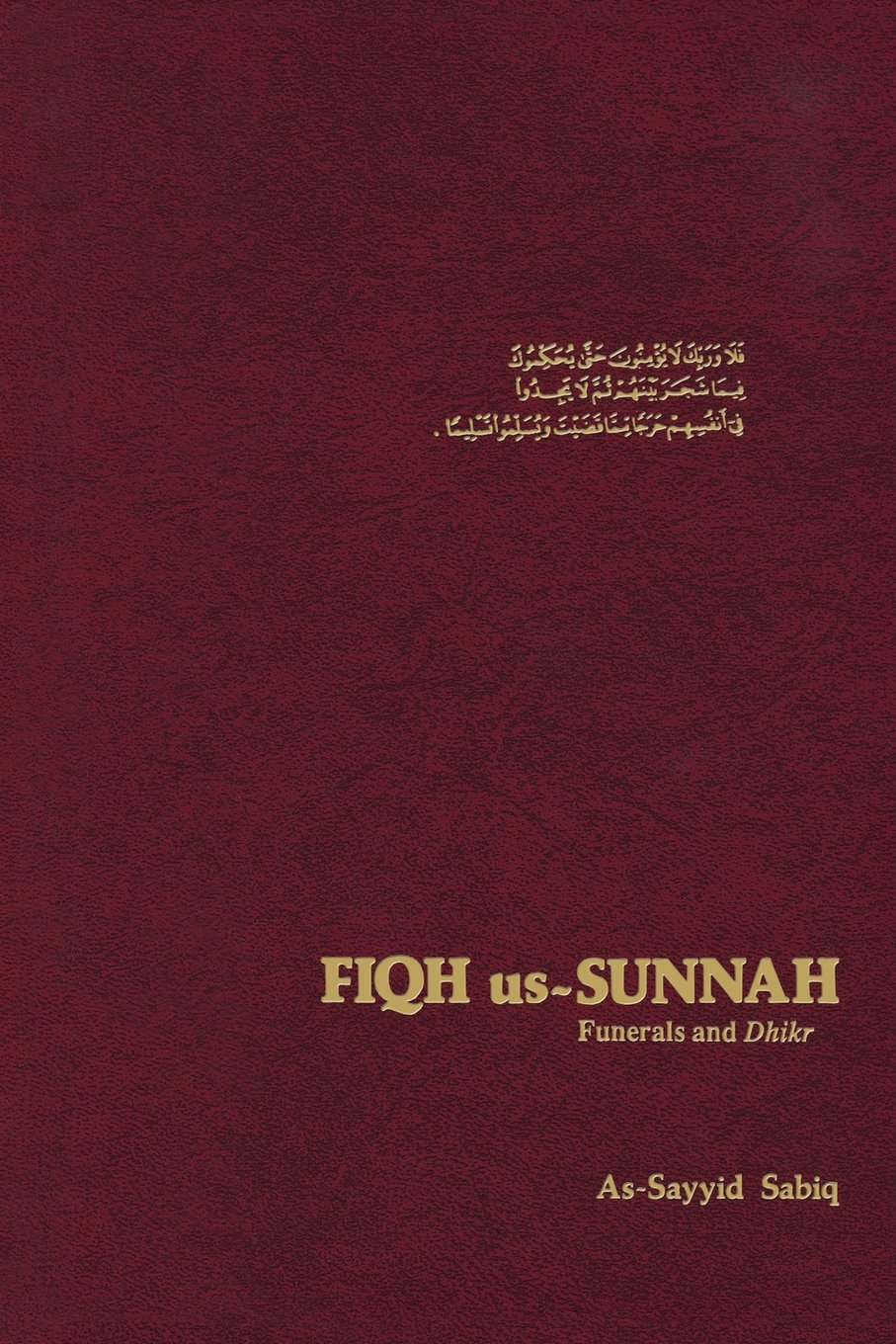
Fiqh Us-Sunnah: Funerals and Diggers by Al-Sayyid Sabiq – Islamic Funeral Guide

Christianity
Genetics (English, Thomas a. Shannon | Mark P. Aulisio | Françoise Baylis)

Hinduism
Karma and Creativity by Christopher Key Chapple – Indian Philosophy
Related Products
View All
Philosophy
Latin American Philosophy: Currents, Issues, Debates by Eduardo Mendieta

Philosophy
Al-Farabi's Short Commentary on Aristotle's Prior Analytics by Nicholas Rescher – Philosophy
Philosophy
Poetics of Imagining: Modern to Post-modern by Richard Kearney
Philosophy
The Metaphysics of Extrinsic Properties: 11 (Metaphysical Research, 11)
Philosophy
Dialogues on Metaphysics and on Religion by Nicolas Malebranche – Philosophy
Philosophy